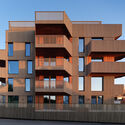
Housing is a fundamental aspect of architecture, providing shelter, which is essential for everyone. In urban environments, addressing the housing challenge is both urgent and complex. Social housing initiatives aim to provide a substantial portion of the population with access to this fundamental architectural concept: a home.
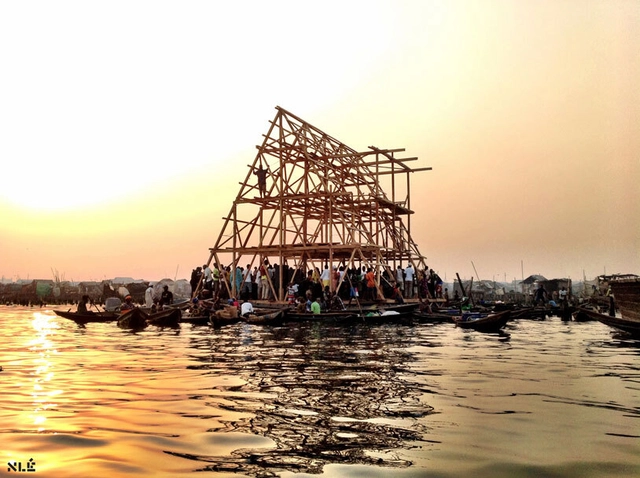
Tropical Africa boasts vast forests that cover 3.6 million square kilometers of land in West, East, and Central Africa. These forests provide valuable timber resources that significantly impact sectors, such as the furniture, fuel, and paper industries. However, interestingly, timber is seemingly absent in the contemporary architecture of the countries in this region. While architectural taste plays a role, the main reasons for this absence can be attributed to the wood industries' inability to meet the requirements of availability, affordability, aesthetic appeal, durability, and climatic and structural performance of timber. The wood industry in tropical Africa is mainly composed of informal and small-scale operations, focused primarily on sawing logs rather than refining wood for architectural or structural purposes. Despite this, the large number of informal enterprises in the region presents an opportunity to reshape the wood industry and utilize the local forestry resources to construct timber buildings.
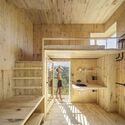
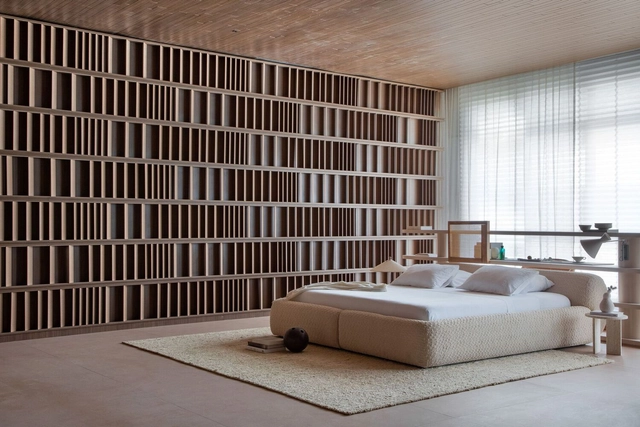
Almost half of Brazil is covered in forest, producing nearly 150 million cubic meters a year. Thanks to the large country’s wide range of tree species, Brazilian designers looking for natural, locally sourced materials have a lot of wood to choose from. Unsurprisingly, wood is a common feature in both traditional and contemporary Brazilian homes, both in construction and when creating decorative surfaces.
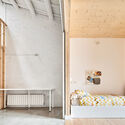
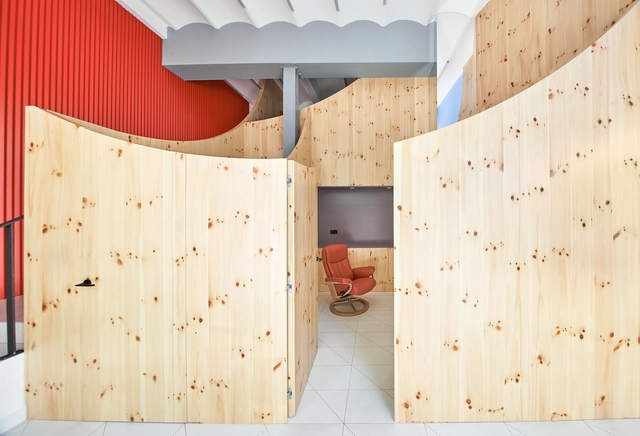
The aesthetic beauty of wood’s grain pattern, combined with the warm, rich, and varying color palettes on offer, means that while achieving the strength and stability required for flooring and construction, wood is also a perfect material to form interior surfaces. Its natural color and aesthetic allow for a simple, minimalist form, giving spaces a timeless mid-century feel.
The history of architecture is marked by a rich array of styles and expressions, each of which reflects the specific environment it was created in. Numerous unique narratives have emerged, giving rise to various architectural traditions. The notion of a single, universal tradition is quickly debunked when one explores the pages of any architectural history book.
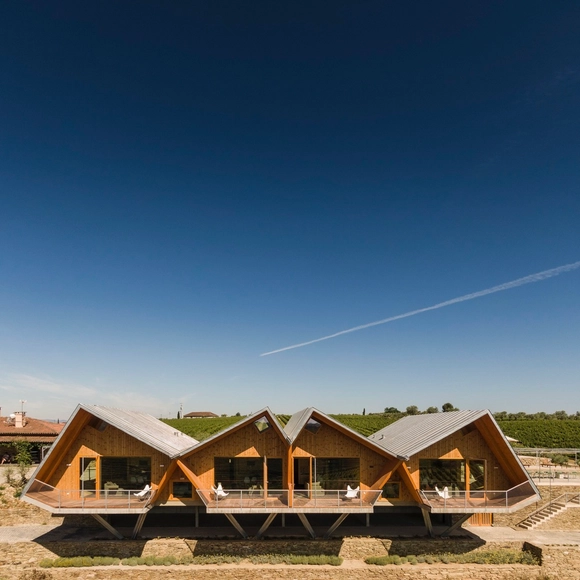
While contemporary architectural movements may share common principles, it's important to note that this doesn't necessarily result in a uniform appearance. However, when we consider the diversity of historical architectural styles and traditions, it becomes evident that specific regions have distinct architectural identities. Portugal has a well-defined architecture, and Carlos Castanheira is one of its notable representatives.
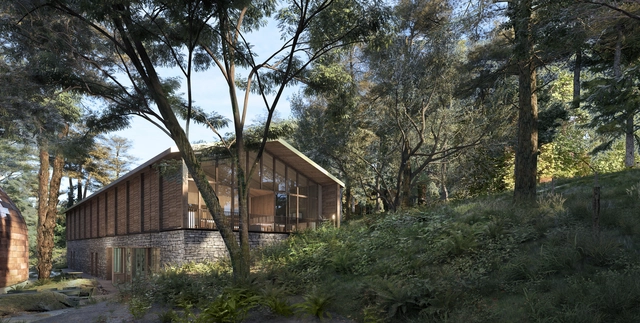
The Farmhouse / Studio Precht. Image Courtesy of Precht
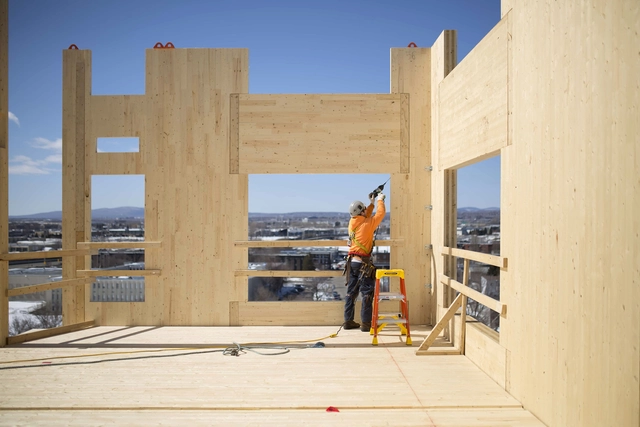
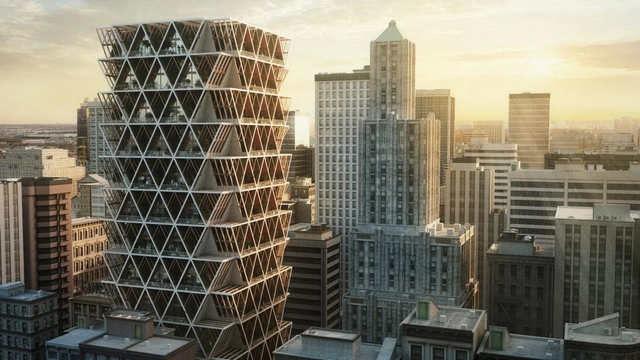
Wood, an age-old building material, has left its mark on the history of architecture. Structures like townhouses and ancient cathedrals have seen usage and innovation with wood as a primary material. As technology evolves and urban landscapes grow skyward, wood has emerged as a strong contender to steel and concrete in the area of skyscraper design. Recent advances in engineering, materials science, and construction techniques have welcomed a new era of experimentation, enabling the construction of timber skyscrapers across the world. Timber skyscrapers signify a departure from traditional construction methods, seamlessly blending aesthetics, functionality, and ecological consciousness. Wood as a material, with its inherent strength and impressive fire resistance, presents hope to an industry in pursuit of a more sustainable future.
Sustainability has taken center stage in the broad world of architecture and design, inspiring and directing the construction of new structures towards environmental harmony. The use of wood, a classic material with enormous potential to lessen our ecological impact while providing limitless design possibilities, is a notable example of this movement's implementation. In the fight for sustainability in the field of architecture, wood has become an ally. Its distinctive qualities, such as renewability and carbon neutrality, have inspired creative methods among architects worldwide.
A wide range of architectural projects, from vital healthcare facilities to exciting mixed-use buildings, cultural hubs, and welcoming residential spaces, benefit from wood's extraordinary versatility as a building material. In fact, wood's natural warmth and biophilic qualities can create spaces that reduce stress and promote well-being. Furthermore, the carbon-neutral nature of wood aligns perfectly with the design industry's commitment to environmental responsibility.
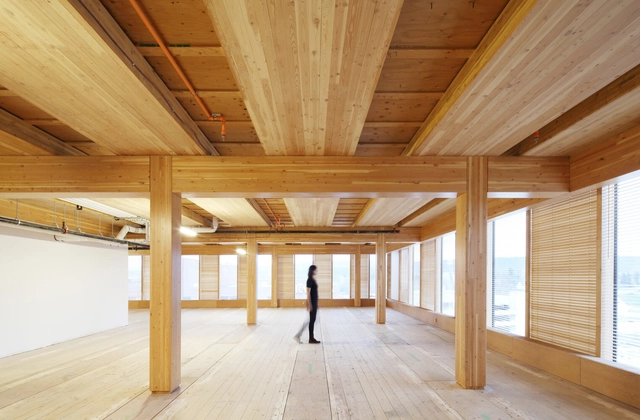
Mass timber has emerged as a sustainable alternative to replace concrete components in construction, as the latter alone contributes to 8% of global CO2 emissions. With various examples across different scales and applications, the material has shown promise in revolutionizing the industry by enhancing efficiency, strength, and comfort. Even when dealing with highly standardized and efficient processes in the manufacturing of structural elements, there is always room for improvement and waste reduction. This is mainly because the traditional industrial process of cutting logs into parts can generate substantial waste.
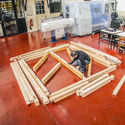
In this context, A.I. Timber emerges as an innovative construction material designed to minimize waste by preserving the natural contours of trees. Instead of employing conventional methods that involve cutting individual logs into standardized boards, A.I. Timber ingeniously utilizes Artificial Intelligence to fit these logs together like pieces of a perfectly assembled puzzle. To gain further insight into this initiative and the future of this material, we spoke with Carlo Ratti and Mykola Murashko, who coordinated the project.
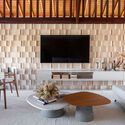
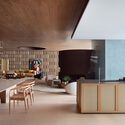
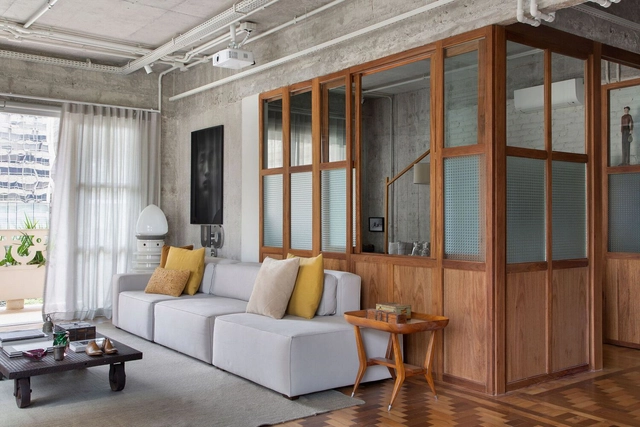
Today, we are increasingly aware of the environmental harm caused by building with concrete. One approach to using it more sustainably is to repurpose existing buildings, exposing their structural elements and integrating concrete into the surface. While concrete can sometimes give off an austere or overly cold vibe for a residential space, wood provides an alternative to soften this impression, transforming what might seem industrial into a warm and inviting home environment. By doing so, they can impart distinct qualities to the same space through the interplay of their textures and colors, evoking different sensations in occupants. There are various ways to explore the interaction between these materials, and we illustrate some of these possibilities through six Brazilian apartment examples.
Throughout the annals of architectural history, timber has been a fundamental element in the evolution of building design and construction. From the ancient timber-framed structures of Japan to the medieval European cathedrals, timber's structural prowess and aesthetic appeal have left an indelible mark on human civilization. It wasn't until the Industrial Revolution's advent that a significant shift towards alternative building materials such as steel and concrete occurred, relegating the material to a secondary role in construction. As contemporary architects grapple with the consequences of climate change, however, timber has staged a remarkable comeback, offering an eco-friendly and structurally robust alternative. Internationally renowned firms are centering their designs around timber's potential, embracing its rich history while simultaneously harnessing advanced technologies to create awe-inspiring, sustainable structures that represent a harmonious blend of historical wisdom and modern innovation.
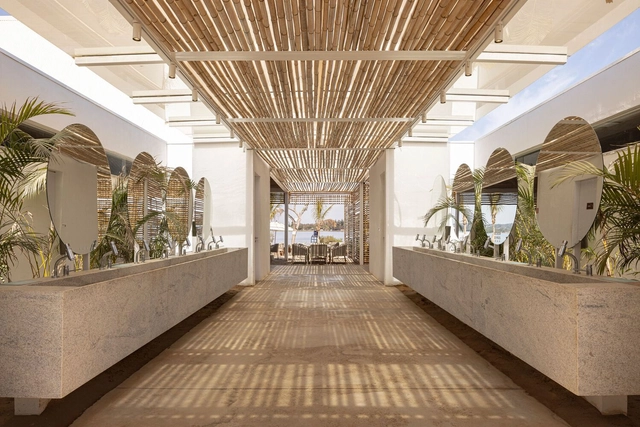
In recent years, there has been a noticeable surge in the pursuit of sustainability and eco-conscious practices across diverse domains, including interior architecture projects. Bamboo has garnered significant attention among various elements thanks to its remarkable versatility. It presents a wide array of creative opportunities for crafting environmentally conscious and elegant spaces.
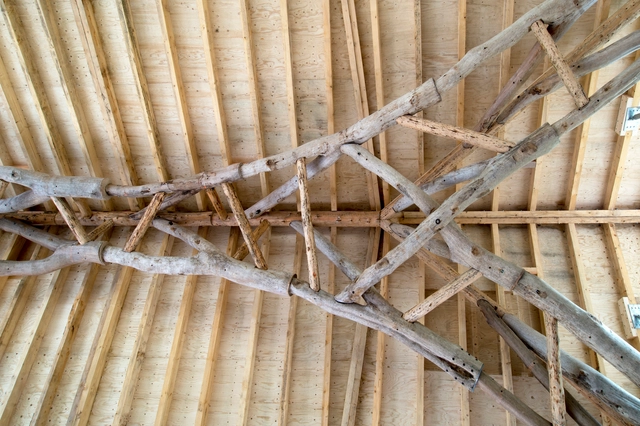
Timber has been a popular source of construction material for thousands of years. Through sawing, milling, and other engineered wood conversion processes, various wood forms have been created and applied in products, furniture, and architecture. However, these processes can sometimes alter the basic lines of wood structure. The stems can be split, grain patterns changed, and some woods, such as oak and cedar, are easily reduced while others can become intractable. This led to the exploration of whole timber forms in ancient structures, such as log cabins, which layered timber in different cross-sections to form home profiles. Through design, the use of trunks or branches of trees in their entirety can accentuate their innate mechanical properties for structural sustainability. Although these practices are fairly absent in contemporary building techniques, new technological innovations expand the prospects of timber construction in architecture.
Wood has played a key role in the history of architecture by adding warmth, versatility, and sustainability to buildings. Today, its use is experiencing a renewed interest, driven both by technological advancements brought about by the use of Cross-Laminated Timber (CLT) and by growing environmental awareness.
The following list is an index of articles, news, and projects published on ArchDaily that cover everything you need to know about the use of wood in architecture, from design strategies and the latest trends to its application in construction works and building materials.
Wood is a material with unique characteristics –such as its natural warmth and tactile quality– capable of providing a sense of comfort and well-being, evoking emotions and memories, and creating a cozy atmosphere in interior spaces. Its versatility allows it to be used in building structures, for solar protection, or as interior cladding, and it can be molded, carved, and jointed to create a variety of forms, from simple to complex designs. When properly maintained and kept in ideal conditions, wood can last for hundreds of years. However, as a natural material, it is susceptible to degradation over time due to biological, chemical and environmental factors, which can result in rotting, cracking, erosion and the loss of physical properties.
To mitigate this issue, there are preservation techniques that aim to improve the durability, stability, and resistance of wood to adverse factors, prolonging its life and performance. Among these techniques are treatments with chemical products, the application of pressure, and thermal modification.
From the pre-Columbian period of the Americas –during which cultures such as the Olmec, Maya, Purepecha, and Mexica (Aztec) thrived– to the modern era where architecture has been influenced by social movements and even natural disasters, Mexican architecture showcases a valuable architectural expression, with its own unique voice and distinctive characteristics. Nobel Literature Laureate Octavio Paz argued that architecture is an incorruptible witness to history. Likewise, the materials used to shape it have acted as protagonists of that history, enduring in many cases over time and evolving thanks to the generations of architects who have contributed to it, from different perspectives.
To trace a timeline, it is possible to take as a starting point pre-Hispanic architecture, which exhibited a diversity of nuances due to Mexico's vast territorial extension. This allowed diverse cultures to find their niche and develop their characteristic architectural styles. Subsequently, the era of Spanish colonization, which itself drew influence from Islamic architecture, represented a noteworthy turning point in architectural development. This phase endured until the advent of Mexican Independence in the 19th century. In turn, this marked the initiation of social and cultural movements, both during and after the Mexican Revolution in the early 20th century.
https://www.archdaily.com/1005554/materials-that-define-the-contemporary-mexican-architectural-aestheticEnrique Tovar
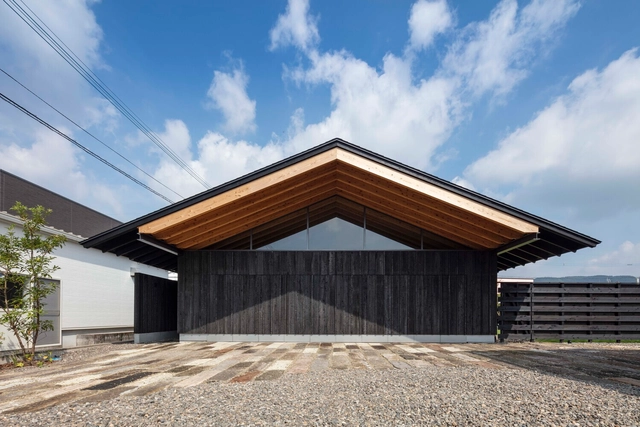
Ancestral, vernacular, minimalist and harmonious. For many, these words have come to define the architecture of Japan, a country that has long served as a source of cultural and technological inspiration for countless societies worldwide. Popular Japanese techniques have reached even the most remote corners of the globe, gaining traction across various fields that range from technical craftsmanship to digital innovation. Within the realm of architecture, the appropriation and reinvention of various materials and construction systems –such as the use of carbonized wood in facades– has been an enduring theme.
Materiality is a determining factor in shaping the character and experience of a building. Playing with the aesthetic and tactile qualities of materials, the design process encompasses their analysis, selection, and arrangement to create purposeful and sensory-rich spaces. Alongside textures and patterns, exploring materiality also involves the study of color possibilities. The versatile role of color in architectural materials extends beyond mere aesthetics, as it can broaden design opportunities and influence emotional responses, functionality, cultural relevance, and environmental performance.
Even though each material has its distinctive inherent color, the addition of artificial or natural pigments can modify them in favor of the project’s identity. Delving into the debate on maintaining raw aesthetics or changing a material’s natural hues, we showcase various projects to study the differences between using natural versus artificial pigmentation of glass, concrete, brick, stone and wood.
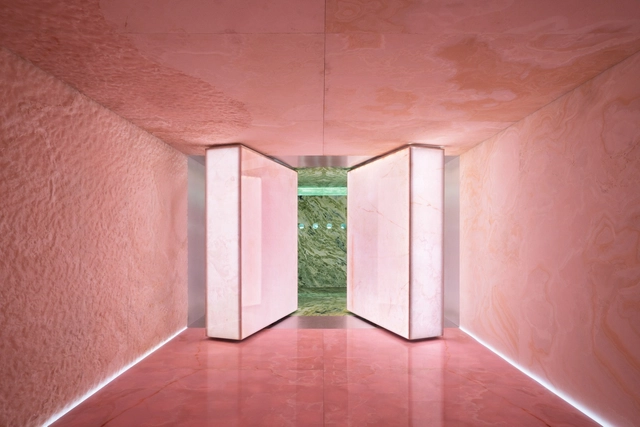
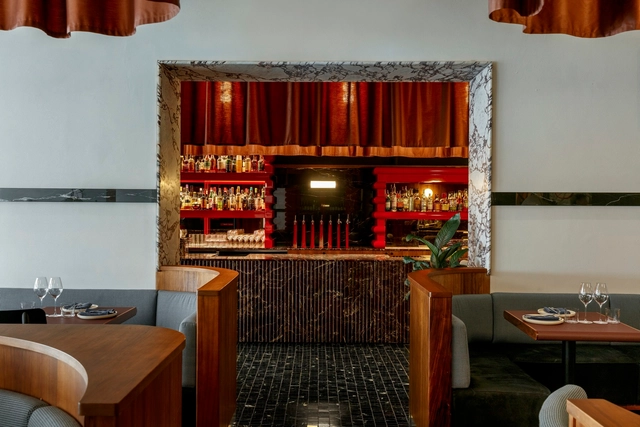
In the competitive world of restaurants – particularly at a time when influencers are gaining more and more control over the sphere of fine dining –, creating a memorable meal experience is crucial for attracting and retaining customers. While factors like food quality and service certainly play pivotal roles in making diners return to their eatery of choice, the impact that restaurant interiors can have on an establishment's longevity should not be overlooked. Among the various elements contributing to a memorable ambiance, color takes center stage. We delve into the significance of striking the right tone in restaurant design through 20 projects from our ArchDaily database.
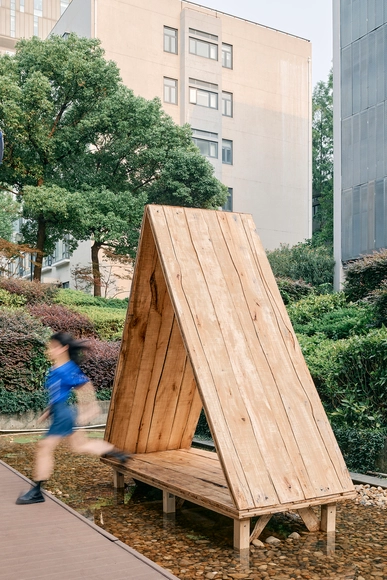
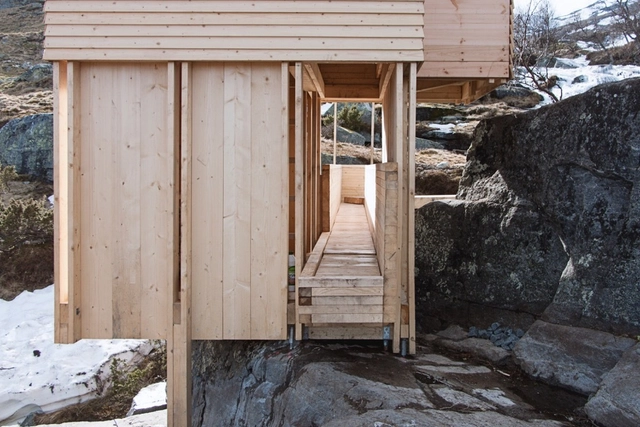
ELDMØLLA Sauna / Arkitekt August Schmidt + Workshop NTNU-Trondheim + Arnstein Gilberg + Ina Samdal. Image Courtesy of Workshop NTNU-Trondheim
Due to its specific characteristics, the architecture of the sauna is interesting because it gives us lessons related to efficiency and the beauty of simplicity. These are generally very basic structures with a clear function, created to contain different levels of heat and humidity. Thanks to this steam bath, people can release toxins and improve their blood circulation. In addition, they are widely used in cold climates, in close proximity to nature and utilizing the presence of water.
To function, these normally airtight spaces contain a series of internal benches with different dimensions and a heat source that must reach temperatures between 80 and 90°C, including, if necessary, a chimney to expel the smoke. Wood is the material par excellence for saunas, using in most cases native species that maintain their rustic appearance and natural texture. Next, we review 9 saunas designed by architects, including some of their construction details.