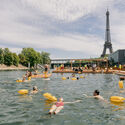
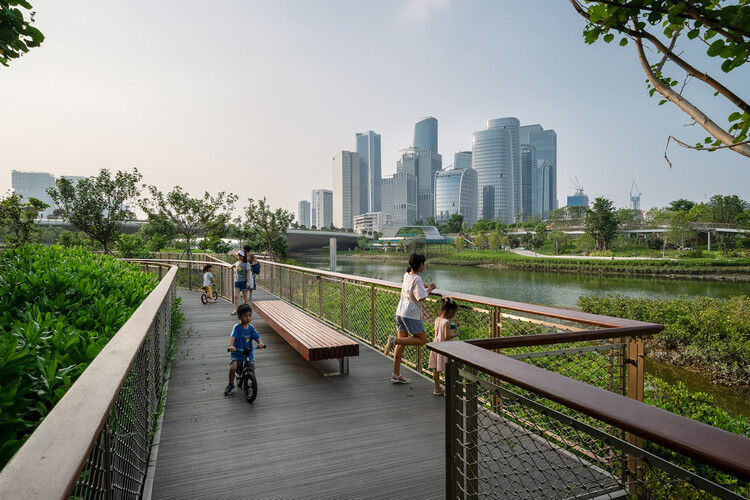
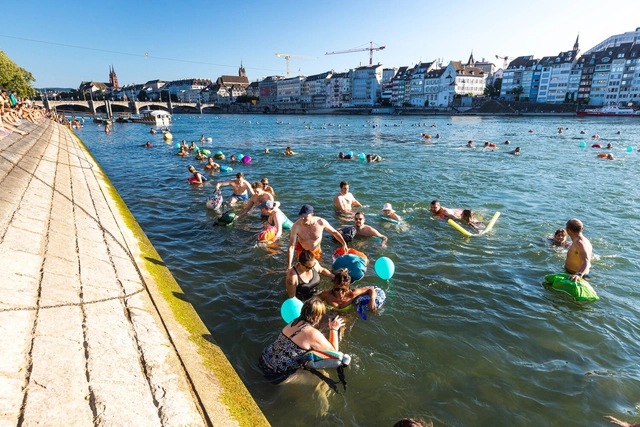
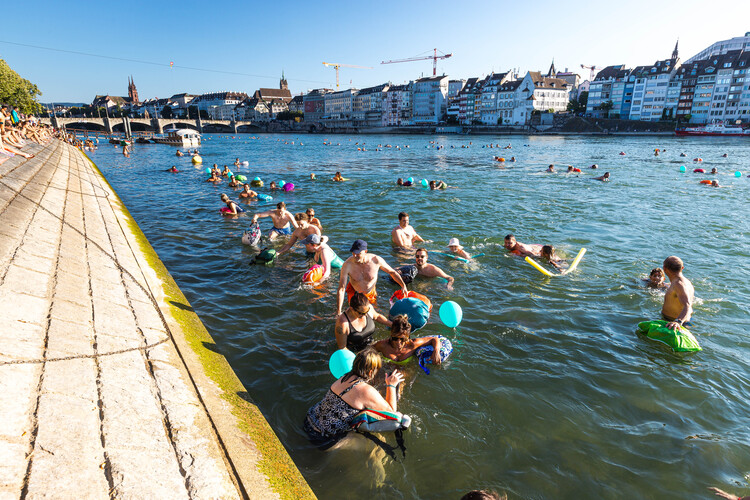
Swimmable Cities is an alliance of 153 signatory organizations across 59 cities in 22 countries, supporting the global movement for swimmable urban waterways. In the context of increasing urbanization, climate change, and biodiversity loss, the initiative aims to reclaim rivers and harbors as public spaces for communities to enjoy and benefit from bathing. It advocates for urban waterways to be made safe, healthy, and accessible for both swimmers and wildlife, calling for cross-border collaboration to develop improvement strategies and collect data to evaluate "swimmability." This call becomes especially relevant amid rising global temperatures and growing inequalities in access to public infrastructure in major cities. The movement's 10-point charter begins with the affirmation of "the right to swim," celebrating urban swimming culture and recognizing the historical significance of water.
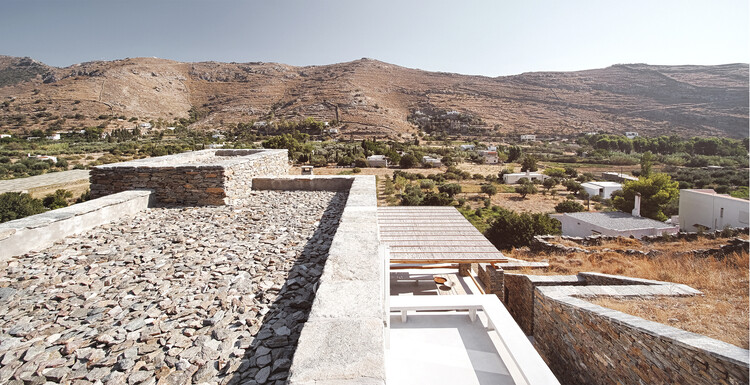
Integrating natural elements into architectural design has long been a fundamental pursuit in creating comfortable, sustainable environments that enhance both individual well-being and the relationship between buildings and their surrounding context. In areas with vast landscapes, incorporating natural elements is essential for seamlessly connecting architecture with its site. Conversely, in dense urban environments dominated by built structures, introducing greenery becomes also increasingly vital, reintroducing nature into the so-called "concrete jungle."
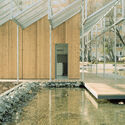
However, beyond conventional landscape features—such as water fountains, green walls, gardens, or courtyards—architects are redefining what it means to build with nature. The focus has shifted toward deeply integrating architecture with its natural surroundings, creating immersive spatial experiences that blur the boundaries between the built and the organic - in a way, "taming" nature. When successfully executed, these designs go beyond fostering well-being or promoting a healthy lifestyle; they evoke a profound sense of tranquility, power, and harmony, transforming the way we perceive and inhabit space.
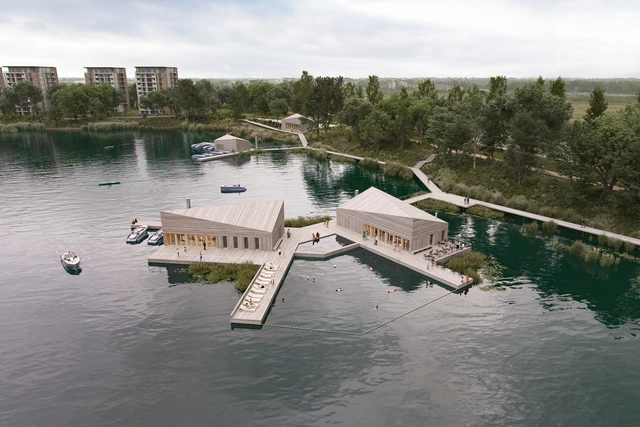
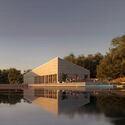
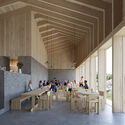
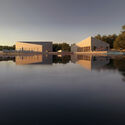
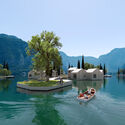
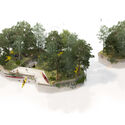
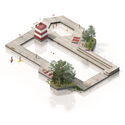
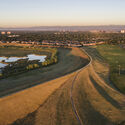
Danish Maritime Architecture Studio MAST, working together with the Municipality of Segrate, plans to transform a former sand quarry into a central park to reconnect the surrounding neighbourhoods and create a new destination for the residents of Milan, Italy. The abandoned quarry has left behind a unique landscape. The off]ice’s proposal includes a series of buildings along the lake’s perimeter linked by a public walkway and a cluster of islands in the centre of the lake. MAST is currently working with the Municipality of Segrate toward realising the project.
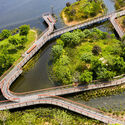
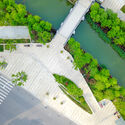
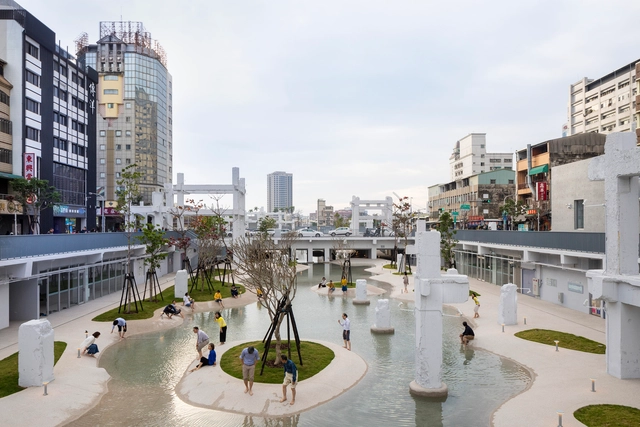
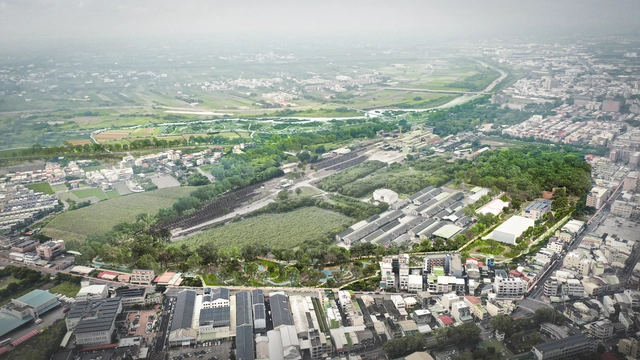
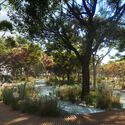
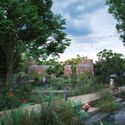
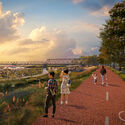
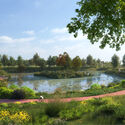
International office MVRDV has been selected by the Taiwan Ministry of Economic Affairs to design the Hoowave Water Factory, a large-scale redevelopment of Huwei’s Beigang and Anqingzhen waterways. The project combines a strategic master plan with the landscape design in an effort to move beyond the mono-functional approach for controlling and distributing water. Besides storing and capturing water, the proposal also opens up access to the river and the natural ecosystem by integrating cycling paths, cultural amenities, and ecological systems. The master plan also includes a comprehensive strategy for flood resilience while improving the quantity and quality of available water. The project is expected to be completed in 2026.
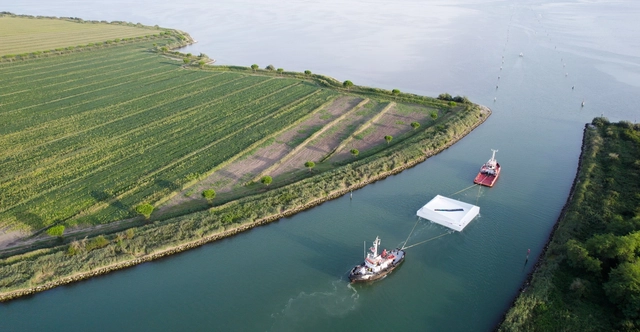
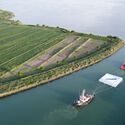
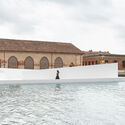
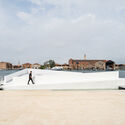
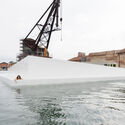
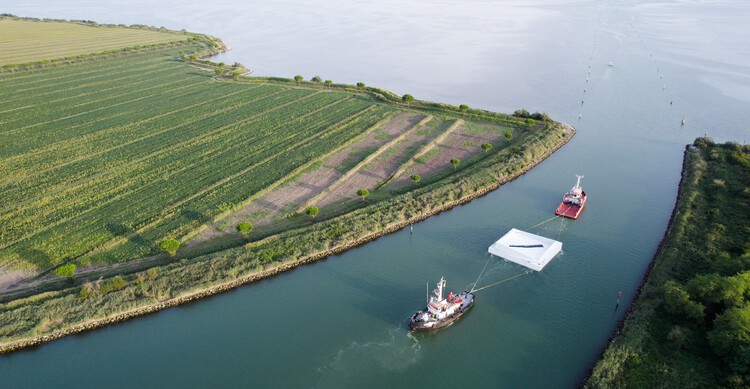
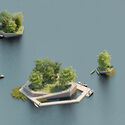
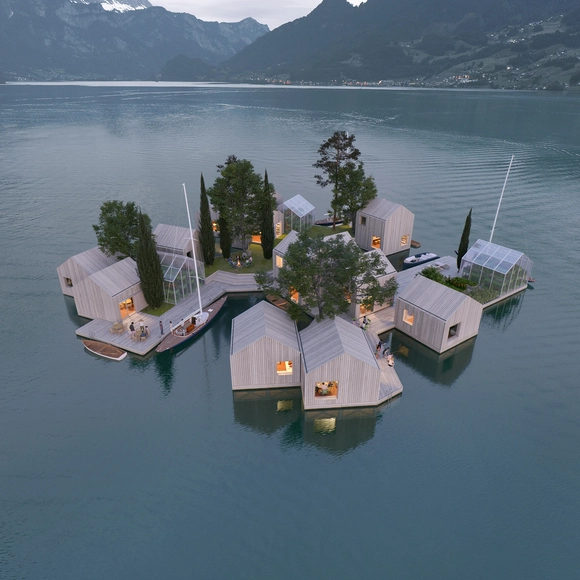
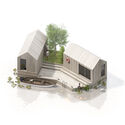
Danish Maritime Architecture Studio MAST has developed the “Land on Water” project, a system that provides an adaptable solution to building almost anything on the water: floating homes, campsites, even small parks, and community centers. The project represents a response to the acknowledgment of raising sea levels and increased risks of urban flooding, which has led to a growing interest in adapting architecture to be built on water. The “Land on Water” proposes a flexible and sustainable solution, a departure point from previous solutions, which are proven to be difficult to adapt, transport and are often using unsustainable materials such as polystyrene-filled concrete foundations or plastic pontoons. The project is developed with the support of Hubert Rhomberg & venture studio FRAGILE.
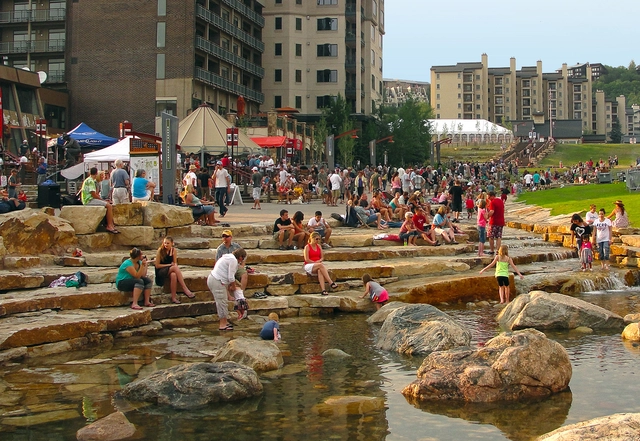
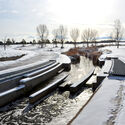
Burgess Creek Promenade, Steamboat Springs, Colorado. Image Courtesy of Wenk Associates
The need to rapidly adapt to climate change has rightfully taken center stage. But the connections between climate change and stormwater management are often overlooked. Climate change impacts the hydrological cycle by increasing water scarcity and the frequency and intensity of flooding while contaminating waterways. Better managing stormwater is key to managing water resources and protecting our safety and the health of our environment.
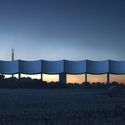
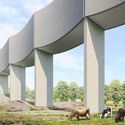
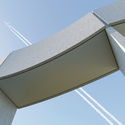
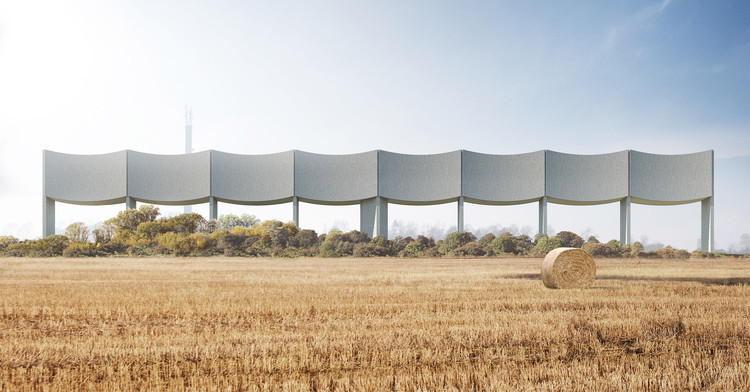
A series of concave concrete panels hoisted on slender plank-like columns sit amongst the vast rural plains of Sweden, silently redefining the typology of an otherwise utilitarian structure. White Arkitekter's recent proposal for a water tower in Varberg is a slim horizontal structure, deviating from the typical, vertical and round design. Titled VÅGA, it features two tanks for storing water within its unique shape that may actually be better suited to its purpose.