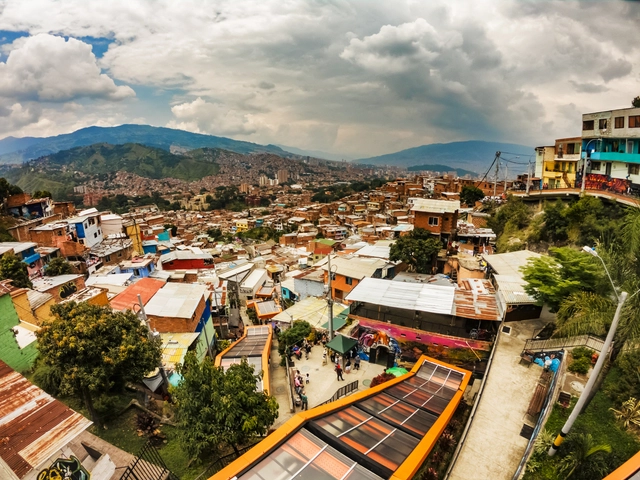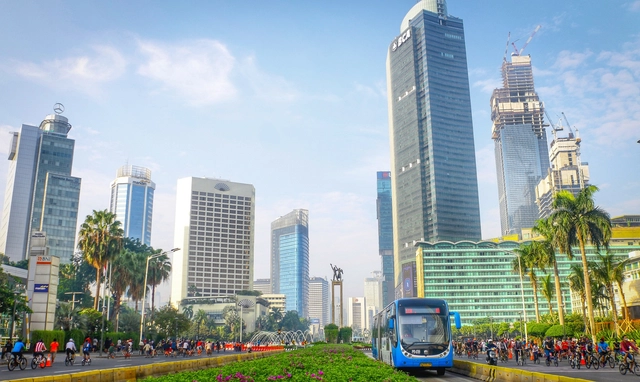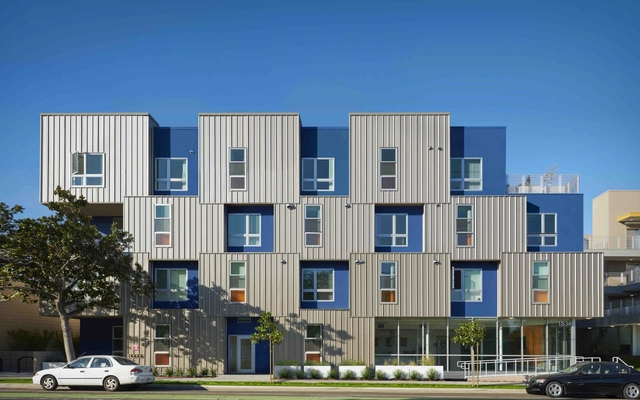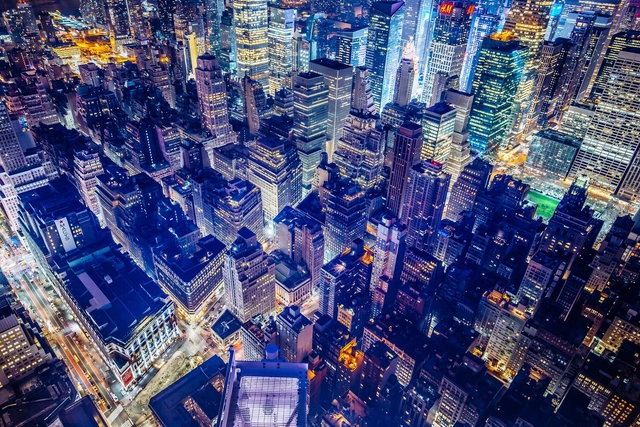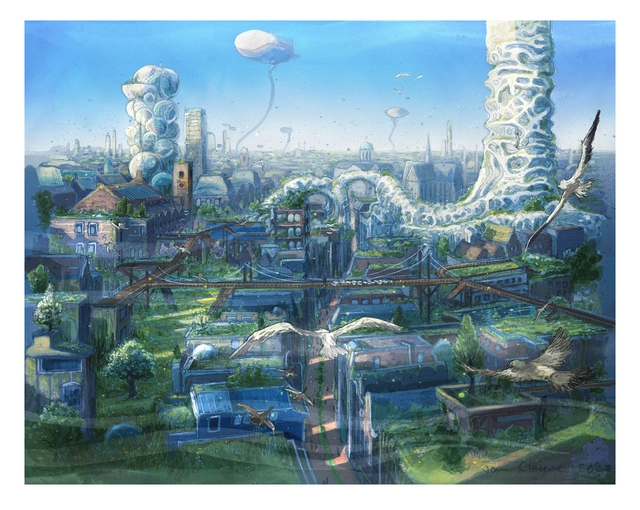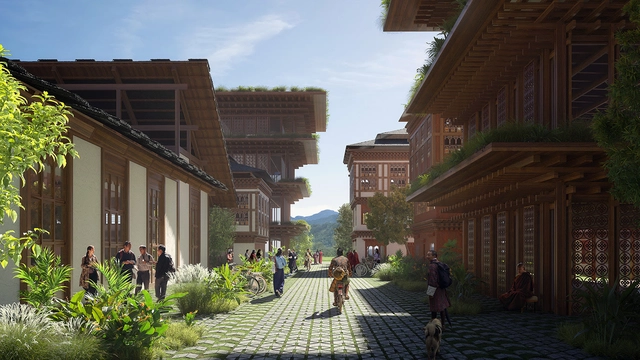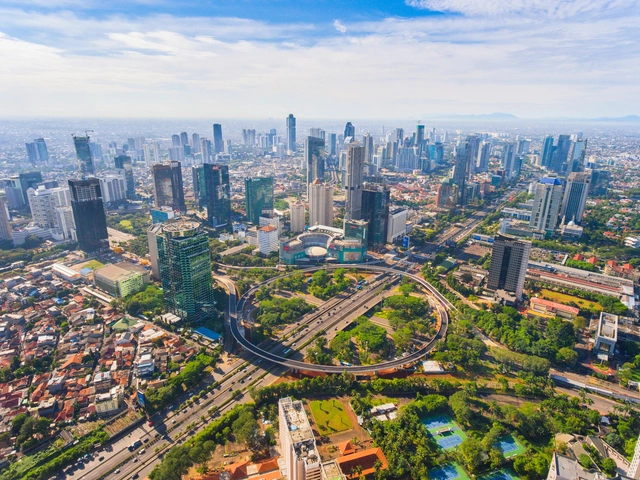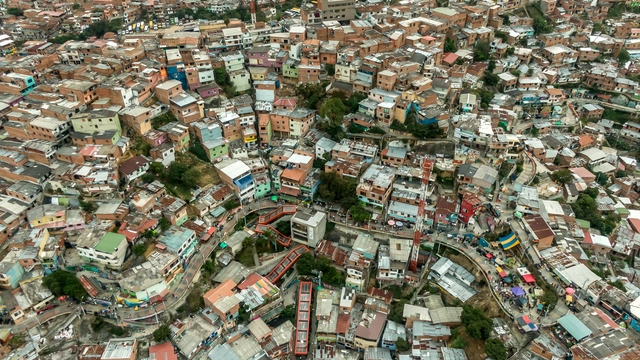
India has witnessed a surge in urbanization and population growth. As a result of natural population growth and migration, the megacities of India have experienced a continual increase in their residents. Standing as the most populous country in the world, India is at a critical junction, grappling with opportunities and challenges in molding its built environment. Population boom, however, is not a recent predicament but a persistent one that has spanned over a century. How have Indian cities dealt with population growth and the complexities it brings?
One of the principles of comedy is that you “punch up.” If you have to make fun of someone or something, make sure it’s more prominent than you, and deserving. You can’t get much higher than Santa Clara, California, and you can’t get much more deserving. Santa Clara is, arguably, the city at the heart of Silicon Valley, a globally famous urban region that is so ill-defined as to deny its own existence. Those ranch houses and corporate headquarters represent a distinctly 21st-century brand of power. And a distinctly 20th-century brand of urbanism.
Videos
Courtesy of Atrium Ljungberg | White Arkitekter
Atrium Ljungberg has just revealed Stockholm Wood City – the world's largest urban construction project in wood. Construction on the project is expected to begin in 2025, and the first buildings are expected to be completed in 2027. The initiative is a demonstration of Swedish sustainability.
The largest wood-building project in the world is now in progress, covering an impressive 250,000 square meters. The project sets a sustainable example for the real estate market, which is essential because built structures contribute a sizeable 40% of the world's CO2 emissions. Furthermore, Stockholm Wood City is set to become a turning point in sustainable architecture and urban planning. Situated in Sickla, southern Stockholm, this innovative neighborhood will offer an additional 2,000 houses and 7,000 business spaces. By merging workplaces, homes, neighborhoods, dining establishments, and retail spaces, it aims to create a vibrant and dynamic urban environment.
In the center of Cairo, The Nile River, one of the world's most iconic waterways, has shaped the course of civilization for thousands of years. Serving as a vibrant lifeline, connecting neighborhoods, and providing a bustling hub for transportation, the Nile River is an essential natural resource for arid Cairo. Throughout the country’s history, it has often been regarded as the source of life in fertility in its annual flooding, bringing richness to the surrounding lands. Interestingly, this year's edition of La Biennale di Venezia, the Pavilion of Egypt "NiLab" focused on exploring this layered water source and unfolding its effects on the built environment.
Tour Triangle . Image Courtesy of Herzog & de Meuron
The city of Paris has officially reinstated a rule that limits the height of new buildings in the French capital to 37 meters, or 12 storeys. Among the factors for the decision was the controversy surrounding the construction of the 180-meter-tall Tour Triangle, designed by Herzog & de Meuron, which began in 2021 after more than a decade of legal battles and backlash. The new urban planning regulation is introduced as part of Mayor Anne Hidalgo's Local Bioclimatic Urban Plan, which aims to reduce Paris' carbon emissions.
New Skenderbeu Stadium / CEBRA. Image Courtesy of CEBRA
Danish architecture office CEBRA has won an international competition for the design of the new Skenderbeu Stadium in Korça, Albania. The winning proposal sets the 10,000-seat stadium in a lively neighborhood to create an engaging environment for fans, active citizens, businesses, and visitors of the Albanian city. The masterplan proposes buildings and alleys inspired by the Korça typologies to create a familiar cultural experience both in and around the stadium.
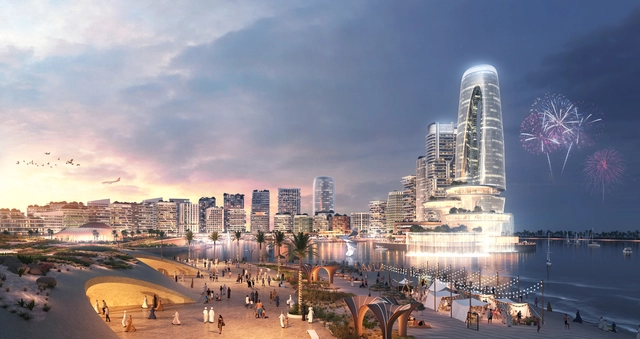
URB has revealed 'Dubai Reefs,' a floating living lab designed to restore marine ecosystems and promote ecotourism. The project's primary objective is to generate over 30,000 employment opportunities within a green economy in the city. Dubai Reefs encompasses a sustainable floating community dedicated to marine research, regeneration, and ecotourism, comprising residential, hospitality, retail, educational, and research facilities.
As its full title somewhat implies, Nicholas Dagen Bloom’s new book, The Great American Transit Disaster: A Century of Austerity, Auto-Centric Planning, and White Flight (University of Chicago Press), tells the whole grisly story of how, in less than a century, the U.S. changed from a rail-connected nation of cities and towns to a sprawling network of increasingly congested roads. A historian and a professor of urban policy and planning at Hunter College, Bloom rejects the sort of conspiracy-driven narratives around transit’s demise and comes to an uneasy conclusion: America essentially chose the car for a variety of reasons, only one of which was automobile company collusion. I talked with Bloom about why transit in the U.S. collapsed, why it turned out differently in European cities, and the hopes for a transit renaissance.
In April 2023, India achieved a significant milestone that will shape the trajectory of its urbanization going forward. According to data from the United Nations, the South Asian subcontinent is now home to over 1.4286 billion people, overtaking the former leader China’s count of 1.4257 billion. With a population boom that is estimated to grow at a 0.7% rate annually, India faces several challenges and opportunities in its path to becoming a global power.How will India’s rising demography influence its built environment?
Located in the southern part of Benin-Republic, near the port city of Cotonou, is Ganvie; the largest floating village in Africa. It is situated in the middle of Lake Nokoué and is characterized by colorful wooden stilt houses arranged around artificial islands dating back to the 17th century.
This unique architecture was born from the history of the Tofinu tribe, who built it as a refuge from the slave trade. It has been sustained over time by their communal socio-ecological aquacultural systems and has now become a global tourist attraction for the country. The village was recognized as a world cultural heritage site by UNESCO in 1996, attracting up to 10,000 visitors annually. However, this influx of tourists has impacted the locals and their socio-ecological practices that sustain this water environment. Aquaculture has become increasingly challenging to maintain as the village struggles to retain its economic foundation. Additionally, traditional building practices have given way to modern ones, and the village faces ongoing environmental challenges. Nevertheless, the unique lifestyle of the locals around the water still offers many lessons for the design of prospective floating cities.
National Museums Liverpool (NML) has revealed a revised version of the redevelopment of the city’s waterfront, led by architect Asif Khan and artist Theaster Gates. The plans include the redesign of the public spaces at Canning Dock, a historical area central to the Liverpool docks. As part of the Waterfront Transformation Project, the interventions aim to create accessible public spaces to better serve the community and to create a link between the surrounding museums. The preliminary proposal is now open for public consultation.
African cities are expected to experience a significant increase in population over the next 30 years. According to United Nations projections, these cities will welcome an additional 900 million inhabitants by 2050. This demographic shift will create both opportunities and challenges that will reshape the nature and structure of these cities. These challenges include the need for economic growth, increased demand for housing and infrastructure, and the development of supplementary transportation systems. So far, most African cities have responded to this rapid population growth with sprawling horizontal development patterns that expand the fringes of the city, increase social fragmentation, and ultimately lead to greater car dependency.
“Economic shocks, climate change, and COVID-19 have changed transportation systems in a fundamental way. We can’t waste a crisis. We can increase access to transportation while reducing greenhouse gas emissions. We can achieve more mobility with fewer impacts,” argued Ani Dasgupta, president of the World Resources Institute (WRI), at the 20th annual Transforming Transportation conference. For two days, global leaders reflected on the state of transportation systems worldwide at the hybrid event in Washington, D.C., which was also watched by tens of thousands online. The event was co-organized by WRI and the World Bank.
Transportation still accounts for 25 percent of greenhouse gas emissions worldwide and up to 30 percent of emissions in developed countries. Transportation is a diverse sector that includes sidewalks, bikes, cars, buses, trains, subways, ships, and planes.
https://www.archdaily.com/999939/twenty-years-of-transforming-transportation-where-are-we-nowJared Green
Cities need to prepare for a wave of declining houses of worship. While faith institutions, at least the Christian ones, have been asking WWJD (What would Jesus do?), municipalities need to get them to ask another question: WWJJD (What would Jane Jacobs do?). Doing so might lead to a new model for true community houses of worship.
Designed by Mecanoo, Amstel Design District is a mixed-use development that includes social housing, mid-rent residential spaces, private sector homes, and collective facilities. The 80,000 square meters master plan also provides spaces for creative offices and retail, along with cultural institutions such as the 800 square meters design museum. Located between the highway and the metro line, the project responds to site constraints and concerns about noise pollution by creating a composition of stacked volumes with setbacks. This allows for the creation of comfortable public spaces in between the buildings as pocket parks and plazas.
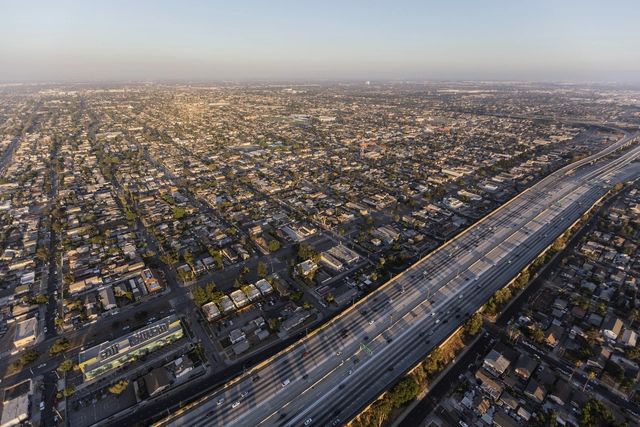
Countries around the world have urban, suburban, and rural problems- and it’s all connected by the problem itself. There are too many highway systems. In some cities that are notoriously known for their traffic jams, like Los Angeles, Minneapolis, and Atlanta, there are almost five miles of road per every 1000 residents. This has also impacted how some forms of public transit, like rail cars and busses, operate, significantly reducing their efficiency. So why do we build these superhighways, and how can we fix their congestion?
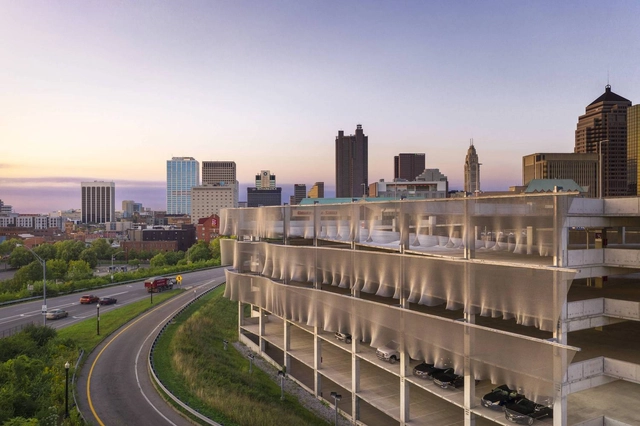
For every car that drives on the road, we need to find a place to put it- but are parking garages the answer? Parking garages are often seen as the antithesis of people-friendly urban planning. Large gray boxes are used solely to store cars that make temporary visits and seem like a poor use of space, especially in cities where land comes at a premium. Because of these garages, urban cores have quickly been transformed into parking districts, where vehicle storage dominates the aesthetic of a business district. Building codes only contribute to the problem, where the number of spaces is passed down as a mandate, even spreading out into suburban areas. Parking garages are everywhere- flanking shopping malls, connecting to residential towers, and surrounding sporting venues.