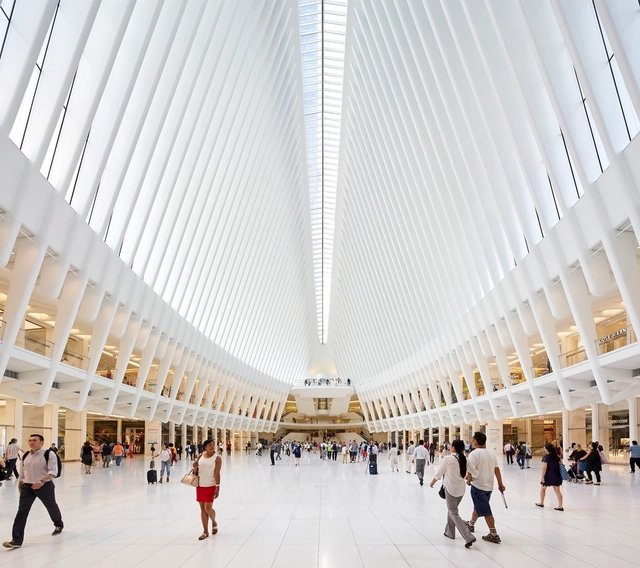
Contemporary cityscapes vary greatly from their early precedents, hosting urban life in sprawling interior spaces like mega-hotels, shopping malls, and transportation hubs. Soaring atriums and expansive concourses are now a normal part of the urban experience, allowing for public activity 'inside' the city. Interiors and urbanism are often considered at far ends of the spatial spectrum, with architecture serving as a mediator between the two. The growing significance of 'interior urbanism' in the functioning of the built environment demands the question - how can cities be reinvented from the inside out?
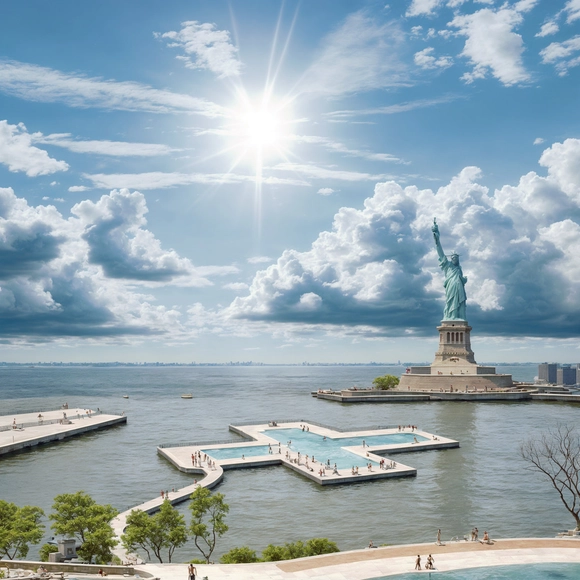
New York Governor Hochul has announced a partnership with the nonprofit Friends of + POOL to open the first urban river-sourced swimming facility in the United States. Utilizing + POOL’s design and technology, the 2,000-square-foot plus-shaped swimming pool is set to open in New York City’s East River in the summer of 2024. In 2010, four young designers, Archie Lee Coates IV, Dong-Ping Wong, Jeffrey Franklin, and Oana Stanescu, established + POOL with the goal of providing New Yorkers with access to free and safe river swimming. Now the state promised to invest $16 million to pilot and scale the system, hoping to expand it across the state of New York.
Cities are vibrant systems that hold meaning and move with the rhythm of the human life that powers it. In the fabric of urban landscapes, architects and urban designers collaborate to create spatial harmonies that extend beyond aesthetics and towards social justice and poetic expression. Citizens engage, becoming active participants in the ongoing narrative of the city - the metropolitan melody.
In 2023, ArchDaily wrote about the poetics of urbanism, exploring a future where cities meet its people’s social and emotional needs:
In the ever-evolving landscape of urban development, cities are faced with an array of challenges that demand quick and innovative solutions, ranging from the critical issue of affordable housing to the pressing need for efficient and decongested infrastructure and sustainable energy practices. As the demands of the built environment expand, local authorities worldwide are redefining policies and regulations to shape their cities. These innovative regulations can drive sustainable and consistent progress as cities stand at the intersection between their present challenges and future aspirations.
In recent years, India has emerged as a focal point for architects and urban designers from around the world. From the rich legacy of masters and emerging firms to smart city initiates being established across the peninsula, the acts of decolonization in architecture design to the evolution of a modernized vernacular, India has been demonstrating the power of supporting good architecture and urban design. This year, ArchDaily launched ArchDaily Building for Billions, a column that discusses the effects of population rise, urbanization, and economic growth on India’s built environment. Building for Billions was fueled by the recognition of changes and innovative projects washing over the country.
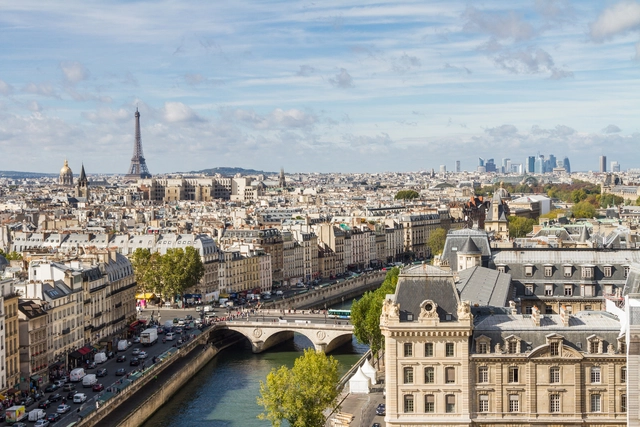
Paris MayorAnne Hidalgo has been awarded the 2023 ULI Prize for Visionaries in Urban Development, one of the most respected honors in global land use and community development. The honor comes in recognition of Mayor Hidalgo’s vision for a more inclusive and sustainable Paris and the global impact of her policies. Hidalgo, the first female Mayor of Paris, is credited with advancing ambitious policies that have reduced Paris’ carbon emissions by 40% in ten years and have increased the percentage of affordable housing. Hidalgo has also been named among Time magazine’s 100 Most Influential People in 2020.
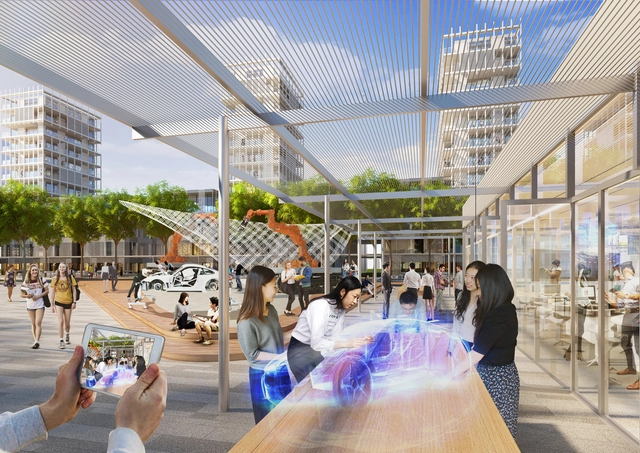
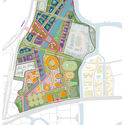
Ho Chi Minh City Innovation District / Sasaki. Image Courtesy of Sasaki
As technology and infrastructure rapidly evolve, a new buzzword finds itself in conversations across industries - innovation. The word is more relevant in light of future-facing challenges such as climate change, inequality, and economic crises. As a result of a surging interest in these concepts, innovation hubs have emerged across the world, aiming to foster creative and collaborative economies to spark quick change. What are innovation districts and how do they influence the built environment?
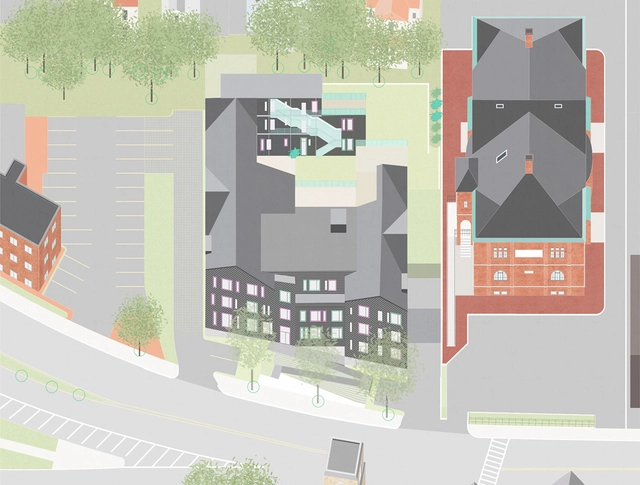
In Greater Boston's city of Malden, Massachusetts, an inter-generational community of thirty households hired an architecture firm and collectively designed their cohousing community. Responding to the cohousing community's request for collective living in an urban setting, French2D designed a typology-challenging building with individual residential units connected by a framework of shared spaces. The result is a 48,700 sqft unique and colorful type of multi-family housing. It is one of a growing number of cohousing projects in the United States.
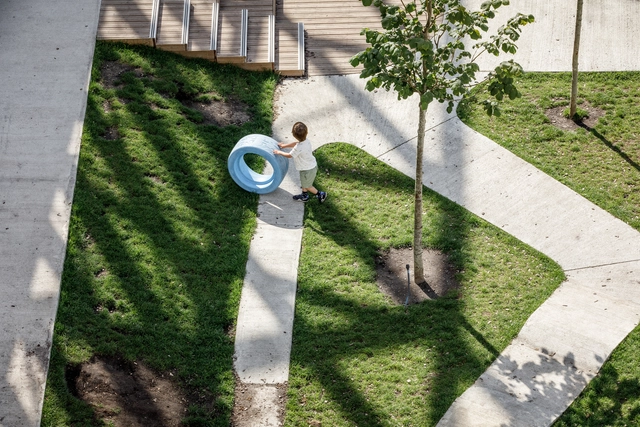
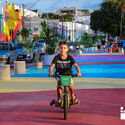
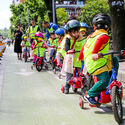
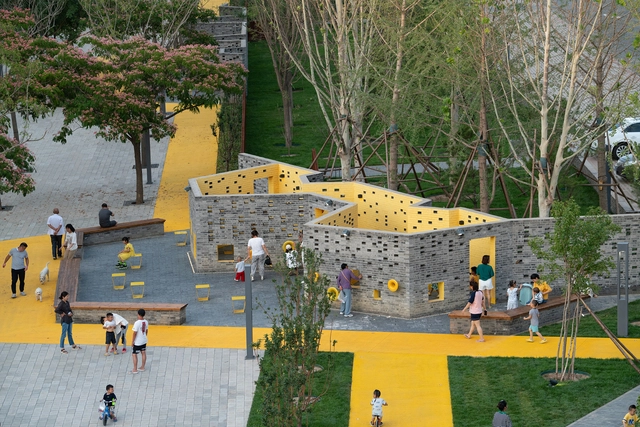
Have you ever considered how spaces are perceived, experienced, and enjoyed from a height of 95 cm? Considering urban design from the child's perspective is essential for fostering inclusive, healthy, and secure cities. Components tailored to these needs benefit children and enhance the experience for adults, the elderly, and people with disabilities. Blocks play a pivotal role in this discourse as key urban elements. These spaces provide several opportunities for utilization and adaptation within urban environments. They can be modified and designed in diverse ways, incorporating strategies to better cater to the specific needs of children.
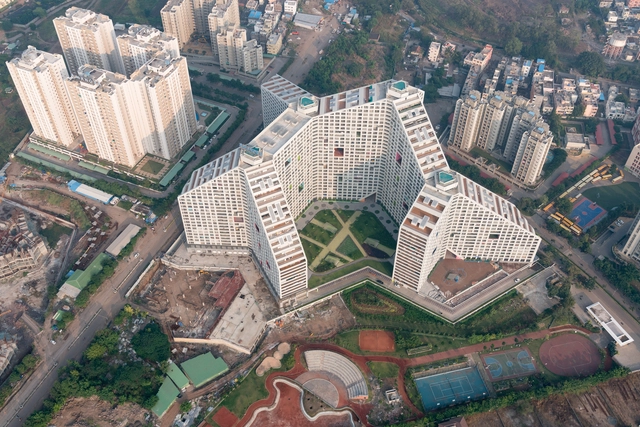
Like most countries, India faces a perpetual housing crisis. As the world’s most populous nation, with an urban population expected to grow from 410 million in 2014 to 814 million by 2050, this becomes a pressing concern. The Indian built landscape brings further complexities in the form of a pervasive market-driven approach and the need for socially relevant housing. Looking into the future, how will India address the needs of its growing population to house the next million urbanites?
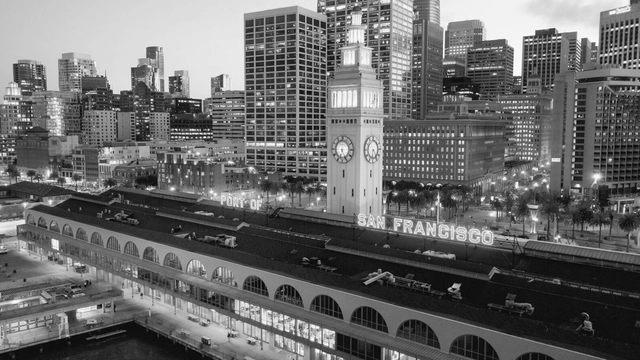
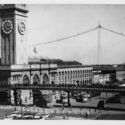
Can telling the story of one building tell a larger story about the city it’s a part of? That’s the central premise of John King’s engaging new book, Portal: San Francisco’s Ferry Building and the Reinvention of American Cities (W.W. Norton). The long-time urban design critic for the San Francisco Chronicle has written a brisk, lively history of this beloved edifice, which opened in 1898 and served as the principal gateway to the city until the emergence of the automobile (and the bridges that served them).
For decades it sat largely empty and neglected, cordoned off by the Embarcadero Freeway. After the Loma Prieta earthquake in 1989, the damaged highway was eventually removed, freeing up the Ferry Building, which was given new life as a transportation hub, food hall, and office building. Last week I talked to King about the genesis for the book, the terminal’s seminal importance to the city of San Francisco, and the threat it faces from rising sea levels.
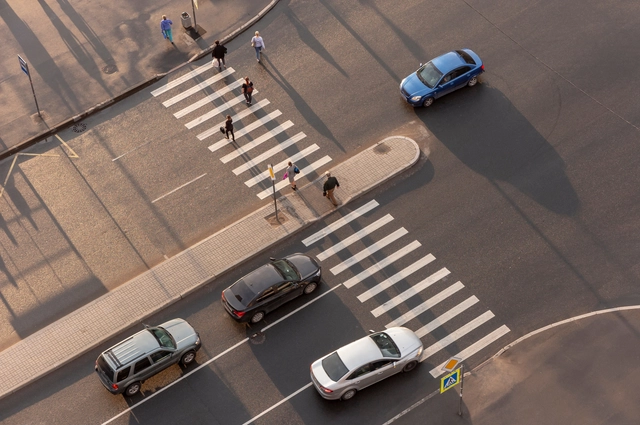
The fabric of our cities is shaped by millions of small decisions and adaptations, many of which have become integral to our experience. Nowadays taken for granted, some of these elements were revolutionary at the time of their implementation. One such element is the curb cut, the small ramp grading down the sidewalk to connect it to the adjoining street, allowing wheelchair users and people with motor disabilities to easily move onto and off the sidewalk. This seemingly small adaptation has proven to be unexpectedly useful for a wider range of people, including parents with strollers, cyclists, delivery workers, etc. Consequently, it lends its name to a wider phenomenon, the “curb cut effect”, where accommodations and improvements made for a minority end up benefiting a much larger population in expected and unexpected ways.
The Norwegian studio of Powerhouse, in collaboration with KIMA arkitektur, has won a design competition for the transformation and extension of one of the historical buildings located in the center of Landbrukskvartalet. Known as the Agricultural Quarter, a former farming and industrial site in central Oslo, the area is now scheduled to go through an urban revitalization process to be transformed into an active neighborhood based on the design philosophy of ‘new meets old’.
It has been a bull market for downbeat urban reporting since the pandemic arrived in town. And it isn’t hard to see why. In 2020, central U.S. cities went from “comeback” success stories to ghost towns; transit lost nearly all ridership; tens of thousands of stores and restaurants shuttered; and many of the affluent decamped to the suburbs and distant Zoom towns.
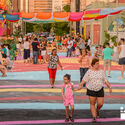
Violent cities result from social and economic inequality, which also affects the urban landscape and the way we live. In honor of International Cities Day, we have selected a series of projects to reflect on non-violent ways of using public space.
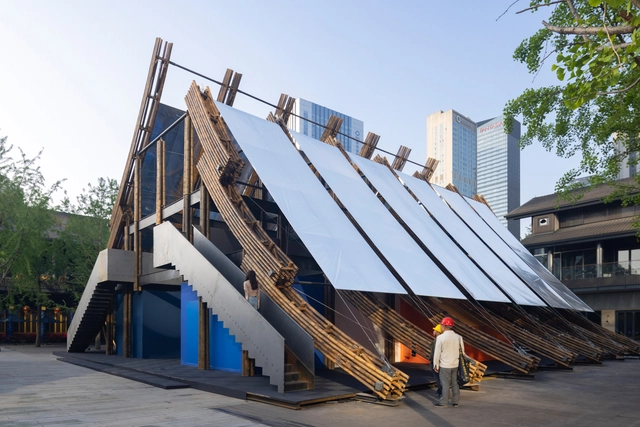
RoarcRenew Architects has been selected for ArchDaily's 2023 New Practices. In two of Shanghai's busiest commercial districts, Anfu Road and Columbia Circle, stores designed by RoarcRenew Architects attract large crowds. Within spaces covering just a hundred square meters, they meticulously design every architectural element, continuously exploring and innovating. Their recent bamboo installation, done in collaboration with Taikoo Li, is a remarkable showcase of sustainable design in commercial spaces.
Roarc Renew consistently conveys a clear architectural concept in its projects. The construction logic mirrors the fundamental principles governing our world, involving substances and joints: joints can both represent the substances in the physical world and connect them all. In their projects, Roarc Renew has introduced the JointsPavilion (JP) series for the construction system and the SoftJoints (SJ) series for home furniture systems. This allows them to utilize their expertise in creating elegant connections that simplify and enhance the beauty of various elements.
https://www.archdaily.com/1007358/designing-with-a-sustainable-and-product-oriented-approach-an-interview-with-roarcrenew-architects韩爽 - HAN Shuang