1. ArchDaily
  2. United Nations

United Nations: The Latest Architecture and News

Design for Resilient Communities at the UIA World Congress of Architects 2023

The UIA World Congress of Architects 2023 is an invitation for architects from around the world to meet in Copenhagen July 2 – 6 to explore and communicate how architecture influences all 17 UN Sustainable Development Goals (SDGs). For more than two years, the Science Track and its international Scientific Committee have been analyzing the various ways in which architecture responds to the SDGs. The work has resulted in the formulation of six science panels: design for Climate Adaptation, design for Rethinking Resources, design for Resilient Communities, design for Health, design for Inclusivity, and design for Partnerships for Change. An international call for papers was sent out in 2022 and 296 of more than 750 submissions from 77 countries have been invited to present at the UIA World Congress of Architects 2023 in Copenhagen. ArchDaily is collaborating with the UIA to share articles pertaining to the six themes to prepare for the opening of the Congress.

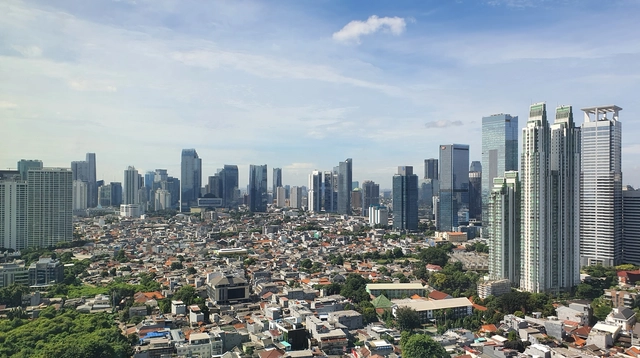
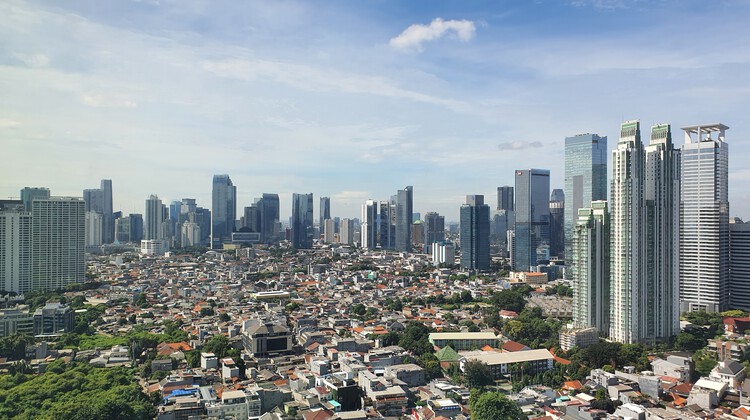
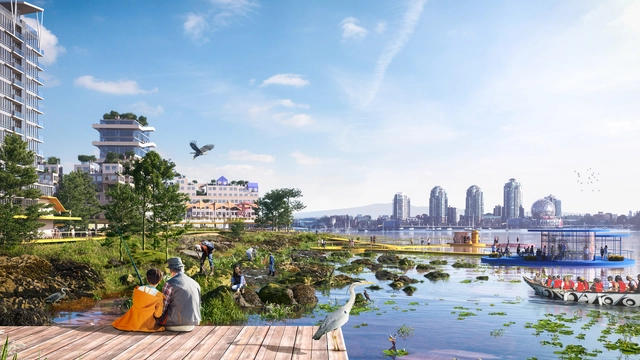
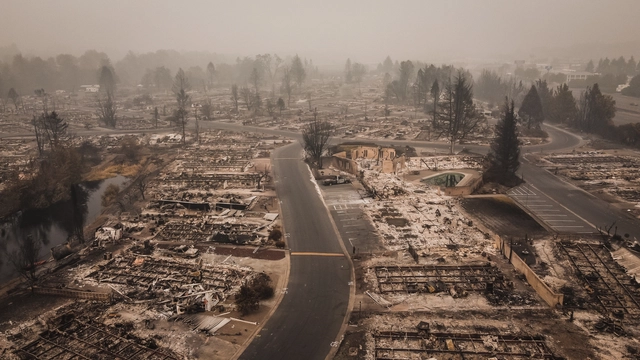
In this third feature, we met with co-chairs of Design for Resilient Communities Anna Rubbo, Senior Researcher, Center for Sustainable Urban Development (CSUD), The Climate School, Columbia University, and Juan Du, Professor and Dean of the John H. Daniels Faculty of Architecture, Landscape and Design, University of Toronto.

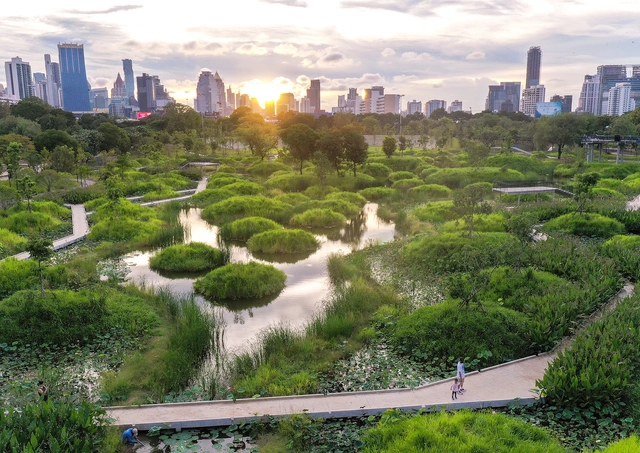
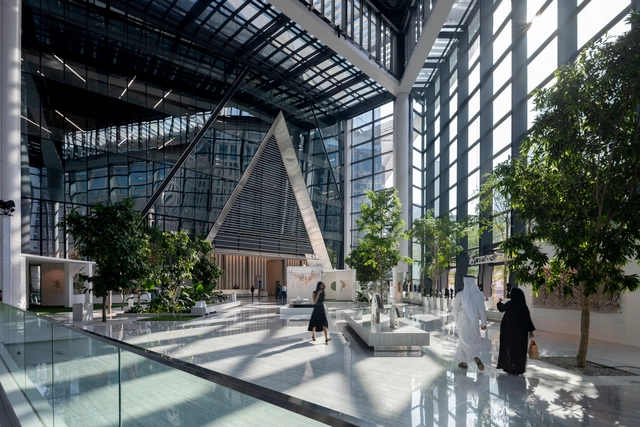
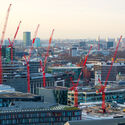
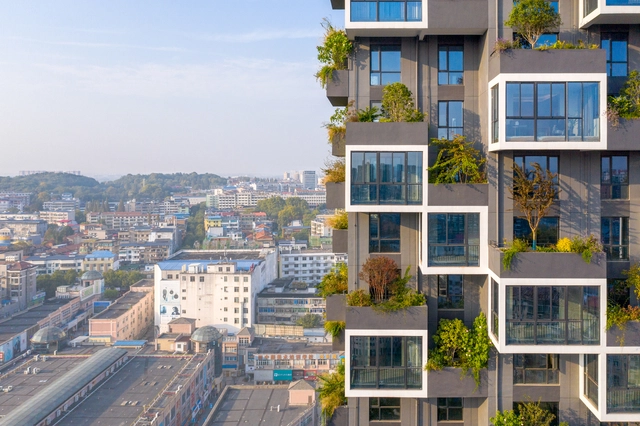
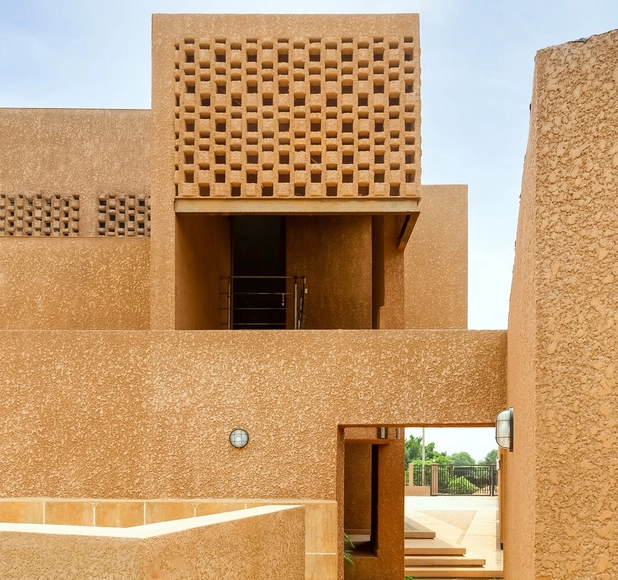
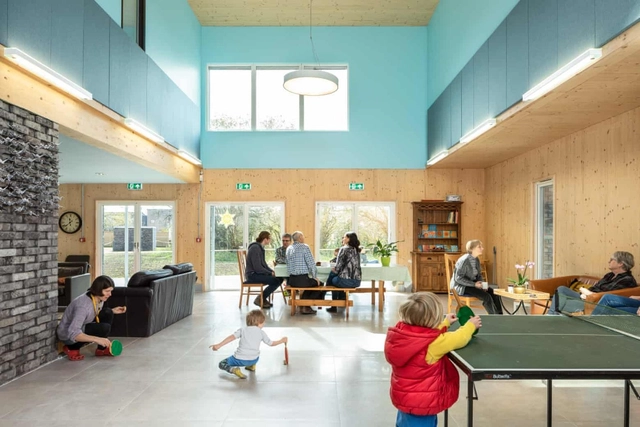
Design for Resilient Communities at the UIA World Congress of Architects 2023 - Image 1 of 4Design for Resilient Communities at the UIA World Congress of Architects 2023 - Image 2 of 4Design for Resilient Communities at the UIA World Congress of Architects 2023 - Image 3 of 4Design for Resilient Communities at the UIA World Congress of Architects 2023 - Image 4 of 4Design for Resilient Communities at the UIA World Congress of Architects 2023 - More Images+ 32

Rethinking Resources at the UIA World Congress of Architects 2023

The UIA World Congress of Architects 2023 is an invitation for architects from around the world to meet in Copenhagen July 2 – 6 to explore and communicate how architecture influences all 17 UN Sustainable Development Goals (SDGs). For more than two years, the Science Track and its international Scientific Committee have been analyzing the various ways in which architecture responds to the SDGs. The work has resulted in the formulation of six science panels: design for Climate Adaptation, design for Rethinking Resources, design for Resilient Communities, design for Health, design for Inclusivity, and design for Partnerships for Change. An international call for papers was sent out in 2022 and 296 of more than 750 submissions have been invited to present at the UIA World Congress of Architects 2023 in Copenhagen. ArchDaily is collaborating with the UIA to share articles pertaining to the six themes to prepare for the opening of the Congress.

In this first feature, we met with the Head of the Scientific Committee Mette Ramsgaard Thomsen, Professor and Head of the CITA (Centre for IT and Architecture), Royal Danish Academy of Fine Arts, School of Architecture, Design and Conservation who is also co-chairing the panel design for Rethinking Resources with Carlo Ratti, Professor and Director of the Senseable Lab, MIT, Founding Partner of CRA-Carlo Ratti Associati.

Rethinking Resources at the UIA World Congress of Architects 2023 - Image 1 of 4Rethinking Resources at the UIA World Congress of Architects 2023 - Image 2 of 4Rethinking Resources at the UIA World Congress of Architects 2023 - Image 3 of 4Rethinking Resources at the UIA World Congress of Architects 2023 - Image 4 of 4Rethinking Resources at the UIA World Congress of Architects 2023 - More Images+ 32

Copenhagen Pavilions Explore Sustainable Development Goals part of the 2023 UIA World Congress of Architects

Serving as an emblematic construction for Copenhagen’s World Capital of Architecture and UIA World Congress of Architects, the Sustainable Development Goals Pavilions in Copenhagen, Denmark, will begin appearing this spring and summer, exploring how architects can respond to the UN’s development goals. Questioning future construction, in relation to one or more of the UN's 17 Sustainable Development Goals, architects, engineers, material producers, science institutions, associations, and foundations collaborated to create each one of the different structures. The SDG Pavilions were created by numerous Danish architecture studios, including Schmidt Hammer Lassen, EFFEKT, Architects Without Borders Denmark, ReVaerk, LOKAL, Leth & Gori, Rnnow Architects, GXN, FORMA, Terroir, AART, Mangor & Nagel, NOAA Architects, Studio Coquille, Tan & Blixenkrone, ATENASTUDIO, and MAST.

Copenhagen Pavilions Explore Sustainable Development Goals part of the 2023 UIA World Congress of Architects  - Image 1 of 4Copenhagen Pavilions Explore Sustainable Development Goals part of the 2023 UIA World Congress of Architects  - Image 2 of 4Copenhagen Pavilions Explore Sustainable Development Goals part of the 2023 UIA World Congress of Architects  - Image 3 of 4Copenhagen Pavilions Explore Sustainable Development Goals part of the 2023 UIA World Congress of Architects  - Image 4 of 4Copenhagen Pavilions Explore Sustainable Development Goals part of the 2023 UIA World Congress of Architects  - More Images+ 12

The UIA World Congress of Architects 2023 Copenhagen Science Track Announces the 6 Themes of Its Agenda

The UIA World Congress of Architects 2023 is an invitation for architects from all around the world to meet in Copenhagen to explore and communicate how architecture influences all 17 UN Sustainable Development Goals (SDGs). The Science Track of the UIA World Congress has been tasked with the development of the agenda, Sustainable Futures – Leave No One Behind. For more than two years, its international Scientific Committee has been analyzing the various ways in which architecture responds to the SDGs. The work has resulted in the formulation of six themes: climate adaptation, rethinking resources, resilient communities, health, inclusivity, and partnerships for change. ArchDaily is collaborating with UIA to share articles pertaining to the six themes to prepare for the opening of the Congress on July 2, 2023.

The UIA World Congress of Architects 2023 Copenhagen Science Track Announces the 6 Themes of Its Agenda - Image 1 of 4The UIA World Congress of Architects 2023 Copenhagen Science Track Announces the 6 Themes of Its Agenda - Image 2 of 4The UIA World Congress of Architects 2023 Copenhagen Science Track Announces the 6 Themes of Its Agenda - Image 3 of 4The UIA World Congress of Architects 2023 Copenhagen Science Track Announces the 6 Themes of Its Agenda - Image 4 of 4The UIA World Congress of Architects 2023 Copenhagen Science Track Announces the 6 Themes of Its Agenda - More Images+ 29

What COP27 Meant for Architecture and the Construction Industry

The 2022 United Nations Conference of the Parties, more commonly referred to as COP27, was held between November 6 and November 18, 2022, in Sharm El Sheikh, Egypt. The conference included more than 90 heads of state and an estimated 35,000 representatives, or delegates, from 190 countries. Aimed at encouraging and guiding countries to take effective action against climate change, the next edition of these conferences, COP28, is already scheduled from 30 November to 12 December 2023, in the United Arab Emirates. The CEO of the Abu Dhabi National Oil Co, an oil company chief who also oversees renewable energy efforts in the Emirates, was appointed to preside over the negotiations and talks, which led to a wave of criticism from environmental activists.

What COP27 Meant for Architecture and the Construction Industry - Image 1 of 4What COP27 Meant for Architecture and the Construction Industry - Image 2 of 4What COP27 Meant for Architecture and the Construction Industry - Image 3 of 4What COP27 Meant for Architecture and the Construction Industry - Image 4 of 4What COP27 Meant for Architecture and the Construction Industry - More Images+ 1

During COP27, the Necessity to Achieve Net Zero Comes into Sharp Focus

Starting on November 6, world leaders are gathering in Sharm el Sheikh, Egypt, for COP27. The name stands for the 27th conference of parties, an almost annual event started under the 1992 UN framework convention on climate change (UNFCCC). The purpose of these conferences is to ensure that counties around the world are committed to taking action to avoid dangerous climate change and find ways to reduce greenhouse gas emissions globally in an equitable way. The effectiveness of these meetings varied throughout the years, with some successful initiatives, like the 2015 Paris Agreement, a legally binding international treaty adopted by 196 Parties with the goal of limiting global warming below 2, preferably 1.5 degrees Celsius, compared to pre-industrial levels.

During COP27, the Necessity to Achieve Net Zero Comes into Sharp Focus - Image 1 of 4During COP27, the Necessity to Achieve Net Zero Comes into Sharp Focus - Image 2 of 4During COP27, the Necessity to Achieve Net Zero Comes into Sharp Focus - Image 3 of 4During COP27, the Necessity to Achieve Net Zero Comes into Sharp Focus - Image 4 of 4During COP27, the Necessity to Achieve Net Zero Comes into Sharp Focus - More Images+ 1

San Marino Declaration for Sustainable and Inclusive Architecture Receives Signatures of Norman Foster and Stefano Boeri

While the United Nations has been continuously urging architects, engineers, and city shapers to put the 2030 agenda and the SDGs into action, and the IPCC report revealed intensifying climate change, sparking widespread discussion over insufficient action, the 83rd ongoing session of The United Nations Economic Commission for Europe - UNECE Committee on Urban Development, Housing and Land Management taking place in San Marino, has just issued a special declaration on “how to build better, safer, more inclusive, and resilient" cities, ahead of COP27. This set of “Principles for Sustainable and Inclusive Urban Design and Architecture”, or the San Marino declaration has gathered the signatures of Norman Foster and Stefano Boeri.

UNDP and Tosin Oshinowo Reveal Rebuilt Nigerian Village for a Community Displaced

The United Nations Development Programme (UNDP) is working with the Nigerian Government to develop Rebuilding Ngarannam, a stabilization program in Northeast Nigeria that offers a new village to a community displaced by Boko Haram. The new urban plan and infrastructure were designed by Nigerian Consultant Architect Tosin Oshninowo, who consulted with the community to create a settlement that reflects and speaks to their culture. The first phase, which includes housing and essential services like education and healthcare facilities, is set to be complete in the summer of 2022.

UNDP and Tosin Oshinowo Reveal Rebuilt Nigerian Village for a Community Displaced  - Image 1 of 4UNDP and Tosin Oshinowo Reveal Rebuilt Nigerian Village for a Community Displaced  - Image 2 of 4UNDP and Tosin Oshinowo Reveal Rebuilt Nigerian Village for a Community Displaced  - Image 3 of 4UNDP and Tosin Oshinowo Reveal Rebuilt Nigerian Village for a Community Displaced  - Image 4 of 4UNDP and Tosin Oshinowo Reveal Rebuilt Nigerian Village for a Community Displaced  - More Images+ 10

The 60th Edition of the Salone del Mobile.Milano is Now Open

The 60th edition of the Salone del Mobile.Milano is taking place from 7th to 12th June 2022 at Rho Fiera Milano. This edition has been built collectively around fundamental trains of thought and work: the opportunities and responsibility of design, inclusion and environmental responsibility, demand for and the culture of design. It will serve as a showcase for the progress made by creatives, designers, brands, and companies.

The 60th Edition of the Salone del Mobile.Milano is Now Open - Image 1 of 4The 60th Edition of the Salone del Mobile.Milano is Now Open - Image 2 of 4The 60th Edition of the Salone del Mobile.Milano is Now Open - Image 3 of 4The 60th Edition of the Salone del Mobile.Milano is Now Open - Featured ImageThe 60th Edition of the Salone del Mobile.Milano is Now Open - More Images+ 2

Tents: An Architectural Language

Subscriber Access | 

It’s a ubiquitous architectural form. An architectural typology that spans centuries and borders, a staple across cultures. The tent. In its simplest form – it’s a shelter, with material draped over a frame of poles. It’s an architectural language that is intrinsically linked to nomadic living. Yurts, for instance, functions as an easily portable dwelling for the Kazakh and Kyrgyz peoples. At the same time, tents have proved a popular stylistic precedent for architects, the lightweight structures of German architect Frei Paul Otto being a case in point. The tent is a complicated architectural language – one that straddles the line between temporary and permanent, and one that also functions as a symbol of wealth and a symbol of scarcity.

Tents: An Architectural Language - Image 1 of 4Tents: An Architectural Language - Image 2 of 4Tents: An Architectural Language - Image 3 of 4Tents: An Architectural Language - Image 4 of 4Tents: An Architectural Language - More Images+ 4

What Does the Future Hold for Coastal Cities Following the Aftermaths of Climate Change?

Subscriber Access | 

Coastal cities have always been a point of attraction for residents, tourists, and businesses. Alongside the aesthetic features, their proximity to the sea has made these cities a focal point for maritime transportation with the construction of ports, as well as hotspots for recreational and aquacultural activities. However, the past decades saw these particular regions threatened with a shortened lifespan; rising water levels, floods, and recurring cyclones, along with other natural disasters, have endangered coastal communities, putting their population, ecosystem, and built environment at risk. 

What Does the Future Hold for Coastal Cities Following the Aftermaths of Climate Change? - Imagem 1 de 4What Does the Future Hold for Coastal Cities Following the Aftermaths of Climate Change? - Imagem 2 de 4What Does the Future Hold for Coastal Cities Following the Aftermaths of Climate Change? - Imagem 3 de 4What Does the Future Hold for Coastal Cities Following the Aftermaths of Climate Change? - Imagem 4 de 4What Does the Future Hold for Coastal Cities Following the Aftermaths of Climate Change? - More Images+ 3

The IPCC’s Latest Report Highlights the Impacts, Adaptations, and Vulnerabilities of Climate Change

Following an extensive report on the impacts of climate change last year, the second installment of the Intergovernmental Panel on Climate Change (IPCC), the United Nation's body for assessing the science related to climate change, addresses the current and anticipated impacts of climate change on ecosystems, biodiversity, and human communities across the globe, along with action plans on how the natural world and human societies could adapt to these changes before reaching an "irreversible" state.

The IPCC’s Latest Report Highlights the Impacts, Adaptations, and Vulnerabilities of Climate Change - Image 1 of 4The IPCC’s Latest Report Highlights the Impacts, Adaptations, and Vulnerabilities of Climate Change - Image 2 of 4The IPCC’s Latest Report Highlights the Impacts, Adaptations, and Vulnerabilities of Climate Change - Image 3 of 4The IPCC’s Latest Report Highlights the Impacts, Adaptations, and Vulnerabilities of Climate Change - Image 4 of 4The IPCC’s Latest Report Highlights the Impacts, Adaptations, and Vulnerabilities of Climate Change - More Images+ 1

SOM Proposes to Transform the Built Environment into a "Forest" of Absorbing Carbon at COP26

"What if the built environment could be a solution to the climate crisis, rather than part of the problem? What if buildings could act like trees – capturing carbon, purifying the air, and regenerating the environment?" Responding to these questions, Skidmore, Owings & Merrill (SOM) has proposed Urban Sequoia, an architectural concept inspired by the ecosystem at the 2021 UN Climate Change Conference in Glasgow - COP26. The design features “forests of buildings" that isolate carbon and produce biomaterials that create a new ecological and resilient urban environment.

SOM Proposes to Transform the Built Environment into a "Forest" of Absorbing Carbon at COP26 - Image 1 of 4SOM Proposes to Transform the Built Environment into a "Forest" of Absorbing Carbon at COP26 - Image 2 of 4SOM Proposes to Transform the Built Environment into a "Forest" of Absorbing Carbon at COP26 - Image 3 of 4SOM Proposes to Transform the Built Environment into a "Forest" of Absorbing Carbon at COP26 - Image 4 of 4SOM Proposes to Transform the Built Environment into a Forest of Absorbing Carbon at COP26 - More Images

World’s Cities Day 2021: Resilience, Climate Crisis and Sustainable Urbanization

Subscriber Access | 

As cities grow in scale, dimensions, and amplitude, taking in 60% of the world population, the United Nations has designated the 31st of October as “World Cities Day”, an opportunity to talk furthermore about global urbanization, addressing challenges, encouraging opportunities across borders and highlighting responses. Focusing this edition on the theme of “Adapting Cities for Climate Resilience”, this day, part of Urban October, seeks to raise awareness about the climate crisis and its repercussions on the built environment.

Cities, at the center of the global challenges, are hubs for institutions, society, economy, commerce, and transportation. Understanding the importance of “Thinking the City”, we have compiled in this roundup, articles published by ArchDaily’s editors that offer planning tools and guidelines, tackle the different components of the urban realm and highlight worldwide as well as contextual questions and responses.

At COP26 Architects Plan on Urging Decision Makers to Establish Tangible Action Against Climate Change

At COP26 Architects Plan on Urging Decision Makers to Establish Tangible Action Against Climate Change - Featured Image
Photo by Danist Soh on Unsplash

The 26th UN Climate Change Conference of the Parties (COP 26) debuted yesterday in Glasgow, bringing together more than 190 world leaders, with the aim of accelerating action to reach the goals of the Paris Agreement and UN's Convention on Climate Change. Leading architecture organizations and figures are attending the two-week summit to show the AEC's industry's commitment to reduce carbon emissions and urge decision-makers to implement clear targets to achieve global climate goals.

At COP26 Architects Plan on Urging Decision Makers to Establish Tangible Action Against Climate Change - Image 1 of 4At COP26 Architects Plan on Urging Decision Makers to Establish Tangible Action Against Climate Change - Image 2 of 4At COP26 Architects Plan on Urging Decision Makers to Establish Tangible Action Against Climate Change - Image 3 of 4At COP26 Architects Plan on Urging Decision Makers to Establish Tangible Action Against Climate Change - Image 4 of 4At COP26 Architects Plan on Urging Decision Makers to Establish Tangible Action Against Climate Change - More Images

IPCC’s Latest Report Reveals Widespread and Intensifying Climate Change

The Intergovernmental Panel on Climate Change, the UN's body for assessing the science related to climate change, has recently published a comprehensive report documenting the extent of global warming. The paper provides new time estimates for crossing the 1.5 degrees Celsius threshold, urging immediate and large-scale action to reduce greenhouse gas emissions. Following the publication of the report, UK Architects Declare has issued a statement inviting decision makers to a dialogue on how to collectively address the climate crisis while at the same time calling for the design professionals to re-evaluate their practice to support meaningful change.

IPCC’s Latest Report Reveals Widespread and Intensifying Climate Change - Image 1 of 4IPCC’s Latest Report Reveals Widespread and Intensifying Climate Change - Image 2 of 4IPCC’s Latest Report Reveals Widespread and Intensifying Climate Change - Image 3 of 4IPCC’s Latest Report Reveals Widespread and Intensifying Climate Change - Image 4 of 4IPCC’s Latest Report Reveals Widespread and Intensifying Climate Change - More Images