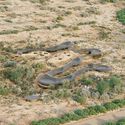
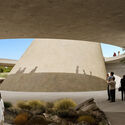
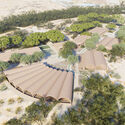
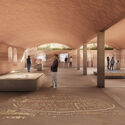
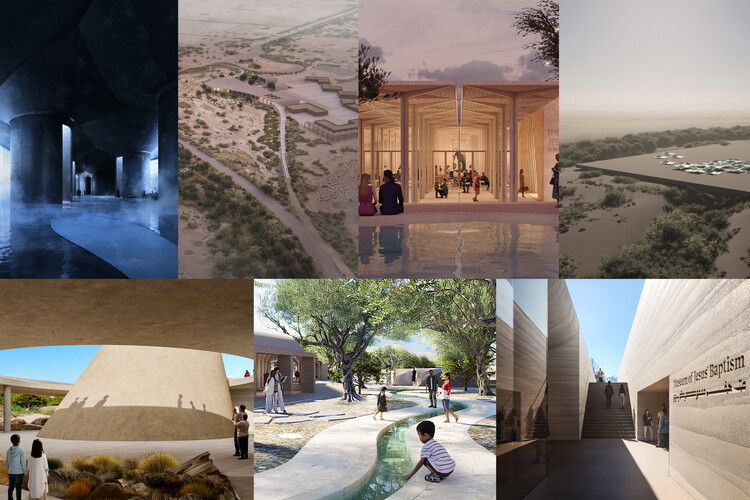
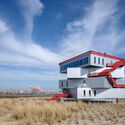
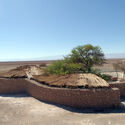
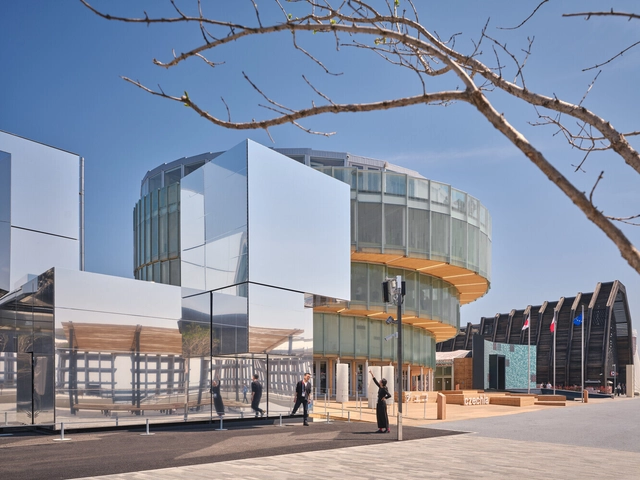
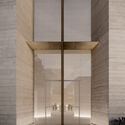
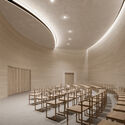
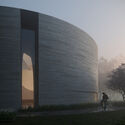
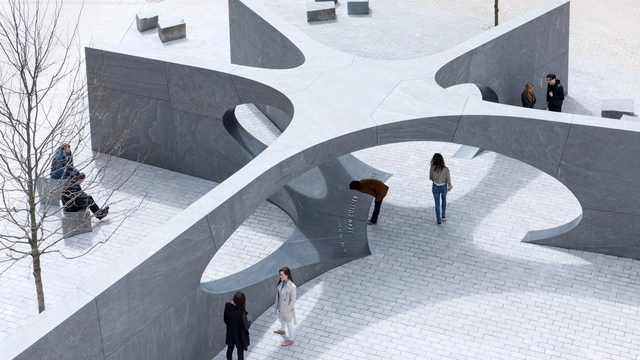
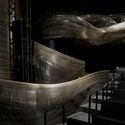
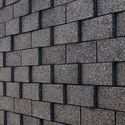
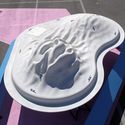
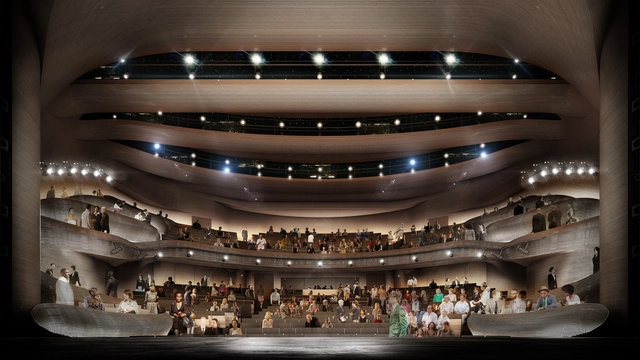
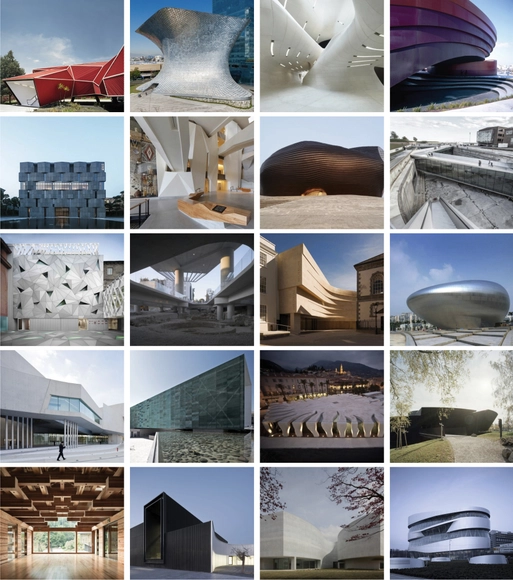
Left to right, top to bottom: AAU Anastas, heneghan peng architects, Níall McLaughlin Architects, Studio Anne Holtrop, Tatiana Bilbao ESTUDIO, Toshiko Mori Architect, Trahan Architects. Image Courtesy of The teams and Malcolm Reading Consultants
Since its inauguration this spring, Expo 2025 Osaka has captured global attention from multiple perspectives, demonstrating how architecture can function as a laboratory for exploring solutions to pressing challenges. After 55 years, Osaka is once again hosting the World Expo, with each installation organized around the sub-themes Saving Lives, Empowering Lives, and Connecting Lives. These pavilions take forms that express the identity and values of their region through distinctive architectural languages, forming the central axis of their design. Building on this foundation, some installations serve as laboratories for the future society, utilizing technology to enhance experiences both inside and outside the spaces, transforming the visit through light, sound, visuals, and movement as part of the technological innovation showcased at the event.
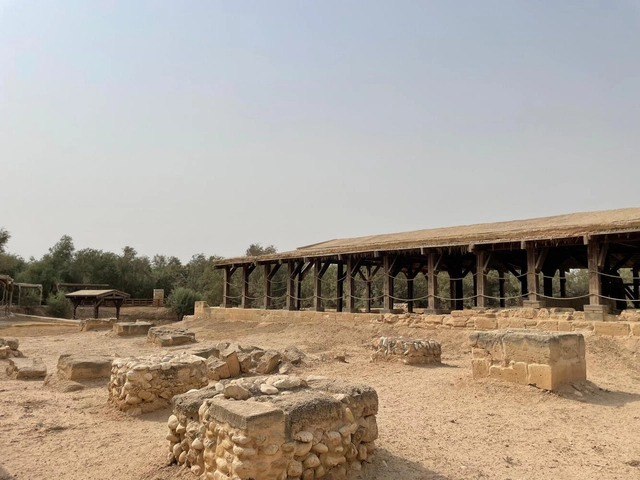
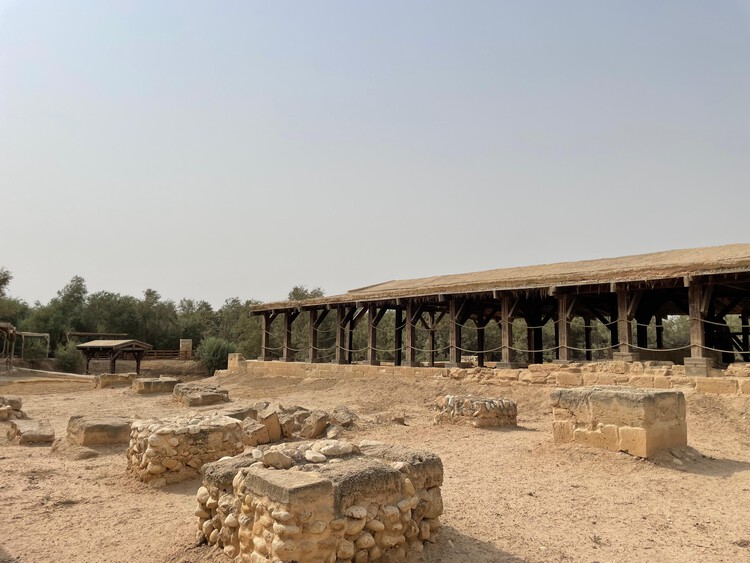
Baptism Site. Image Courtesy of Malcolm Reading Consultants
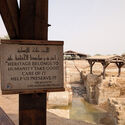
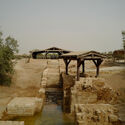
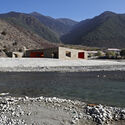
Seven international design teams have been shortlisted for the "Museum of Jesus' Baptism" at Bethany, Jordan, a cultural and spirituallandmark scheduled to open in 2030 to mark the bimillennial of Christ's baptism. Endorsed by His Majesty King Abdullah II bin Al-Hussein and led by the Foundation for the Development of the Lands Adjacent to the Baptism Site, the project is managed by London-based Malcolm Reading Consultants (MRC). The museum will be situated adjacent to the UNESCOWorld Heritage Site of "Bethany Beyond the Jordan" on the east bank of the JordanRiver, a place of Christian pilgrimage for centuries.
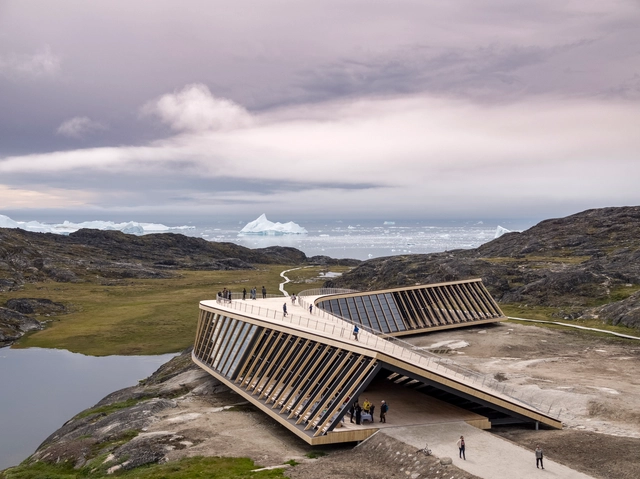
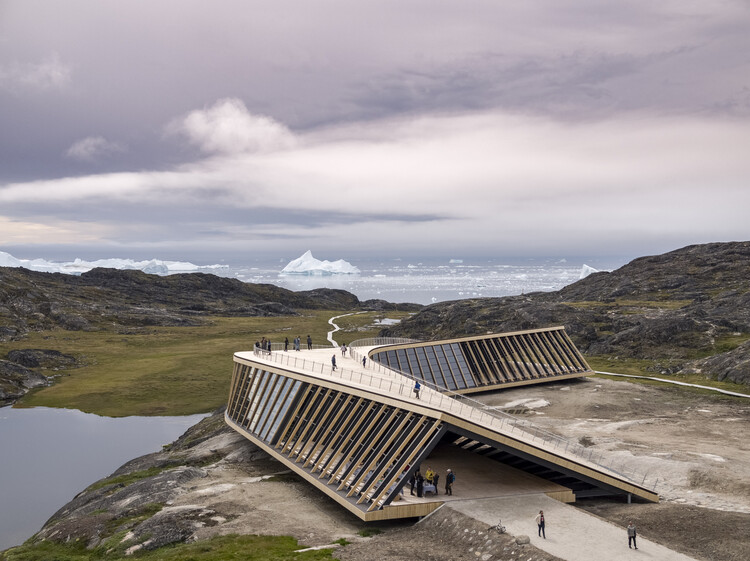
Destinations like ecological reserves, national parks, and historic sites rank among the most visited places worldwide. Motivated by different desires — from aesthetic appreciation to a longing for connection with nature — visitors are drawn to locations marked by historical importance, scenic beauty, or architectural significance. In this context, it becomes essential for the institutions responsible for preserving and managing these sites to adopt thoughtful mediation strategies — both in terms of communication and spatial design. One such strategy is the creation of visitor centers: architectural structures that not only receive guests but also educate and guide them. These buildings act as interfaces between the site and its audience, translating the ecological, historical, and cultural values of the place into architectural form.
What can a pavilion’s architecture reveal about its country? At major World Expos, national pavilions are designed to answer this question, transforming into spaces laden with symbolism. Though temporary, these structures are rich in meaning, functioning as architectural expressions of political identity. Their forms and materials encapsulate national ambitions. Expo Osaka 2025, the latest chapter in this ongoing narrative, showcases how nations increasingly use built space to construct global images of themselves—sustainable, technological, culturally distinct, and geopolitically relevant.
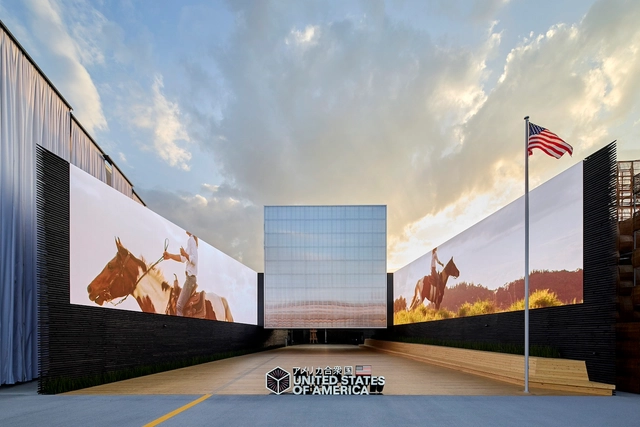
Trahan Architects has just completed the USA Pavilion for Expo 2025 Osaka-Kansai in Japan. As the public opening date, April 13, approaches, the USA Pavilion is finalizing preparations to host visitors. During the six-month expo, the proposal aims to showcase American architecture, innovation, culture, and industry. The display will be focused on celebrating contemporary American achievements in various fields, featuring exhibitions focused on sustainability, space exploration, education, and entrepreneurship.
In this episode of Design and the City - a podcast by reSITE on how to make cities more liveable – Trey Trahan, founder of Trahan Architects, discusses the importance of designing spaces that foster human connection and encourage self-reflection. With ecology and the poetics of space as core values, the work of Trahan Architects focuses on creating impactful cultural venues and in this podcast, Trahan argues for a design centred around elevating the human experience.
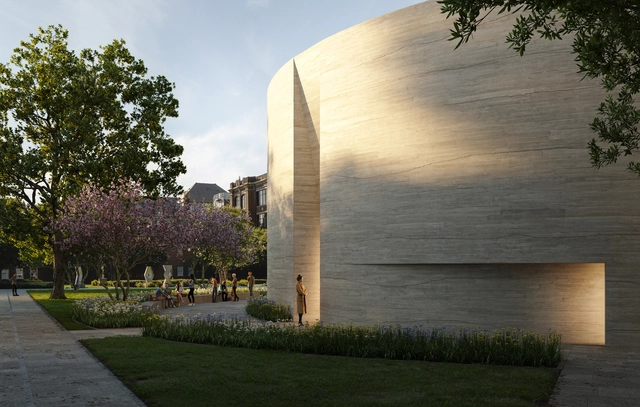
Trahan Architects broke ground on the new Chapel of St. Ignatius and Gayle and Tom Benson Jesuit Center at the Loyola University in New Orleans. The new spiritual site and the community gathering space draw on elements of the Jesuit tradition, central to the University's heritage. Through the circular design, the light-filled interior space and the predominance of natural materials, Trahan Architects creates a space of universal spirituality at the heart of the campus.
Madame Architect, the platform dedicated to the built environment and to the empowerment, advancement, and visibility of the women who work in it, has just reached a milestone, publishing over 250 interviews with the females who shape our world. “Designed to break the architect’s mold”, the website was founded 3 years ago by Julia Gamolina, an architect that shaped her own path in the field, becoming Director of Strategy at Trahan Architects, focusing on the business, its development, growth, and evolution.
Archdaily's Christele Harrouk had the chance to speak to Julia Gamolina, Founder, Editor-in-Chief of Madame Architect, and one of Professional Women in Construction's "20 Under 40", to discuss her career choices, the online magazine, the business of architecture and communication.
Videos
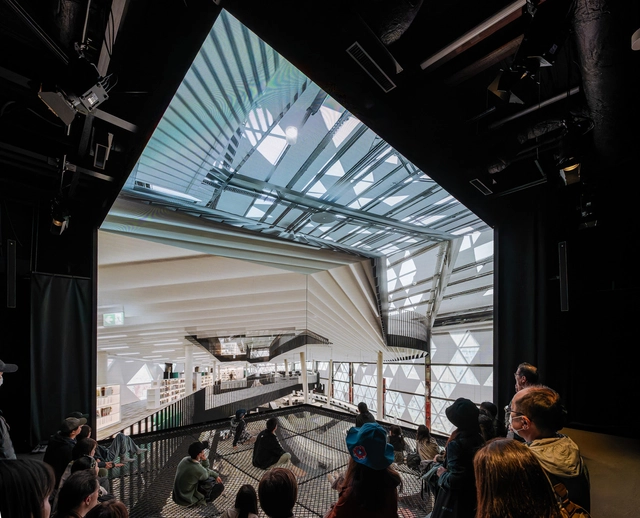
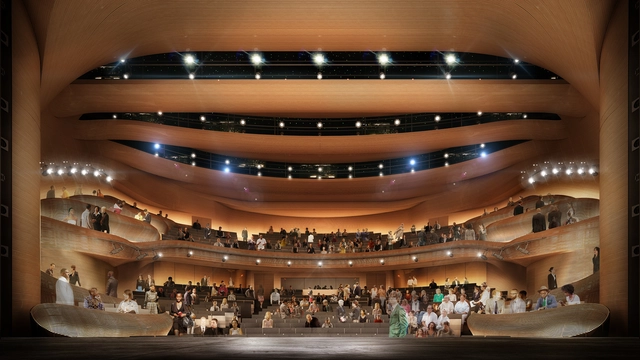
Alliance Theatre. Image Courtesy of Trahan Architects
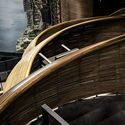
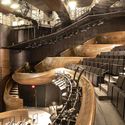
New Orleans-based Trahan Architects have wrapped the interior of Atlanta’s Alliance Theatre in steam-bent oak. Working with FARO and fabricators CW Keller, the team was inspired by the style of furniture and design artist Matthias Pliessnig. Led by founder Victor F. “Trey” Trahan and partner Leigh Breslau, the renovation has created a signature piece of cultural architecture for Atlanta.
Atlanta’s Woodruff Arts Center has tapped Trahan Architects to lead the renovation of the Tony Award winning Alliance Theatre. A cornerstone member of the Woodruff Arts campus, which is also home to Richard Meier’s High Museum and museum expansions by Renzo Piano, the project will include a complete transformation of the Alliance Stage, theater rehearsal spaces, education spaces and support facilities. Selected from a competition of over 30 firms, Trahan’s design will be the first major renovation for the theatre since its construction in 1968.
New York City's Van Alen Institute have announced four new members—Haptic Architects, Mecanoo, Studio Libeskind, and Trahan Architects—to their International Council, a platform for exchange among leading architects, designers, developers, and planners. Furthermore, Jing Liu (SO–IL), Kim Herforth Nielsen (3XN), and Raymond Quinn (Arup) have joined its board of trustees to help guide the organisation's cross-disciplinary research, provocative public programs, and design competitions.
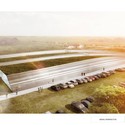
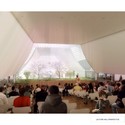
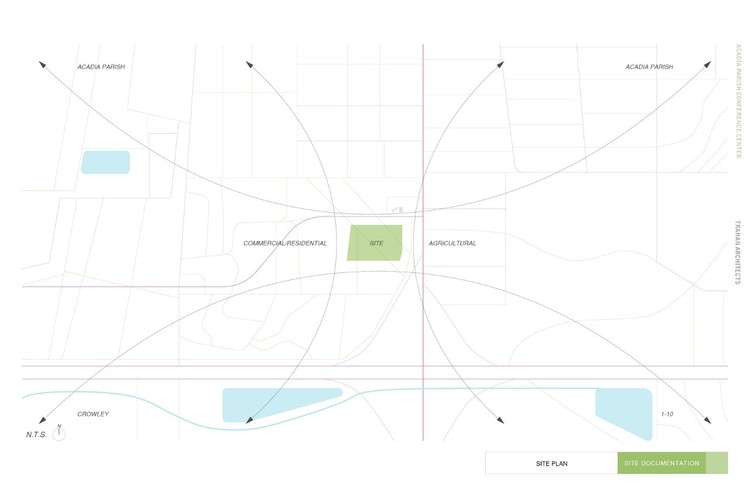
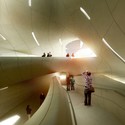
Located to the north-east of Crowley, a small town in Louisiana known to be the “Rice Capital of America”, the Acadia Parish Conference Center by Trahan Architects will mediate the threshold between the urban development to the west and the agricultural fields to the east. Envisioned as an extension of the landscape, the center creates a harmonic balance between the two environments, expressing the importance of local agricultural.
Continue after the break for more on the Acadia Parish Conference Center.
The Louisiana State Museum and Sports Hall of Fame (LSMSHOF) celebrates two seemly disconnected subjects within one contemporary venue, combining North Louisiana’s profound history with its influential world of sports. Designed by Trahan Architects, in coordination with Method Design and CASE, the new $12.6 million venue will house donated memorabilia that embodies “the contributions of the diverse cultures that have shaped the state and are crucial to understanding the unique traditions and legacy of Louisiana and the Gulf South.” A complex design, generated with the help of BIM technology, reflects the disparate subjects in one fluid structure encased within a locally inspired facade.