

-
Architects: Reign Architects
- Year: 2023
-
Professionals: Contact Engineering


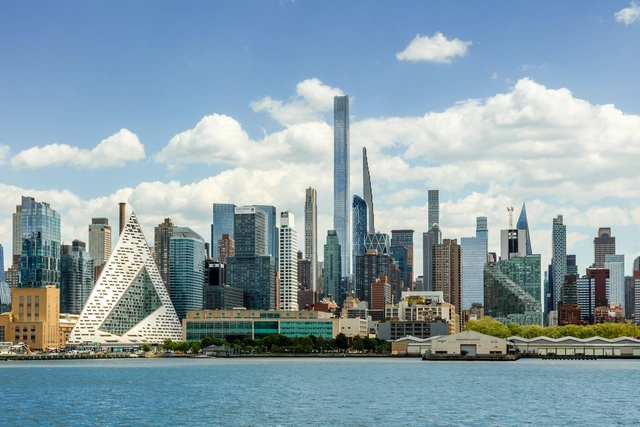
Skyscrapers are iconic symbols of modern urbanization and technological advancements all over North America. These structures are a sign of economic prosperity, urban density, and the capabilities of humanity’s ambition. In major cities across the continent, they shape the skyline and give identity to these metropolises. Cities like New York City, Toronto, and Florida utilize these cutting-edge designs to showcase power beyond their physical stature.
In general, skyscrapers are characterized by their remarkable height and pioneering engineering capabilities. They use advanced materials such as steel, glass, and concrete and serve as multifunctional spaces, ranging from housing to hotels and offices. Architects all around the world continually push the boundaries of architectural creativity, design, sustainability, and functionality while crafting these buildings. The structures allow architects to maximize land use in new ways, tackling densely populated urban areas.
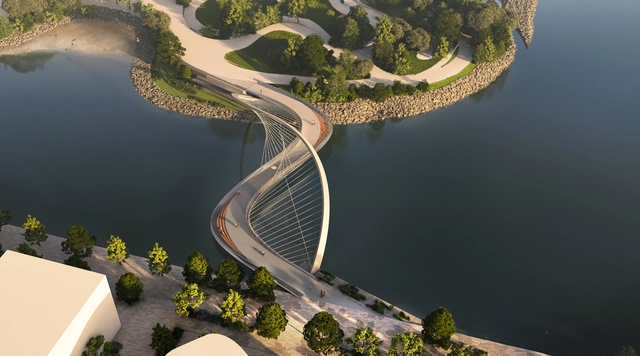
WilkinsonEyre has just been selected to design the new Equinox Bridge in Toronto, Canada. Designed in collaboration with Zeidler Architecture, Two Row Architect, and Arup, this bridge will connect the central waterfront to Villiers Island and the expanded park system along the new mouth of the Don River. Selected through a competition commissioned by Waterfront Toronto and the City of Toronto, the bridge seeks to foster a connection between people and water.

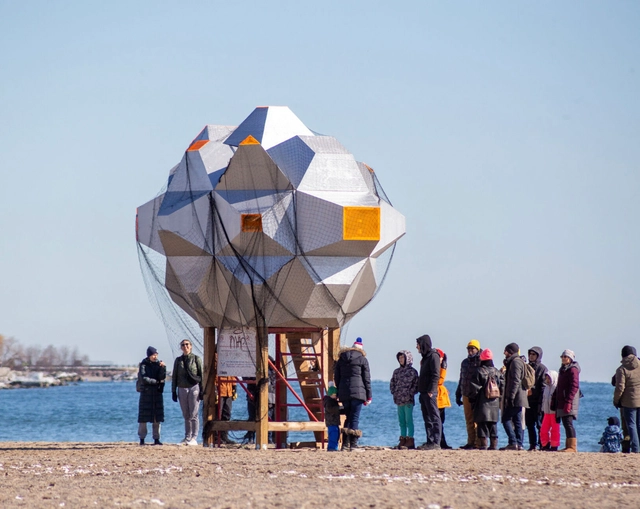
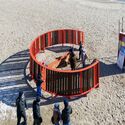
Winter Stations, now in its 10th year, has unveiled the winning designs selected from a pool of hundreds of submissions worldwide. Following an international design competition launched in November 2023, designers, artists, and architects contributed with bold proposals to reimagine the lifeguard stations along Toronto’s east-end beaches for the winter. Launched by RAW Design, Ferris + Associates, and Curio in 2014, the event aims to gather an international design and art community to join in this playful exercise of rethinking public spaces through bold temporary interventions. The winning designs were realized with the support of Anex Works, a Toronto-based fabrication group, and will be on display until the end of March.
For its 10th anniversary edition, the chosen theme for this year is “Resonance,” hoping to challenge designers to reflect on the artistic legacy and enduring impact of the Winter Stations and to embark on a journey of reinvention and reimagination. The projects were invited to recreate and reinvent installations from previous Winer Stations editions, offering moments of contemplation and remembrance. The event also continues the tradition of the Lifeguard Sands, inviting designers to incorporate them into their designs without structurally altering the stands in any manner.
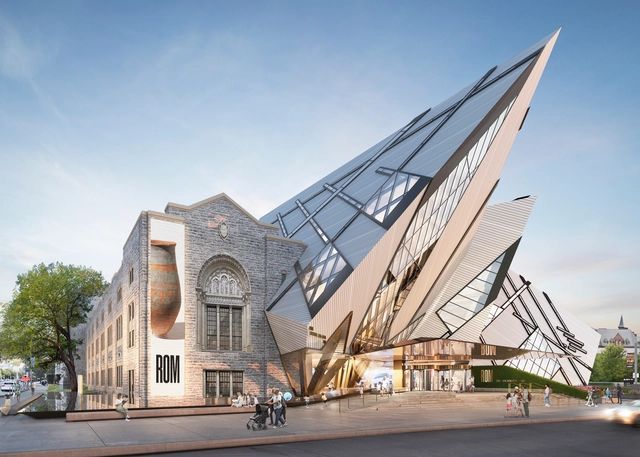
The Royal Ontario Museum (ROM) in Toronto will undergo an architectural transformation designed by Hariri Pontarini Architects. As one of the largest museums in North America and the largest in Canada, the architects have transformed its ground floor and the Bloor Street entrance, introducing an interior plaza “pulsing with activity and artistic expression.” Dubbed OpenROM, this multifaceted endeavor aims to “open the museum up even more to the public,” revolutionizing the museum experience and making it more accessible for the 1.4 million annual visitors of the cultural institution.
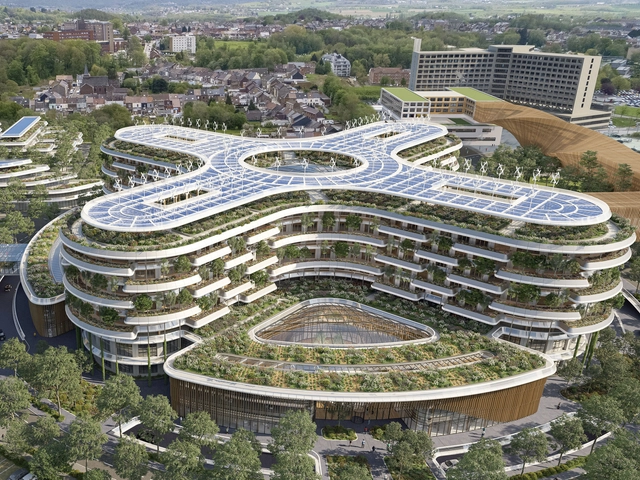
In constantly changing industry of architectural design, the rebirth of organic shapes stands as a testament to the power of design. “Following years of linear, clean-cut, and refined spaces, curved silhouettes were revived, became one of the dominating interior design trends across the world.” Aiming to redefine the boundaries of physical spaces and conventional forms, these curves are often times inspired by nature. In fact, organic architecture symbolizes a departure from the static, reflecting the essence of our technological age.
This curated selection of the Best Unbuilt Architecture highlights projects submitted by the ArchDaily community that demonstrate the use of organic shapes in various forms of architecture and program use. Many times, organic architecture stands as a testament to what we are able to make in 2024, innovating in structural and material technology. From Vincent Callebaut’s HospiWood to Zomorrodi & Associates’ Cadence Art Center, these instances showcase this shift in desigin thinking. Whether its a residential villa in the United States or a resort centered around a curved pool in the Netherlands, organic architecture has been trending globally.


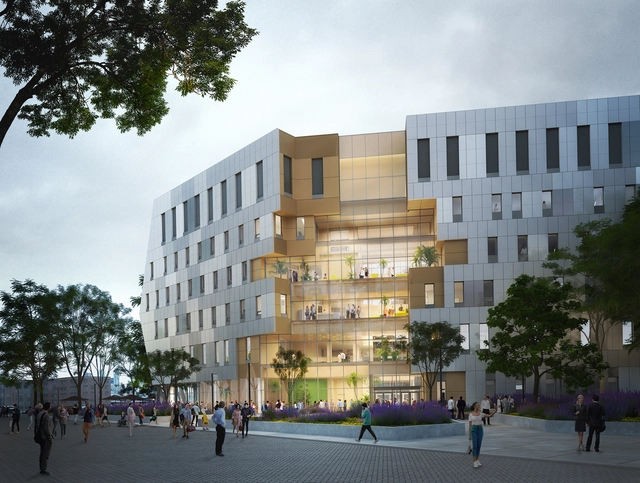
Diamond Schmitt and MVRDV have unveiled the design for a new building for the Scarborough Academy of Medicine and Integrated Health (SAMIH) at the University of Toronto’s Scarborough Campus. The new addition, featuring laboratory spaces, classrooms, and offices, aims to function as a communal and gathering space for the community. The functions are distributed around a five-story atrium that opens toward the exterior on both sides of the building and establishes a destination point within the pedestrian flows of the campus. Solar panels integrated into the façade help power the building, while the warm finishes of the interior contribute to creating a welcoming atmosphere.
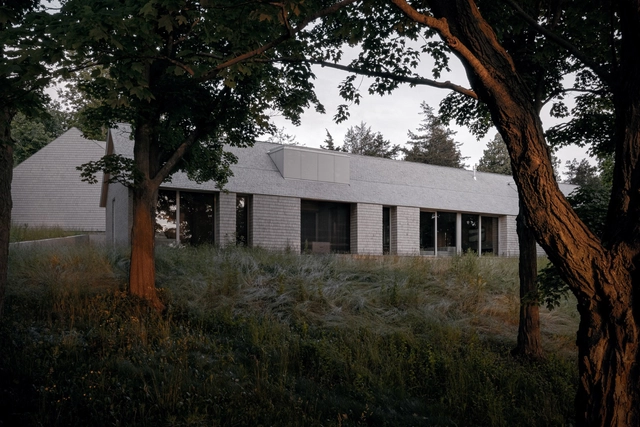
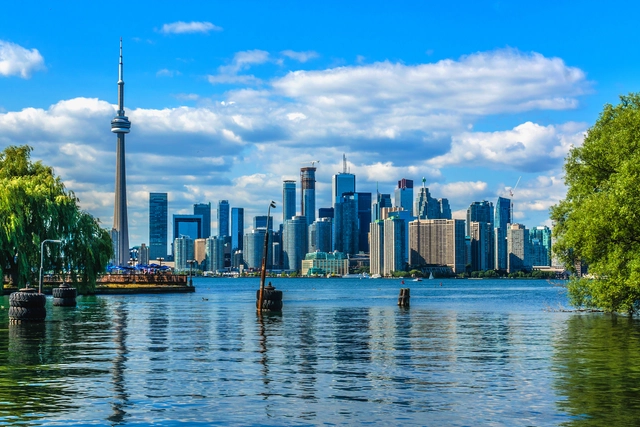
Whether rain or shine, Toronto is a yearlong bustling city, the largest in Canada and the fourth largest in North America. It’s become a cosmopolitan center with its renowned business district and cultural venues/ events that come alive during the summer and early fall nights. Toronto suggests a beautifully diverse urban setting between shimmering high rises and smaller brick houses, intertwining residential and vibrant commercial areas, public parks, and even beaches. All become part of the city's striking skyline, crowned by the iconic CN tower.
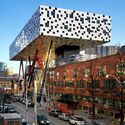
Toronto’s ongoing sprawl and constant urban development are noticeable as new projects spread through the city, weaving themselves into the existing buildings, from 19th-century landmarks such as the Gooderham Building to modern and contemporary major works like the Aga Khan Museum. These new constructions include increasing adaptive reuse and retrofitted projects throughout the city as more efforts and incentives are provided to reduce carbon emissions.

The window for solving climate change is narrowing; any solution must include embodied carbon. The Sixth Assessment Report published by the IPCC (Intergovernmental Panel on Climate Change) concludes that the world can emit just 500 gigatonnes more of carbon dioxide, starting in January 2020, if we want a 50 percent chance of staying below 1.5 degrees. In 2021 alone, the world emitted about 36.3 gigatonnes of carbon, the highest amount ever recorded. We’re on track to blow through our carbon budget in the next several years. To quote the IPCC directly: “The choices and actions implemented in this decade will have impacts now and for thousands of years (high confidence).”
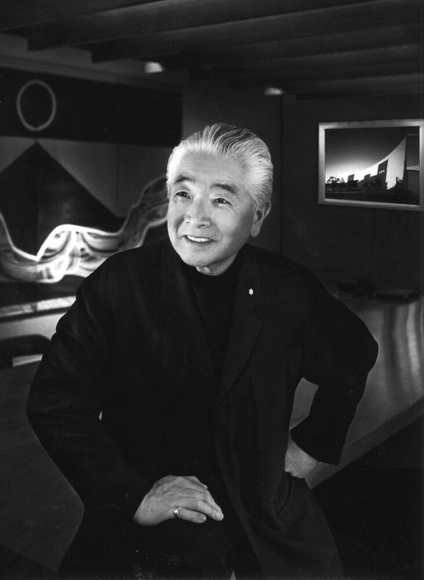
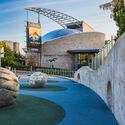
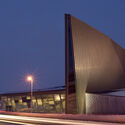
Visionary architect Raymond Moriyama, co-founder of Moriyama Teshima Architects and the designer behind some of Canada’s most influential buildings, has passed away at the age of 93. Renowned for designing major buildings across the world, including the Canadian War Museum, Ontario Science Center and the Canadian Embassy in Tokyo, Moriyama focused on creating humane buildings reflecting ideals of democracy, equality, and inclusivity. Moriyama passed away on September 1st, 2023, according to a statement from his firm, Moriyama & Teshima Architects.
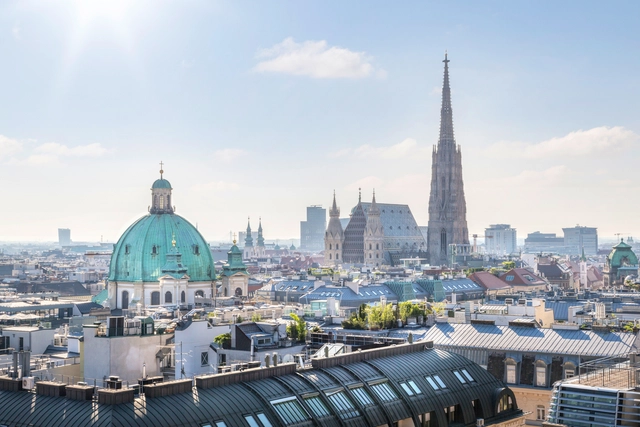
For the second consecutive year, Vienna is the world’s most liveable city according to The Economist Intelligence Unit (EIU) 2023 Global Liveability Index. Topping the ranking for the fourth time in five years, Vienna has excelled in stability, culture and entertainment, and reliable infrastructure. Copenhagen in Denmark maintained its second position while Melbourne and Sydney came in third and fourth position, rising to the top 5 where they previously had a consistent presence among the leading positions, before the pandemic.
Under the titles of Optimism and Instability, this year’s global index score has returned to pre-Covid-19 days, highlighting that the world has fully recovered from the pandemic. Ranking living conditions in 173 cities based on stability, health care, culture and environment, education, and infrastructure, the survey suggests that nowadays, “life in cities is a bit better than at any time in the past 15 years”, although Stability scores dropped on average in 2023, due to worldwide clashes, political disruptions, social protests, inflation, and wars.