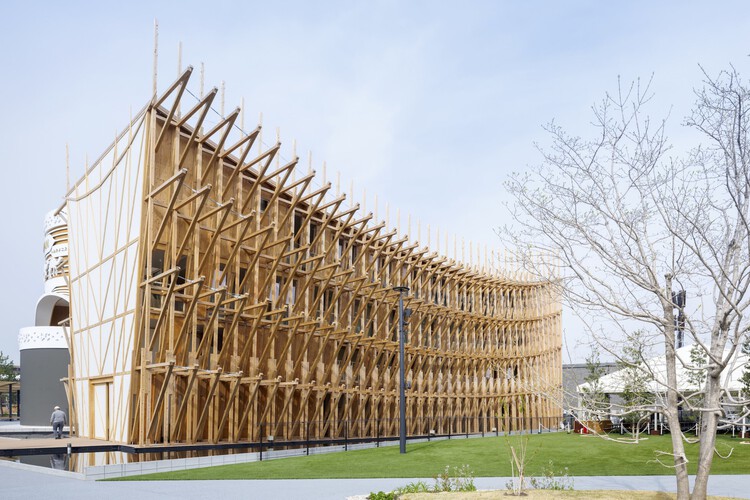
In 2025, the architectural field has been marked by a dense calendar of exhibitions, a measured slowdown in construction across multiple regions, and a period of reflection that scrutinizes the impact of intelligence (artificial and natural)—both on professional practice and workplace culture, as well as its use as a pedagogical tool. Over this calendar year, ArchDaily has published more than 30 interviews in a range of formats—Q&As, in-person conversations, video features, and more. These exchanges have engaged themes of sustainability and nature, housing and urban development, AI and intelligence, adaptive reuse and public life, and have closely followed major exhibition platforms including the Venice Biennale, Expo 2025 Osaka, Milan Design Week, Concéntrico, and others.
The prestigious BAUMunich, the world's leading trade fair for architecture, materials, and systems, served as the stage for Orama Minimal Frames' latest innovations in architectural frame technology. The exhibition offered a platform for industry connections and showcased advancements that challenge conventional boundaries in frame design.
The future of cities has long been defined by intelligence: networks of sensors, data, and engineered systems. From traffic-flow algorithms to climate dashboards, the smart city promised to make urban life optimized, measurable, and predictable. Yet amid this technological abundance, something essential feels absent: sensitivity. Cities are becoming increasingly equipped to process information but less able to perceive atmosphere, emotion, or care.
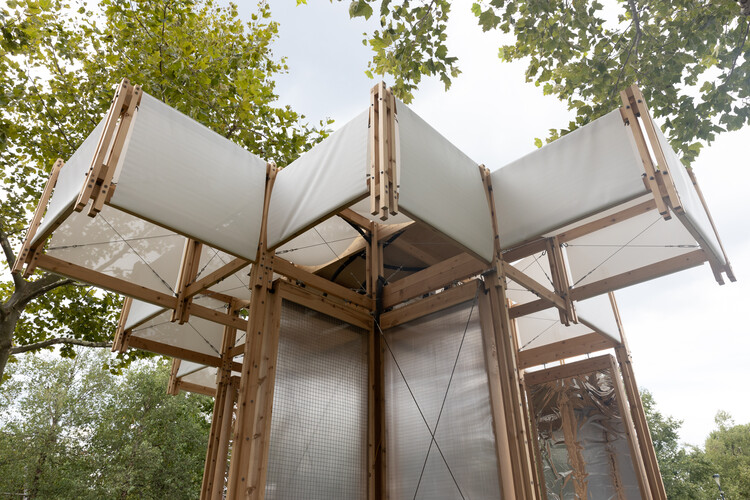
As recent global debates on urban innovation reveal, the next challenge is not about adding more devices but cultivating new forms of awareness. A sensitive city listens to its climate, adapts to its inhabitants, and responds to the subtle rhythms of the environment. In this shift from computation to perception, architecture and urban design are rediscovering intelligence as a form of empathy.
For monuments worthy of sustained admiration, conservation practices have been selectively mobilized to reinforce their prestige and secure their place at the center of heritage narratives. Structures whose vernacular ought to be passed down miss the discerning eye of the experts. Rowhouses, shopfronts, and neighborhood structures that form the fabric of our cities are often left to deteriorate beyond repair. Much more is lost, apart from aesthetics.
The conversation around AI in architecture has shifted from hype to application. Architects and designers now want to understand how the intelligent use of AI-powered tools can drive innovation and create a competitive advantage. Yet, as curiosity and optimism grow, firms also face concerns about the ethical and legal questions surrounding AI adoption.
Behind layers of plaster, paint, and finishes lies an intricate network of pipes, electrical conduits, beams, and other structural elements that make a building function and stand, yet remain invisible to the everyday eye. Within these layers, traces of different periods accumulate: replaced systems, improvised adaptations, and technical solutions that once responded to specific contexts and urgencies. In adaptive reuse, the greatest challenge often begins before construction even starts, which is understanding what lies within when little or no reliable documentation exists. During a renovation, pleasant or unpleasant surprises are inevitable. The unexpected is part of the process, but it also represents cost, delay, and risk factors that often discourage investors and professionals from engaging in this type of project.
The practice of combining materials to achieve better performance has accompanied humanity since the earliest constructions. One of the first known examples emerged over five thousand years ago, when civilizations in Mesopotamia and Egypt mixed mud and straw to mold sun-dried adobe bricks. Light and fibrous, straw prevented cracking and increased strength, while mud acted as a binder and protection. This simple yet ingenious invention can be considered the first composite in history, illustrating the ancestral intuition that distinct materials, when combined, can become something stronger and better.
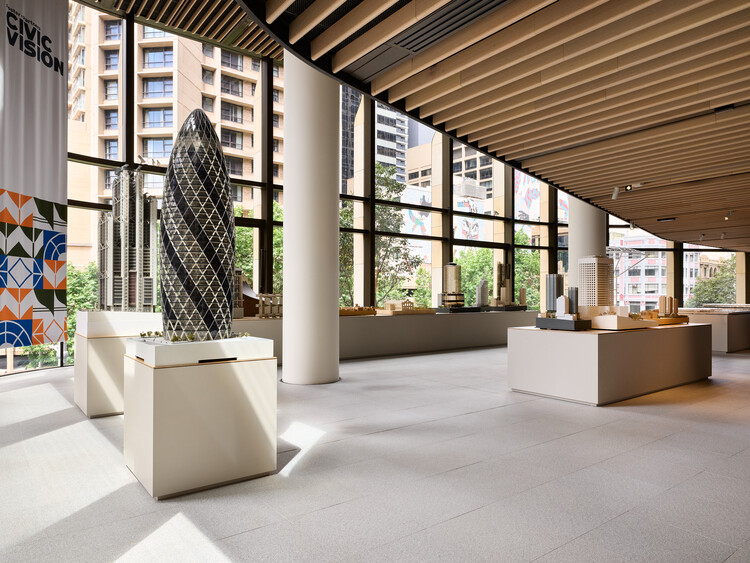
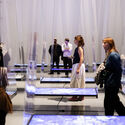
Foster + Partners has opened Civic Vision, the first comprehensive exhibition of the practice's work to be presented in Australia. On view until December 21, 2025, at Parkline Place, the firm's latest completed project in Sydney, developed by Investa on behalf of Oxford Properties Group and Mitsubishi Estate Asia, the exhibition offers an in-depth overview of Foster + Partners' global portfolio since its founding in 1967 by Norman Foster. It explores the evolution of the practice's design approach and its exploration of civic architecture across different contexts and scales.
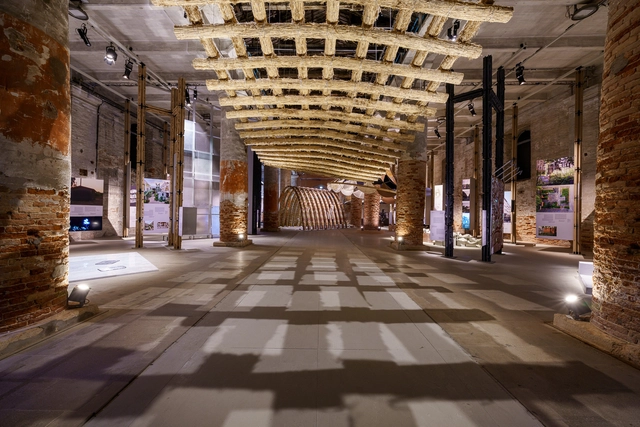
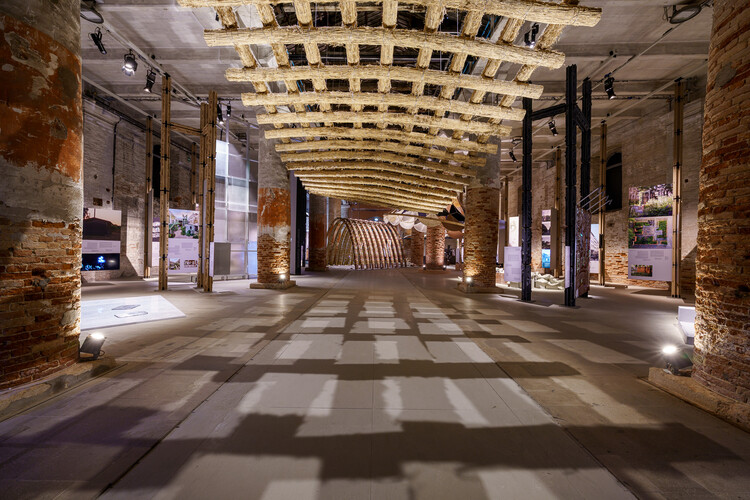
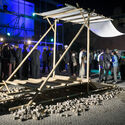
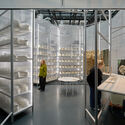
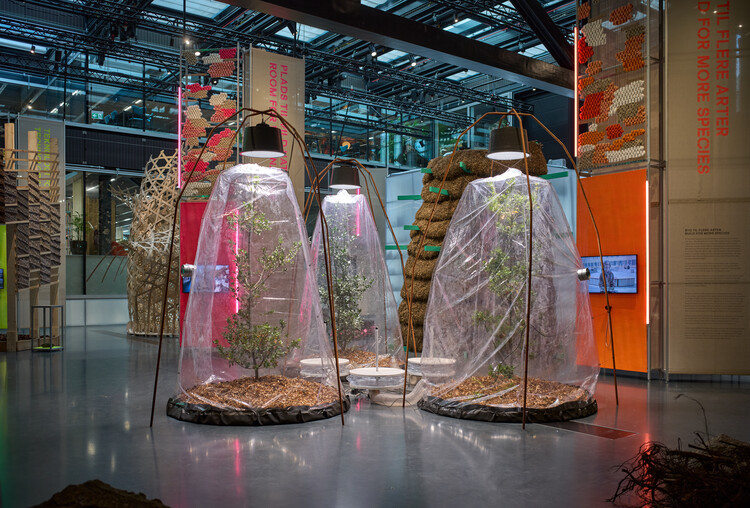
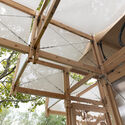
With just a few days left before the six-and-a-half-month 19th Venice Architecture Biennale comes to an end, it is possible to look back on some of the most notable contributions within its thematic framework. Marked by the largest call for participants to date, the Biennale's diversity of topics and the range of installations on display go beyond easy recapitulation. As part of that reflection, several initiatives can be highlighted as illustrative of the principles reflected in the curatorial theme, "Intelligens. Natural. Artificial. Collective." The concepts interwoven in Carlo Ratti's title form a call to address the urgent need for substantial solutions amid the accelerating climate crisis, positioning the Biennale as a platform for diverse design proposals and experiments organized around three forms of intelligence: natural, artificial, and collective. Beyond the national pavilions and numerous collateral events held throughout Venice over the past six months, among the more than 700 participants are projects that, through practice, embody four shared intentions: opening conversations about the future, proposing systemic responses to local realities, placing technology at the center of design innovation, and pursuing material research rooted in local sensitivity.
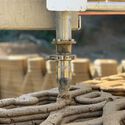
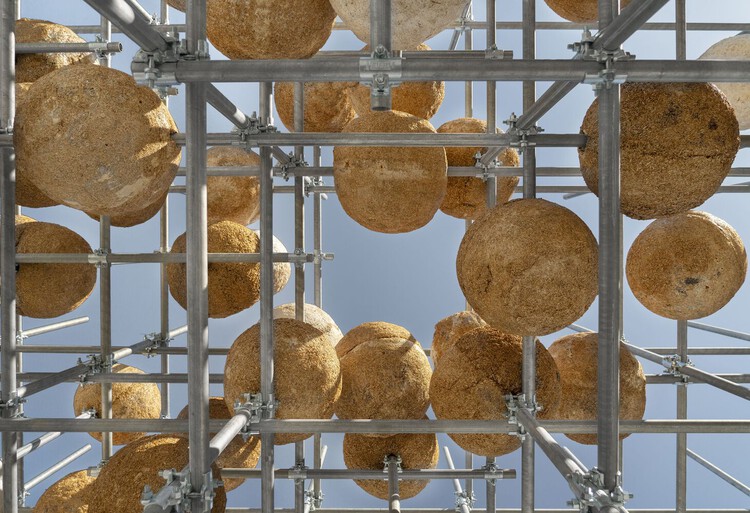
Architecture has entered a pivotal moment. As cities continue to grow under the weight of climatic and social pressures, the materials and systems that shape them are being redefined. Artificial intelligence and robotics, once used to accelerate construction processes, are now being rethought as tools for cultivation. Printed structures that grow, breathe, and decay. Cultivation, in this context, refers to designing with biological materials, where growth and decay are active parameters, merging digital precision with ecological intelligence. This evolution shows the shift from efficiency to empathy, where architecture becomes an agent of active repair. The introduction of mycelium and other natural materials into 3D printing presents a new paradigm in architecture: the logic of the living. A place where computation and fabrication meet biological adaptability.
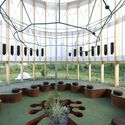
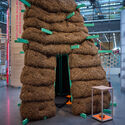
AI and robotics, once associated with industrial efficiency, are now opening new ways of designing. Early examples, such as ICON's 3D-printed housing prototypes, focused on speed and automation but offered little response to their surroundings. Newer projects, such as the MycoMuseum at the 2025 Venice Architecture Biennale, reinterpret these tools through a biological lens. Instead of shaping concrete, they cultivate living materials, marking a shift from pure optimization toward regeneration.
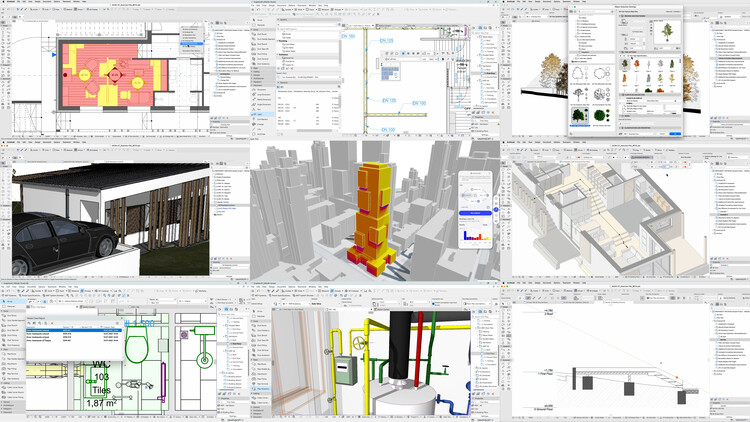
When architects are still students, a moment often marks a turning point: their first encounter with software. It's not just about learning a tool but discovering a space where ideas transcend physical models, taking shape in a digital environment and beginning a relationship many will carry throughout their careers. What happens next? Software keeps evolving, and with it, the design experience. In recent years, this evolution has accelerated—machine learning, AI, prompts, and integrated workflows have moved from the periphery to the core of design practice, becoming part of the shared language between software and users. As these tools take hold, a key question emerges: How will this reshape our experience of designing architecture in the future?
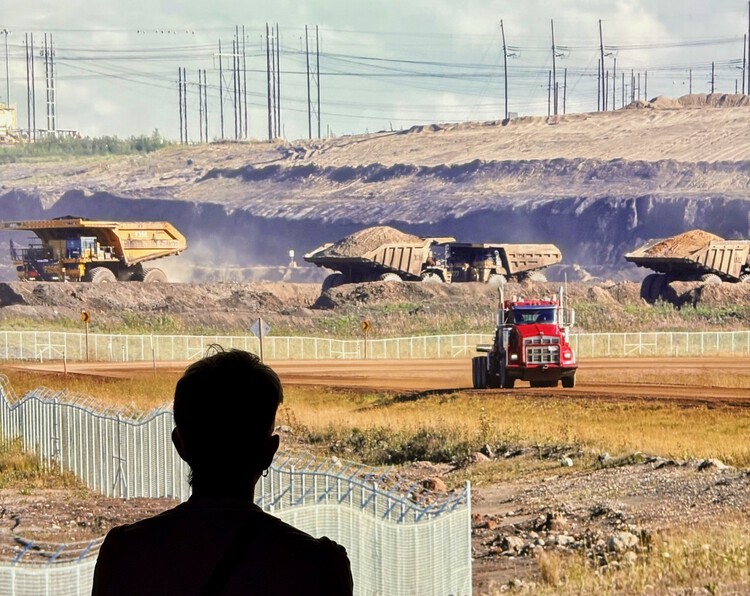
Thirty trillion tons. This is the estimated mass of all human-made matter on Earth, and the starting point for the 7th edition of the Lisbon Architecture Triennale. Curated by Ann-Sofi Rönnskog and John Palmesino, founders of Territorial Agency, the event asks a deceptively simple question: How heavy is a city? To answer it requires more than data. It demands a shift in perception: from the scale of the city to the planetary technosphere.
The technosphere, a term borrowed from Earth sciences, defines the vast system of infrastructures, technologies, and materials that sustain human life while reshaping the planet. Cities, in this view, are not only territories but dense nodes within this planetary metabolism. From October to December 2025, Lisbon becomes a lens to examine that magnitude, hosting three main exhibitions (Fluxes, Spectres, Lighter), a book of essays, a talks program, and more than twenty independent projects across the city.
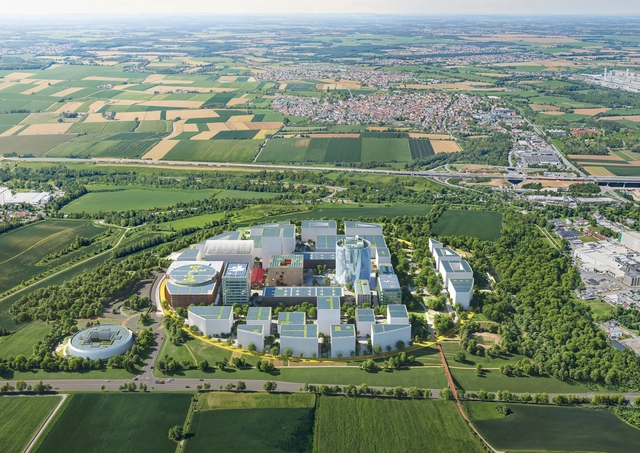
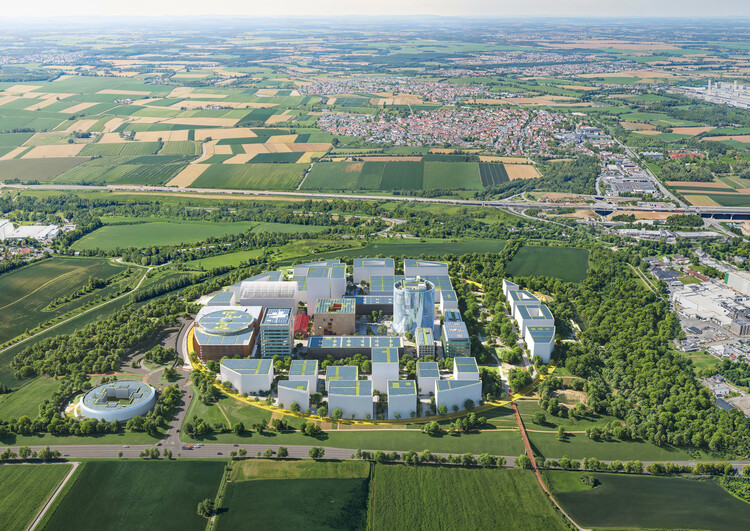
For over a century and a half, corporations have periodically taken on the role of city builders. Neighborhoods or even entire settlements that exist at the intersection of commerce and civic life, "company towns" are recurring urban types. The corporate city has long reshaped itself to match the spirit of each era, whether through the pastoral idealism of industrial England or the cinematic optimism of mid-century America. In its latest guise, the mixed-income campus district, architecture becomes a language of belonging, branding, and quiet persuasion.
In the Water Lilies rooms at the Musée de l'Orangerie in Paris, Claude Monet conceived a 360-degree gallery where visitors are enveloped by continuous landscapes, dissolving the boundaries between painting and environment. There, he sought not merely to represent nature through his distinctive style, but to construct an atmosphere, a perceptual state that the visitor literally inhabits. Architecture, traditionally associated with materiality and permanence, thus gains a new dimension of time, movement, and sensory experience.
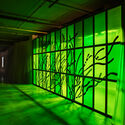
Similarly, when contemporary architecture transforms its planes into active surfaces, it extends this pursuit of immersion and presence, now amplified by technology. At the entrance of SOPREMA's new Mammut Tower in Oberroßbach, Germany, architecture and digital narrative converge. Designed and executed by ASB GlassFloor, the newly completed lobby is an immersive environment combining glass, light, and sound into a complete spatial and sensorial experience, demonstrating how interactive technologies can become architectural materials in their own right.
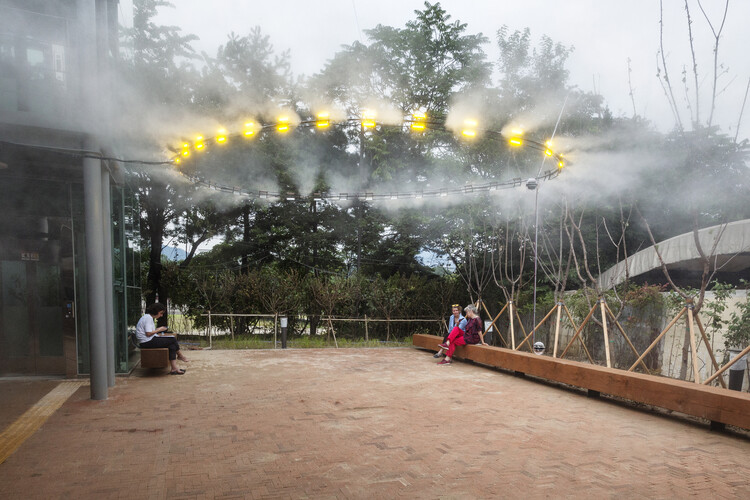
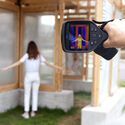
When exposed to heat, the body activates several physiological mechanisms to maintain thermal homeostasis. However, these natural defenses are often overwhelmed in our modern cities.In an urban environment defined by heat-absorbing asphalt, concrete, and a lack of green spaces, these mechanisms become inefficient. If the surroundings are excessively hot, humid, or poorly ventilated—conditions amplified by the Urban Heat Island effect—the core body temperature begins to rise, and the risk of serious complications increases, ranging from cramps and exhaustion to potentially fatal heat strokes.
With “The Rock”, fittings manufacturer Dornbracht presents its first Atelier Edition. The clear lines of the classic MEM meet expressive rock–shaped handles made of solid metal, and finished in Brushed Dark Platinum. Image Courtesy of Dornbracht
In an era of digital precision, AI automation, and mass reproducibility, the value of the human craftmanship is being reimagined rather than lost. It's in this intersection between machine logic and material intuition that Dornbracht, the German manufacturer renowned for sculptural fittings, launches The Rock, the debut piece of its new Atelier Editions.
Inspired by the primal force of natural stone, The Rock is a faucet handle that is a tactile, expressive object that restores individuality and sensuality to the contemporary bathroom and kitchen landscape. Revisiting the iconic MEM series, the design introduces a bold, organically shaped handle, milled from solid metal with artisanal hand-finishing. Each piece becomes a singular creation, where industrial precision meets the intimacy of craft.