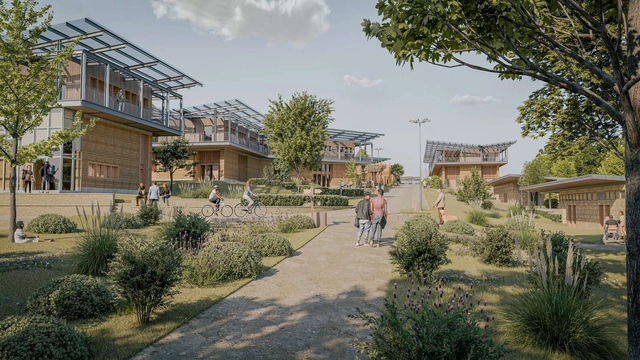
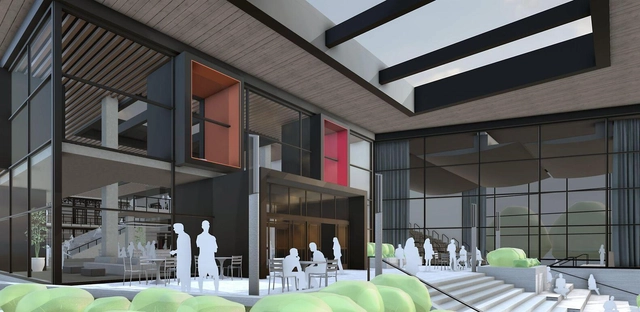
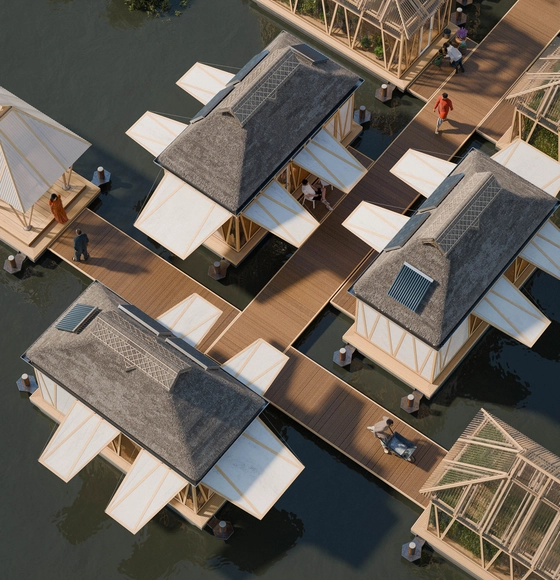
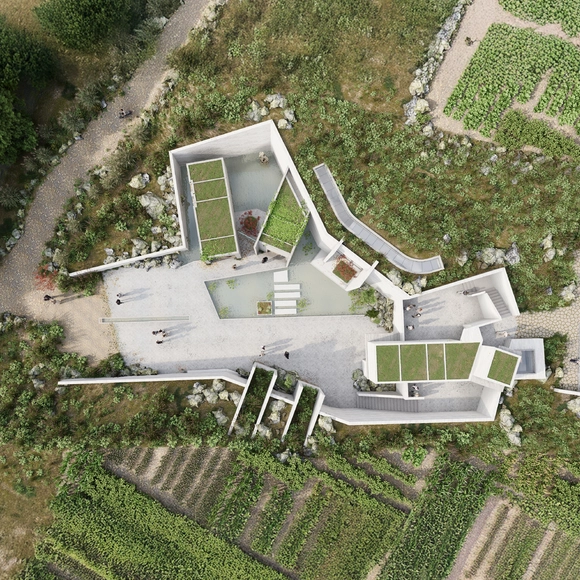
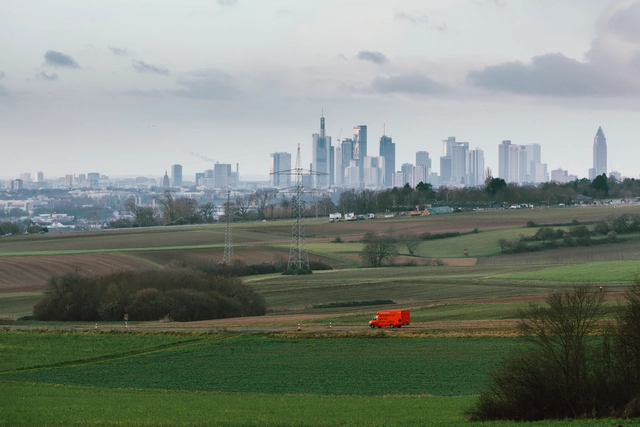
More than 200 universities from 33 countries participated in the 20th edition of the Architecture Student Contest. Students from all over the world imagined projects to transform and challenge the development of a peripheral urban city and a village in a territory at the crossroads of Europe, home to the largest logistical platform of Southern Europe and a major cross-Europe high-speed railway project to come, and linked by the ambition of "Attracting Youth."
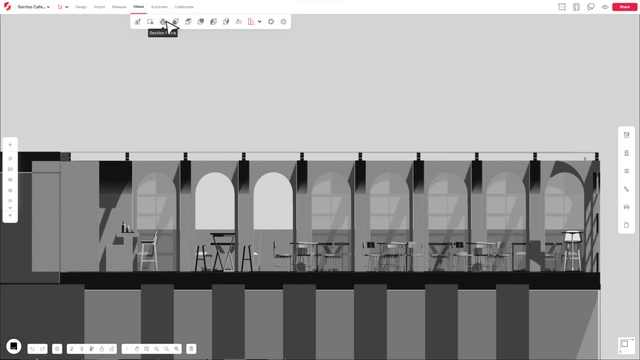
Despite major breakthroughs in other industries, with tools like Cursor reshaping how software gets built, or AlphaFold revolutionizing protein structure prediction, AEC is still waiting on its defining AI moment. Yes, many visualization tools have made waves, especially when it comes to generating beautiful imagery. But they fall short when it comes to understanding the actual design process. They don't grasp the constraints, logic, and decisions that turn those visuals into real, buildable architecture.
And that's exactly where AI's most valuable use case in AEC lies: not in how a building looks, but in how it comes together.
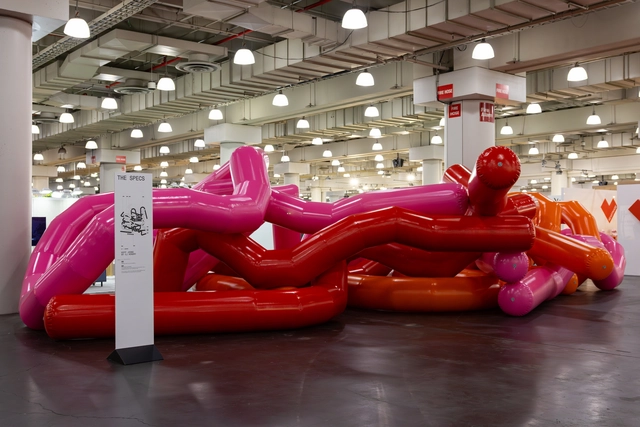
With a balance of emerging talent and established brands, this year's edition of the International Contemporary Furniture Fair fostered meaningful connections, commercial momentum and critical dialogue across the global design community.
Returning to the Javits Center this May, the 2025 edition of the International Contemporary Furniture Fair (ICFF) brought together over 400 design brands from 35 countries, reinforcing its role as a central meeting point for contemporary design in North America. Spanning residential, commercial and hospitality sectors, the fair attracted more than 13,000 attendees and maintained strong engagement across the board — despite ongoing market volatility and tariff pressures.
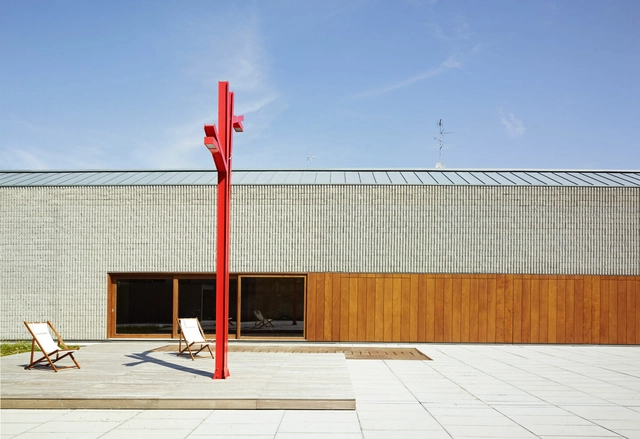
Private residence in Varese / Franzetti Primi Architetti Associati
Mathematics shows us how, from just a few elements, we can generate nearly infinite combinations and how each new arrangement can completely transform the original set. Theories like chaos and complexity point in the same direction: small initial variations, such as a choice, a deviation, or a new element, can trigger profound and unexpected changes. In architecture, this manifests concretely in the daily work of a designer. The choice of materials and how they are combined may seem like a merely aesthetic or functional decision, but it holds the power to redefine a building's language, the path a project will follow, and its relationship with the surroundings and its inhabitants.
SketchUp 2025 introduces new tools and enhancements aimed at improving how architects and designers visualize, collaborate, and communicate their work.
This release brings more realistic materials and immersive environments, making it easier to create compelling visual representations of architectural models. These visualization updates are available across SketchUp for Desktop, Web, and iPad, as well as in LayOut and 3D Warehouse, allowing for a consistent experience across platforms.
Finding the right job—or the right candidate—within the Architecture, Engineering, and Construction (AEC) industry can be a real challenge. As the sector evolves, professionals and companies alike are looking for more effective ways to connect, collaborate, and grow. AECO Space is a job and networking platform tailored specifically for AEC professionals. It offers a space for both employers and talent to engage in a more efficient, industry-specific hiring and networking process.
Buildner, in collaboration with building materials manufacturer Kingspan, has announced the winners of the MICROHOME Kingspan Edition with a 100,000 EUR prize fund.
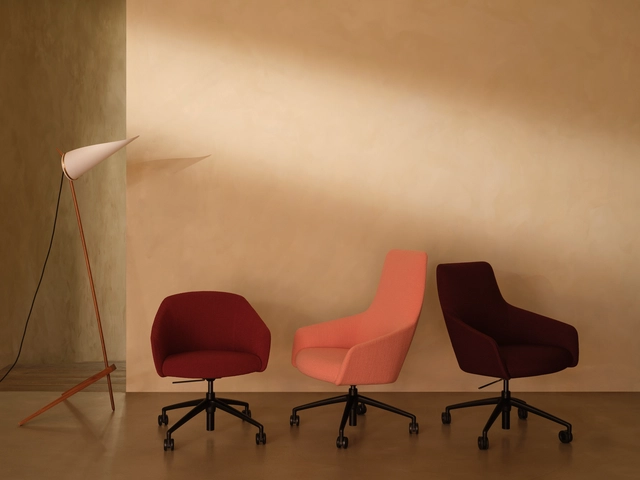
Think of a chair designed for a meeting room. Its height, upright posture, and material language are deliberate choices—they signal presence, focus, and a degree of formality in a space where important decisions are made. Replace that chair with a low, plush sofa and the entire spatial dynamic shifts: focus softens, posture relaxes, and hierarchies dissolve. Every chair, stool, or sofa is more than just a way to fill space. It is a device designed for a specific type of interaction, a defined posture, a particular rhythm of use. When these purposes are ignored, even the most carefully curated interiors can feel fragmented or incoherent. Furniture plays an invisible yet fundamental role in shaping how people behave, how they feel, and what kind of work happens.
Innovation is thriving around the world—and the latest results from the A' Design Award & Competition make that clear. The 2024–2025 edition has recognized 1,823 remarkable designs from 115 countries across 157 creative fields. From architecture and product design to fashion and communication, these entries highlight what happens when imagination meets craftsmanship.
Chosen by an international jury of design experts, this year's winners offer fresh perspectives and bold ideas. The A' Design Award isn't just about recognition—it's about celebrating original thinking and the creative minds reshaping how we interact with the world.
At the heart of design lies the intersection of technique and creativity—a space where ideas take shape and environments are reimagined. In a world prevalent with mass-produced objects, the focus is shifting toward something more deliberate, where every decision opens up new possibilities and allows design to break free from the conventional. Think of the LC1 armchair by Le Corbusier or Mies van der Rohe's Barcelona chair—not simply furniture, but outcomes that illustrate a studio-driven freedom where ideas, materials, and finishes are allowed to converse, not conform. These pieces don't just fill a room; they reimagine it. This spirit of innovation now extends to every detail, from kitchen to bathroom fittings, where the range of choices—materials, form, and function—becomes an opportunity to craft something truly unique.
https://www.archdaily.com/1029100/swan-taps-checkered-seashell-fixtures-and-the-new-frontier-of-bespoke-designEnrique Tovar
What can our existing buildings teach us about building for the future? In a time of dwindling resources, architects are increasingly called to engage in dialogue—with the site, its history, and the untapped potential of what already stands. Rather than defaulting to demolition and new construction, the future of architecture may rest in uncovering the possibilities for innovation within buildings that have already stood the test of time.
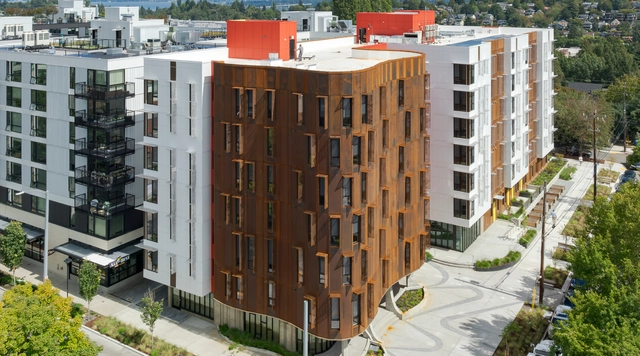
As urban neighborhoods continue to evolve, design plays a key role in shaping how buildings respond to urbanization, functional demands, and the character of their surroundings. Intertwined, these elements guide the transformation of urban life and influence how new developments engage with their context—a dynamic clearly visible in Seattle's Central District. Long considered a historic hub for the city's African American community, the Africatown Plaza project proposes a comprehensive approach that integrates architectural performance with community resonance, using the building envelope as a primary medium.
https://www.archdaily.com/1030331/metal-facade-systems-with-community-resonance-the-case-of-africatown-plazaEnrique Tovar
The Built by Nature Prize 2025 is now open for entries. The award recognizes completed projects – new builds, renovations, and extensions – that demonstrate leadership in sustainable timber and bio-based construction. Aimed at highlighting global best practices, the Prize offers architects and project teams an opportunity to gain international visibility and contribute to the evolving conversation around regenerative building. The deadline for submissions is 23:59 CET on June 8, 2025. Entries can be submitted via builtbn.org/prize.
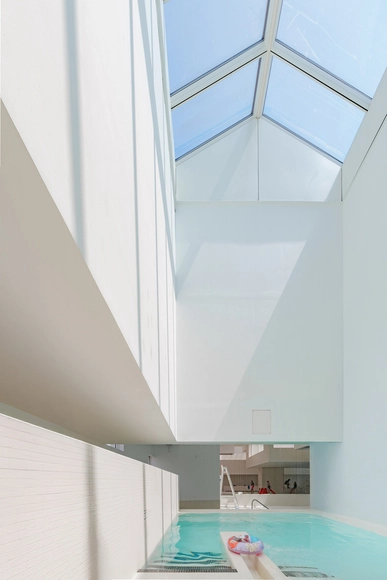
Les Bains des Docks Aquatic Centre. Image Courtesy of VELUX Commercial
Condensation, maintenance, and humidity are three familiar challenges that continue to test the buildings we design and construct. Whether stemming from climate conditions, limited airflow, or the specifics of construction detailing, these factors affect not only the durability of materials but also the everyday comfort and performance of inhabited spaces. When the setting is an aquatic center or an indoor swimming pool, the demands are even greater. The constant presence of steam, moisture accumulation, and the risk of mold can compromise both energy efficiency and the user experience. In such environments, ventilation and access to daylight, beyond their aesthetic value, become essential tools for maintaining equilibrium, enhancing indoor comfort, and ultimately improving how the space is perceived and utilized.
https://www.archdaily.com/1030573/letting-the-sky-in-4-case-studies-of-daylight-solutions-in-aquatic-architectureEnrique Tovar
Videos
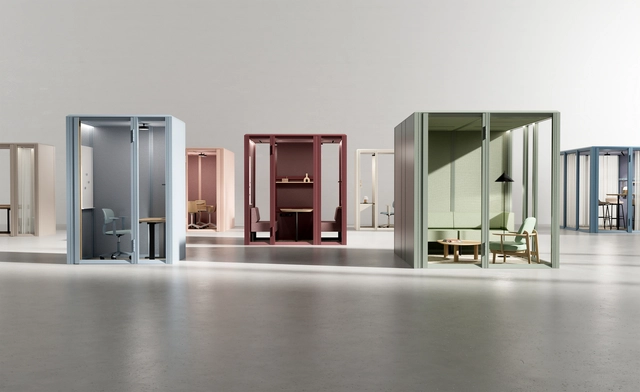
Mute’s latest pod family features 30 models in 11 sizes, designed to accommodate 1 to 8 people.
Mute, a pioneer in adaptable office architecture, has introduced Modular Pods—the largest and first truly adaptable pod collection on the market. Offering an unparalleled variety in sizes, unlimited customization options, and leading accessibility solutions, Mute'Modular Pods set new benchmarks for the entire product category.
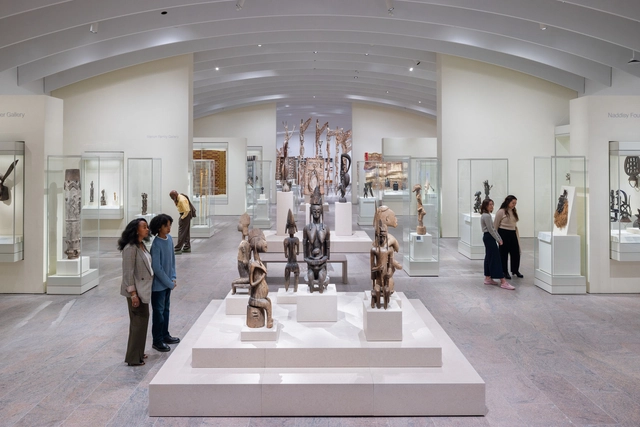
Founded in 1870, The Metropolitan Museum of Art — affectionately known as The Met — is one of the world's most important and visited museums, housing over two million works that span five millennia of human history. Located in the heart of New York City, alongside Central Park, the museum is celebrated for its vast and diverse collections, ranging from ancient Egyptian art to European masters and contemporary works. Paintings, sculptures, documents, historical artifacts, and multimedia pieces make up an ensemble that demands meticulously planned exhibition solutions to ensure both preservation and the effective communication of their historical and artistic value.
In 2021, The Met launched one of its most ambitious projects: the renovation of The Michael C. Rockefeller Wing, dedicated to the Arts of Africa, the Ancient Americas, and Oceania. With a $70 million investment, the initiative encompasses curatorial reorganization, oriented by a more regional and historical approach, as well as architectural interventions. The modernization of the galleries includes enhancements to natural lighting, accessibility improvements, and the incorporation of contemporary museographic systems, designed to optimize conservation and the interpretive experience for visitors.
The German Design Awards 2026 are now open for submissions worldwide. Under the theme Connecting Global Excellence, the awards extend an invitation not just to enter, but to engage—with ideas, with places, with people. This year's open call is accompanied by a new series of Design Masterclasses in Zurich and Copenhagen, created in collaboration with DAAily platforms, offering spaces to share, learn and connect. As the Frankfurt RheinMain region prepares to take the global stage as World Design Capital 2026, the German Design Awards 2026 reflect the full spectrum of design today—from visionary innovation to cultural continuity. They are both a mirror of our diverse design landscape and a catalyst for forward-thinking transformation across all disciplines.
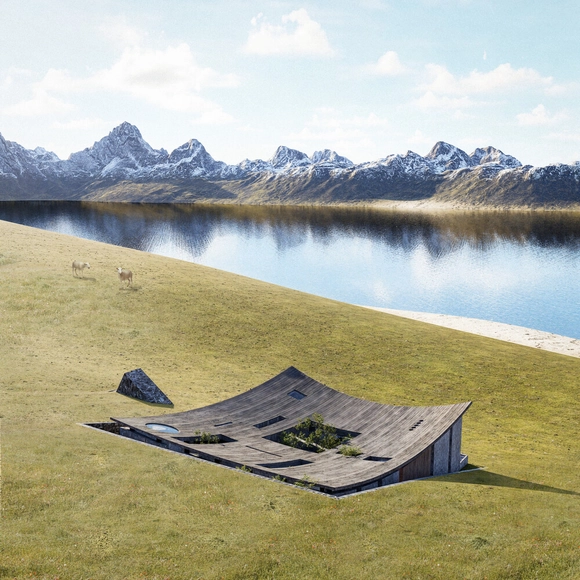
Buildner has announced the results of its third annual Home of Shadows international architecture ideas competition. The competition series is designed to focus on the vital interplay between light and shadow in creating functional and inviting living spaces. It highlights the importance of natural light in home design, essential for creating comfortable, inviting, and practical environments.
Light is viewed as a language through which architects communicate emotions in their designs, with shadows playing an equally significant role in influencing the ambiance of a space. The balance between light and shadow allows for the creation of spaces with depth and texture, setting different moods for various purposes. Often, this balance can be achieved through the strategic placement of windows and doors.