Humanity rarely embraces major transformations right away, often held back by fear, skepticism, or attachment to what already works. Gutenberg's press raised fears of misinformation; urban electrification drew warnings from doctors; and office computerization sparked concerns over the devaluation of human experience. Such ruptures often provoke resistance, but they tend to open space for critical reflection and innovation.
Today, with the rise of artificial intelligence and the rapid succession of technological innovations, we are living through another of these inflection points. The debate is broad, inevitable, and, as always, necessary. At the TRUE Conference 2025, hosted by Midea Building Technologies (MBT), this discussion takes on practical and strategic dimensions by linking digital advancements with tangible goals for sustainability, efficiency, and quality of life.
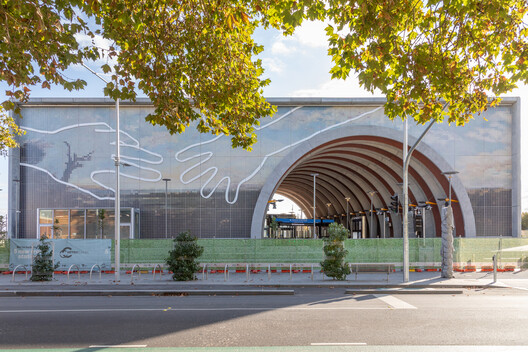
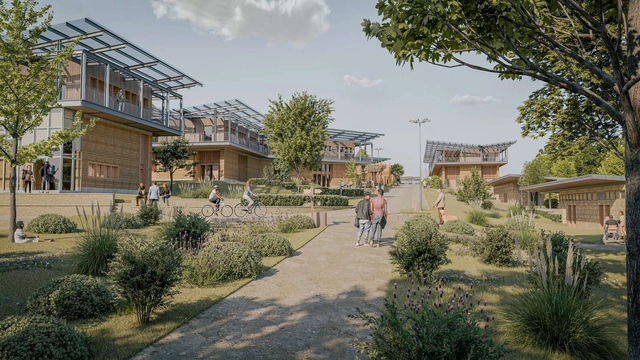
The new Arden Station in Melbourne goes beyond its functional role as a transportation hub. Opened as a key component of the Metro Tunnel project, the station expands the city's rail infrastructure by relieving pressure on other lines and improving service frequency and, at the same time, establishes itself as a defining element in the urban transformation of Melbourne's northern precincts. Located on a former industrial site undergoing revitalization, it anchors the future development of a new district projected to accommodate up to 34,000 residents and 15,000 jobs in the coming decades.
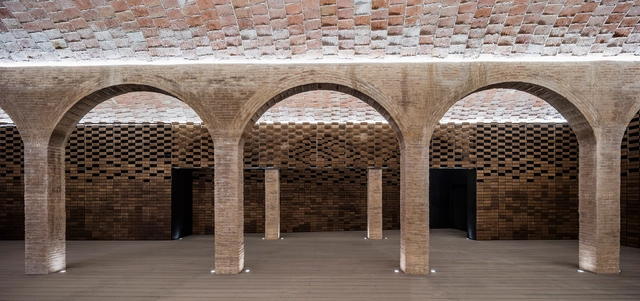
The theorist André Corboz, known for his contributions to the critical reading of territory, proposes that the cities should be understood as a palimpsest. That is, a surface continuously rewritten, where traces of previous layers remain visible even after successive interventions. For him, the city is not a static entity, but an organism in constant transformation, where historical, functional, and symbolic layers overlap. This is why working on restoration or rehabilitation projects for historical buildings is particularly complex, requiring careful thought about the approach to be taken: should extensions and renovations seek complete coherence with the original language, or assert themselves as architectural expressions of their own time?
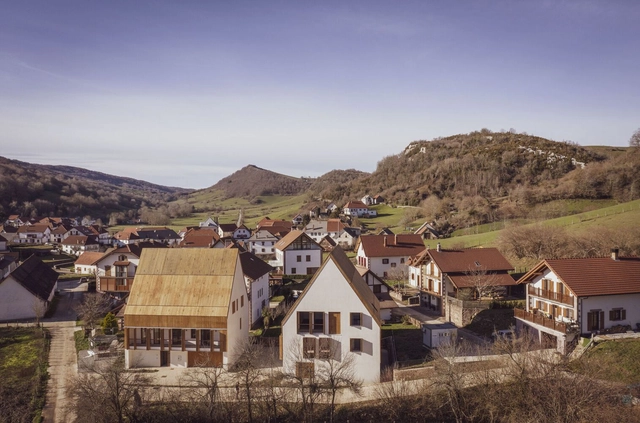
Andanzas y visiones españolas is the book in which Miguel de Unamuno collects his experiences during excursions through Spain's cities and countryside, accompanied by friends and colleagues. More than a precise geographical description, the text consists of narratives in which each region and every feature of the territory leaves a deep imprint on his thought. The literary discourse actively weaves the diversity of setting, climate, and contextualism as foundational threads, presenting the territory not only as a physical place but also as a space for reflection and contemplation. This attentive engagement with the landscape—so diverse within Spanish architecture—also resonates in the built environment, fostering in contemporary practice a sensitive adaptation to the country's varied climatic conditions, both through design strategies and material choices.
https://www.archdaily.com/1031789/context-responsive-architecture-in-spain-7-projects-highlighting-material-strategiesEnrique Tovar
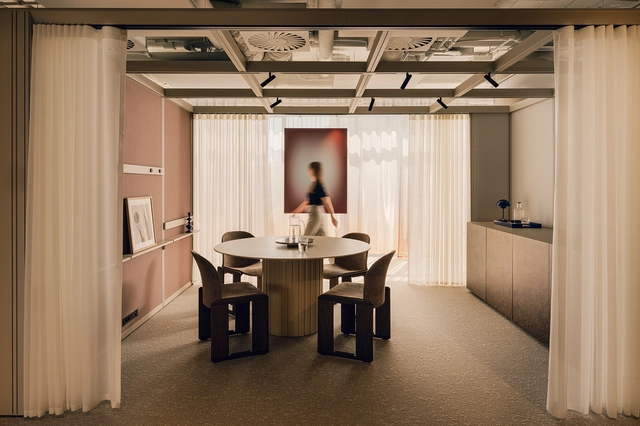
Mute, a global manufacturer of adaptable architecture solutions for modern workplaces, has opened its new headquarters in the Ambassador office building in Warsaw, managed by Hines. Covering more than 840 m², it is the first office in Europe built entirely using a modular system — one that can be freely reconfigured without generating renovation waste or CO₂ emissions.
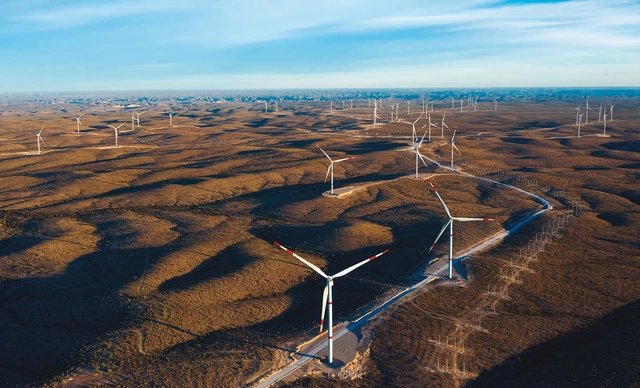
Enel, a global leader in renewable energy, launched "WinDesign", an international contest where talented professionals and students, in the domain of engineering, architecture and design, are invited to imagine and design new wind turbines. The goal is to develop turbines projects that blend more seamlessly into the landscapes that host them, thereby supporting a wider role for them in the energy transition.
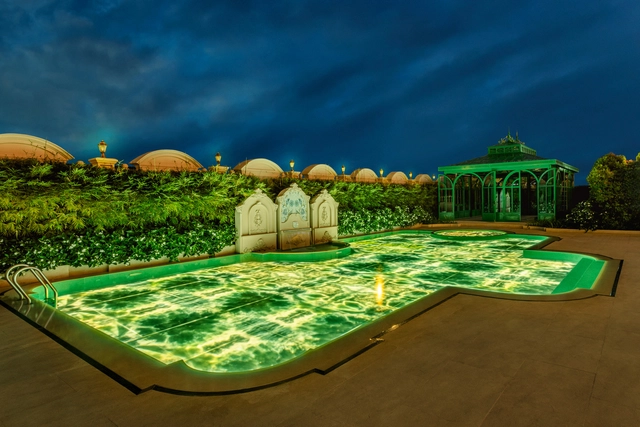
The trajectory of glass in architecture reflects the technological evolution of humankind. For centuries, it was a fragile, opaque material, restricted to small openings in churches or aristocratic residences, limited in size, with uneven transparency and a largely secondary role. With the Industrial Revolution and advances in manufacturing processes, this condition changed dramatically. From artisanal and imperfect stained glass, we now have a wide range of architectural applications, from fully glazed skyscraper facades to translucent pedestrian bridges, lightweight roofs, smart partitions, and movable elements. One of the most surprising uses, once thought to be impractical, is the direct interaction of glass with large volumes of water. Today, we see pools with transparent walls or floors that project out from buildings, float above streets, or visually merge with their surroundings, creating striking sensory experiences. A remarkable feat, especially considering that for a long time, glass was considered too fragile for submerged environments.
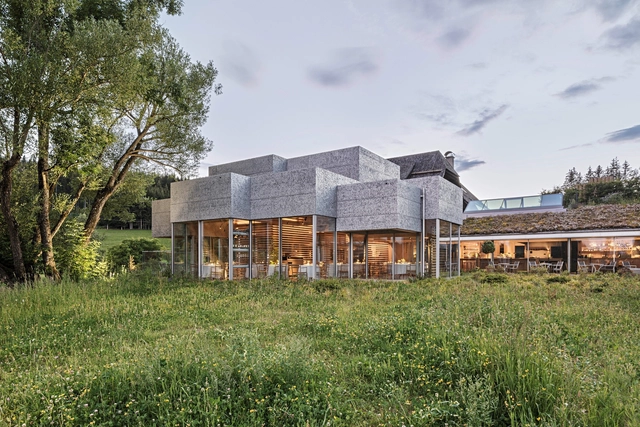
At the Steirereck am Pogusch restaurant, architecture and gastronomy seem to speak the same language: that of the sensitive transformation of raw materials. Local ingredients, like leaves, roots, and flowers, are turned into surprising dishes, where simplicity is elevated to the extraordinary. Likewise, the building, far from being a static structure, offers a unique tactile and visual experience. One of the most intriguing elements is the use of stabilized foamed aluminum panels that, rather than evoking the coldness and rigidity often associated with metal, have been manipulated to transcend their conventional characteristics. They seem to breathe, with their porous, textured surfaces absorbing and reflecting light, creating a play of shadow and brightness that evokes the lightness and organic quality of natural materials.
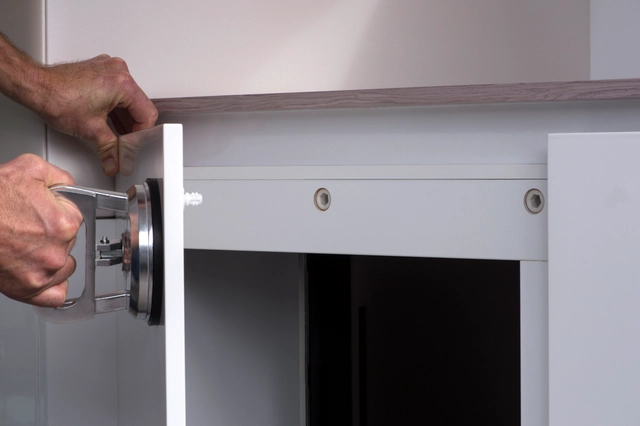
In high-end architectural design, traditional access panel fasteners like visible screws and magnetic closures often disrupt aesthetics and functionality. These outdated methods can loosen over time, lack durability, or require visible frames, making them unsuitable for premium spaces. Whether you need to access electrical systems, HVAC components, or plumbing, choosing the right installation method is crucial for a seamless integration into your space.
Early hidden solutions like French cleats and Z-clips improved appearance but introduced new challenges. These systems require sequential panel removal and extra clearance, making maintenance difficult—especially in areas needing frequent access. The unavoidable gap that appears at the top of panels also compromises the aesthetic appeal, as well as cutting out sections of panel for wall sockets.
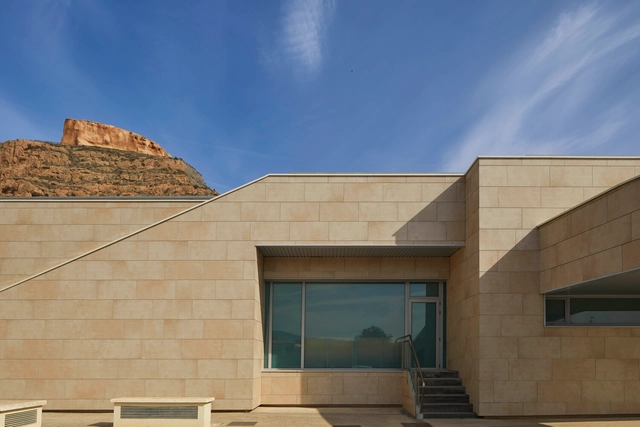
Renovation Project of Puerta de Arnedo Health Center (La Rioja). Photos: María Natali.
In modern architecture, materials must meet a range of functional, aesthetic, technical, and environmental demands. Gres Aragón offers ceramic tile solutions that respond to all aspects of a project—from façades and interiors to exteriors, pools, staircases, and industrial spaces—while maintaining a consistent design language.
With more than 80 years of experience and deep expertise in the extruded tile manufacturing process, Gres Aragón has established itself as a trusted partner for architects and interior designers. Its product offerings are based on four core principles: visual continuity, extreme durability, high-tech performance, and a strong commitment to sustainability.
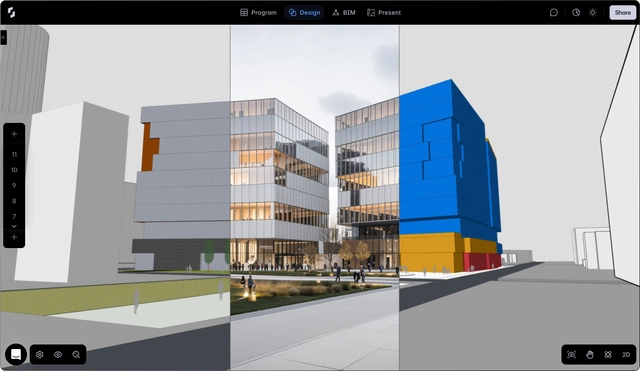
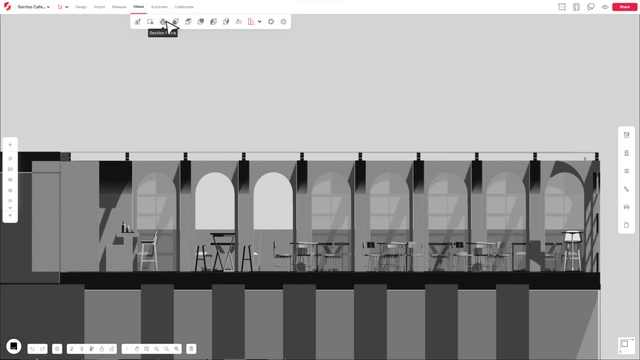
Early-stage design may be where everything begins, but without careful consideration, it's also where everything breaks down. On average, firms report that nearly 15% of all work done generates zero revenue, much of it tied to concept design. Relying on a patchwork of tools like Rhino, Excel, Revit, and Miro, architects often spend weeks swapping between platforms just to get a concept and presentation out the door. Data gets trapped in screenshots, rework piles up, and by the time the model is ready for documentation in Revit, the creative momentum is long gone. Snaptrude 3.0 Was Built to Fix that.
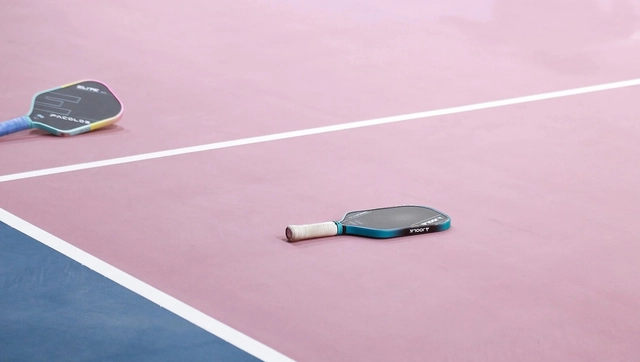
Following the recent success of the FIP World Padel Championships in Qatar and the announcement of Saudi Arabia hosting the FIFA World Cup in 2034, the Middle East is gearing up to be a hub for major sporting events, which drives the demand for high-performance sports infrastructure. From Pickleball and Padel courts to internationally renowned stadiums, the evolution of sports flooring requires innovative, durable, and sustainable solutions.
Terraco, a global leader in construction finishing materials, has consistently delivered cutting-edge solutions for sports complexes worldwide, helping architects, contractors, and developers build facilities that stand the test of time.
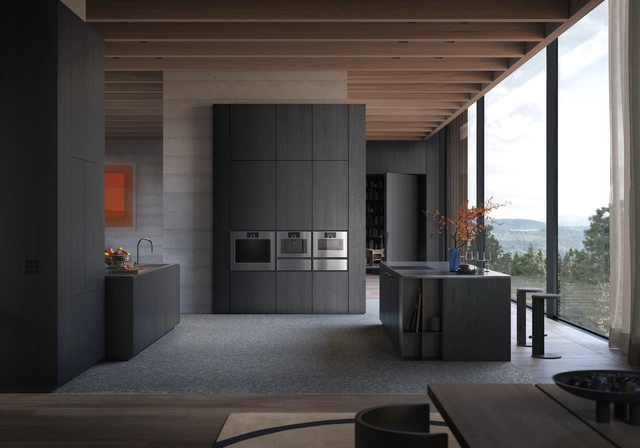
The history of household appliances closely mirrors the transformation of the modern home and domestic life throughout the 20th century. Rooted in the technical advances of the Industrial Revolution and driven by urban electrification, these devices were created to mechanize everyday tasks such as cooking, cleaning, and food preservation. A major milestone in this evolution was the Frankfurt Kitchen, designed in 1926 by Austrian architect Margarete Schütte-Lihotzky. Considered the precursor of the modern kitchen, it incorporated efficiency principles inspired by the scientific organization of labor, with optimized spaces and integrated equipment to streamline domestic chores. Developed for social housing in Frankfurt, this kitchen embodies the functionalist spirit of the Bauhaus and establishes a direct connection with German design innovations, a context in which Gaggenau would also solidify its identity, combining technical precision and aesthetic sophistication.
More than 200 universities from 33 countries participated in the 20th edition of the Architecture Student Contest. Students from all over the world imagined projects to transform and challenge the development of a peripheral urban city and a village in a territory at the crossroads of Europe, home to the largest logistical platform of Southern Europe and a major cross-Europe high-speed railway project to come, and linked by the ambition of "Attracting Youth."
Despite major breakthroughs in other industries, with tools like Cursor reshaping how software gets built, or AlphaFold revolutionizing protein structure prediction, AEC is still waiting on its defining AI moment. Yes, many visualization tools have made waves, especially when it comes to generating beautiful imagery. But they fall short when it comes to understanding the actual design process. They don't grasp the constraints, logic, and decisions that turn those visuals into real, buildable architecture.
And that's exactly where AI's most valuable use case in AEC lies: not in how a building looks, but in how it comes together.
With a balance of emerging talent and established brands, this year's edition of the International Contemporary Furniture Fair fostered meaningful connections, commercial momentum and critical dialogue across the global design community.
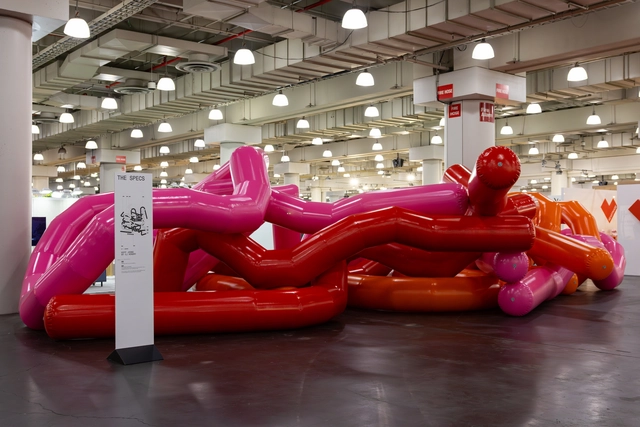
Returning to the Javits Center this May, the 2025 edition of the International Contemporary Furniture Fair (ICFF) brought together over 400 design brands from 35 countries, reinforcing its role as a central meeting point for contemporary design in North America. Spanning residential, commercial and hospitality sectors, the fair attracted more than 13,000 attendees and maintained strong engagement across the board — despite ongoing market volatility and tariff pressures.
Private residence in Varese / Franzetti Primi Architetti Associati
Mathematics shows us how, from just a few elements, we can generate nearly infinite combinations and how each new arrangement can completely transform the original set. Theories like chaos and complexity point in the same direction: small initial variations, such as a choice, a deviation, or a new element, can trigger profound and unexpected changes. In architecture, this manifests concretely in the daily work of a designer. The choice of materials and how they are combined may seem like a merely aesthetic or functional decision, but it holds the power to redefine a building's language, the path a project will follow, and its relationship with the surroundings and its inhabitants.
SketchUp 2025 introduces new tools and enhancements aimed at improving how architects and designers visualize, collaborate, and communicate their work.
This release brings more realistic materials and immersive environments, making it easier to create compelling visual representations of architectural models. These visualization updates are available across SketchUp for Desktop, Web, and iPad, as well as in LayOut and 3D Warehouse, allowing for a consistent experience across platforms.