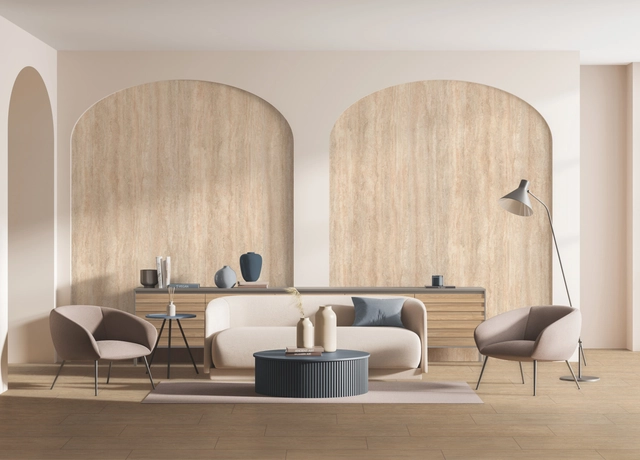
Colors, materials, lighting, and textures are the foundational pillars that shape the mood and atmosphere of an interior space. These elements should work in harmony to create environments that deeply influence how we feel and interact with the space around us. From serene, tranquil homes to dynamic offices or welcoming hospitality spaces, design trends have evolved to meet the specific needs of each setting, while the market offers an abundance of product combinations.
Recent years have seen a transformative shift in these trends, with a growing focus on flexibility, biophilic design, and sustainability. These three approaches are reshaping the way spaces are designed—not just in terms of aesthetics, but also with respect to functionality, well-being, and environmental impact. Mastering the interplay of these elements has become essential to create spaces that resonate with purpose and functionality, offering immersive and meaningful experiences for their intended audience.
Over the past two decades, the Holcim Foundation Awards has committed USD 20M to spotlight transformative projects by architects, designers, and engineers who pioneer sustainable design and construction practices. To capture these stories, the Foundation launched a short film series titledWords withWinners.
This series provides an in-depth look at award-winning sustainable design projects through exclusive interviews with their creators. It includes one of the first films to showcase the BIG U, also known as the DryLine, in its built form, featuring an exclusive one-on-one with Bjarke Ingels, Creative Director and Founder of Bjarke Ingels Group (BIG).
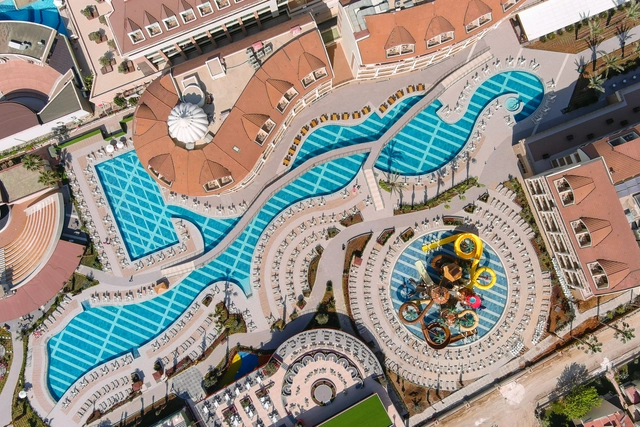
Serapool, a leading brand in porcelain pool tiles and complementary porcelain products, has been innovating and producing sustainable design solutions for residential, spa and wellness centers, hotels, water parks, and Olympic-size pools globally for 40 years. The brand's holistic approach to pool design has led to a comprehensive porcelain collection that includes pool tiles, stair nosings, pool copings, porcelain pool grates, infinity tiles, concealed overflow handles, terrace nosings, and rain channels. With years of expertise in the industry, the company stands as a leading example of innovation, consistently delivering safe and long-lasting products.
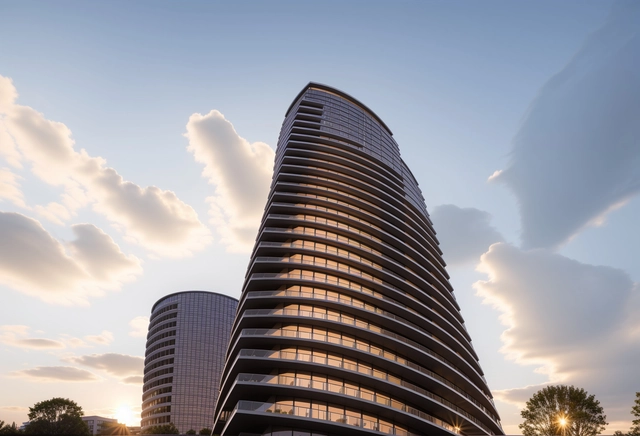
The creation of images through artificial intelligence (AI) surprised us a few years ago. Utilizing algorithms such as convolutional neural networks (CNNs), these systems are trained to identify visual patterns in images from the huge database of the internet, interpret them, and generate new compositions. Initially, the results tended to be rudimentary, often distorted and strange, but with the evolution of systems and training methods, AI has started to produce highly detailed and visually impressive images, challenging the limits of digital creativity. In architecture, this has been no different. As architectural design evolves, technologies that allow architects to bring their visions to life are progressing alongside it. AI renderings are transforming the way we visualize and conceptualize spaces, with the potential to significantly reduce costs, increase efficiency, and improve accuracy, especially in terms of scale fidelity and spatial representation.
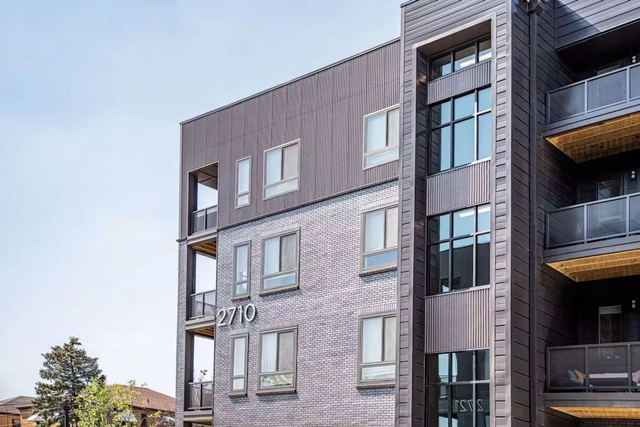
Factory 52, named after the production of 52-card decks that once took place there, is a remarkable example of adaptive reuse, transforming an old factory into a vibrant mixed-use community. Located in Norwood, Ohio, within the former U.S. Playing Card Company building, the renovation project reimagines industrial heritage by integrating modern design without losing sight of its historical roots, incorporating residential, commercial, and recreational areas. The use of brick cladding plays a crucial role in connecting the past with the future, offering a rustic texture that honors the industrial history while highlighting the new structures with its unique tones in a contemporary setting.
Here's a question: what part of a building stands firm and unmovable? While walls, floors, and structural supports may spring to mind, in today's world, even architecture is getting in on the action. Movable walls, sliding doors, and retractable roofs were the early ambassadors of kinetic design, allowing structures to become more flexible without losing strength. What started in ancient civilizations has now evolved into a futuristic dance between practicality and nature. Buildings aren't just set in stone anymore—they're evolving, responding, and adapting.
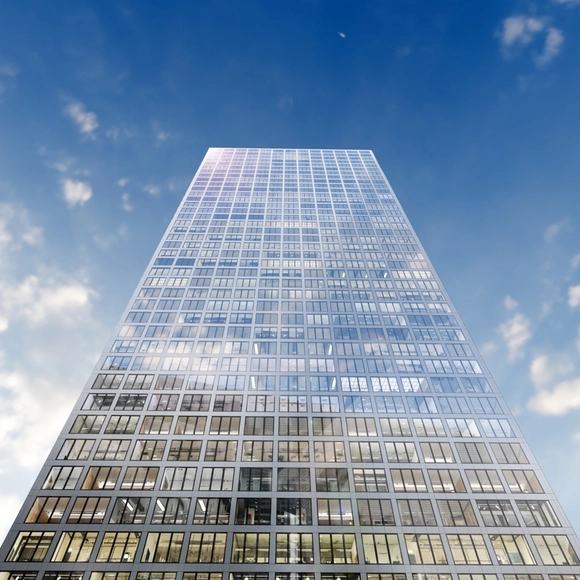
40-storey building utilizing ClearVue BIPV products, solar glazing, and solar cladding. Image Courtesy of ClearVue
People frequently claim that finding smart solutions to problems requires a creative approach that involves thinking outside the box. This premise has become a widely accepted idea in the field of technology, where numerous historical breakthroughs have emerged from innovative methods. Prominent examples in power generation include the discovery of the photovoltaic effect by Edmund Becquerel in 1839 and the development of the first commercial solar panel by Charles Fritts later that century. These milestones have enabled the integration of solar panels as essential components of clean energy generation within architecture, driving a significant shift toward renewable energy.
This shift is currently manifesting as a tipping point between power generation and the built environment, driven by a transition that promotes creative thinking and encourages new perspectives. Today, sustainable energy production extends beyond merely installing solar panels on roofs; it aims to integrate various building elements into the energy system. ClearVue's Building-Integrated Photovoltaics (BIPV) exemplifies this innovation by harnessing nearly all facade components as sources of power production. This vision opens new possibilities for the design of urban structures, promoting a more sustainable approach that aligns with contemporary needs.
https://www.archdaily.com/1022702/powering-up-through-the-facade-maximizing-energy-with-building-integrated-photovoltaicsEnrique Tovar
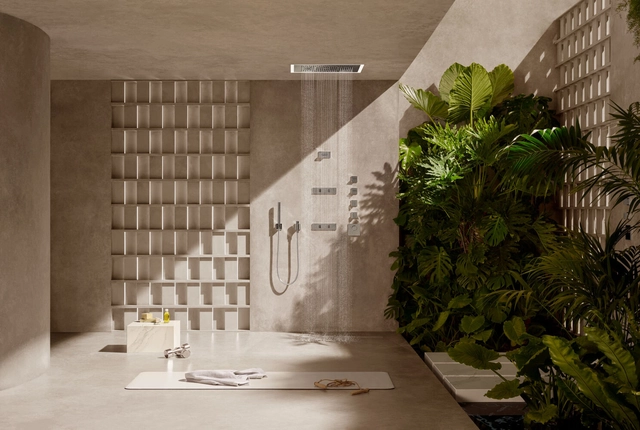
Showering is one of the most physically sensational rituals we commit to on a daily basis—often, when time allows, even multiple times between morning and night. It represents the transformative power of water on the body, offering a cascade of bliss and well-being. It is elemental as much as it is routine and purification. The new Serenity Sky designs from Dornbracht have been developed with a focus on elevating the rainshower experience, maximizing every aspect of it, while also incorporating nuance and options for each user. The new product takes one of the simplest concepts integral to our lives and enhances it with a personalized touch.
https://www.archdaily.com/1022770/follow-your-bliss-the-serenity-of-rainshower-experienceMark C. O'Flaherty
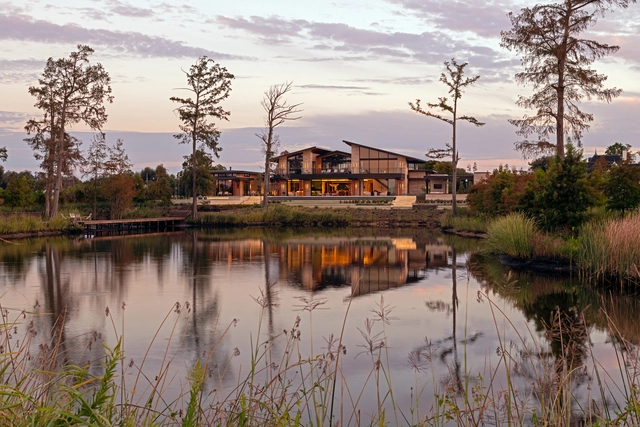
Located on an estuary of Prien Lake, straddling the Louisiana/Texas border, Pelican House exudes an elevated cabin aesthetic. Clad in Western red cedar and embellished with Texas Lueder limestone columns, broad overhangs, and exposed wood beams, it's a stunning bayou home anchored by glass walls that connect it to the surrounding landscape – and keep it safe when Mother Nature rages.
"It's a very picturesque location, but as you would imagine, it's also a very stormy one," says architect Winn Wittman, who designed the home for indoor-outdoor living in the Gulf Coast climate. Embraced and hammered by nature, Pelican House has withstood four hurricanes, both during and after construction. "The only evidence of the hurricanes is that the wood, which was initially smooth, now has a sandblasted appearance," Wittman says.
Every year, design competitions unwittingly push the creative envelope, setting new benchmarks for architects and designers worldwide. These contests don't just celebrate innovation—they fuel it, inspiring the next wave of boundary-breaking projects. Thanks to such platforms, we get to witness the extraordinary fusion of beauty, ingenuity, and craftsmanship that ripples through the creative industry.
The German Design Council has certainly joined the fray, recently revealing the winners of the prestigious ICONIC AWARDS 2024: Innovative Architecture—and the results were nothing short of spectacular. This coveted competition honors the full spectrum of architectural and creative disciplines, from visionary spatial concepts and groundbreaking building projects to cutting-edge product design, remarkable brand communication, and inventive uses of materials.
When designing and lighting a space, is the goal to fulfill a specific requirement or to be creative? Both perspectives hold merit; however, a unifying principle should always prevail: people must remain at the center of everything we do. Today, it is well understood that our environment significantly influences our well-being, affecting mood and performance, even in challenging contexts such as outer space. While this standpoint has encompassed anthropometric and biological aspects, new approaches are expanding design beyond the tangible. Lighting is now used to shape atmospheres that resonate deeply with our emotions.
https://www.archdaily.com/1022444/shaping-atmospheres-with-lighting-a-human-centered-approach-to-emotional-designEnrique Tovar
Pietra Tiburtina - Campidoglio. Image Courtesy of Casalgrande Padana
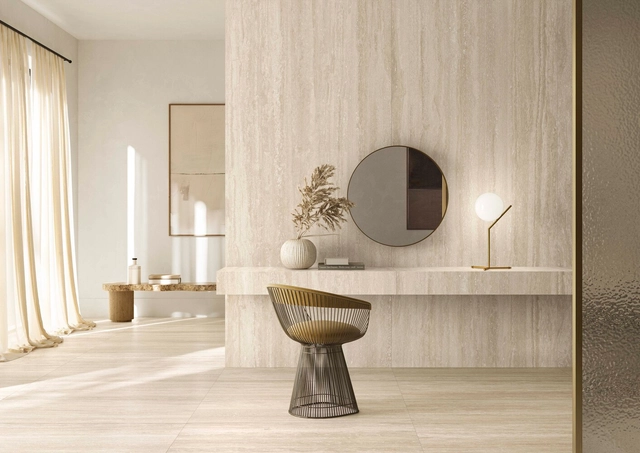
Travertine —known as lapis tiburtinus by the ancient Romans— has endured for centuries as one of the most iconic materials in Italian design heritage. This limestone has left a lasting mark on architectural history, from the monuments of the Roman Empire to contemporary works like the Church of 2000 and the Ara Pacis Museum. Over time, its aesthetic has evolved alongside art and design, adapting to technical advancements while preserving its essence and relevance in modern architecture.
https://www.archdaily.com/1022299/carving-pietra-tiburtina-a-contemporary-approach-to-classic-travertineEnrique Tovar
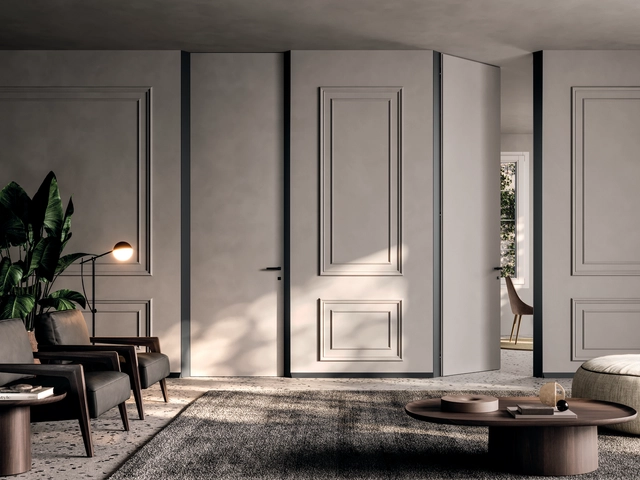
Creating an unbroken line between floor and ceiling is one of the most elegant ways to manipulate the spatial qualities of a contemporary interior. Floor-to-ceiling glass is a recurrent motif in the modern high-rise home, offering views out to some of the most spectacular skylines in the world. Full-height doors, meanwhile, are just as contemporary and sensational, but have more nuance and engineering involved. They don't draw the eye outside and beyond a space; instead, they create an immediate impact when you enter it. Instead of creating a frame to pass through, from room to room, these doors rise vertically and occupy the whole span of a wall. They represent cutting-edge holistic interior architecture, creating a sweeping, art-directed shift as you glide through them.
https://www.archdaily.com/1022530/flush-to-wall-transforming-doors-into-architectural-chameleonsMark C. O'Flaherty
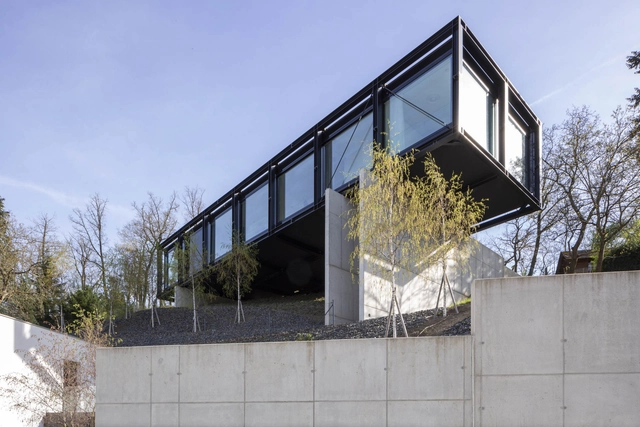
In the Czech river valley of the Berounka near Prague, Stempel & Tesař Architekti have created an extraordinary private residence. The elongated structure is primarily made of steel and glass, featuring oversized air-lux sliding windows. The entire volume juts out into the landscape like a pier.
Villa Sidonius embodies the purest form of view and overview. For good reason—the landscape along the Berounka River is characterized by the flora and fauna of various nature reserves. The town of Černošice, located on the southwestern outskirts of Prague, is also nestled in greenery. This environment inspired Stempel & Tesař to design this single-family home, resembling a pier stretching out into the landscape from a hillside.
From inked drawings on tracing paper, to highly detailed digital 3D models, the role of the architect has evolved, and next-gen design software is empowering today's architects with valuable data and design flexibility. In the past, the work was meticulous and required great manual effort, with every line and detail drawn by hand using rulers and other tools. Over time, programs like Revit revolutionized the field by enabling the creation of precise and digitally organized drawings, simplifying edits and the replication of components.
Over the past twenty years, the Holcim Foundation Awards has committed USD 20M to spotlighting projects from an industry-changing cast of architects, designers, and engineers who champion innovative practices in sustainable design and construction.
To better tell these success stories, the Foundation launched a short film series called 'Words with Winners.' The series includes a conversation with Loreta Castro Reguera, co-founder of Taller Capital in Mexico City, about the design of the highly innovative La Quebradora Waterpark, which received a Holcim Foundation Award in 2018.
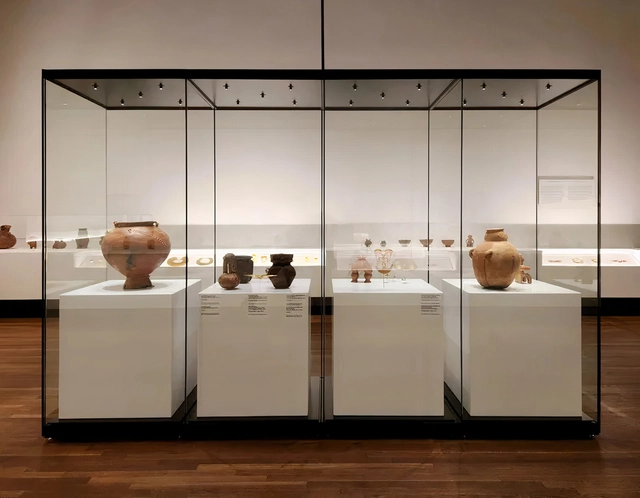
Exhibition spaces convey carefully curated content with the goal of educating, inspiring, and engaging visitors, using objects and displays to tell stories. In addition to promoting education, cultural preservation, and aesthetic appreciation, these environments encourage creativity and interaction. With immersive and interactive experiences, they allow visitors to form meaningful connections with new knowledge, different perspectives, and important cultural heritages, creating both intellectual and emotional engagement.
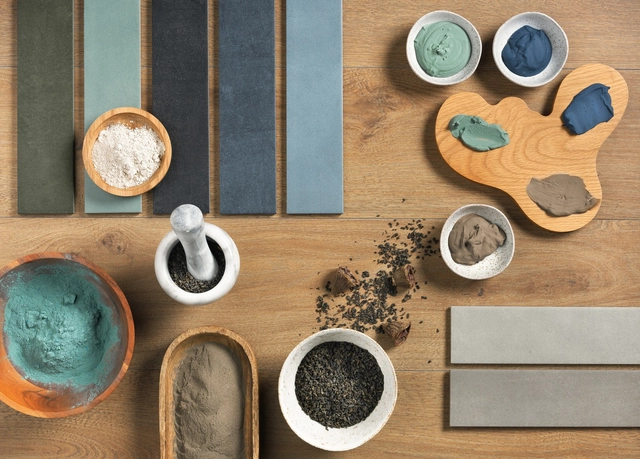
Ceramic tiles are a decorative form almost as old as time—originating in ancient Mesopotamia, where they were first used around 4,000 years ago. Today, they serve as a global motif, both ascetic and pictorial, available in a panoply of colors and textures. Formed from the elemental process of firing clay, minerals and water at high heats, tiles become a robust, hard-wearing material with a myriad of applications.
In what is now Italy, tile use and production proliferated in the Roman era – not least in the form of intricate, technicolor mosaics – and the styles embraced in antiquity were an early precedent for those used today. The use of tiles skyrocketed further in the later Renaissance period, with Italian artisans perfecting the medium as an artistic medium, and the country remains perhaps the consummate producer of ceramic and porcelain tiling.