The likelihood that your next favorite basketball game unfolds atop a customizable and interactive glass flooris relatively high. Even more so, the chances that this glass marvel is crafted by ASB GlassFloor are markedly greater. In the ever-evolving world of sports and corporate architecture, innovative design elements are increasingly capturing the spotlight. One such marvel making waves is the glass floor—a feature that, while seemingly a novelty, has become a staple in high-profile arenas across the globe. Beyond illuminating sports arenas, ASB GlassFloor has plenty of tricks up its sleeves to dazzle the world. Venturing into the corporate world is just one of those clever moves.
Videos
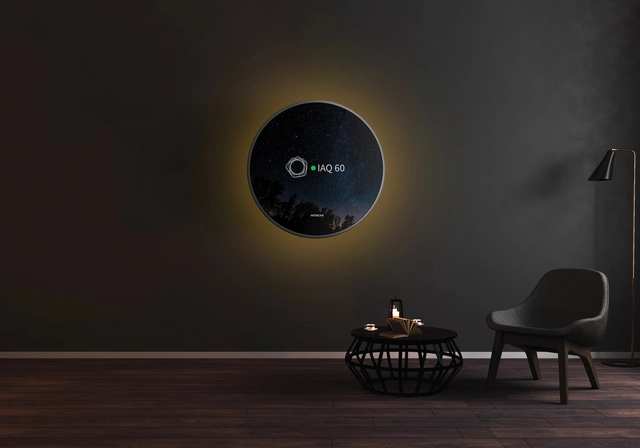
Images of 'airPure' design concept (3D renders). Image Courtesy of Johnson Controls-Hitachi Air Conditioning
The first air conditioning systems were created by electrical engineer Willis Carrier in 1902 to solve a problem for a printing press in Brooklyn, New York, where humidity threatened to ruin the paper. Since then, air conditioning has evolved from a revolutionary thermal comfort system into an essential element of homes and workplaces. Initially, the units were large and centralized, hidden away due to their ducted system nature. However, this approach is rapidly changing as more energy-efficient efficient ductless air conditioners become more integrated into contemporary interiors.
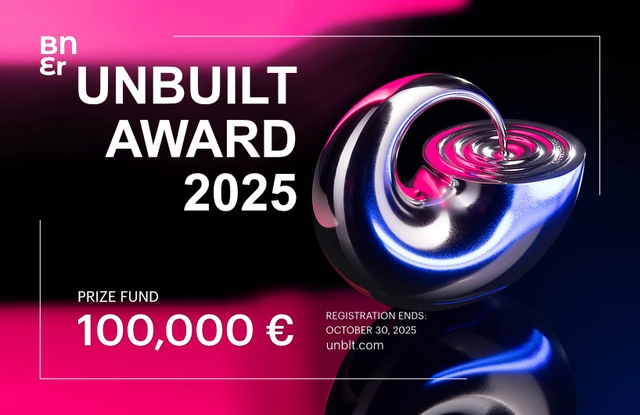
Unbuilt projects hold untapped potential. They tell stories of creativity, vision, and exploration. The Unbuilt Award 2025 shines a spotlight on these extraordinary designs, creating a platform for ideas that redefine boundaries.
With categories for small, medium, and large-scale projects, this competition ensures every vision receives the attention it deserves. No qualifications are required—this open call is for everyone, everywhere.
Windows are an essential architectural element whose basic function, though simple, remains vital. Primarily designed to let in natural light and facilitate air circulation, they play a constant role in everyday life, presenting an interesting duality. From an artistic perspective, painters such as Johannes Vermeer and Henri Matisse have used them as expressive tools, exploring their ability to frame views and tell stories. In contrast, windows have transcended traditional scales and designs within their contemporary and minimalist architectural dimension, creating fluid spatial connections between inside and outside. Beyond formal and stylistic innovation, this evolution finds resonance in the foundational concepts and treatises that have guided architecture since the past.
https://www.archdaily.com/1024391/how-to-frame-a-view-worth-framing-vitruvian-principles-and-the-ideal-windowEnrique Tovar
In today's world of architecture and design, it's no longer enough to present clients with blueprints or plans — they want to visualize the final product before construction begins. This is where 3D visualization studios come into play. By offering photo-realistic renderings, virtual tours, and interactive configurators, these studios make it easier for architects to communicate their ideas and leave a lasting impression on their clients. With the help of these cutting-edge tools, architects can create stunning presentations that truly deliver the "wow" effect at every stage of the project. Here's how DEGO render studio deliver with their unique solutions.
Videos
The Cage – Scottsdale, Arizona, United States
The results are in, and FritsJurgens are excited to announce the winners of the Best Pivot Door Contest 2024. This year brought forth an exceptional selection of pivot doors, each representing cutting-edge innovation, sophisticated design, and meticulous craftsmanship from across the globe.
FritsJurgens' esteemed jury, composed of last year's winners, conducted a thorough evaluation to determine the best entries in each of the three categories: Best Exterior Pivot Door, Best Interior Pivot Door, and Best Specialty Application.
Tree House. Image: Courtesy of Fletcher Crane Architects
The first light switch has come a long way since its invention in 1884 by John Henry Holmes in Newcastle, England. Holmes' ingenious 'quick-break technology' transformed the way electricity was managed, ensuring safer and more efficient lighting control. Since then, switches evolved in both form and function, embracing diverse designs—from toggles and rockers to the LED-illuminated models and sleek touch sensors. The function of the switch has also broadened, allowing us to operate more than just light at our fingertips, revolutionizing the convenience of shaping our interior environments.
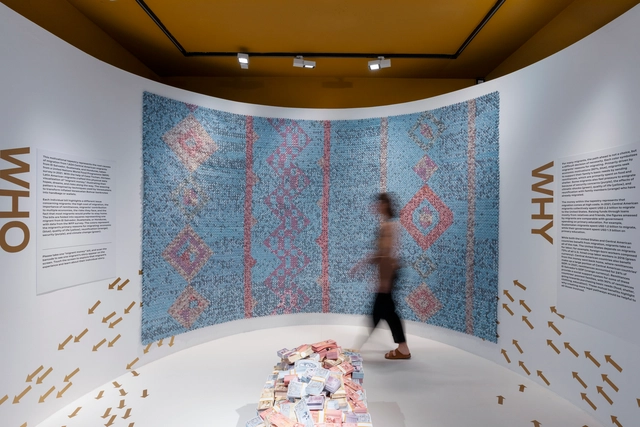
The European Cultural Centre (ECC) has unveiled the forthcoming chapter of its acclaimed Time Space Existence exhibition. Marking its seventh edition, this celebrated biennial architecture will once again transform Venice into a global hub of architectural innovation. From 10 May to 23 November, 2025, the iconic venues of Palazzo Bembo, Palazzo Mora, and Marinaressa Gardens will serve as vibrant stages for a kaleidoscope of ideas and visions redefining the built environment community.
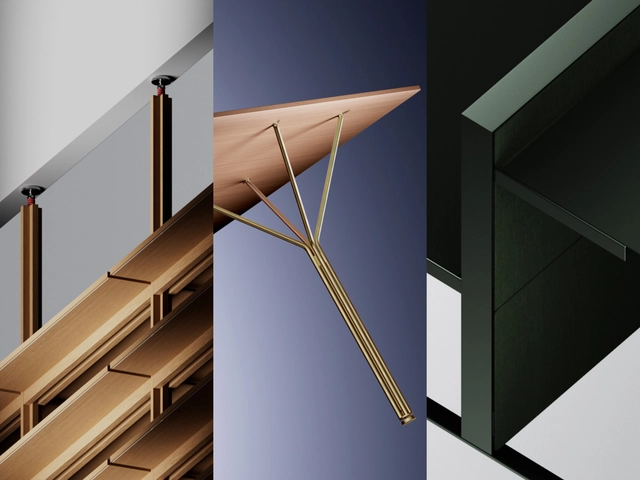
In today's rapidly changing professional landscape, the office is no longer a static environment. As companies continue to embrace hybrid working models and flexible teams, the need for adaptable, people-centric workspaces has never been greater. In collaboration with Foster + Partners Industrial Design, UniFor has responded to this shift with the XYZ collection, a suite of modular, versatile furniture designed to meet the dynamic needs of contemporary workplaces.
The collection features three key products: the X Shelving System, the Y Table, and the Z Desk—each designed to support a range of working styles while maintaining a harmonious visual language.
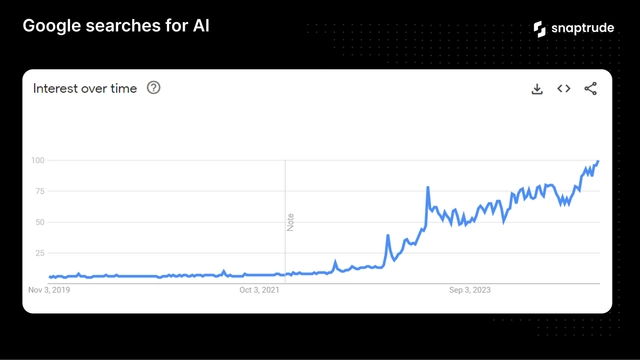
Just two years ago, AI was more science fiction than reality—something to joke about after making dystopian references to movies like I, Robot. But with OpenAI's release of ChatGPT in 2022, interest in AI is at an all-time high as the technology rapidly reshapes industries from tech and law to healthcare and, yes, AEC (Architecture, Engineering, and Construction).
There's an old saying: "When all you have is a hammer, everything looks like a nail" and with AI-driven design tools like Snaptrude, generative automation software like TestFit, and sustainability tools like Cove.tool, it's clear that AI is profoundly impacting the AEC industry in more ways than just one.
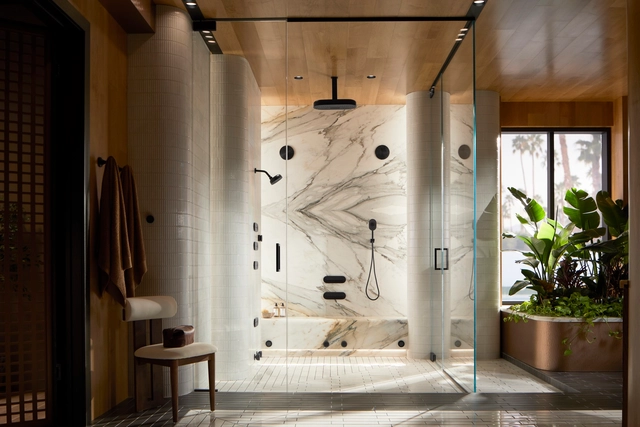
Anthem+™ - Shower environment. Image Courtesy of Kohler
Incorporating technology into architecture has transformed the way we design and experience environments across various scales, spanning from urban development to interior settings. Today, the concept of "smart spaces" embodies the fusion of innovation and design to enhance well-being and quality of life in our daily activities. This is achieved through seamless technological integration, encompassing a range of functions and systems via software, digital tools, and everyday devices like smartphones. As a result, activities like showering are experiencing significant advancements, evolving into a digital multi-sensory experience that offer personalized control over environmental factors, enhancing relaxation and well-being. These innovations enhance the interaction between technology, design, and users, fostering new ways to engage with spaces and subtly enriching our routine activities.
https://www.archdaily.com/1023948/creating-a-multi-sensory-digital-shower-experience-for-well-being-relaxation-and-controlEnrique Tovar
Today, our use of space—and by extension, our built environment—embraces a variety of functions, dimensions, and configurations. However, one key trait stands out: flexibility and multi-purpose design. This marks a shift from the traditional model, where spaces were rigidly defined by function, with distinct areas for working, resting, or socializing, each separated by fixed, solid walls. A key example of this shift is Skyfold's vertically folding retractable walls. With over 10,000 installations, Skyfold's operable walls redefine spatial boundaries and enhances versatility, enabling dynamic adjustments that quickly respond to evolving needs. Their widespread adoption underscores their effectiveness in addressing the challenges of modern interiors and architectural design.
https://www.archdaily.com/1023429/achieving-precision-in-flexible-design-the-path-to-10000-vertically-folding-skyfold-wallsEnrique Tovar
In architecture, the way we communicate our ideas is just as important as the spaces we design. But how can we convey these thoughts most effectively? While words hold influence, visuals are indispensable. Much like a musical score shapes a melody, drawings transform abstract concepts into tangible forms, acting as a shared language for architects and designers. They facilitate understanding and refinement of design concepts, especially in a digital era where precise graphic communication is essential to translate the experience of space. From this perspective, Architecture Candy explores architectural graphics to streamline and enhance visual communication within the fast-paced realm of architecture, which increasingly depends on advanced digital tools and workflows. The studio aims to be a go-to resource for elevating ideas with clarity, harnessing design and storytelling to narrate complex concepts through a minimalist style.
https://www.archdaily.com/1023896/concept-storytelling-and-visualization-the-power-of-graphic-communication-in-architectureEnrique Tovar
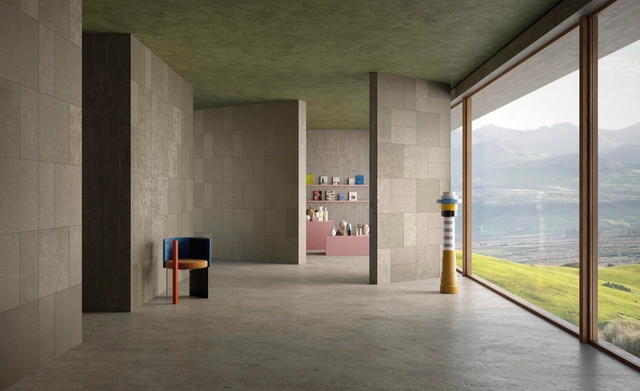
A surface does more than simply cover a space—it transforms it, infusing personality, rhythm, and soul. It evolves from being a mere backdrop to becoming an active element that shapes the atmosphere through the interplay of material, form, and light. The balance of the touch, the thickness, incisions, tones, and luminous reflections can transform surfaces into sensory experiences. Textures can evoke stability or lightness, grooves introduce dynamism, colors define moods, and light sculpts depth and movement. Ceramic, with its aesthetic and functional versatility, is particularly well-suited to this role, offering architects a broad palette of creative possibilities.
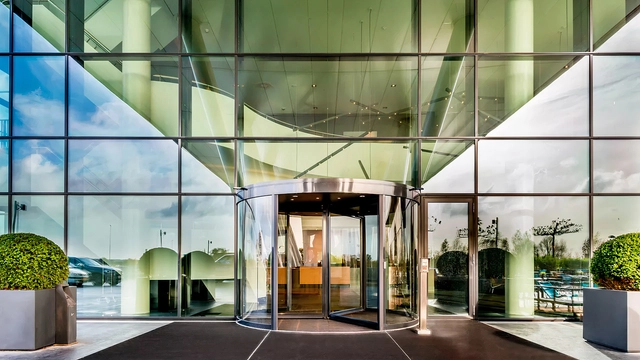
Accessibility in architecture is essential for creating built environments that accommodate of all ages, from young children to the elderly. In both public and private buildings—whether residences, infrastructure, or facilities—the design of internal pathways, circulation areas, and entrances and exits must prioritize safety, clarity and efficiency. This approach enhances daily activities and ultimately improves quality of life. ASSA ABLOY Entrance Systems offers a wide range of products, including automatic, industrial, and commercial doors, as well as digital solutions, to meet user needs.
Buildner has announced the results of its competition, the Last Nuclear Bomb Memorial No. 4. This competition is held each year to support the universal ban on nuclear weapons. In 2017, on the 75th anniversary of the 1945 bombings of Nagasaki and Hiroshima, which claimed the lives of over 100,000 people, the United Nations adopted the Treaty on the Prohibition of Nuclear Weapons.
In recognition of this treaty, Buildner invites conceptual designs for a memorial to be located on any known decommissioned nuclear weapon testing site. The conceptual memorial is intended to reflect the history and ongoing threat of nuclear weapons, aiming to promote public awareness of nuclear disarmament.
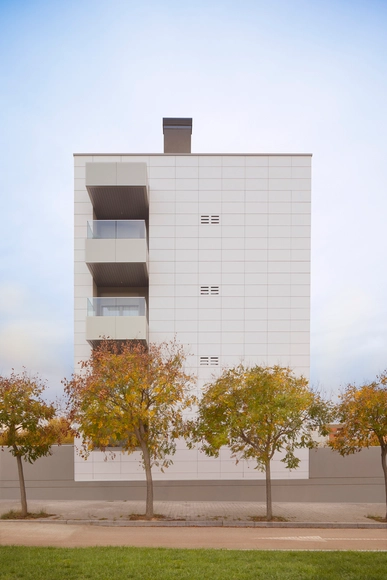
In a rapidly evolving urban landscape, the new residential building redefines the concept of community living. Gardea Residencial stands in one of the city of Zaragoza's 15 neighborhoods, Miralbueno, an area where residential developments have been built. The project exemplifies functional, sustainable design, realized through two linear blocks, each optimizing available space with a basement level, a ground floor, and additional two storeys—two in one block and three in the other. With its sleek design, this building brought to life by Tash&Partners features a ventilated façade made of extruded porcelain tiles by Faveker. These tiles, in addition to being recyclable, enhance sustainability and efficiency.
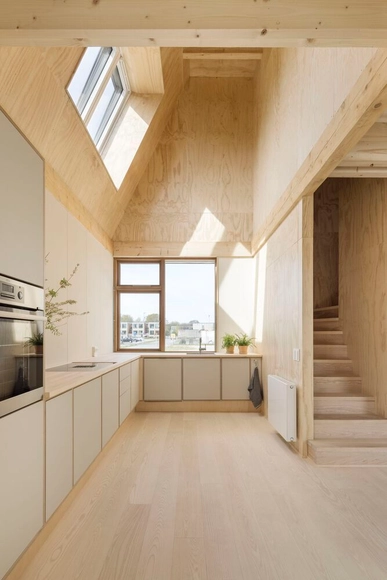
It's been four years since the VELUX Group, together with partners EFFEKT architects and Artelia engineers, first embarked on Living Places. The experimental housing project demonstrated that building more sustainable homes using readily available products, materials and technologies is possible. Putting the ultra-low carbon housing concept to the test, VELUX conducted a study with 98 live-in guests to evaluate whether sustainable homes can also provide indoor comfort. Using a combination of environmental sensors and guest questionnaires, the findings reveal that the homes maintain a comfortable indoor climate in line with European Standards and had a positive effect on the well-being of guests, showing that building for planet can also greatly benefit people.