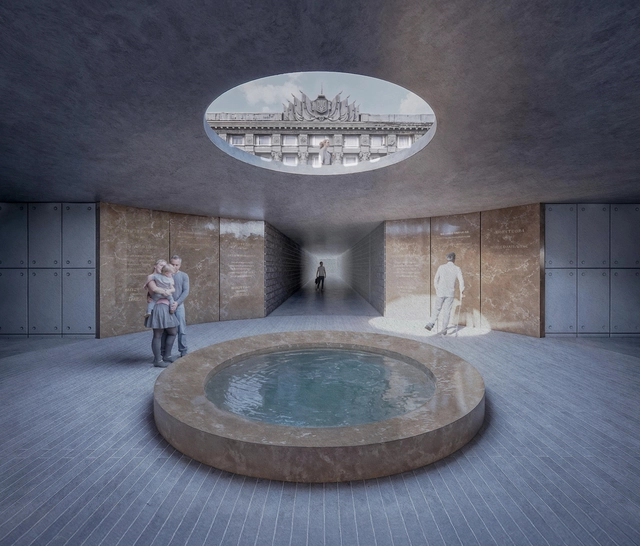
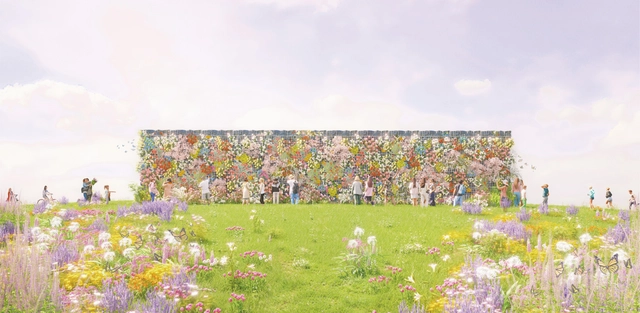
The city of Kharkiv has faced significant challenges due to its proximity to the Russian border. Amidst these circumstances, Kharkiv's Mayor, Ihor Terekhov, underscored the need for a new landmark during the United Nations' Second Forum of Mayors—a project that could embody renewal, resilience, and hope. The Freedom Square International Competition was launched as part of this vision, inviting local and international experts to propose innovative designs for Freedom Square and the Kharkiv Regional State Administration Building.
This competition is part of the broader Kharkiv Masterplan Concept, an initiative led by the Kharkiv City Council in collaboration with the United Nations Economic Commission for Europe (UNECE), the Norman Foster Foundation, Arup, and local architects and experts. The Masterplan Concept seeks to guide Kharkiv's regeneration by fostering a vibrant, inclusive, and forward-looking urban environment while honoring the city's historical identity.
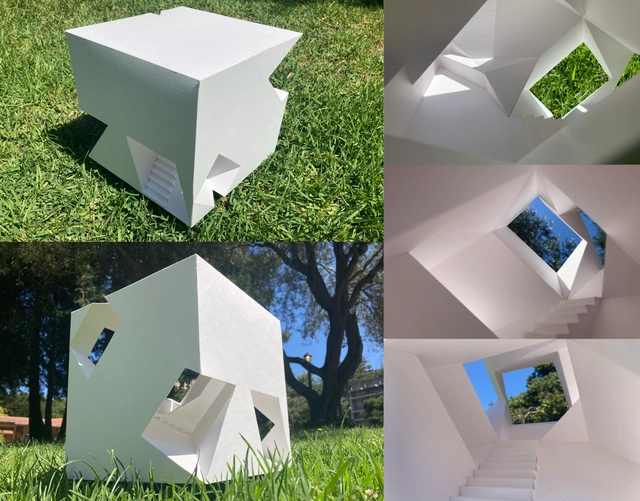
Project developed by student Jonah Ring, during InArch 2024. Image Courtesy of UC Berkeley
Are you considering a career in architecture or environmental design? The College of Environmental Design at UC Berkeley offers immersive summer programs that could help you decide if these creative fields are right for you. Whether you're a professional, undergraduate, or high school student, CED's Summer Programs offer you an invaluable opportunity to explore architecture, urban design, sustainable city planning, and landscape architecture.
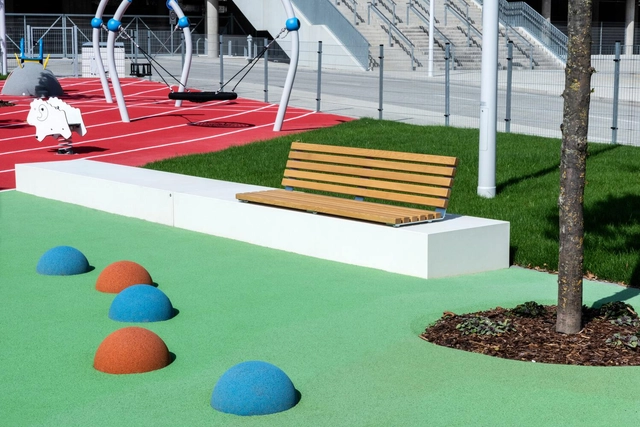
The National Athletics Centre in Budapest marks a significant milestone in urban regeneration and architectural innovation. Located on a former industrial site along the Danube, this transformative project revitalizes a neglected brownfield into a vibrant hub for sports, recreation, and community engagement. Designed by Marcel FERENCZ, architect at NAPUR Architect Ltd., with landscape design created by S-TÉR and several hundred pieces of furniture from VPI Concrete, the Centre is a cornerstone for connecting North Csepel to the city and fostering urban development.
The evolution of bathrooms into their modern configuration traces back to ancient civilizations like the Ottoman and Roman, where sanitation held significant cultural importance. During the Middle Ages, however, personal hygiene practices declined, setting back developments in sanitation until the Renaissance revived interest in cleanliness. This shift paved the way for key innovations in the 18th century, including modern plumbing systems that enabled the widespread adoption of modern sanitation spaces. Today, it's unimaginable to design an architectural project without incorporating these facilities, highlighting the essential role of hygiene and well-being, now closely tied to technological advancements.
https://www.archdaily.com/1023022/beyond-the-basics-innovations-transforming-bathroom-hand-dryer-technologyEnrique Tovar
Videos
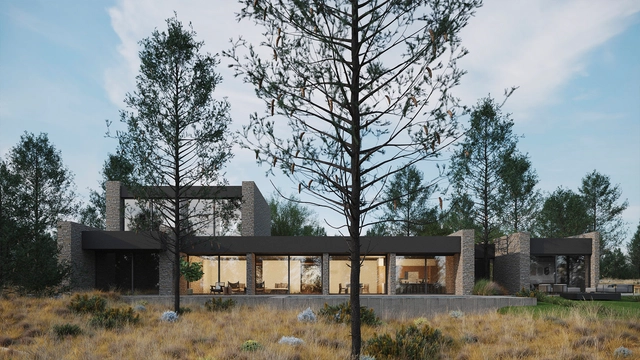
Project: Mahón Model, from the '111 Casas inHAUS' catalogue. Architect: inHAUS Houses.
Architects from all over the world are invited to participate in the "Best House in the World"competition, a new international contest designed to discover and reward innovative residential architectural designs that have not yet been built and are still in development. The inHAUS brand, with the sponsorship of Geberit, Porcelanosa, Schüco, Joquer and S&P, presents the challenge of industrialized construction for the most daring and creative projects. These are real projects, with actual clients and real plots, designed by architects striving to achieve new standards of excellence and quality in their residential constructions. Dare to challenge the innovative off-site construction system by inHAUS!
Over the past two decades, the Holcim Foundation Awards has committed USD 20M to spotlight transformative projects by architects, designers, and engineers who pioneer sustainable design and construction practices. To capture these stories, the Foundation launched a short film series titled Words withWinners.
This series provides an in-depth look at award-winning sustainable design projects through exclusive interviews with their creators. It includes the first film to showcase BRAC University campus, recently completed in Dhaka, featuring an exclusive interview with the lead architect and co-founder of Singaporean green building specialists WOHA Wong Mun Summ.
The Phasing Animation feature in D5 Render 2.9 redefines how professionals present complex projects. It simplifies the creation of dynamic, step-by-step visualizations, perfect for showcasing construction phases, product assemblies, and landscape transformations. With pre-designed templates like Drop/Rise or Ascend/Descend, users can quickly arrange objects in sequence without the need for complex keyframing, making it easier to illustrate how a structure is built, how a product is installed, or how elements grow and evolve within a landscape.
At some point, you might have found yourself pondering, "Who is the world's leading architect?" It's a difficult question, but fortunately, there isn't just one definitive answer. If you're curious about the global state of the art, architecture, and design industries, the World Design Rankings (WDR) offer an interesting glimpse into the creative pulse of nations. These rankings don't just name names; they paint a broad picture of each country's strengths, weaknesses, and untapped potential in the world of design.
The use of innovative tools, techniques, materials, and technologies to shape the future of construction is a subject that captivates professionals across architecture, engineering, construction, and planning, as well as investors and industry leaders. Advances in technology and breakthroughs in material science provide a rich landscape for exploration and discussion, sparking lively debates on the ongoing transformations in both urban and rural environments. Key areas of focus include resource management, the challenges posed by the climate crisis, and the broader implications for the built environment.
The Advanced Management Development Program (AMDP) stands as Harvard's premier leadership program for seasoned real estate professionals and executives, offering a unique opportunity to reshape perspectives on the evolving built environment. Tailored for high-level practitioners and firm leaders, the program spans just one year, with five weeks spent on Harvard's campus, culminating in the coveted title of Harvard alum. As one recent graduate aptly put it, "I would describe the program as a crash course in how to think differently and most importantly a chance to meet inspiring classmates who are looking to do the same thing."
Buildner has announced the results of its Museum of Emotions Competition Edition 5. The Museum of Emotions is an annual international design competition that tasks participants with exploring the extent to which architecture can be used as a tool to evoke emotion.
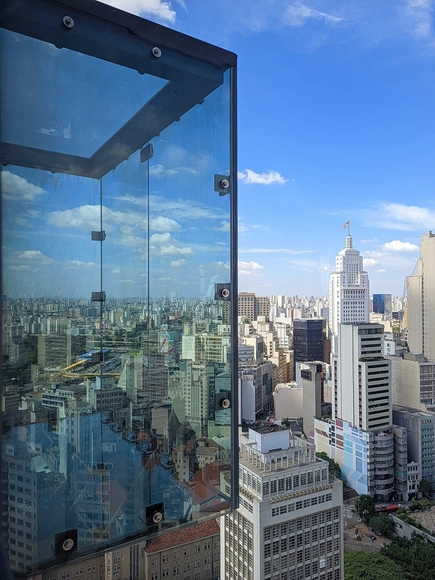
Walking on a glass floor is a unique experience that blends awe with a touch of unease. The transparency creates the illusion of emptiness beneath your feet, despite the firm support, generating a visual disconnection that makes each step feel tentative, as if you were floating or crossing an invisible bridge. Although glass is engineered for safety, the mind often associates it with fragility, producing a curious tension between trust and doubt. It's this mix of emotions that makes walking on a glass floor so unforgettable.
Modern glass floors are remarkably strong, thanks to advanced materials and manufacturing processes. Typically made from laminated glass—composed of multiple layers of glass bonded with a durable interlayer—they are designed to prevent shattering into sharp fragments. In terms of load capacity, a well-designed glass floor can support weights equivalent to or greater than traditional flooring materials, often exceeding 500 kilograms per square meter or more, depending on the design and application. Step onto a glass floor, and you're not just walking—you're floating, suspended between reality and illusion in a thrilling feat of modern design.
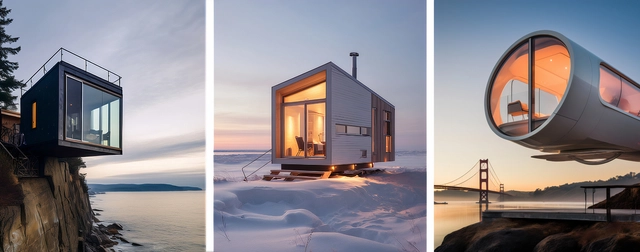
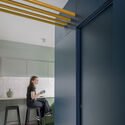
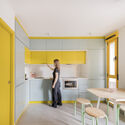
The MICROHOME 2025 Competition by Buildner is back, offering a record-breaking 100,000 EUR prize fund to celebrate cutting-edge, sustainable solutions for compact housing. Sponsored by Kingspan, this global competition invites architects, designers, and creative thinkers to redefine the concept of microhomes.
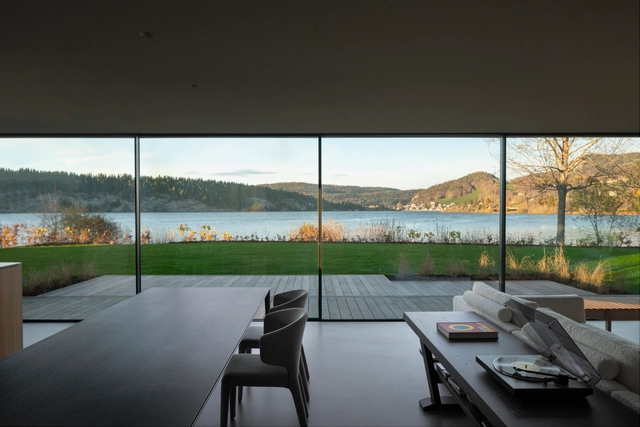
Each region possesses a distinct architectural identity, serving as a cultural "fingerprint" that makes it uniquely recognizable. Italian design, for instance, draws from the Roman legacy using stone and light hues. Turkey is distinguished by intricate glazed tilework that adorns walls and ceilings, whereas Mexico embraces vibrant colors and textures through local materials and artisanry. Many of these elements are rooted in heritage-based practices, yet over time, they have been reimagined and transformed through new processes, giving rise to contemporary architectural expressions. In Switzerland, the concept of "Swissness" frames this core identity—a fusion of watchmaking precision and functionality. Rooted in micromechanics, Swiss engineering, and craftsmanship converge in the design of modern minimalist windows, where clean lines and transparency redefine boundaries and shape the architectural language.
https://www.archdaily.com/1024621/swissness-framed-micromechanics-and-minimalist-windows-in-modern-architectureEnrique Tovar
Buildner has announced the results of itsHospice - Home for the Terminally Ill competition, the third in a series of architectural idea challenges focused on creating compassionate spaces for individuals facing terminal illnesses. This competition encouraged architects to move beyond traditional medical models, designing environments that prioritize comfort, dignity, and community.
Why demolish when you can embellish? A collaboration between ArchDaily and ICEX highlights the most outstanding remodeling, reuse, extension and renovation works recently built in Spain. This competition focuses on how Spanish architecture values the revitalization of historic buildings and centers, and recovers existing structures promoting a more balanced urban development. In Spain, old casonas become boutique gems, and factories like Madrid's Matadero morph into cultural havens—a clever mix of tradition and modern flair. After all, good design isn't built—it's built upon.
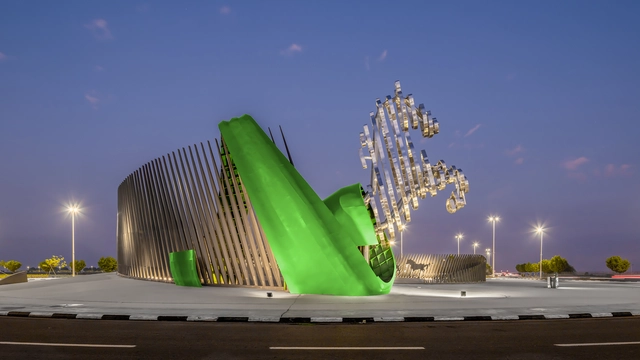
The Aebayah Roundabout designed by ARCHMA Studio. Image Courtesy of Mujassam Wattan
Cities are vibrant environments where architecture, public spaces, and art intertwine to shape the human experience. Sculptures and landmarks are essential components of urban design, creating cultural connections and enhancing both functionality and aesthetics. They define a city's identity while fostering community interaction and civic pride.
In Alkhobar, Saudi Arabia, public art has played a transformative role in reshaping the cityscape, with projects like Alarda, Alkhobar Memory, Aebayah Roundabout, and Albairaq Roundabout. These initiatives, many spurred by the Mujassam Wattan competition (MW Award), highlight the profound impact of integrating art into urban design.
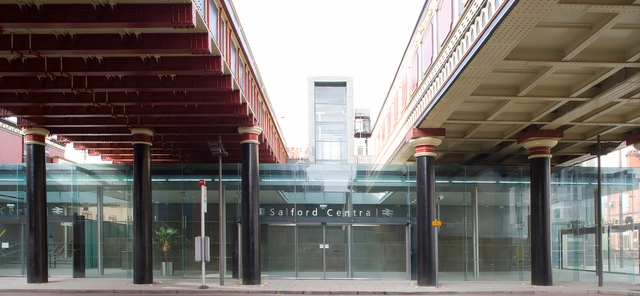
Salford Central Railway Station, Manchester. Image Courtesy of Pilkington
Infrastructure comprises the core services that urban areas must provide to ensure access to essential health and well-being standards, such as basic sanitation, energy, roads, transportation, and communication. Beyond being a functional network, infrastructure plays a transformative role in shaping how people live, work, and connect. Train stations, for instance, extend beyond their mobility functions to become centers of social interaction, economic hubs, and symbols of sustainable development. Their design reflects a delicate balance between functionality, safety, and architectural value, illustrating how infrastructure can enhance and transform urban experiences.