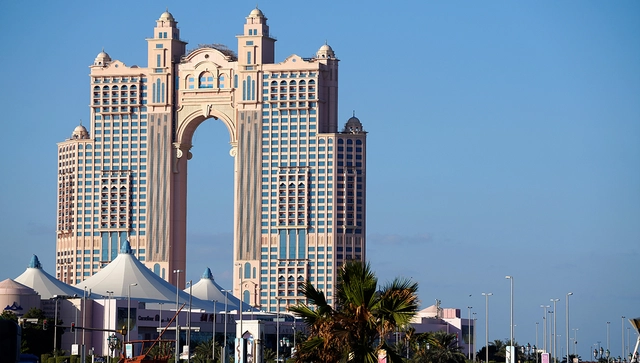
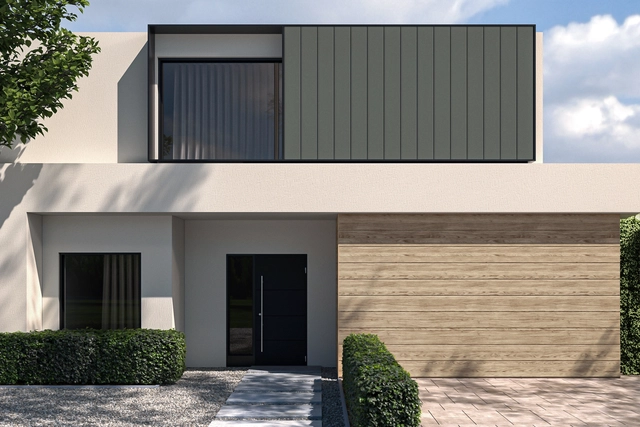
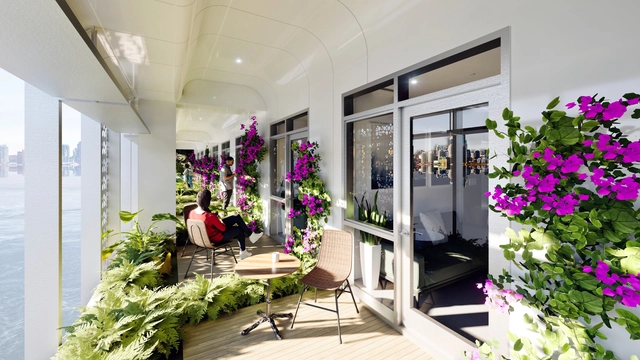
The Rixos Marina project demonstrates the perfect harmony between luxury and style using Terraco’s Terracoat Suede. Image Courtesy of Terraco
The façade of any building is more than just its exterior; it serves as a canvas that not only enhances the structure's appearance but also reflects its inner essence and character. The exterior façades category encompasses a broad variety of finishes and systems, including renders, and decorative coatings, designed to protect buildings while adding aesthetic value, blending functionality with visual appeal in perfect harmony. These finishes are crucial in defining the architectural character and energy efficiency of residential, commercial, and industrial structures.
The global exterior façade finishes and coatings industry is witnessing significant growth, driven by: increasing construction activities related to rapid urbanization and development; accelerated renovation projects; the adoption of energy-efficient building and sustainable construction practices; and the rising demand for aesthetically pleasing and durable building exteriors. It is projected to grow with a strong CAGR of 9% between 2023-2030, as per the Exterior Architectural Coating Market 2024 report by 360iResearch.
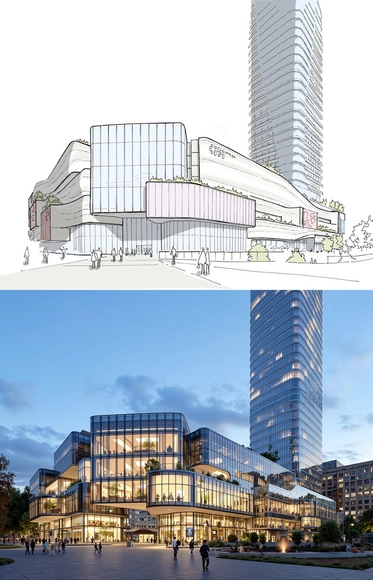
Architecture is a discipline that evolves through progressive stages, with each phase building upon the previous one. Schematic design, for example, begins with broad concepts and initial explorations, followed by site analysis, sketches, and 3D models, with adjustments made along the way. The true challenge lies not just in following this sequence but in balancing speed, quality, and efficiency to navigate the trade-off between time and quality. In this context, the integration of generative artificial intelligence in the built environment reshapes architectural dynamics by assisting architects and creating space for more experimentation and exploration. Its impact is especially significant in rendering, which was previously a constraint at different project stages—particularly during concept development. Today, however, AI-powered architectural rendering operates smoothly, allowing more focus on creative problem-solving through innovative tools and strategies.
https://www.archdaily.com/1027260/how-ai-powered-rendering-crushes-bottlenecks-in-architecture-and-interior-designEnrique Tovar
Humanity's fascination with the unknown is a timeless impulse, rooted in curiosity and the desire to push boundaries, uncover mysteries, and open doors to new frontiers. What were once represented by voyages and the discovery of new islands and continents are now pursued in the vastness of the Universe. As we seek answers, provoke new questions, and open doors to endless possibilities, this drive continues to inspire. It has shaped countless literary and cinematic works, transforming interstellar exploration from a science fiction concept into a vision increasingly grounded in reality.
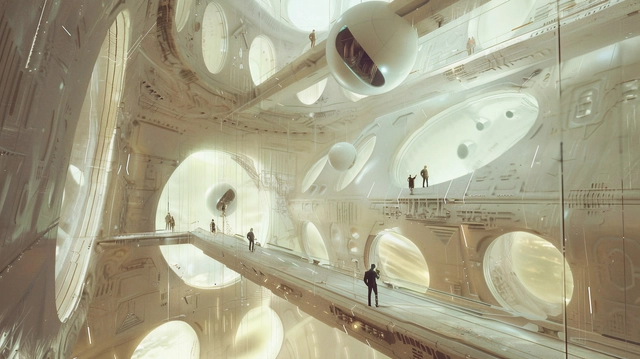
One such visionary project is Project Hyperion, spearheaded by the Initiative for Interstellar Studies (i4is), which challenges humanity to develop practical solutions for interstellar travel through a design competition. By envisioning generation ships—vast, self-sustaining habitats capable of supporting multigenerational societies on journeys spanning centuries—the project not only pushes the boundaries of technology but also sparks social innovation, stretching the limits of our collective imagination. There is still time to submit your design by March 9th, with Phase 2 starting on May 4th.
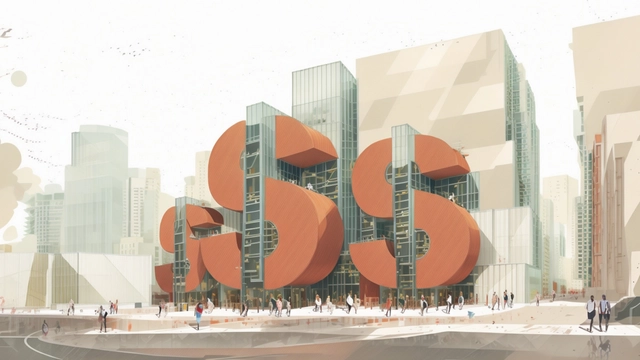
Often admired for its simplicity and ability to clearly communicate via scribbles on an espresso martini-stained napkin, the napkin sketch is perhaps one of the most recognized forms of creative leadership in the industry. Not only is it iconic, but this type of early-stage, iterative sketch helps to set project direction in a fast, easy, and effective way. However, the work that follows to translate that sketch into design (and ultimately win work) often robs firms of a profitable early-stage design phase.
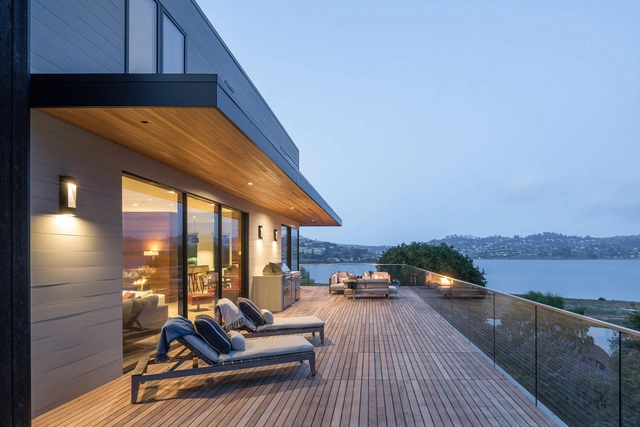
Guardrails and windscreens play an essential role in contemporary architecture, combining safety, functionality, and aesthetic appeal. These systems are crucial for protecting elevated spaces like balconies, terraces, and staircases, incorporating materials such as tempered laminated glass, stainless steel, aluminum and innovative fastening systems. This allows for transparency and unobstructed views without compromising safety. They also feature customizable options, including top caps, handrails and integrated lighting, enabling architects to create unique, visually striking spaces that meet both practical and aesthetic goals.
Essentially, a guardrail system is a carefully designed assembly of components, each playing a vital role in ensuring safety and aesthetics. Beyond the desired visual impact, these systems must be highly reliable and safe to fulfill their primary function. At the core of the system is the guardrail components, providing support and guidance, with infill options, including, glass panels, bar/tube or cables balancing safety and style. Base shoes, a type of guardrail system, anchors glass infill panels to the structure, ensuring durability and precision. Optional handrails, can either be post mounted or mounted directly to the glass, while top rails provide an aesthetic touch while protecting the top edge of the glass and helping with glass alignment.
Types of Spaces - Spain | Architects: HANGHAR, Madrid, Spain; PALMA, Mexico City, Mexico. Image Courtesy of Weinberger
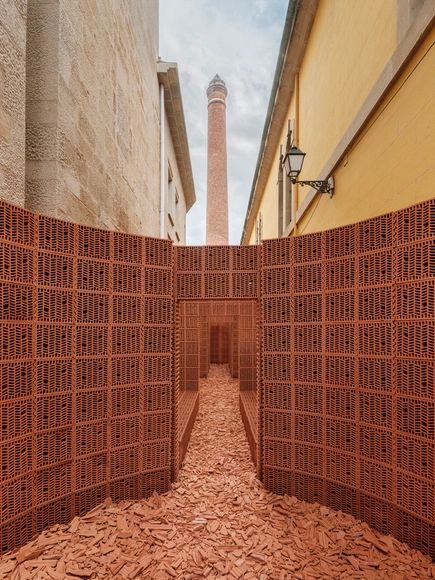
The Brick Award is presented every two years to honor innovative, sustainable, and visionary brick architecture worldwide. The upcoming Brick Award 26 will be celebrated in June 2026. Architects, designers, and developers are encouraged to submit projects that showcase creativity and functionality using clay building materials. This prestigious award recognizes excellence across various categories and offers a global platform to highlight the versatility and potential of bricks in contemporary architecture. Submissions for the Brick Award 26 are open until March 9, 2025, offering a unique chance for international recognition. Participation does not require the use of wienerberger products.
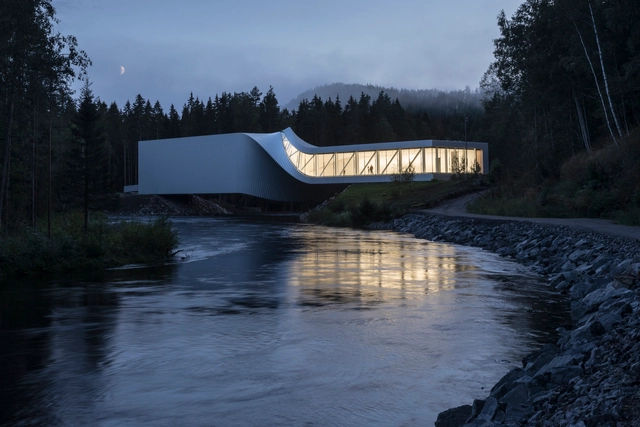
Designing the next 'wow' project? It's like trying to catch lightning in a bottle—except with BIG and D5 Render, you're handed the jar. Bjarke Ingels Group (BIG), a global leader in architecture, is renowned for its bold designs and commitment to innovation. Constantly exploring new tools, BIG pushes the boundaries of design technology to optimize workflows and enhance creativity. With iconic projects worldwide, BIG has redefined architectural storytelling. By leveraging D5 Render's all-in-one platform, the firm has optimized its real-time design and visualization workflow, combining D5 rendering, animation, and AI to bring concepts to life with exceptional speed and precision.
Caleb Whiting dogbear869, CC0, via Wikimedia Commons
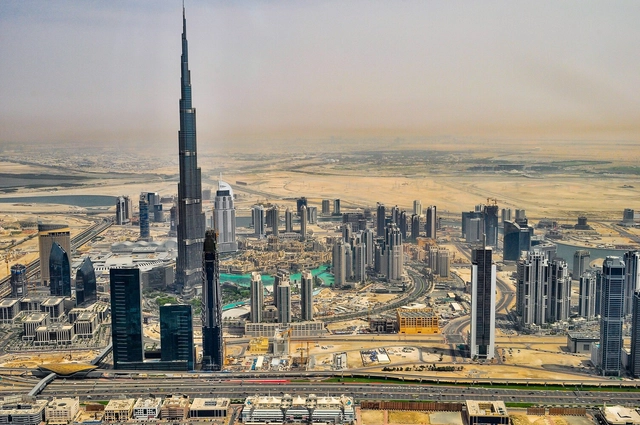
Dubai has evolved from a humble trading port into a global metropolis renowned for its futuristic skyline and pioneering architectural feats. In the early 20th century, its landscape was shaped by traditional Arab homes featuring internal courtyards and wind towers, designed to endure the harsh arid climate. The discovery of oil in the 1960s marked a turning point, triggering rapid urbanization. Throughout the 1970s and 1980s, a surge in construction, fueled by oil revenues, led to the rise of concrete tower blocks and low-rise apartment complexes, accommodating an influx of expatriates drawn to UAE's booming economy. By the 21st century, the UAE witnessed unparalleled architectural advancements. Landmark projects like the Burj Khalifa—the world's tallest building—and the Palm Jumeirah—an artificial archipelago—transformed the country's skyline, solidifying the UAE's reputation as a global hub of architectural ambition and innovation.
This rapid growth has also brought diverse challenges across the UAE, particularly in housing and the difficulty of ensuring dignified living conditions for the working class. Dubai serves as a striking example of how urban expansion has transformed the country, but different geographies and regions within the UAE have distinct needs, shaped by their local environments and communities. The House of the Future competition—organized by Buildner in partnership with the Sheikh Zayed Housing Programme—calls on visionaries to rethink residential architecture across the UAE. With submissions open until April 30, the competition offers a platform for bold ideas that could shape the homes of tomorrow, addressing the varied demands of different locations.
Doors are part of our daily routine, opening and closing so naturally that we rarely consider how they work. That is why, when discussing innovations in their design, many might think, "If it ain't broke, don't fix it." However, just because something functions well doesn't mean it can't be improved. Doors are no exception—their components can be optimized for better performance without changing their fundamental nature. Instead of sticking to the familiar, why not open the door for enhancement? Pivot doors are a clear example. In addition to offering aesthetic versatility and nearly endless design possibilities, their opening system on a central axis allows for fluid and controlled movement, especially indoors. However, a challenge remains in their design: making them hold steady at different angles.
https://www.archdaily.com/1026629/and-yet-it-holds-a-pivot-hinge-system-that-keeps-doors-at-every-90-degrees-angleEnrique Tovar
Cladding is an essential element in architecture, combining functionality, technology, and aesthetics to protect and enhance buildings. Among the various materials available, such as stone, wood, and composites, metal cladding stands out for its durability, low maintenance, and design flexibility. In addition to offering weather resistance and fire safety, its recyclability makes it a sustainable and cost-effective solution for projects of all sizes. To meet these demands with efficiency and sophistication, Parallel Architectural Products offers a range of metal claddings and other innovative products designed to optimize installation, reduce labor costs, and ensure high-quality finishes.
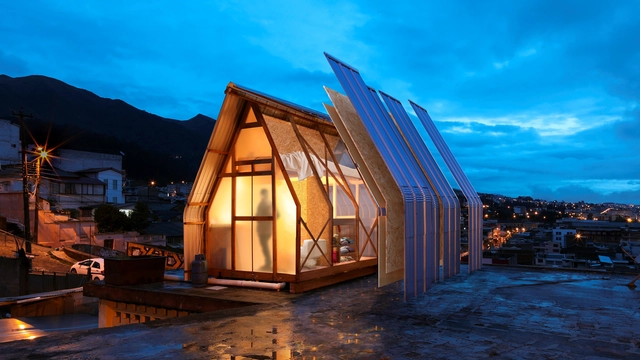
The registration period for MICROHOME 2025 Competition is coming to a close. The competition offers a 100,000 EUR prize fund to celebrate cutting-edge, sustainable solutions for compact housing. Sponsored by Kingspan, this global competition invites architects, designers, and creative thinkers to redefine the concept of small-scale living.
Visit the competition page to register before the deadline on 13 February 2025.
Disciplines such as architecture, interior design, product design, and fashion rely on awards to celebrate innovation, set industry benchmarks, and inspire excellence. Beyond mere recognition, these accolades validate creative achievements, strengthen reputations, and expand the visibility of ideas that challenge conventions. They also foster interdisciplinary collaboration, encourage professional growth, and highlight the transformative impact of design on everyday life.
Among the world's most prestigious design competitions, the A' Design Awards & Competition is now open for submissions—an opportunity for designers, architects, and creative professionals to showcase their work on a global stage. Winning this award brings unparalleled benefits, including international exhibitions, media exposure, and a coveted place in the World Design Rankings. Past winners have had their work showcased in global exhibitions, featured in renowned publications, and presented at industry events, connecting them with influential leaders and expanding their reach in the competitive design market.
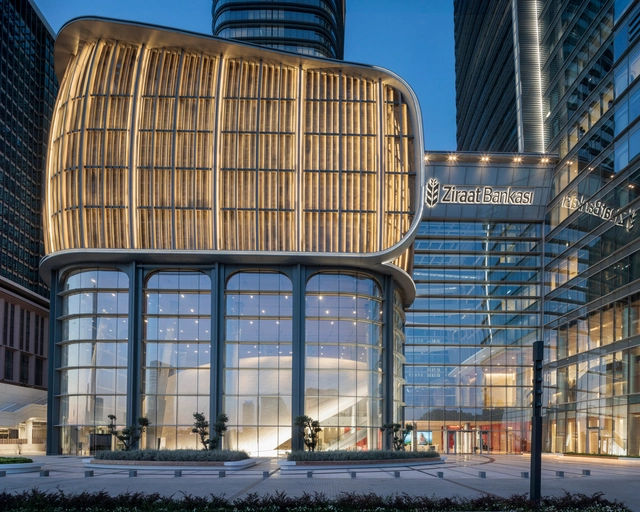
For almost four decades, ABB, the Swedish-Swiss multinational leader in electrical engineering, has been at the cutting edge of innovation and expertise. A standout initiative in their portfolio is the Frozen Music video series,a video series showcasing exceptional architectural projects and the architects who create them.As Katrin Förster, Global Key Account Manager at ABB, explains, 'When producing an episode for Frozen Music, I always begin by sending a bespoke questionnaire to the architect.'For Episode #24, a conversation with Mustafa Chehabeddine, Design Director at KPF, helped shape the narrative, emphasizing the formal and functional qualities of Ziraat Bank's new headquarters in Istanbul.
Sustainability has been deeply rooted in EGGER's corporate DNA since 1961. Long before it became a global imperative, Fritz Egger Sr. recognized the immense value of wood and laid the foundation for a business model built on responsible resource use. Working in closed cycles is a central element of the corporate philosophy. The wood-based material specialist gives the valuable resource of wood many lives and assumes comprehensive economic, ecological and social responsibility.
Winston Churchill once wisely stated, "We shape our buildings, and in turn, our buildings shape us," a reflection that highlights how architecture, in its dynamic nature, responds to functional needs and molds the experiences of its users. Workplaces have been no exception, evolving with the social and technological changes that have redefined our understanding of organizational interactions. Almost in the blink of an eye, the once-restrictive cubicles and closed offices have made way for open layouts, while hybrid models have transformed offices into destination spaces. Furniture elements like office pods are at the forefront of this change—balancing collaboration and privacy. Designed to adapt, they have continually evolved alongside the shifting demands of modern workspaces and their inhabitants.
https://www.archdaily.com/1025776/an-eden-within-the-workplace-flexible-pods-with-biophilic-and-human-centered-designEnrique Tovar
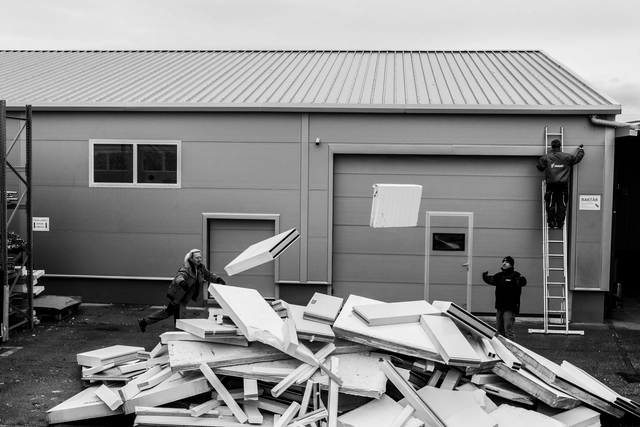
Polyurethane (PU) started as a solution to a 1930s shortage, but today it's a key material in industries from insulation to cushioning. Invented in 1937 by Otto Bayer and his team in Germany, PU was originally designed as a cheap, versatile alternative to rubber. It quickly became popular in coatings and adhesives for its strong bonding and protective properties. PU is made by reacting polyols and isocyanates, which generates heat and, in the presence of expansion agents such as water or gases, creates bubbles that cause the material to expand, resulting in a foam with adjustable density and structure. Its flexibility allowed PU to revolutionize industries with products like insulation and padding. However, its durability and non-biodegradability have raised environmental concerns. To address this, companies like Purman are leading the charge in recycling PU waste, helping to reduce its environmental impact while promoting more sustainable alternatives.
In the world of architecture, competitions often serve as platforms for creativity, experimentation, and problem-solving. For Daniel Rojas, Founding Partner of Wandrian Studios, winning the 2023-2024 MICROHOME competition, sponsored by Buildner and Kingspan, was a transformative moment. His project, Urban Residential Pods, addresses the global housing crisis by reimagining vacant office spaces as compact, sustainable homes.
Rojas' design strikes a balance between innovation, functionality, and sustainability, offering a glimpse into how architecture can address some of today's most pressing challenges. As the next edition of the competition approaches, Rojas shares insights into his winning project and offers advice to future participants.
Visit the MICROHOME competition site for details in the open 2025 edition and to register before the deadline on February 13.
The clock is ticking for architects, urban planners, and engineers to submit their groundbreaking projects to the Holcim Foundation Awards. With the entry deadline of February 11, 2025, at 14:00 hrs UTC, this is the final opportunity to gain global recognition and compete for a share of the USD 1 million prize pool. The awards ceremony will take place at the Venice Forum on November 20, 2025 and winners are invited to attend.