-
Architects: Leddy Maytum Stacy Architects
- Area: 124000 m²



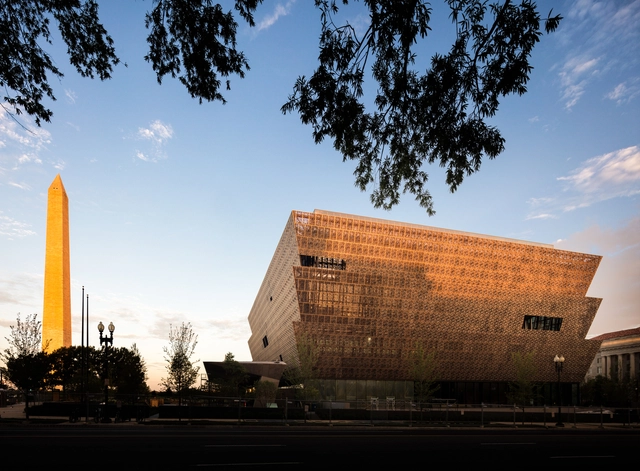
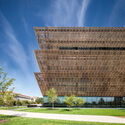
Juneteenth, observed annually on June 19th, commemorates the emancipation of enslaved African Americans in the United States, marking a moment of liberation and reflection on a complex and often overlooked history. Originally celebrated in Texas, Juneteenth has grown to symbolize broader themes of freedom, resilience, and cultural identity, fostering conversations about justice and representation. This day also presents an opportunity to highlight the ways in which architecture can serve as a medium for preserving and presenting African American history and cultural values.
Architecture, beyond its functional and aesthetic qualities, can reflect and collect narratives, values, and hidden histories, giving a tangible and visual presence to communities often underrepresented in cityscapes. Buildings dedicated to African American history and culture become physical landmarks that anchor these stories within the daily life of cities. They serve as places of learning, reflection, and celebration, creating meaningful spaces that engage the public and foster a sense of communal identity.
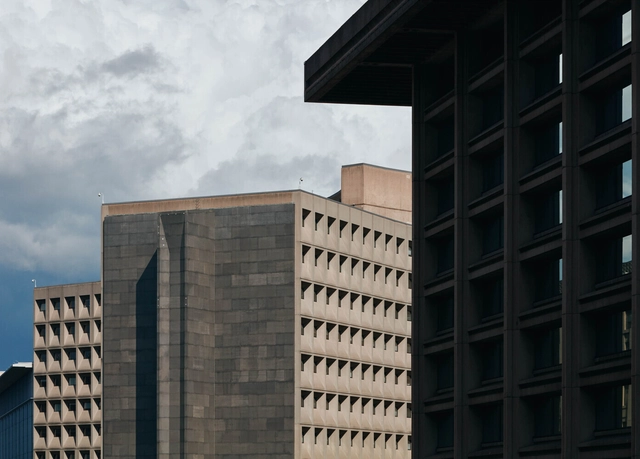
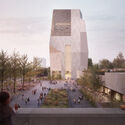
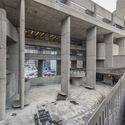
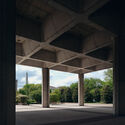
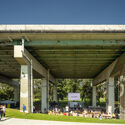
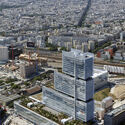
Brutalist architecture in the United States is a monument to collective postwar optimism and reassurance that the city and federal governments are in authority. Conceived as an embodiment of strength and efficiency, Brutalist structures were quickly adopted for the architectural language of civic and governmental institutions in the mid-to-late twentieth century in the United States. Towering monoliths of raw concrete rose across the nation, projecting an image of institutional permanence while simultaneously provoking debate over their social and psychological impact.
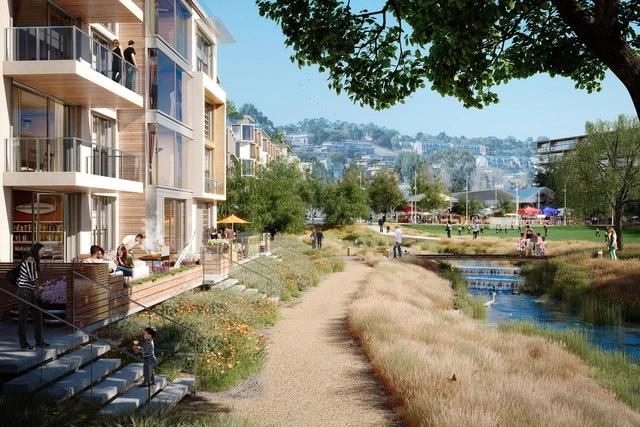
This month, architecture has addressed a wide array of themes, from preserving cultural heritage to designing for adaptability. Around the world, architects are responding to changing needs with solutions that aim to prioritize both functionality and the environment. Notable examples include Gehl, SOM, and Bionic's ambitious redevelopment of San Francisco's India Basin waterfront, which reimagines urban living in harmony with nature, and VOID Studios' collaboration on Kenya's Masai Mara Conservation Centre, a project deeply rooted in ecological and cultural sensitivity. Elsewhere, Nokken and BIG unveiled their "Softshell structure," offering a flexible option for hospitality and residential markets. Meanwhile, the transformation of The Raleigh in Miami Beach by Peter Marino aims to preserve the site's heritage while introducing new standards. These projects, among others, reflect the ever-evolving priorities of the field. Read on to discover the latest news shaping the architectural world.
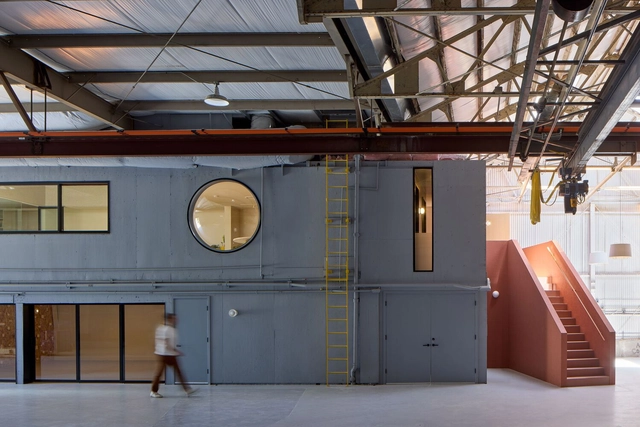
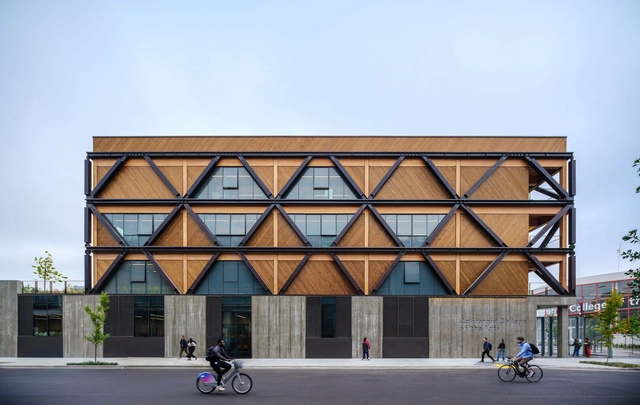
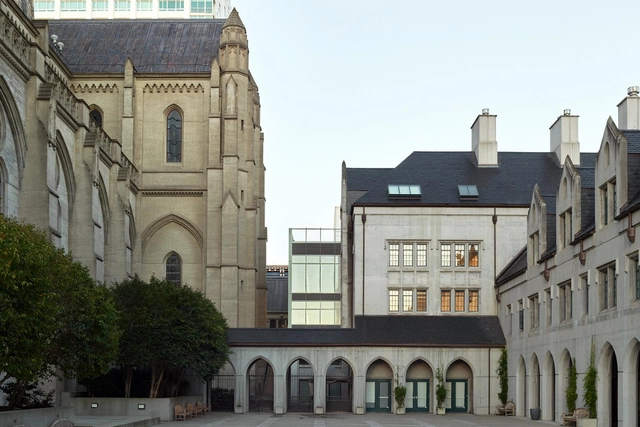
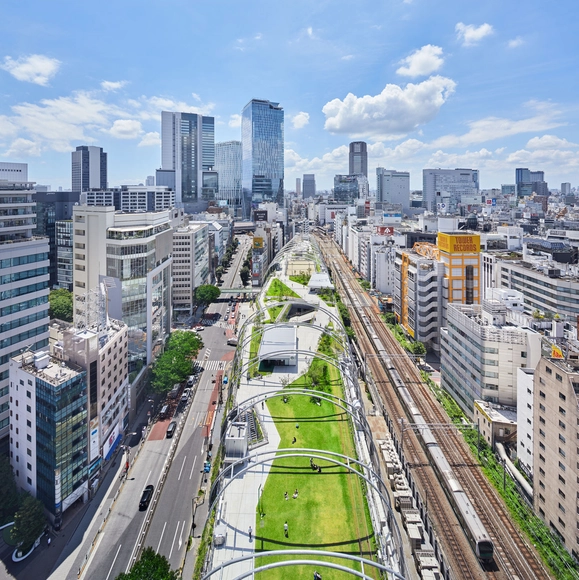
In recent years, Public-Private Partnerships (PPPs) have become a significant model for delivering large-scale infrastructure projects around the world. These partnerships bring together the strengths of both the public sector, represented by governments or municipalities, and the private sector, combining their resources, expertise, and investment power. In the context of architecture and urban development, PPPs are increasingly being used to address the complex needs of growing cities, helping to finance, build, and maintain critical projects that would be difficult for either sector to accomplish alone. But what exactly are PPPs, and how do they function in the built environment? This article explores the concept of PPPs, providing examples from across the globe to illustrate how these partnerships are shaping the future of urban spaces, sometimes beyond commercial gains. Furthermore, by exploring the different projects, the article aims to develop a framework around PPPs' positive and negative potential impacts.
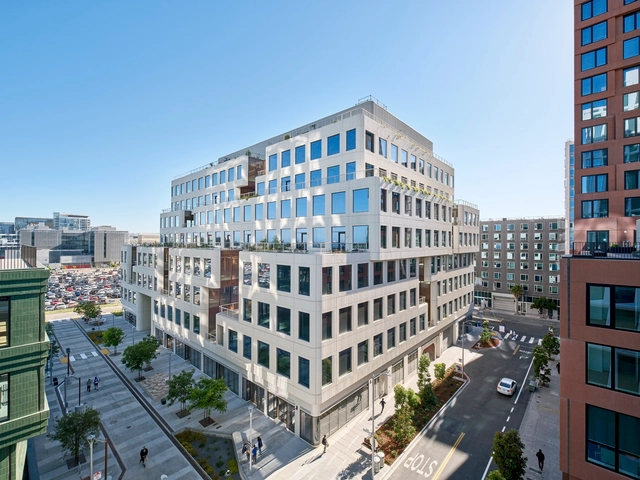
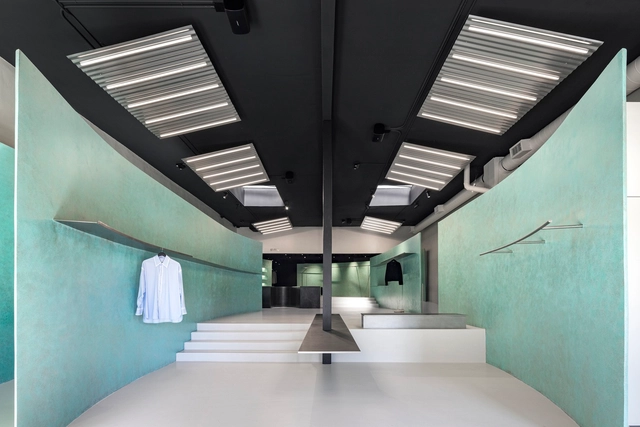
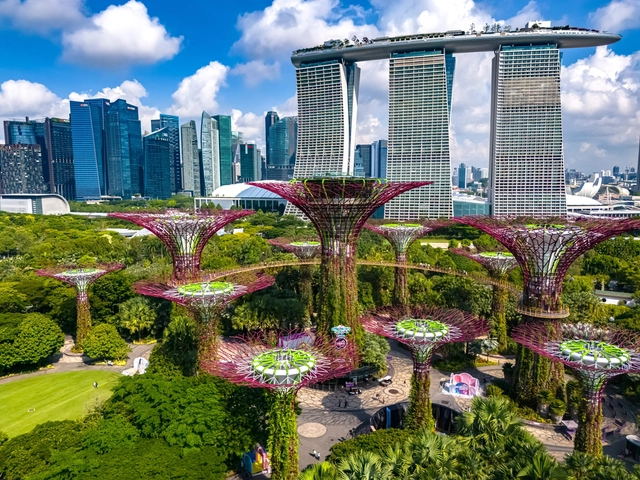
With expanding urban populations and evolving consumption patterns, cities are faced with challenges pertaining to waste management. Traditional approaches centered on collection and disposal currently seem inadequate in the face of serious environmental concerns and resource scarcity. Waste management has become a focused topic to address, being introduced as a key strategy towards circular economies. The Zero Waste concept hopes to transform the way cities manage urban waste and build supportive cultures around it.
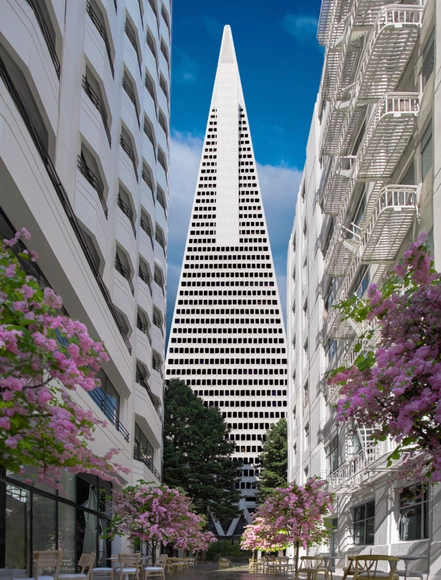
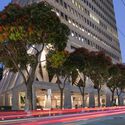
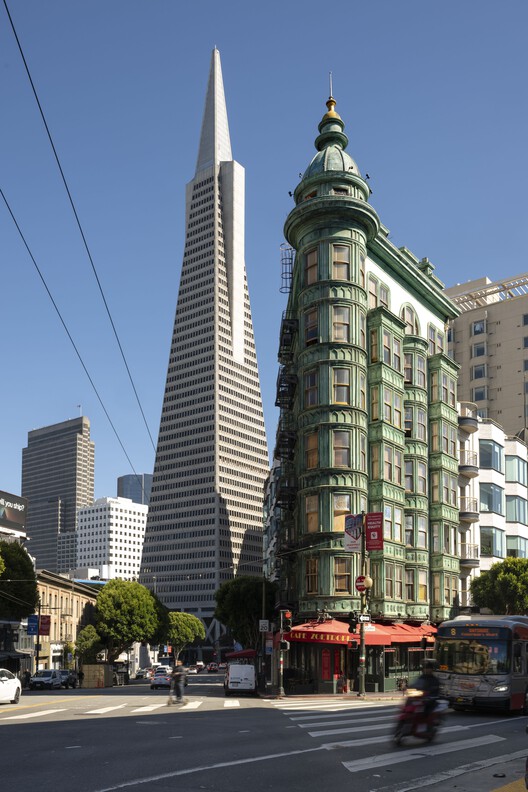
The Transamerica Pyramid Center has just announced the completion of the long-awaited Foster + Partners led renovation in San Francisco, United States. An iconic landmark of San Francisco's skyline since its completion in 1972, has been undergoing its most significant renovation to date. Originally designed by American architect William Pereira in a Brutalist style, the 48-story tower was the tallest building in San Francisco for nearly 50 years. This renovation will also include enhancements to the adjacent buildings.
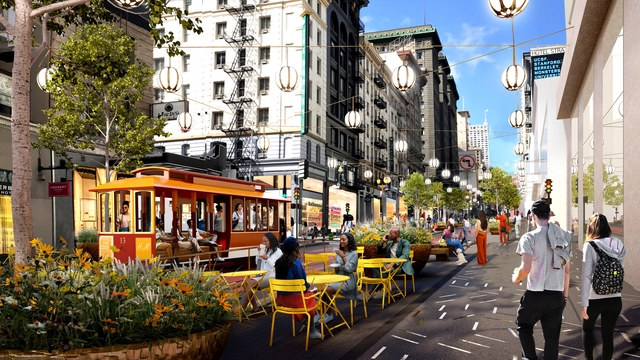
SITELAB urban studio and Field Operations have revealed a design proposal to reimagine San Francisco’s iconic Powell Street. The street used to be one of the busiest pedestrian corridors in its district and a popular tourist attraction, with cable cars running up and down the street and connecting Union Square and Hallidie Plaza. Across the most popular three-block stretch, the storefronts have become mostly vacant. According to the San Francisco Chronicle, one of the reasons was the Covid pandemic, which led to a further decrease in tourism and in commercial activities. Now a new project led by designers SITELAB urban studio and Field Operations aims to revive the now underutilized transit corridor and to catalyze a renewed interest in the area.