1. ArchDaily
  2. Ruins in Architecture

Ruins in Architecture: The Latest Architecture and News

Limbo Museum Opens Its Debut Exhibition Within an Unfinished Brutalist Building in Ghana, West Africa

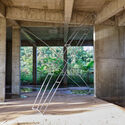
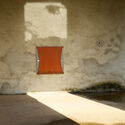
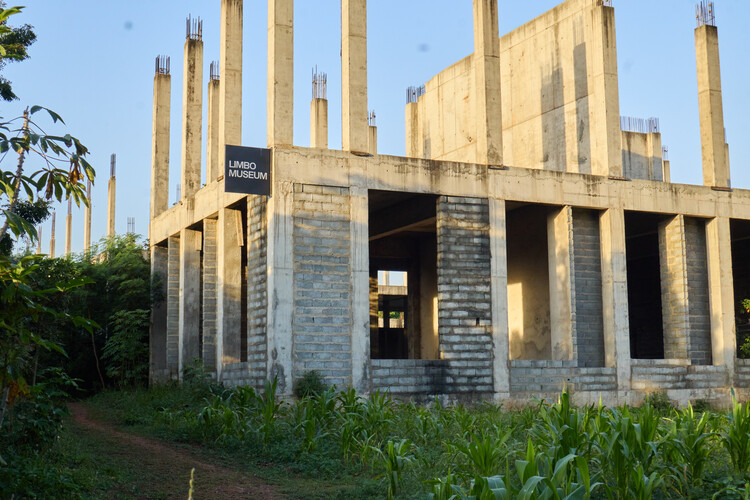
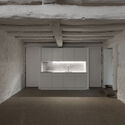
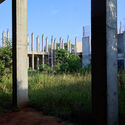
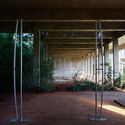
The Limbo Museum is a new institution dedicated to architecture, art, and design based in Ghana, West Africa. The museum challenges the concept of the ruin, operating from a formerly abandoned Brutalist estate that currently conveys the image of an unfinished building. The project was founded by Limbo Accra, a spatial design and research-based practice established in 2018 by Dominique Petit-Frère and Emil Grip, dedicated to "unlocking the potential of unfinished buildings across West Africa and beyond." On October 31, 2025, the museum opened its first public exhibition, On the Other Side of Languish by Reginald Sylvester II, developed through the institution's visiting artist residency program.
Limbo Museum Opens Its Debut Exhibition Within an Unfinished Brutalist Building in Ghana, West Africa - Image 1 of 4Limbo Museum Opens Its Debut Exhibition Within an Unfinished Brutalist Building in Ghana, West Africa - Image 2 of 4Limbo Museum Opens Its Debut Exhibition Within an Unfinished Brutalist Building in Ghana, West Africa - Image 3 of 4Limbo Museum Opens Its Debut Exhibition Within an Unfinished Brutalist Building in Ghana, West Africa - Image 4 of 4Limbo Museum Opens Its Debut Exhibition Within an Unfinished Brutalist Building in Ghana, West Africa - More Images+ 20

The Chilean Architecture Biennial Revives a Church Ruin as a Temporary Pavilion

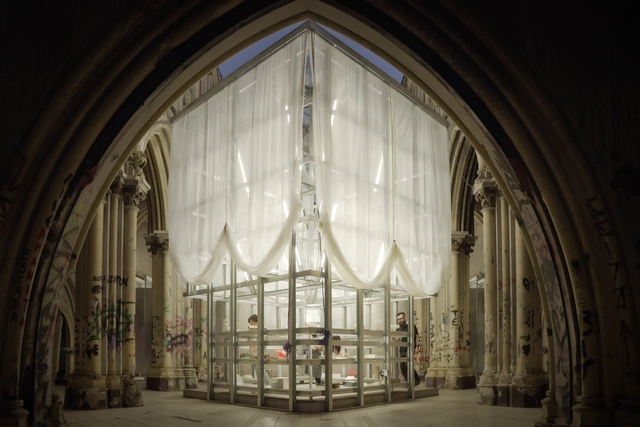
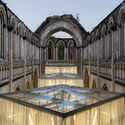
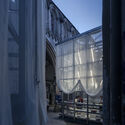
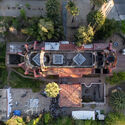
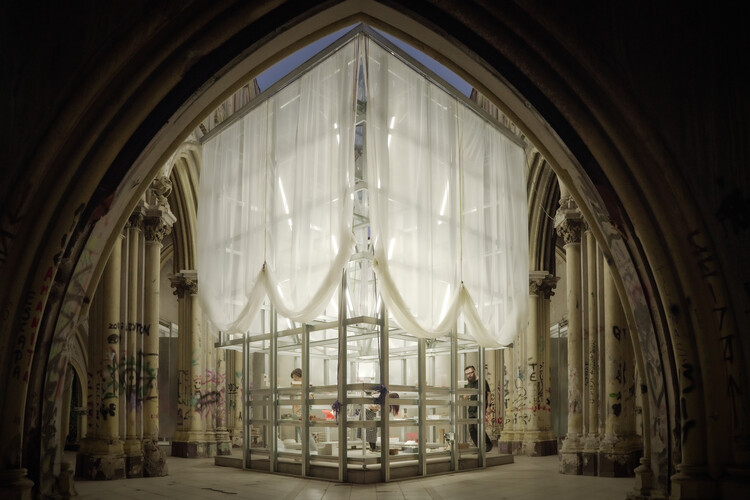
Between September 25 and October 5, 2025, the XXIII Chilean Architecture and Urbanism Biennial took place in Santiago. Under the title "DOUBLE EXPOSURE: (re)program · (re)adapt · (re)construct," the event was organized around the idea of "understanding architecture not as the production of the new, but as the ability to reactivate what already exists." Based on this premise, the curatorial team, composed of Ángela Carvajal and Sebastián López (Anagramma Arquitectes) together with Óscar Aceves, conceived a circuit of eight venues located in downtown Santiago. Their goal was to revive and reclaim urban spaces through a series of free public activities that drew around 70,000 visitors. Among the reactivated sites, the ruins of the San Francisco de Borja Church stood out. Burned during the social outburst of October 2019, the site hosted a temporary pavilion that served as a venue for talks, readings, art installations, discussions, and community events.

The Chilean Architecture Biennial Revives a Church Ruin as a Temporary Pavilion - Imagen 1 de 4The Chilean Architecture Biennial Revives a Church Ruin as a Temporary Pavilion - Imagen 2 de 4The Chilean Architecture Biennial Revives a Church Ruin as a Temporary Pavilion - Imagen 3 de 4The Chilean Architecture Biennial Revives a Church Ruin as a Temporary Pavilion - Imagen 4 de 4The Chilean Architecture Biennial Revives a Church Ruin as a Temporary Pavilion - More Images+ 17

Portuguese Houses: 10 Projects That Blend Tradition and Contemporaneity

Subscriber Access | 

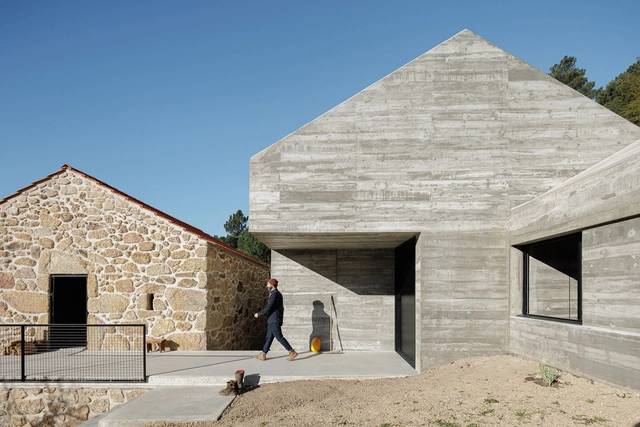
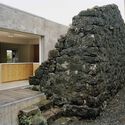
Contemporary architecture in Portugal is a blend of traditional and modern elements that reflect the country's rich cultural and historical heritage. In addition, it reflects global trends and influences in the discipline. From the aesthetics, functionality, and preservation of stone houses to the richness of Portuguese tiles, projects in this small country serve as a reference for many other cultures because of their careful design and precise action.

Portuguese Houses: 10 Projects That Blend Tradition and Contemporaneity - Image 1 of 4Portuguese Houses: 10 Projects That Blend Tradition and Contemporaneity - Image 2 of 4Portuguese Houses: 10 Projects That Blend Tradition and Contemporaneity - Image 3 of 4Portuguese Houses: 10 Projects That Blend Tradition and Contemporaneity - Image 4 of 4Portuguese Houses: 10 Projects That Blend Tradition and Contemporaneity - More Images+ 16

Architecture Between a Glorious Past and a Questionable Present: Interview with Greek Architect Andreas Angelidakis

Subscriber Access | 
Architecture Between a Glorious Past and a Questionable Present: Interview with Greek Architect Andreas Angelidakis - Arch Daily Interviews
POST RUIN BENTIVOGLIO, curated by Antonio Grulli at Palazzo Bentivoglio, Bologna. Photo: © Andrea Rossetti / Courtesy of Andreas Angelidakis.

How might your persona or act differ if you were to put yourself before society’s expectations and limitations, embracing your queerness and preferences? Looking into the impact of individuality, we talked with Andreas Angelidakis, an architect to who refers to himself as “an architect who doesn’t build”, but views architecture as a site of social interaction, creating works that reflect on the urban culture by mixing ruins, digital media, and psychology to better understand the power of finding different design paths.

Stefano Boeri Architetti Selected to Redevelop Archeological Site in Durrës, Albania

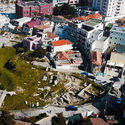
Stefano Boeri Architetti and SON Architects are announced as winners of the tender organized by the Ministry of Culture and the Albanian-American Development Foundation (AADF) for the conservation, presentation, enhancement, and planning for the Archaeological Excavations of the Roman Amphitheatre, the Byzantine Forum, and Roman Baths in the historic center of Durrës. In support of the long-term vision for the city of Durrës, the winners will also be responsible for designing a series of urban pathways with the aim of reconnecting the main historical attractions with the waterfront and the city’s port.

Stefano Boeri Architetti Selected to Redevelop Archeological Site in Durrës, Albania - Image 1 of 4Stefano Boeri Architetti Selected to Redevelop Archeological Site in Durrës, Albania - Image 2 of 4Stefano Boeri Architetti Selected to Redevelop Archeological Site in Durrës, Albania - Image 3 of 4Stefano Boeri Architetti Selected to Redevelop Archeological Site in Durrës, Albania - Image 4 of 4Stefano Boeri Architetti Selected to Redevelop Archeological Site in Durrës, Albania - More Images+ 2

Dust, Cracked Walls, and Enchanting Artwork

Subscriber Access | 

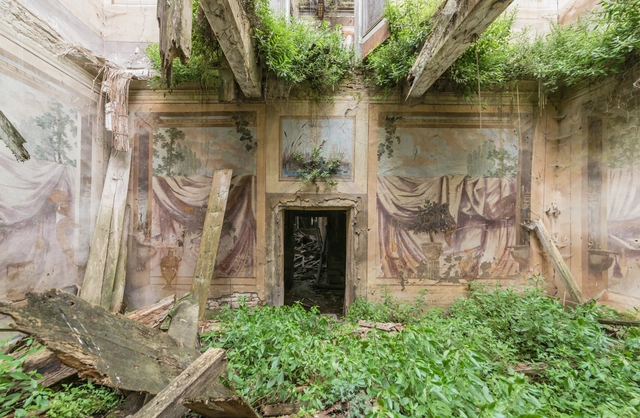
Magic lies in architectural ruins. Beneath the dirt and mold, fractured walls and deserted rooms still stand, preserving the remains that have lingered long after their owners' departure.

During his explorations of abandoned places across Europe, photographer Romain Veillon stumbled upon enchanting frescoes and paintings that were left to fade in the parlors of the aristocrats. Veillon became keen on finding more of these imaginary museums across the continent, and to his chance, managed to discover many in France, Germany, Italy, Ireland, and Portugal.

Before their art is forgotten and their houses quietly rust away, Veillon captured the murals found in these haute bourgeoisie family houses, which illustrate stories of the cities they lay in and the people they once belonged to.

Dust, Cracked Walls, and Enchanting Artwork - Image 1 of 4Dust, Cracked Walls, and Enchanting Artwork - Image 2 of 4Dust, Cracked Walls, and Enchanting Artwork - Image 3 of 4Dust, Cracked Walls, and Enchanting Artwork - Image 4 of 4Dust, Cracked Walls, and Enchanting Artwork - More Images+ 32