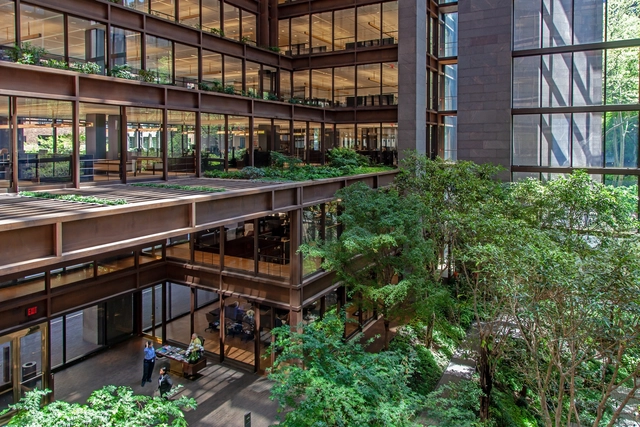
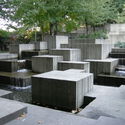
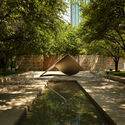
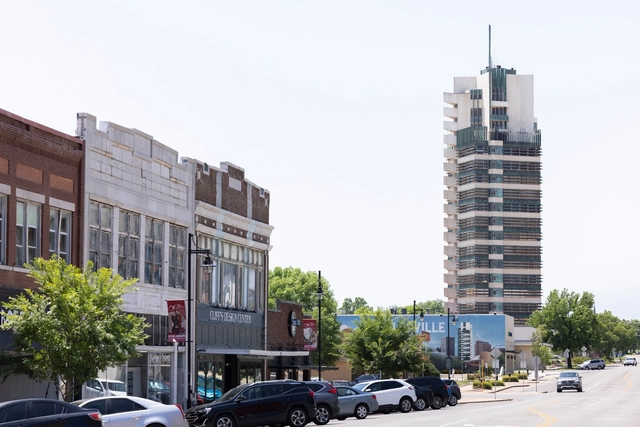
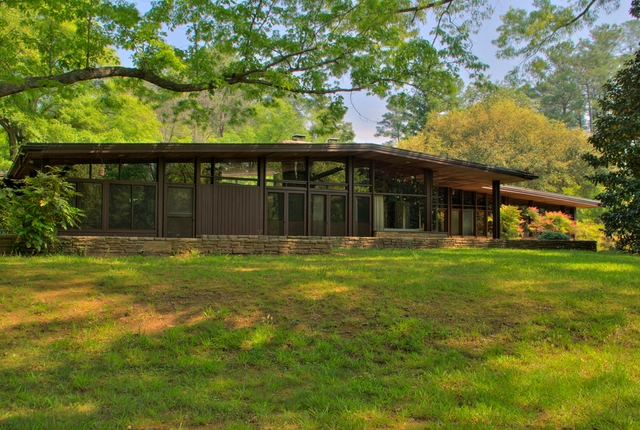
Modernistlandscape architecture marked a radical shift from traditional garden designs, emphasizing simplicity, functionality, and a stronger connection between people and their environments. From the 1930s through the 1960s, this movement saw the emergence of visionary landscape architects who integrated form and function in ways that redefined outdoor spaces. Their designs responded to the rapidly evolving urban landscapes of the time, prioritizing usability and creating environments that could accommodate modern life. The enduring influence of these principles continues to shape contemporary practices, while also presenting unique challenges in preservation as these landscapes age.
Contemporary architecture in UNESCO World Heritage contexts presents a unique challenge: revitalizing historically significant sites while adhering to strict preservation guidelines. From urban centers to natural landscapes and intangible cultural traditions, these projects demonstrate the delicate balance between innovation and heritage conservation. Whether working in a mega city, a protected landscape, or a culturally rich rural area, architects are tasked with reimagining these spaces without compromising their historical value. Each project offers a fresh perspective on how heritage sites can evolve and remain relevant in modern times.
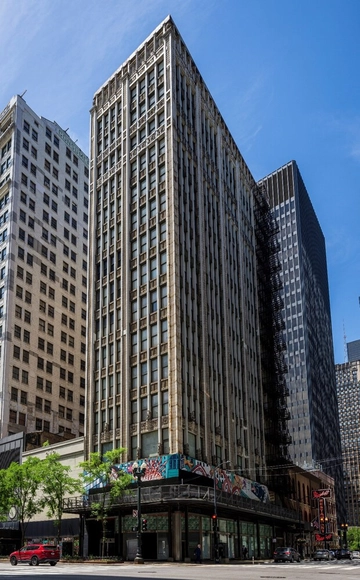
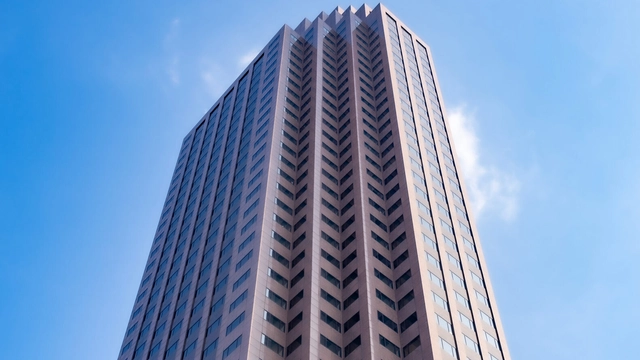
In a significant win for historic preservation, two landmark Chicagoskyscrapers, the Century and Consumers Buildings, have been saved from demolition. These iconic structures, located on State Street, were initially set for destruction due to security concerns, given their proximity to the Dirksen U.S. Courthouse. However, after extensive advocacy and public pressure, the U.S. General Services Administration (GSA) has shifted toward an adaptive reuse plan, ensuring the preservation of these architectural landmarks.
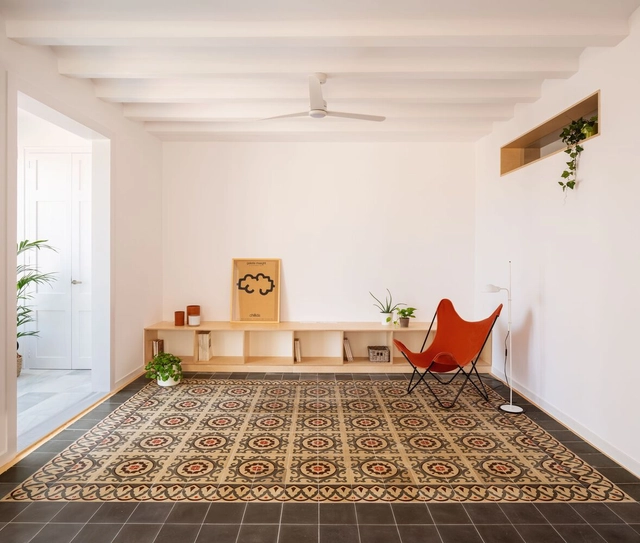
In the quest to preserve certain architectural, historical, and cultural features of original Catalan homes, apartment renovations are conceived as a means of connecting the past and the present through the recovery and/or restoration of coverings, flooring, carpentry, facades, and more. The history of ceramics in Spain has evolved over the years, experiencing periods of productive flourishing as well as decline. However, the expressive language, versatility, and adaptability of hydraulic tiles to tradition and the future stand out in homes' interior and exterior spaces with their wide combination of colors, textures, and patterns.
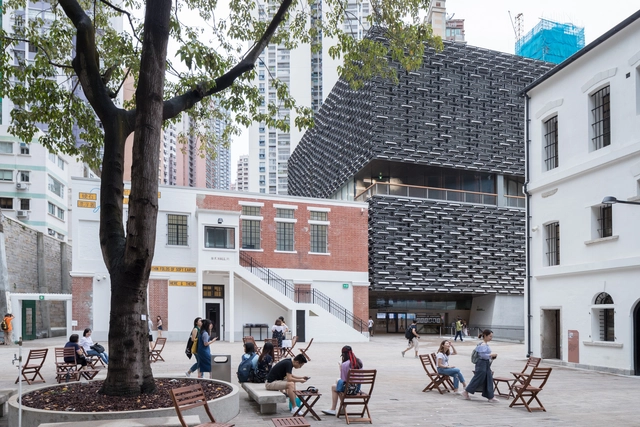
As major cities continue to develop, we face intriguing challenges regarding the preservation and adaptive reuse of significant buildings, sites, and artifacts. This poses a complex question that involves political history, architectural theory, and cultural significance. Adaptive reuse extends beyond architectural and spatial designs; it allows cities and communities to reflect, reevaluate, and reinterpret their history from different perspectives. However, unlike books and words, buildings may not withstand the test of time themselves and serve as firsthand evidence of the stories they tell. How should we question ourselves on what to preserve and demolish? How can communities be involved in the active restoration or adaptation of historic buildings?
In the whirlwind of daily life, a large majority of urban centers transform to accommodate new functions and/or needs demanded by their populations, seeking to improve, renovate, or update the infrastructures, equipment, networks, and spaces that enable community life. Although times change, and with them, many buildings that once served important protective or sheltering functions start to become obsolete. However, the heritage they leave behind reflects the passage of time and provides a living testimony of their history, contributing to the consolidation of identity and the recognition of a sense of belonging.
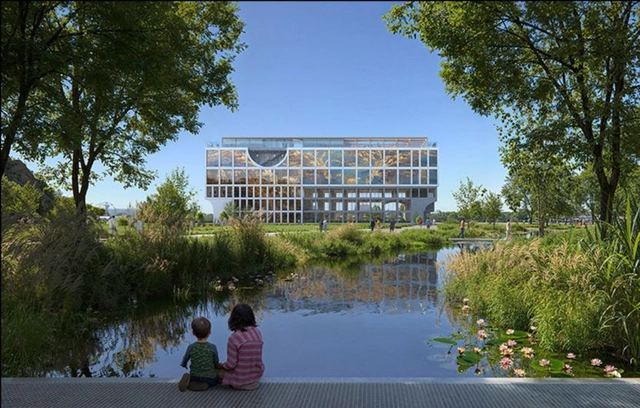
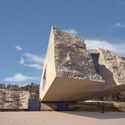
Courtesy of Neutelings Riedijk Architects / ARS Architectes
Neutelings Riedijk Architects and ARS Architects Urbanistes have just won a competition to design the Cité des Imaginaires and Grand Musée Jules Verne in Nantes, France. Selected from 160 entries, their design seeks to revitalize the historic “Moulins de Nantes” mil, also known as CAP44. This industrial heritage site, notable for its unique Hennebique concrete structure, is set to be transformed into a sustainable structure within the Garden Extraordinaire. Additionally, the museum will celebrate the legacy of the renowned author Jules Verne, born in Nantes.
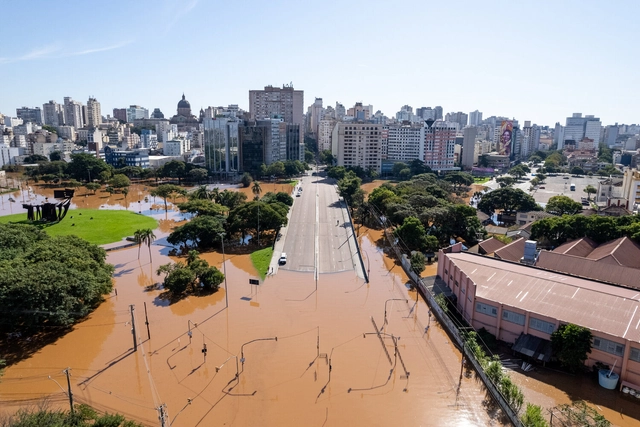
PORTO ALEGRE, RS, BRAZIL, 05/07/2024 - General photos of floods, Av Loureiro da Silva, CAFF and region. Photos: Gustavo Mansur/ Piratini Palace. Flickr user licensed under CC BY-NC 2.0 DEED Attribution-NonCommercial 2.0 Generic
The world has changed, and accepting this fact is no longer a matter of choice but survival. Our rainfall patterns, periods of drought, average temperatures, sea levels—everything is in constant flux. The denialist stance of many countries, including Brazil, has led to catastrophic situations like the one we are facing now.
The floods that devastated the southern region of the country in recent days cannot be considered isolated incidents. Due to global warming, climate events like this will become increasingly frequent. In other words, unfortunately, we cannot prevent them from happening, but we can—and must—make our cities more resilient to these situations.
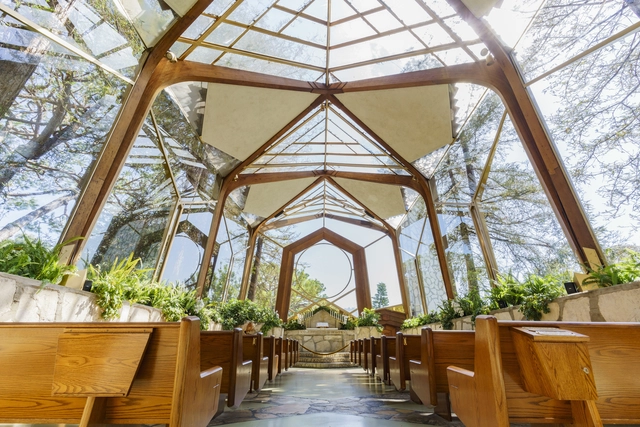
The Wayfarers Chapel, known locally as "The Glass Church," was designed by Lloyd Wright, the eldest son of architect Frank Lloyd Wright, and completed in 1951. Located in the Palos Verdes peninsula in Los Angeles, its design aimed to blend the lines between architecture and nature, with large-span glass panels opening up to space toward the redwood canopies. Last year, the structure was designated a national historic landmark. Now, due to “accelerated land movement” in the area, the structure, which has been closed off to the public since February, was announced to be disassembled to protect it from further damage.
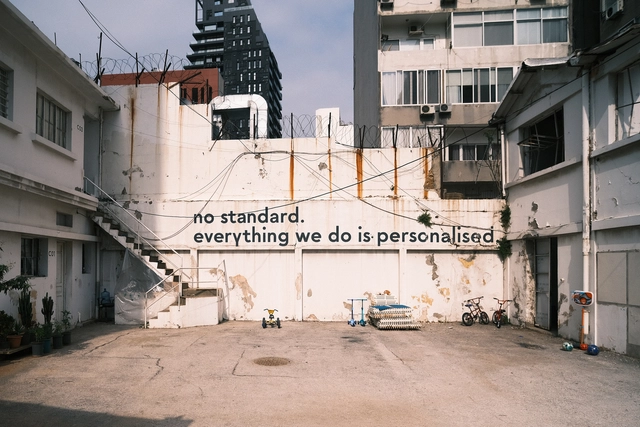
We Design Beirut, Lebanon’s four-day design experience will take place from May 23-26, 2024. This multidisciplinary event aims to showcase and celebrate design and creativity through a varied program, including showcases, installations, talks, and workshops. Founded by Mariana Wehbe in collaboration with industrial designer Samer Alameen, the event seeks to foster a global conversation on design and sustainability through programs in the fields of interior design, architecture, furniture, product design, functional art, ceramics, and home accessories.
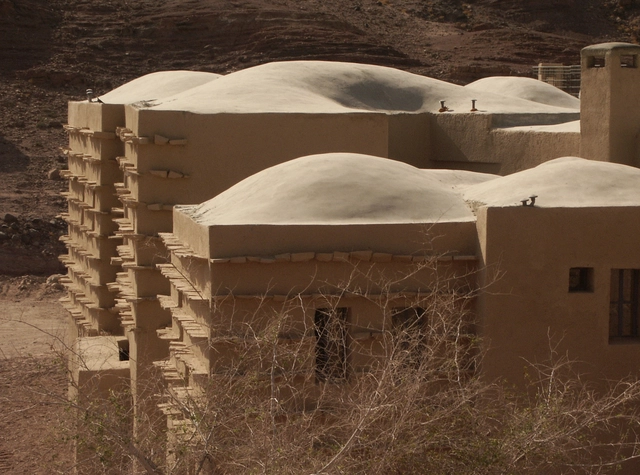
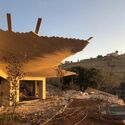
The Feynan Ecolodge project. Image Courtesy of Dongola DAS 01 | Notes on Formation and Ammar Khammash
Ammar Khammash is a Jordanian architect, designer, and artist best known for his approach that focuses on the preservation of cultural and natural heritage while crafting an architecture that engages with its surroundings. With deep admiration for nature and its ecosystems, Khammash trusts that "the site is the architect”, a statement for which he is renowned that underscores the profound influence of context on his architectural design. With over three decades of experience spanning various disciplines and across several Middle Eastern countries such as Jordan, Oman, Palestine, Egypt, Syria, and the UAE, Ammar Khammash has consistently attempted to preserve and enhance the symbiosis between human constructions and the natural environment. His contributions include the Royal Academy for Nature Conservation, the Wild Jordan Center, and the restoration of the Church of Apostles.
In 2022, he was featured in the first edition of the Dongola Architecture Series, a biannual publication that offers unique perspectives into Arab culture by highlighting prominent contemporary architects. The issue, titled “Notes on Formation: Ammar Khammash,” written by Raafat Majzoub, explores "architecture as a transdisciplinary tool of expression, and as a method of imagining and reimagining the future," encapsulating the ethos of the publication. ArchDaily had the opportunity to talk to Ammar Khammash and Sarah Chalabi, founder of Dongola Limited Editions, to delve into the architect’s perspectives on site, materiality, and culture, along with his philosophy, notions on academia, and insights into the future of the profession.
Rehabilitation involves repairing, renovating, altering, or reconstructing any building or structure. It addresses the need to significantly improve a building's failing features, primarily through strengthening or replacing elements to restore the structure's optimal performance. The impact of building rehabilitation on the physical environment is significant. It is a sustainable strategy for preserving the built environment and mitigating the construction industry's impact on climate change.
However, its social impact is also considerable when viewed as a fundamental framework for sustainable outcomes. Rehabilitation can serve as a model that brings community members together for inclusive repair and restoration of structures. This positively affects communal life quality, social integration, environmental sustainability, and community perception of local architecture.
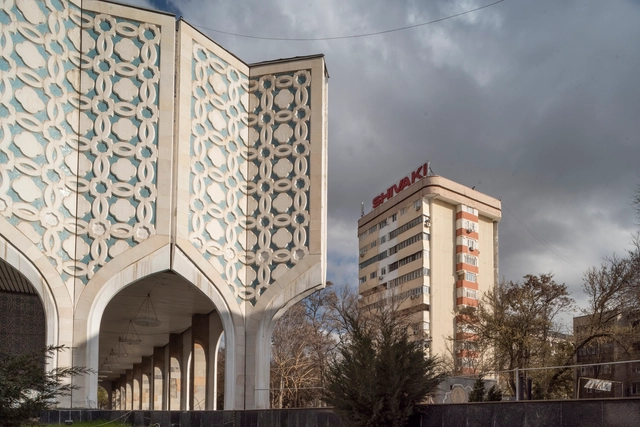
Exhibition Hall of the Union of Artists, Tashkent, Uzbekistan, 2022. Image Courtesy of Armin Linke
Tashkent, the capital city of Uzbekistan, stands as one of the most populous cities in Central Asia. Situated in the northeastern part of the country, near the border with Kazakhstan, Tashkent has been profoundly shaped and influenced by diverse cultures throughout its history. The most significant transformation of its urban landscape occurred during the Soviet era when the city was rebuilt as a model Soviet city, following the 1966 earthquake that caused substantial damage. During this reconstruction, architects from various regions of the Soviet Union collaborated with local experts, resulting in a unique form of architectural modernism that harmoniously integrated elements of Islamic architecture, indigenous creativity, and cutting-edge engineering achievements of that era. At that time, Tashkent held the esteemed status of a prominent international city in the East.
For the past three decades, YIMBYs and NIMBYs have been fighting pitched battles across the U.S. for the heart and soul of future development, but the housing crisis has only grown worse, especially since the crash of 2008, which changed so many things on the supply side.
This was followed a dozen years later by 2020, the strangest year of our lifetimes, which made those supply-side challenges even more pronounced. The roots of the problem, however, go back further than that, with mistakes made as long as 75 years ago now being repeated by completely new generations. Failure to understand those errors—and even why they are errors and not good practice—will perpetuate and exacerbate today’s crisis into future generations.
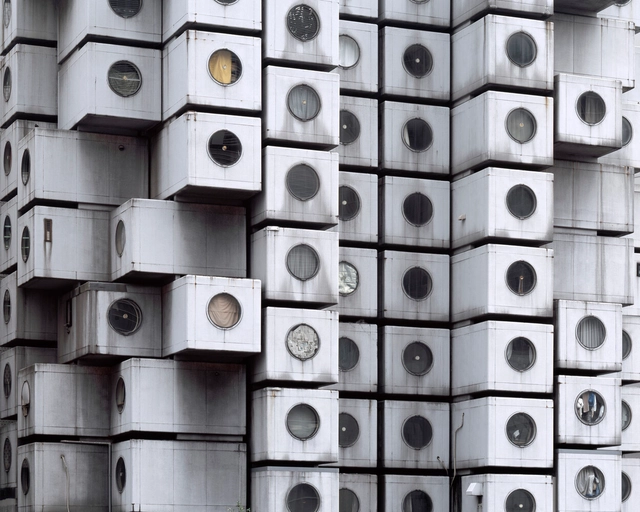
When Kisho Kurokawa designed his now iconic Nakagin Capsule Tower in 1972, the structure was meant to represent the core principles of Metabolism, experimenting with ideas of growth and change borrowed from biological processes. The emerging style in postwar Japan aimed to create buildings and megastructures that emulate living organisms that can evolve, expand, contract, and adapt to their changing conditions. Following this concept, the Nakagin tower was composed of 140 identical cell-like capsule units, each individually bolted to the two central shafts. The capsules were intended to be replaced and upgraded every 25 years, allowing for flexibility and mutation. The innovation proved to be impractical, however. Almost 50 years after its construction, the tower was demolished, but not in its entirety. A total of 23 capsules were saved and removed from the building to be given a new life. Now, the capsules are scattered around the world, continuing to represent Metabolist ideals in unexpected ways.
An International European cultural project, U-RE-HERIT, launched an initiative to protect Ukraine’s architecture, heritage, and memory. This wide consortium of architectural institutions came together to reach a common goal of preserving Ukrainian culture. With the ongoing crisis, the project aims to address heritage as a resource for cultural, social, environmental, and economic recovery. Moreover, the project hopes to redefine local cultural identity and rebuild the city with the sensitivity of collective memory.
George Smart is an unlikely preservationist, almost an accidental one. The founder and executive director of USModernist, a nonprofit dedicated to the preservation and documentation of modern houses, Smart worked for 30 years as a management consultant. “I was doing strategic planning and organization training,” he says. “My wife refers to this whole other project as a 16-year seizure.” Recently I spoke with Smart about his two websites, the podcast, the house tours his organization conducts, and why documentation is such a power preservation tool.