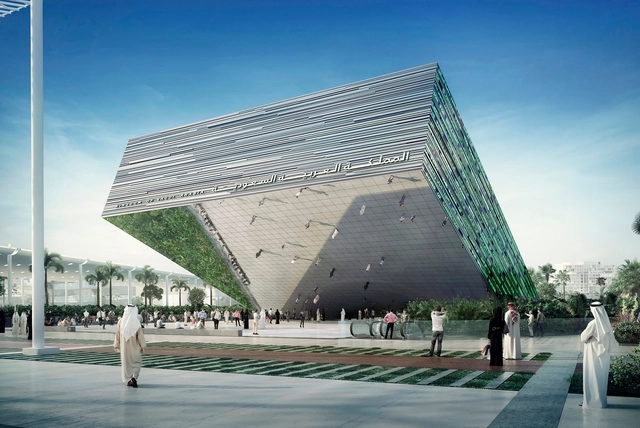
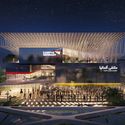
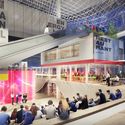
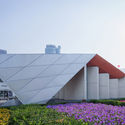
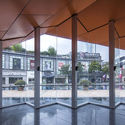
Saudi Arabia Expo 2020 Dubai Pavilion. Image Courtesy of Boris Micka Associates
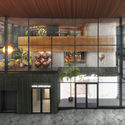
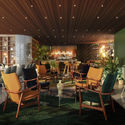
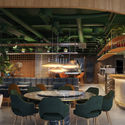
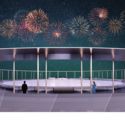
The Kingdom of Saudi Arabia has unveiled the design of its pavilion for the Expo 2020 Dubai. The project will cover an area the size of two football pitches as the second-biggest in size only to that of the United Arab Emirates. Designed by Boris Micka Associates, the pavilion was made as a "window to the future" that symbolizes the nation's welcoming character, long heritage and unlimited drive.
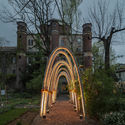
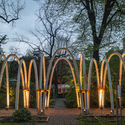
Carlo Ratti Associati, working in collaboration with energy company Eni, has developed an architectural structure made of mushrooms, unveiled at Milan Design Week. “The Circular Garden” was grown from soil made over the past six weeks, and will be returned to the soil at the end of the month. The structure is composed of a series of arches adding up to a 1-kilometer-long mycelium, experimenting with sustainable structures that can grow organically.
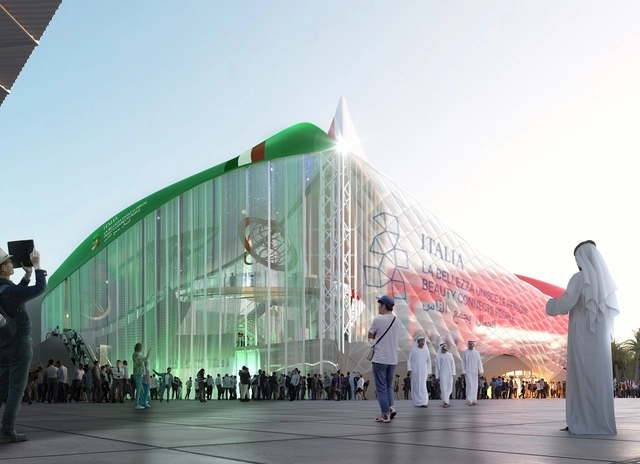
Carlo Ratti Associati has published details of their competition-winning design for the Italian Pavilion at Expo Dubai 2020, designed in collaboration with Italo Rota, Matteo Gatto, and F&M Ingegneria. Inspired by Dubai’s marine tradition, the pavilion’s construction sequence will see three boats arrive in Dubai by sea, before being raised and turned upside down to become the roof of the pavilion.
Titled “Sailing Beauty,” the pavilion seeks to explore new ways in which “beauty connects people,” embodying the theme of Italy’s participation in Dubai Expo 2020. The pavilion also pays tribute to the long history of explorers throughout the centuries who “sailed the seas and wove together a shared Mediterranean cultural heritage.”
https://www.archdaily.com/913382/carlo-ratti-reveals-design-for-the-italian-pavilion-at-expo-dubai-2020Niall Patrick Walsh
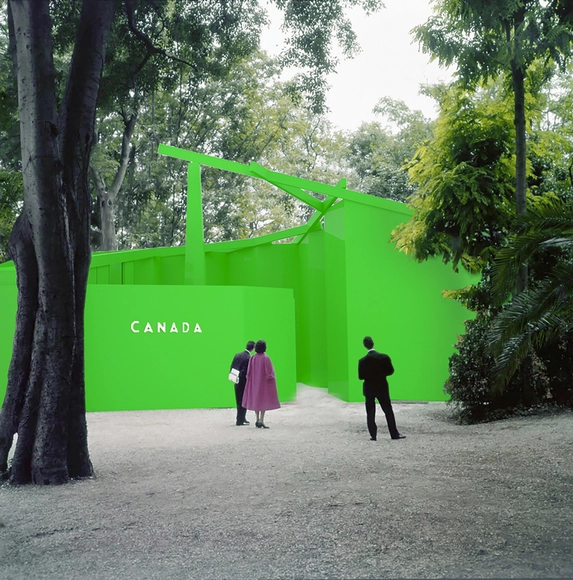
Courtesy of The Canadian Pavilion 2020 Curatorial Team
With its flashbulb neighbor to the south taking much of the spotlight, few know the extent of Canada's involvement in the film industry. The recently announced Canadian Pavilion for the 2020 Venice Biennale, curated by Montreal based practice T B A and McGill academic David Theodore, aims to change that.
https://www.archdaily.com/913351/the-green-screen-impostor-cities-of-canada-to-be-evaluated-in-nations-2020-venice-biennale-pavilionKatherine Allen
Berlin is the 21st century contemporary world’s ideal capital. The city left its torrid history behind to quickly grow and cement itself into the intellectual and cultural core of the world. Berlin is the epicenter of any new movement that starts to demolish the old-world order. Ever since the wall came down in 1989, Berlin has been known as a bohemian paradise, a place where the empty spaces between east and west could be pioneered and inhabited by the most creative types, who could create and carouse with impunity. Numerous artists from across the globe have taken full advantage of Berlin’s transition period throughout the 1990s and 2000s to find gallery and performance spaces in the most unexpected places. The underground art scene is very modern, very edgy and relatively unlimited in the city of Berlin.
Spring Pavilion Amsterdam; Credits: Switch Competitions
MANIFESTO
Amsterdam has been one of Europe's pioneers of architecture and design, largely because of the 17th century rings of canal houses, gabled facades, windmills and drawbridges. Modern architecture developed organically in Amsterdam between the facades of historical buildings, making it one of the finest blends between Renaissance, Berlage and the Amsterdam School. The city has a very strong cultural and artistic identity. Amsterdam is the most important cultural and artistic center to the north from Paris and between London and Cologne.
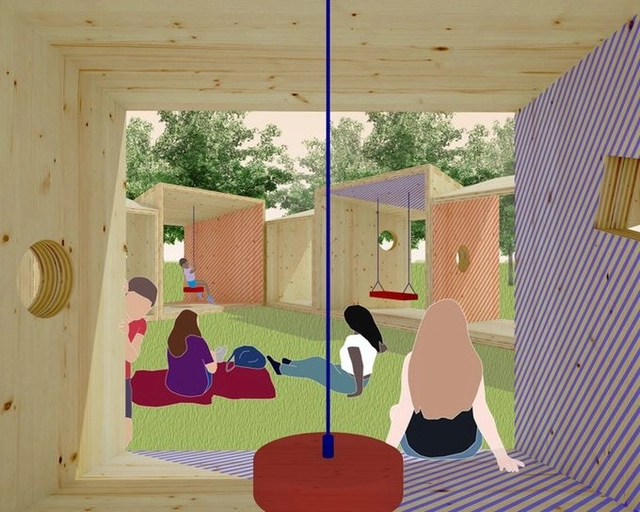
The pavilion, to be branded the “City of Dreams Pavilion,” utilizes scrap cross-laminated timber panels recovered from a construction project at the University of Arkansas, repurposing them in an “inviting summer pavilion” featuring 12 framed swing modules.
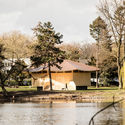
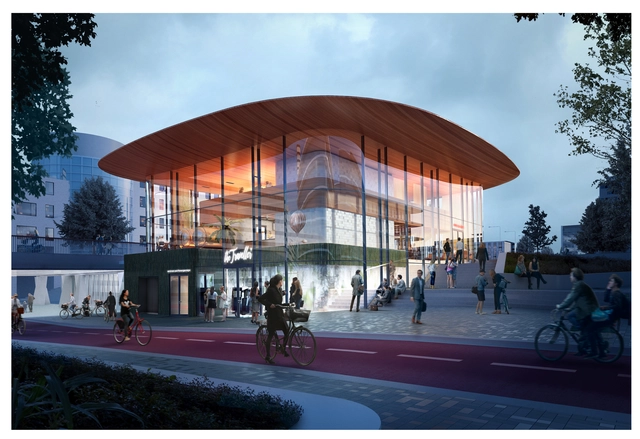
Construction has begun on the Powerhouse Company-designed pavilion for the ING campus in Amsterdam. Located in the up-and-coming district of Amsterdam Southeast, the 900-square-meter pavilion seeks to “make a bold statement while integrating with its surroundings."
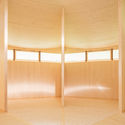
The clean, minimalist pavilion will sit at the heart of the ING campus, serving as both a dining area and a multifunctional space for the community. Emphasizing the natural landscape, the pavilion offers a synergy between the built and natural environment through a friendly circular form, a timber interior, and green Tichelaar tiles on the north and east facades.
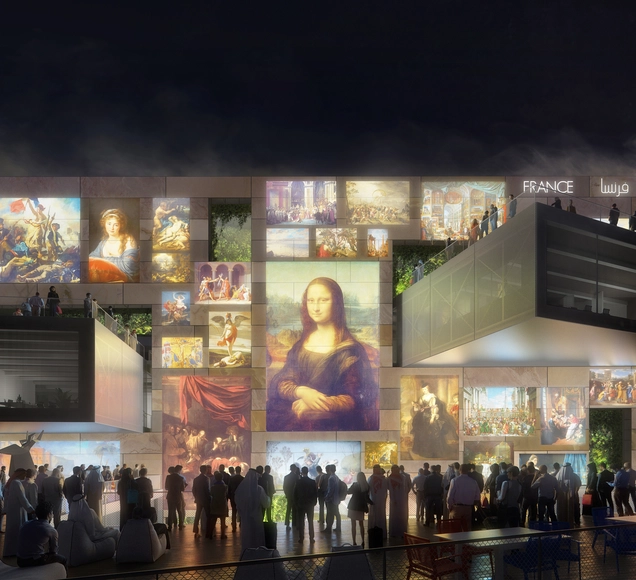
Clément Blanchet Architecture in collaboration with Etienne Tricaud (AREP) have been shortlisted for the French pavilion at Expo 2020 Dubai. The winner will be announced in February. The proposal is intended to enhance both the virtual world and the real to support human communication, cultures and interactions. The pavilion will be built around the themes of Light and Mobility to create a hidden oasis with two vertical gardens facing one another.
Tippet Rise Gathering Pavilion. Image Courtesy of Kéré Architecture
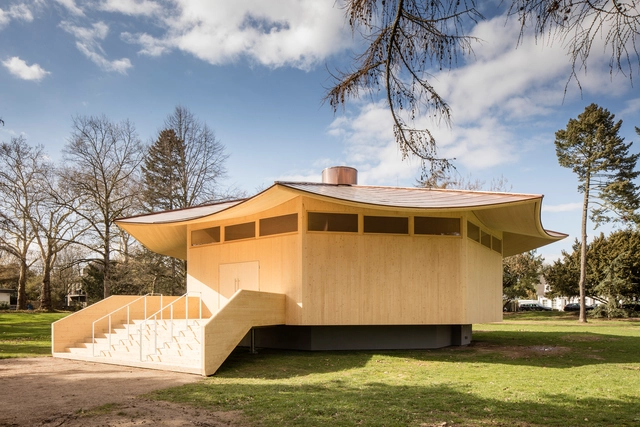
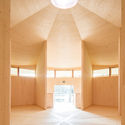
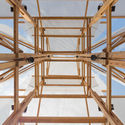
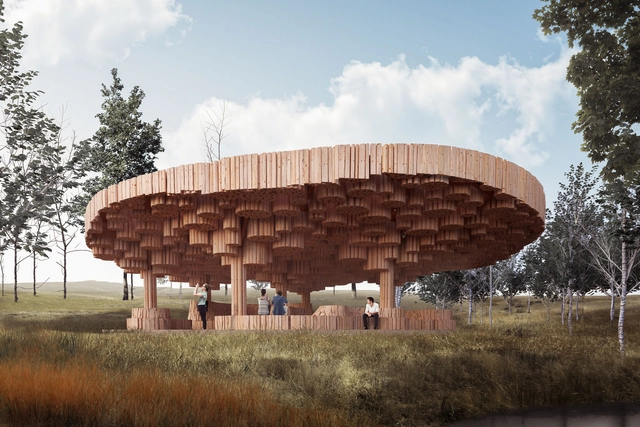
Berlin-based Burkinabé architect Diébédo Francis Kéré has designed a wooden pavilion for Tippet Rise Art Center in Montana. In addition to the pavilion, the Tippet Rise Fund of the Sidney E. Frank Foundation will also support Kéré's work to build an environmentally sustainable secondary school in Burkina Faso called Naaba Belem Goumma. Kéré designed the project in the Beartooth Mountains so visitors can experience a "rain of light" as sunlight filters through a structure of vertically stacked logs.
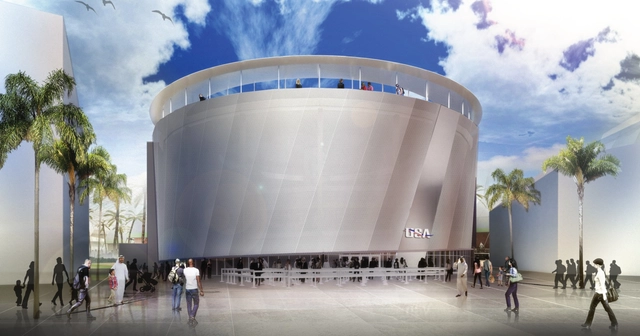
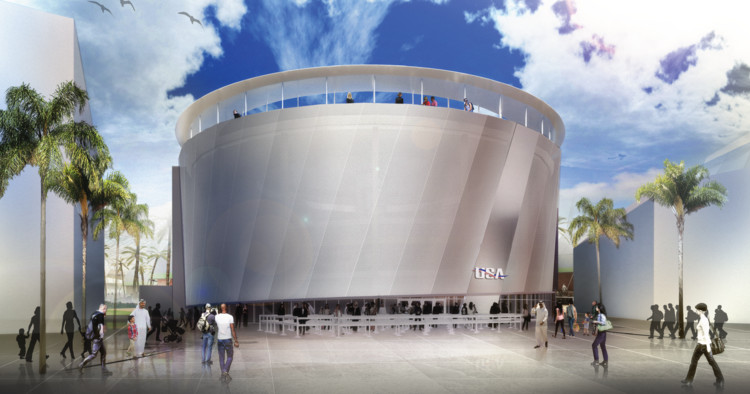
The design of the USA Pavilion for the Expo 2020 Dubai has been revealed, designed by Curtis W. Fentress and Fentress Architects. Destined to represent more than 325million Americans, the pavilion seeks to “provide a unique platform for [the United States] to come together to showcase the very best of [their] cultural and commercial achievements.”
The pavilion is to be circular in form, with “slants fashioned to project a sensation of movement, making the viewer feel like the building itself is in motion.” The pavilion’s interior will showcase American innovation and technology, including the premiere of the Virgin Hyperloop One ride experience.
The oriental establishments of the Middle-East, Northern Africa and some parts of Europe all mention the bustling marketplaces in their popular culture. They weren’t just the main centers of trade and business, but were multifunctional entities that contributed to the social and cultural exchange between people and civilizations. These marketplaces were called by different names in different regions and languages; Bazaar in Persian, Souk in Arabic etc. Today, bazaars tend to be found in a city's medina (old quarter) and are often important tourist attractions.
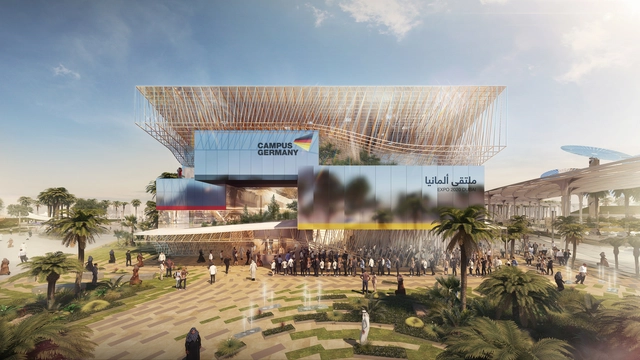
The Laboratory for Visionary Architecture (LAVA) has been selected to design the German Pavilion for Expo 2020 Dubai. Designed as a vertical campus that blends nature and technology, the pavilion takes cues from local architecture and Germany’s history of outstanding lightweight pavilion design. Formally, the design features a freeform roof that encloses interlinked floating cubes that house exhibition and event spaces.