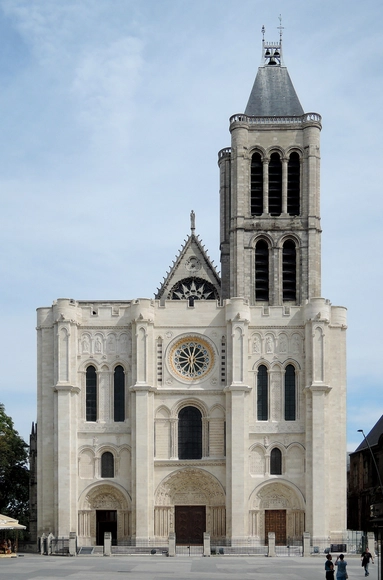
The origin of Gothic architecture, a style which defined Europe in the later Middle Ages, can be traced to a single abbey church in the northern suburbs of Paris. The Basilique royale de Saint-Denis (Royal Basilica of Saint-Denis), constructed on the site of an abbey and reliquary established in Carolingian (800-888 CE) times, was partially rebuilt under the administration of Abbot Suger in the early 12th Century; these additions—utilizing a variety of structural and stylistic techniques developed in the construction of Romanesque churches in the preceding centuries—would set medieval architecture on a new course that would carry it through the rest of the epoch.
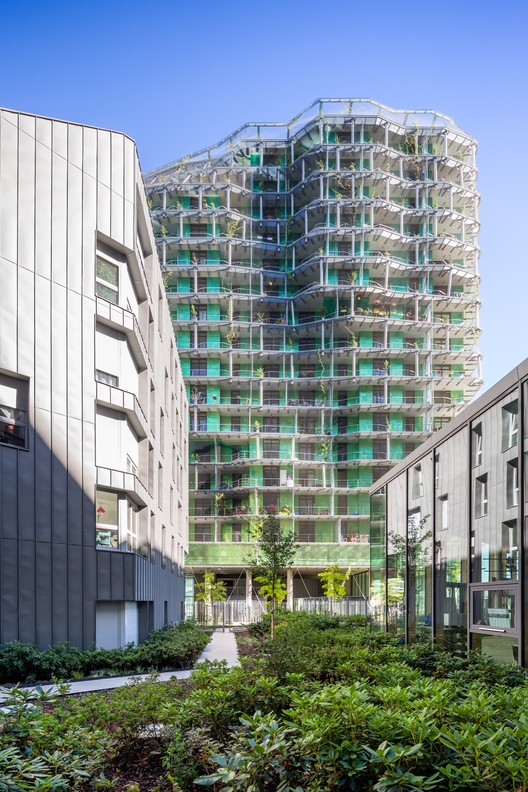
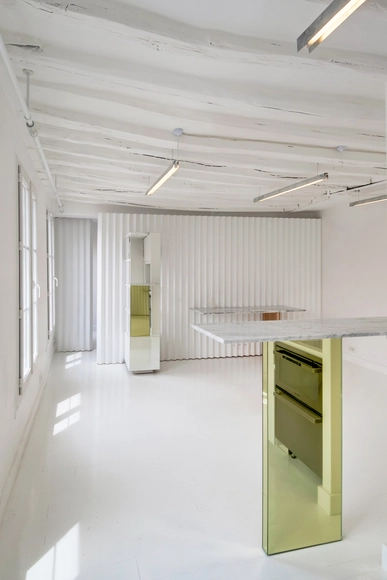
How can we use what is already here, what came before, what can be found nowhere else? How can we perpetuate traces of previous lives, heed the clues the site provides, incorporate the emotions it arouses, its singularity, its materiality? Each locality requires its own solution.
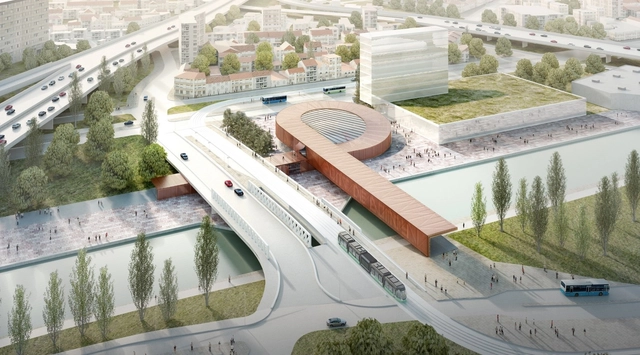
BIG and French studio Silvio d'Ascia have been selected to design the new Pont de Bondy metro station in Paris. The station is the latest design to be announced as part of the Société du Grand París’ Grand Paris Express project, which is seeking to modernize the existing transport network through the addition of nearly 200 kilometers of rail lines and a series of architect-designed stations throughout the city.
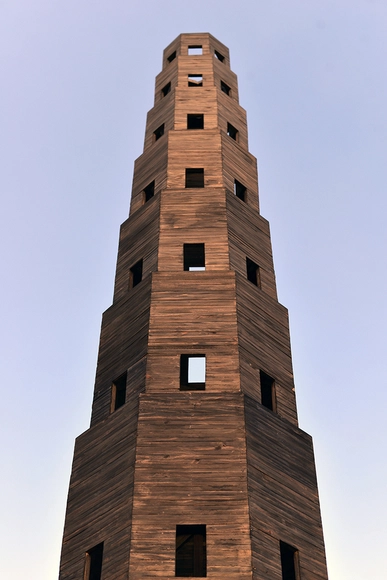
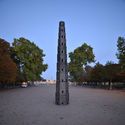
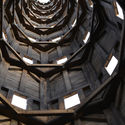
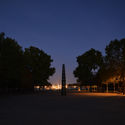
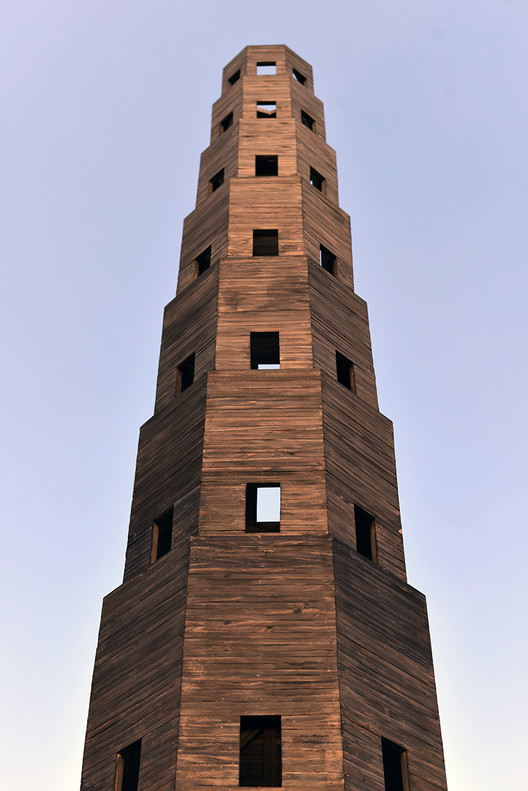
Chilean studio Pezo von Ellrichshausen has erected a temporary wooden tower of “an ambiguous” scale in the Jardin des Tuileries in Paris. Named the “Deci Pavilion,” the structure is made up of ten stacked octagonal wooden drums of decreasing size. While in reality only large enough to hold one visitor at a time, the column’s form and relationship to its surroundings give it the presence of a much larger structure.
From reTHINKING competitions we are happy to announce our new competition:“What's Up Paris?” A city like Paris is intense, full of tourists, workers, cars ... is a place in constant motion, with changes of atmosphere, with people walking and taking pictures. It is the perfect city for having a coffee and watch people go by, watch tourists spellbound with its architecture, businessmen who run to take the subway or Parisians who simply walk their city.
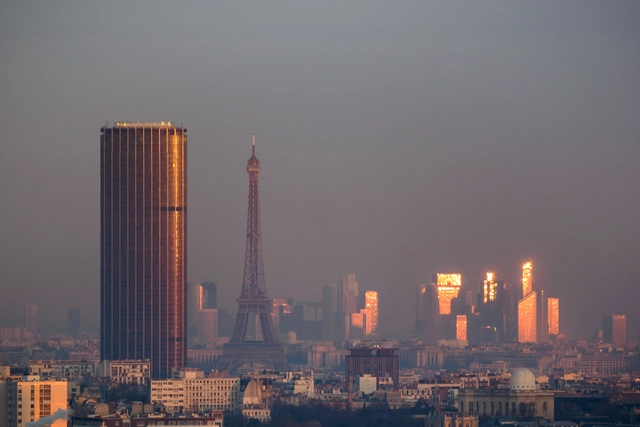
The Ensemble Immobilier Tour Maine-Montparnasse (EITMM) has selected 7 notable firms to continue to the second round in a competition for the renovation of Tour Montparnasse in the Montparnasse district of Paris, France.
Often cited as one of the architecture world’s most hated buildings, Tour Montparnasse has been criticized for its discordance with the Parisian urban landscape – just two years after its completion, new buildings over seven stories high in the city centre were banned, leaving the tower as an alien presence on the skyline.
With the launching of the competition, the EITMM hopes to transform Tour Montparnasse into a beloved landmark with a complete renovation of the facade, the building entry and all interior spaces. The budget for the project is estimated to reach over 300 million Euro ($330 million USD), and will be funded in entirety by the building owners.
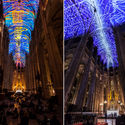
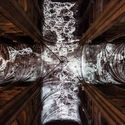
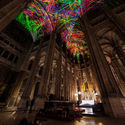
Digital artist Miguel Chevalier has transformed the ceiling of the Saint-Eustache Church into a dynamic, imaginary sky chart for the 2016 Nuit Blanche Festival in Paris. The installation, titled Voûtes Célestes, illuminates the soaring ceilings with 35 different colored networks to create glowing webs of light that highlight the church’s gothic architecture.
Since 2009, Mario Carvajal has captured amazing panoramic photographs from his hometown in Colombia as well as top destination spots around the globe. He has climbed the Empire State Building in New York and Colpatria Tower in Bogota, Colombia. Carvajal has captured the geographical beauty of Iceland as well as the intensity of Paris at night.
As Carvajal mentioned in an interview with ArchDaily, images in 360 degrees "allow the viewer to dive into an attractive and interesting 'virtual world' to experience immersive sensations". Of course, with the new surge in popularity these types of pictures have experienced with the hardware becoming more readily available and these images being shared more and more every day through Facebook, Carvajal's work reaches new levels, allowing thousands of people to see the world from above.
Below, we invite you to see his best shots of iconic buildings and landscapes around the world. For a complete experience, we recommend using Google Cardboard.
In the canon of great Dutch architects sit a number of renowned practitioners, from Berlage to Van Berkel. Based on influence alone, Rem Koolhaas—the grandson of architect Dirk Roosenburg and son of author and thinker Anton Koolhaas—stands above all others and has, over the course of a career spanning four decades, sought to redefine the role of the architect from a regional autarch to a globally-active shaper of worlds – be they real or imagined. A new film conceived and produced by Tomas Koolhaas, the LA-based son of its eponymous protagonist, attempts to biographically represent the work of OMA by “expos[ing] the human experience of [its] architecture through dynamic film.” No tall order.









_%E2%88%8FPierre_L'Excellent.jpg?1479798534 "© Pierre L'Excellent")