

OMA / Reinier de Graaf and Squint/Opera have released a new video of the "Al Daayan Health District", a low-rise hospital prototype which responds to the medical field's rapid change through the potential of modularity, prefabrication, and automation. The project features prefabricated modular units, local farms for food and medicine, and high-tech facilities across gardens and water features.
OMA: The Latest Architecture and News
OMA and Squint/Opera Release Video of Qatar's Autonomous "Hospital of the Future"


https://www.archdaily.com/980062/oma-and-squint-opera-release-video-of-qatars-autonomous-hospital-of-the-futureDima Stouhi
Renders vs. Reality, Comparing Recent Project's Original Vizualization to their Built Result
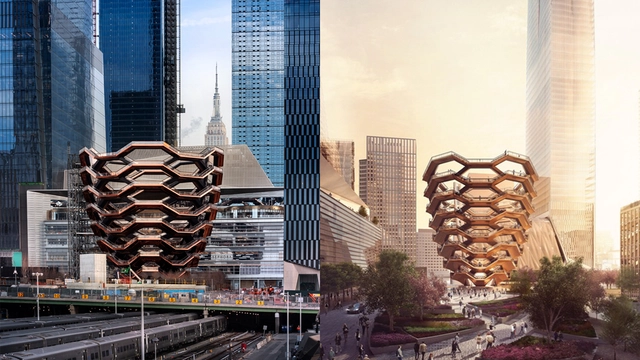
It is nearly impossible nowadays not to present accompanying renders when proposing a new project. No matter the method, software or style that is used, it is a valuable reference that bares more practical weight than one might think. Not only can it be one of the closest possible representations of the architect's vision, if approved, it can also become a promise to clients, investors, and the general public.
When it comes to works from renowned architects, the render becomes a critical reference to the project participants and to the expectant community. A lot of details can be developed and considered when creating the images. In most cases, special attention is brought to the lighting, materials, and context in order to make the most accurate representation possible.


https://www.archdaily.com/942700/renders-vs-reality-projects-from-renowned-architects-before-and-afterHana Abdel
OMA, Herzog & de Meuron, and ELEMENTAL to Design Three New Museums in Qatar
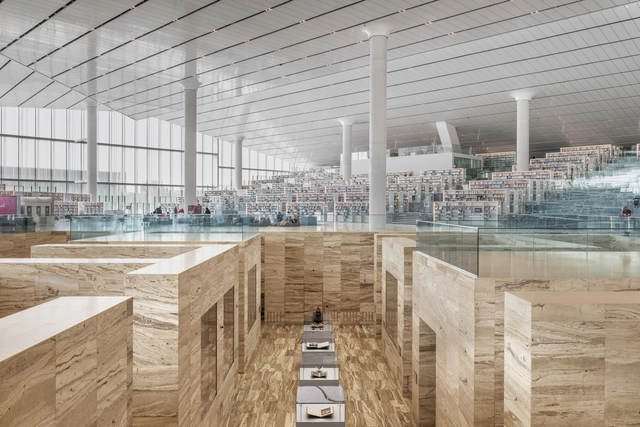
Following Qatar's ambitious museum-building project to further promote cultural institutes in the country, Her Excellency Sheikha Al Mayassa bint Hamad bin Khalifa Al Thani, Chairperson of Qatar Museums has announced that OMA, Herzog & de Meuron, and ELEMENTAL will be designing three new museums in Doha that explore the themes of Islamic art, contemporary art, and evolution of the automobile industry respectively.


https://www.archdaily.com/979317/oma-herzog-and-de-meuron-and-elemental-to-design-three-new-museums-in-qatarDima Stouhi
OMA Commissioned to Transform the Coastline of Paysandú, Uruguay
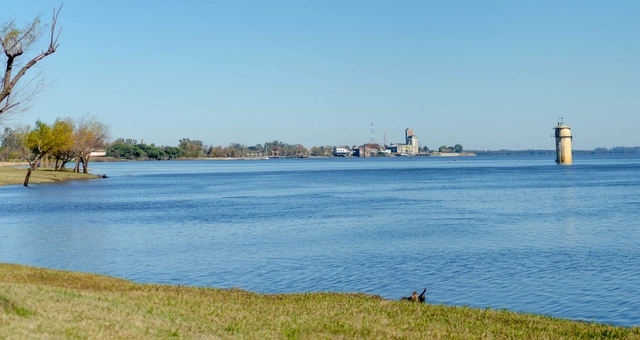
The Municipality of Paysandú commissioned OMA (Office of Metropolitan Architecture) to draw up the project for the urban transformation of Paysandú's waterfront. Covering an area of about 350 hectares, the Master Plan extends from the "General José Artigas" International Bridge, which links Paysandú with Argentina on the northern border, to the mouth of the Sacra Stream.
https://www.archdaily.com/978818/oma-commissioned-to-transform-the-coastline-of-paysandu-uruguayAgustina Iñiguez
Construction Advances on OMA's Simone-Veil Bridge in Bordeaux

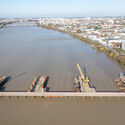
Construction is underway for OMA’s Simone-Veil Bridge in Bordeaux, with the first elements of the metal framework installed on the right bank of the Garonne river. Spanning 548 metres, the sixth bridge across the Garonne will connect the municipalities Floirac and Bègles and provide the city with a new public space, thus framing the bridge as a contemporary boulevard. Designed as a continuous surface extended to landscaped public spaces on each bank, the 44-metre bridge will accommodate cars, public transport, bicycles, with the largest surface dedicated to pedestrians. When completed, the project will become the first bridge in OMA’s body of work.




https://www.archdaily.com/978669/construction-advances-on-omas-simone-veil-bridge-in-bordeauxAndreea Cutieru
On the Ongoing Hostilities: Architectural Institutions Rally in Support of Ukraine

On the 24th of February 2022, Russia launched a large-scale invasion of Ukraine. Set to become Europe’s largest refugee crisis and armed conflict in this century, so far, this war has mobilized people across the world in order to exert pressure on authorities and put a stop to the armed hostilities. Individuals, as well as institutions in the architectural field, have taken part in these acts of solidarity, issuing statements, condemning actions, and even halting their work in Russia. From the UIA to MVRDV to Russian Institutions such as Strelka, the architecture world is denouncing the acts of violence and supporting an immediate cease of fire.



https://www.archdaily.com/977781/on-the-ongoing-hostilities-architectural-institutions-rally-in-support-of-ukraineChristele Harrouk
Amsterdam City Guide: 25 Places to See in the Capital of The Netherlands
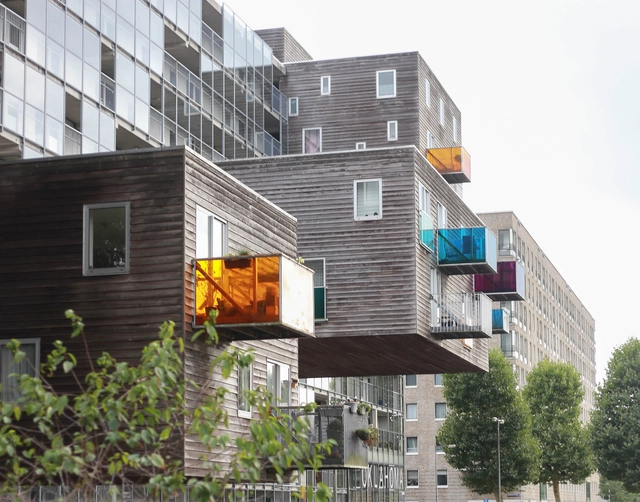
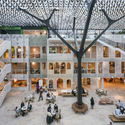
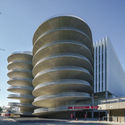
Amsterdam is one of the most beautiful cities in Europe. Its origins lie in the 12th century when fishermen living along the banks of the River Amstel built a bridge across the waterway near the IJ, then a large saltwater inlet. Most of the city’s territory is below sea level and therefore it lies on land that has been reclaimed from the water.
Amsterdam is all about practical urban planning, amazing cycling infrastructure, tulip-lined canal bridges, and old merchant houses that tilt at impossible angles. I visited Amsterdam again last year and discovered some new places.



https://www.archdaily.com/933359/amsterdam-city-guide-25-places-to-see-in-the-capital-of-the-netherlandsVirginia Duran
BIG, OMA, 3xn, Snøhetta and Toyo Ito Compete for the New GOe Building in Spain
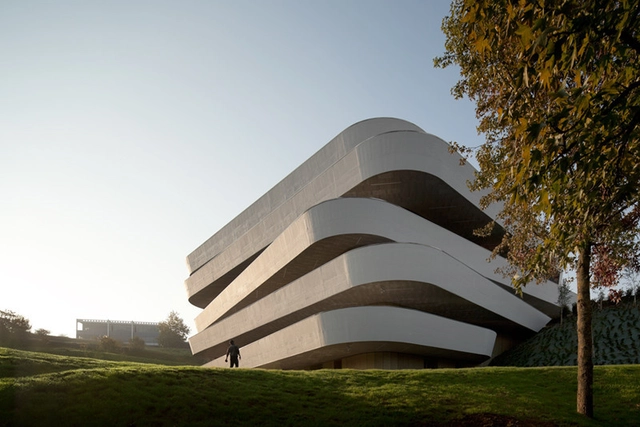
Last year, the Basque Culinary Center announced the creation of the GOe: Gastronomy Open Ecosystem. A project that seeks to generate a gastronomic ecosystem focused on research, innovation and entrepreneurship. It will have its own building in San Sebastian, Spain, becoming the new headquarters complementary to the previous BCC building designed by VAUMM in 2011.
With the aim of selecting the best proposals for the construction of the GOe building, an international architectural competition was launched in December 2021. After receiving and analysing different proposals, five finalists were selected to move on to the next phase of the award process: 3xn (Denmark), BIG - Bjarke Ingels Group (Denmark), OMA - Office of Metropolitan Architecture (Netherlands), Snøhetta (Norway) and Toyo Ito & Associates, Architects (Japan).
https://www.archdaily.com/976827/big-oma-3xn-snohetta-and-toyo-ito-compete-for-the-new-goe-building-in-spainFabian Dejtiar
Fashionable Experiences, Runway Art Direction as Seen in Haute Couture Shows
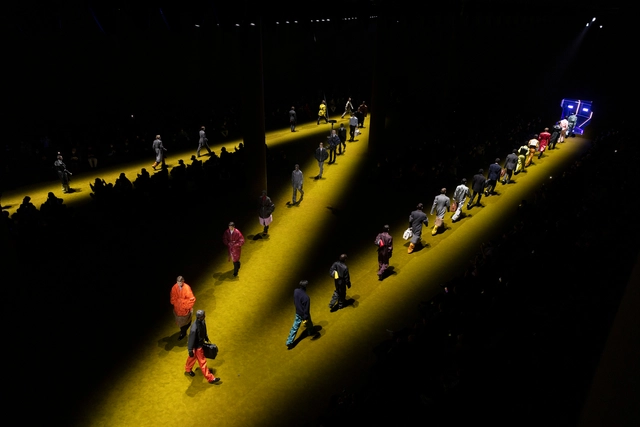
Architecture education is not only about learning how to design and construct buildings but it gives a whole new perspective on our built environment and on how design can contribute to create quality spaces and experiences. Moreover, a big percentage of this design thinking can be used by professional architects as a resource to create other spatial configurations that vary from the traditional building, opening up to a diverse world of possibilities in terms of spatiality and materials.


https://www.archdaily.com/975911/fashionable-experiences-runway-art-direction-as-seen-in-haute-couture-showsHana Abdel
A Residential Building in Munich Wins 2022 DAM Preis for Architecture in Germany
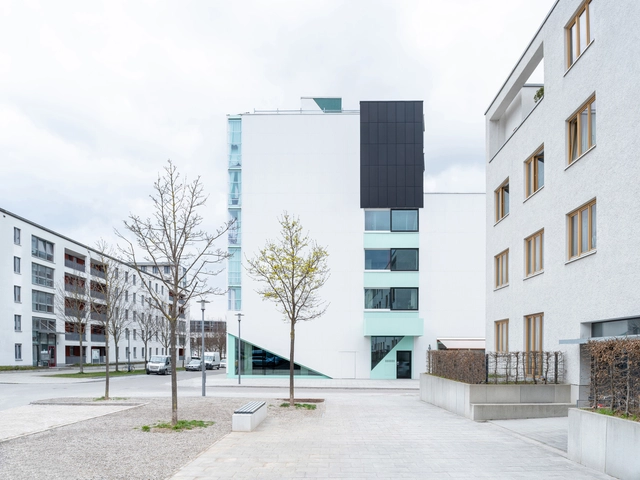
San Riemo Residental Building by ARGE Summacumfemmer Büro Juliane Greb is this year's recipient of the DAM Prize for Architecture, an annual award highlighting outstanding German projects. Selected from 100 buildings nominated by the Deutsches Architekturmuseum (DAM), the San Riemo Residental Building was commended for an exemplary take on communal living and its spatial flexibility that can accommodate a wide range of dwelling scenarios. The finalist projects include OMA’s Axel Spinger building, Burger Rudacs Architekten’s John Cranko ballet school in Stuttgart and Florian Nagler Architekten’s , Research Buildings Bad Aibling.


https://www.archdaily.com/976129/a-residential-building-in-munich-wins-2022-dam-preis-for-architecture-in-germanyAndreea Cutieru
AMO Designs Sci-Fi Inspired Set for Prada Runway Show

Continuing its long-lasting collaboration with Prada, OMA’S research and design branch AMO created a cinematic scenography for the brand’s 2022 Fall Winter Menswear show. Yellow carpeting envelops the hall of Deposito at Fondazione Prada, reimagined as a theatrical setting with olive-green theatre chairs and stage lighting. In juxtaposition, sci-fi looking metal-clad tunnels bathed in neon lights emphasize “the uncanny relationship between the theatrical and technological atmospheres”.


https://www.archdaily.com/975805/amo-designs-sci-fi-inspired-set-for-prada-runway-showAndreea Cutieru
8 Stories of Architects Embracing Refurbishment and Adaptive Reuse

Over the past year, established practices have continued to champion the transformation of existing structures, with adaptive reuse and renovations increasingly becoming a defining aspect of contemporary architecture From the renovation of landmark structures to the adaptive reuse of obsolete facilities, the idea of giving new life to existing buildings has been embraced as the premise for a more sustainable practice, but also as a means of reinforcing the urban and cultural identity of cities. Discover 8 designs and recently completed projects that showcase a new common practice of reusing existing building stock.


https://www.archdaily.com/975347/8-stories-of-architects-embracing-refurbishment-and-adaptive-reuseAndreea Cutieru
The 22 Most Anticipated Projects of 2022
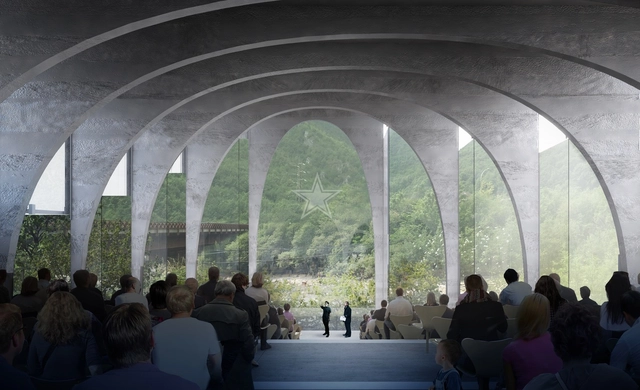
As the new year kicks off, we're taking a look ahead to the projects we're most looking forward to in 2022. With a mix of cultural and commercial programs, the designs are located across five continents, with many under construction for multiple years. Designed across a wide range of scales, they represent a mix of interconnected landscapes, museums, and new skyscrapers.




https://www.archdaily.com/975055/the-22-most-anticipated-projects-of-2022Eric Baldwin
Can Architects Finally have a Seat at the Table? Labor Rights and Work Conditions in Architecture
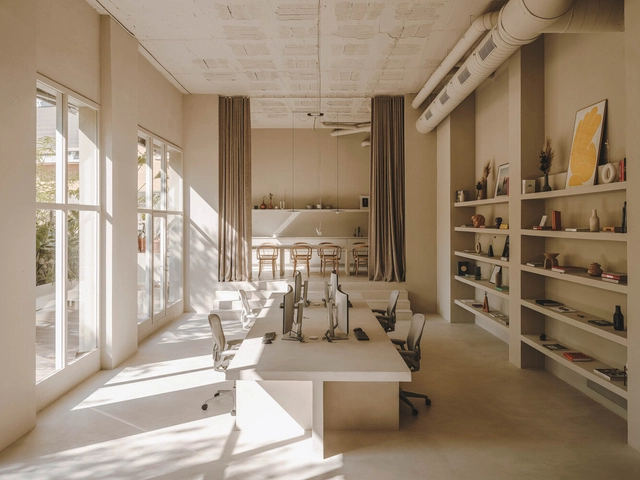
The early stages of practicing architecture are often met with what many explain as "the slippery slope of being an architect", where expectations do not at all meet reality of the profession and gets worse as the experience progresses. With constant burnouts as a result of working overtime and on weekends on the account of “gaining experience”, extraordinary expectations, low wages, and physical and mental strains, the prestige of being an architect has evidently vanished with modern-day work conditions. So how can architects fight for their labor rights after years of exploitation and what is currently being done to ensure them?


https://www.archdaily.com/974293/can-architects-finally-have-a-seat-at-the-table-labor-rights-and-work-conditions-in-architectureDima Stouhi
OMA / Shohei Shigematsu Creates NFTs of ReefLine Underwater Sculpture

OMA / Shohei Shigematsu, together with artists Charlotte Taylor and Nicholas Préaud, created a series of NFTs inspired by an underwater sculpture designed for the ReefLine project. Commissioned by Aorist for its climate-forward NFT marketplace, the video NFT Coral Arena unfolds a virtual narrative of the monument, simulating the evolution of the future physical artwork from an abstract object to being the support of an underwater ecosystem. The NFTs were unveiled during Miami Art Week, and proceeds from their sale will be donated for the completion of the ReefLine project.




https://www.archdaily.com/973624/oma-shohei-shigematsu-creates-nfts-of-reefline-underwater-sculptureAndreea Cutieru
Framing Indeterminacy: The Incorporation of Uncertainty Into Architecture

By definition, architecture and urban planning operate within a certain degree of indeterminacy, using present context to find viable answers for an unknown future. As a result, design is a constant search for a balance between prescribing and taking a step back to make room for alternate yet unforeseeable scenarios. Uncertainty is an inherent condition in present-day society, and recent rapid social, economic, and even environmental changes prompt a closer look at how architecture can incorporate indeterminacy. The following reviews some precedents and contemporary examples that programmatically operate with indeterminacy, highlighting several strategies for designing for uncertainty and change.


https://www.archdaily.com/972931/framing-indeterminacy-the-incorporation-of-uncertainty-into-architectureAndreea Cutieru
Virgil Abloh, a Great Influential Figure in the Artistic World, Passes Away at 41

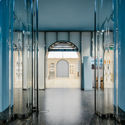
Virgil Abloh, a great American influential figure in the fashion, art, culture, design, and architecture scene, passed away at 41, after a silent battle with cancer. Known for his collaboration with AMO, especially for the Off-White Flagship Store in Miami, a brand he founded back in 2012, the trained architect was the first African-American to become the artistic director of a French luxury brand.
The news was announced on Sunday on Abloh’s official Instagram Account. The Creative Director of Louis Vuitton menswear battled a “rare, aggressive form of cancer, cardiac angiosarcoma […] privately since his diagnosis in 2019”, according to the post.




https://www.archdaily.com/972660/virgil-abloh-a-great-influential-figure-in-the-artistic-world-passes-away-at-41Christele Harrouk
OMA / Jason Long's Adaptive Reuse of Historic Houston Post Office Opens to the Public
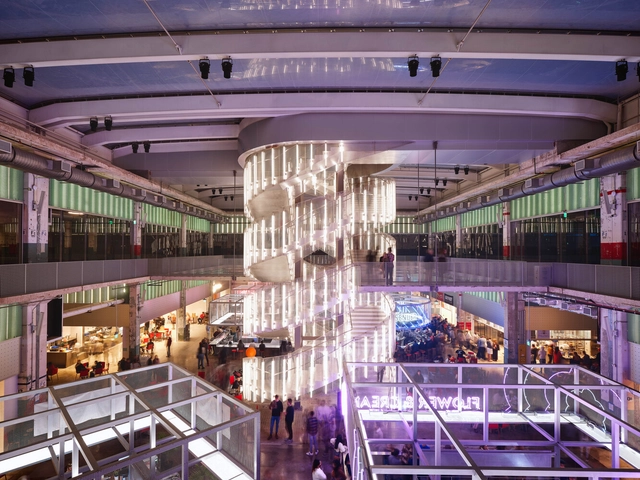
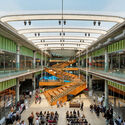
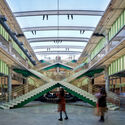
The first phase of the POST Houston redevelopment project is nearing completion, and the finished areas are now open to the public. Through adaptive reuse and precise interventions, Jason Long and OMA New York have transformed the historic Post Office mail sorting warehouse into a new public destination and cultural venue for Houston, featuring a diverse collection of programs meant to evolve and adapt to the needs of the city.



https://www.archdaily.com/972289/oma-jason-longs-adaptive-reuse-of-historic-houston-post-office-opens-to-the-publicAndreea Cutieru