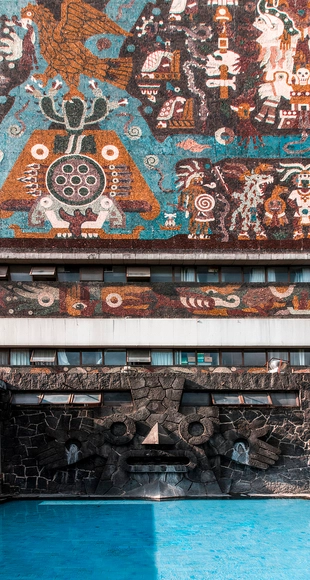
From the pre-Columbian period of the Americas –during which cultures such as the Olmec, Maya, Purepecha, and Mexica (Aztec) thrived– to the modern era where architecture has been influenced by social movements and even natural disasters, Mexican architecture showcases a valuable architectural expression, with its own unique voice and distinctive characteristics. Nobel Literature Laureate Octavio Paz argued that architecture is an incorruptible witness to history. Likewise, the materials used to shape it have acted as protagonists of that history, enduring in many cases over time and evolving thanks to the generations of architects who have contributed to it, from different perspectives.
To trace a timeline, it is possible to take as a starting point pre-Hispanic architecture, which exhibited a diversity of nuances due to Mexico's vast territorial extension. This allowed diverse cultures to find their niche and develop their characteristic architectural styles. Subsequently, the era of Spanish colonization, which itself drew influence from Islamic architecture, represented a noteworthy turning point in architectural development. This phase endured until the advent of Mexican Independence in the 19th century. In turn, this marked the initiation of social and cultural movements, both during and after the Mexican Revolution in the early 20th century.
https://www.archdaily.com/1005554/materials-that-define-the-contemporary-mexican-architectural-aestheticEnrique Tovar
Sayulita is a small beach town in Nayarit, a state located in the western region of Mexico. It is a locality of about 3,390 inhabitants that has grown significantly in the last decade due to tourism, mainly from the United States and Canada, who are attracted by the landscapes and waves that have made it one of Mexico's main surfing destinations.
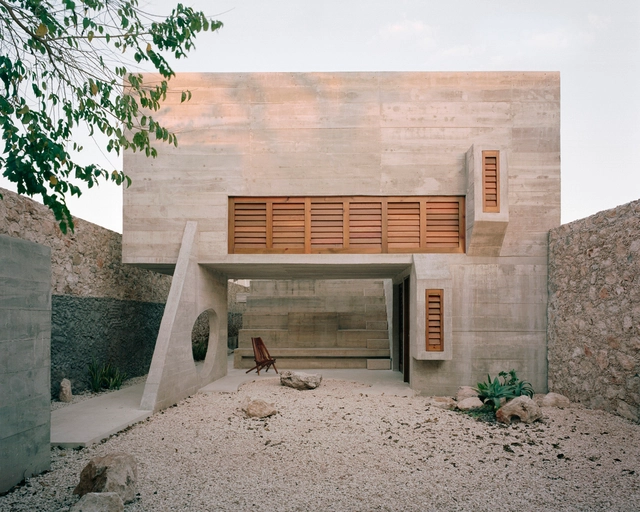
Brutalism is an architectural style that originated in the 1950s and became popular in the 1960s. Its name comes from the French "béton brut," which means "raw concrete," as this material is one of the most characteristic elements of the style. Its main features are the apparent use of concrete, offering visuals where natural texture and tonality are the protagonists of the buildings. Brutalist buildings often have an austere and massive aesthetic, with simple and repetitive geometric shapes. The use of industrial materials and innovative construction techniques is also common in brutalism.
March 9 marks the birthday of one of the most important Mexican architects worldwide. A pioneer of the Modern Movement in Mexico whose work has transcended geographical limits to be studied by different generations of architects who have rewritten his teaching to make it their own. Every year, this date represents the perfect excuse to rethink Barragan's legacy to architecture not only in Mexico but also in the world, and different projects have been carried out with this intention, awakening the interest of new generations. However, until a few years ago, the record of the architect's work was not very accessible since more than 50% of the projects he built remained anonymous due to the lack of a proper archive of his work.
Art Deco is an artistic and design style that emerged in Europe in the late 19th and early 20th centuries, reaching its peak in the 1920s and 1930s. Although it's difficult to identify a single origin for Art Deco, it's believed that the style developed as a reaction against the Arts and Crafts and Art Nouveau movements, which emphasized craftsmanship and naturalistic ornamentation. The style quickly spread throughout the world and had a major influence on architecture, interior design, fashion, and visual arts during the first half of the 20th century.
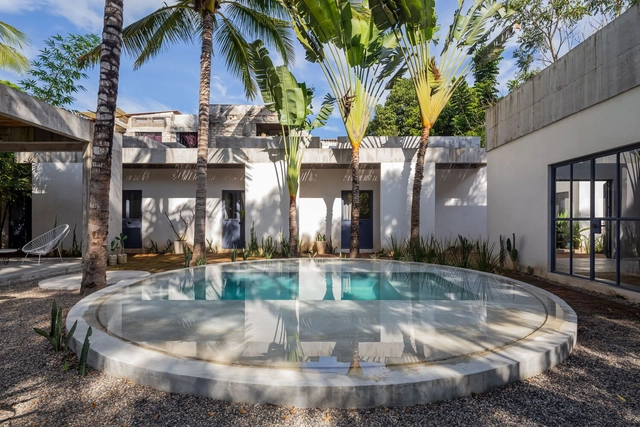
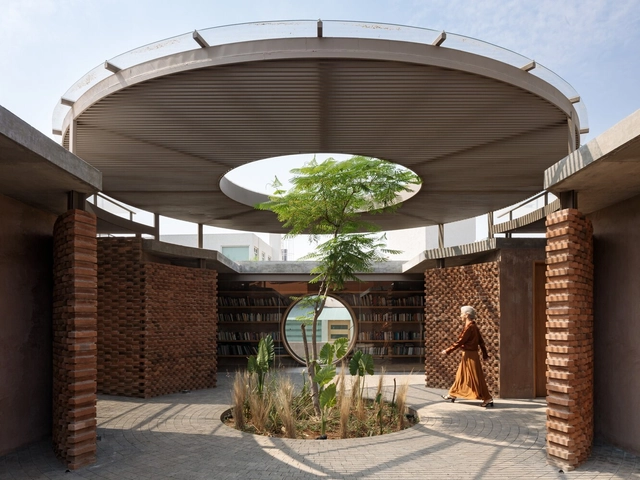
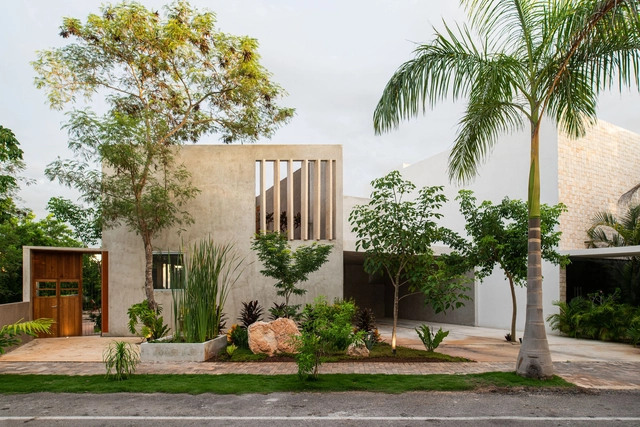
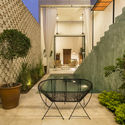
One of the most important factors when designing is the specific climate of the site. This can be a difficulty when dealing with extreme climates and it is necessary to use insulating materials that adapt to the changing conditions. However, when talking about Mexico and its particular climate this works in the architects' favor allowing them to create microclimates and spaces that blur the transition of what turns out to be indoors and outdoors.
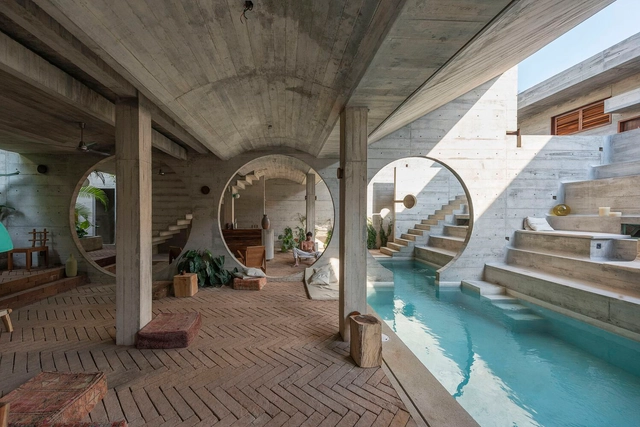
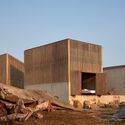
Although there is no exact record of the specific moment in which Puerto Escondido began to become a reference of contemporary Mexican architecture, various waves have been experienced. Perhaps the first one started in 2016 when the construction of Casa Wabi began, a Tadao Ando project where the Mexican office BAAQ´ collaborated as associates to develop the executive project and coordinate its construction. However, in 2019 another wave was experienced that was later reinforced by the beginning of the COVID-19 pandemic and remote work, which radically aroused interest in returning to the provinces and costs where there was less population and overcrowding.
Mexico City is undoubtedly one of the most exciting and effervescent cities on the cultural and architectural scene in recent decades. Various authors have positioned it inside and outside the country through projects that make up a meeting platform for the creative community. LAGO/ALGO is part of the list of those resilient spaces that emerged from the pandemic, with the need to reimagine our current context by rethinking how we relate to the public and private space having the iconic Chapultepec Forest as a stage, an 810-hectare urban park that is divided into four sections which harbor some of the most important tourist sites in Mexico.
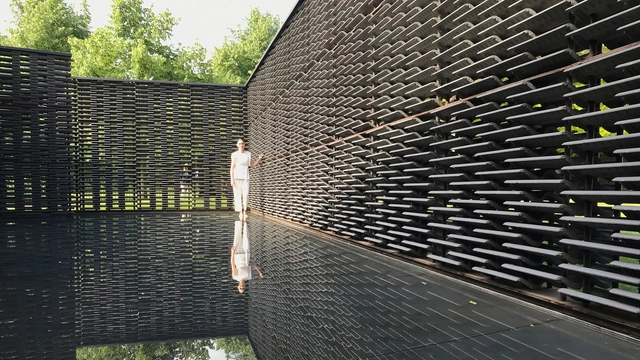
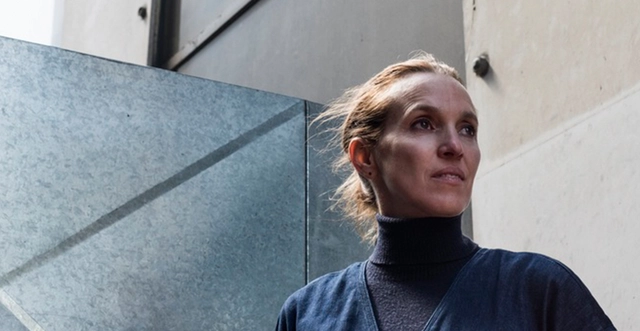
Each year, TIME publishes TIME100 Next, a list, inspired by its flagship TIME100, seeking to recognize 100 people from all industries around the world whose careers are on the rise. As a result, the 2022 TIME100 Next list features high-profile musicians and medical professionals, government officials, movement leaders and whistleblowers along with top CEOs, all selected by TIME journalists. However, in this year's list it is possible to recognize the only professional that represents the guild: the Mexican architect Frida Escobedo.
We know you're an architecture aficionado and that your passion takes you places that inspire and awe. Even though a visit to the classic tourist sites can result in an amazing trip, visiting lesser-known places can make for an unforgettable experience. It is because of this passion for parts unknown that we have compiled this list of some of Latin America's hidden architecture gems for you to consider as you plan your next trip.
The city of Merida –capital of the Yucatan state in Mexico– is a region that has experienced a rise in architectural development in recent years due to the emerging talent that has made a name for itself with national awards and biennial proposals throughout the country. Due to Merida's tropical climate, the architecture on this site corresponds to specific geographical conditions that make it one of the most visited destinations in the world.
The presence of Mexican architecture on the global scene is increasingly evident and strengthened by the ambassador architects who constantly represent Mexico in international events and exhibitions. Within these samples, you are able to see a constant concern to show contemporary values that denote a sense of responsibility, reinventing their own identity with the urgency of addressing current challenges.
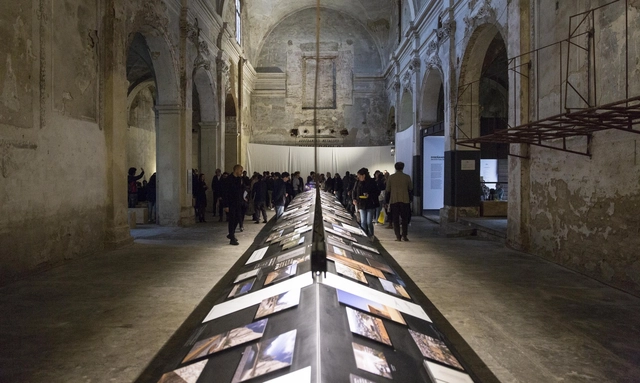
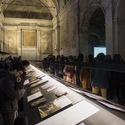
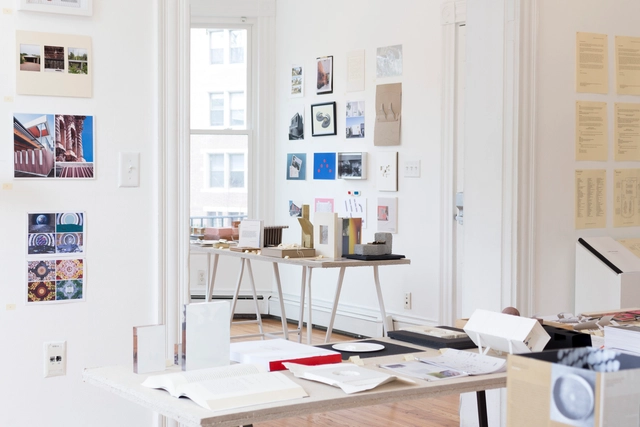
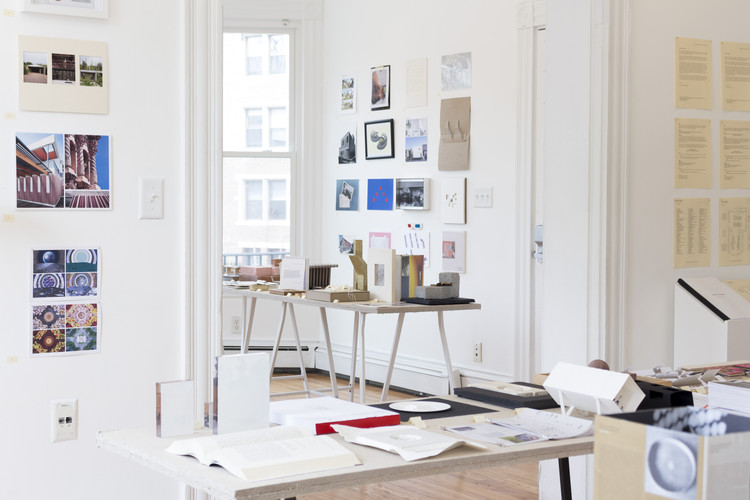
'A quien corresponda' is an exhibition at the Kirkland Gallery at the Graduate School of Design at Harvard, which emerges as a call within another. Being aware of the scarcity of opportunities for exhibition and appreciation of design in Mexico, an open invitation extended to practices dedicated to architecture, design and / or art interested in showing their work in an area of 0.0588m2 (the area of one leaf letter) within the space of the gallery, taking advantage of the opportunity to appropriate the gallery in a period of two weeks.
https://www.archdaily.com/915828/a-quien-corresponda-an-exhibition-that-seeks-to-recognize-mexican-design-in-the-usaInés Benítez y Edgar Rodríguez
One of the most important factors when designing is the specific climate of the site, this can represent a difficulty when dealing with extreme climates and it is necessary to use insulating materials that adapt to changing conditions. However, when talking about Mexico and its privileged climate, this becomes an advantage for architects, allowing the creation of microclimates and spaces that fade into the transition of what is the inside and the outside.
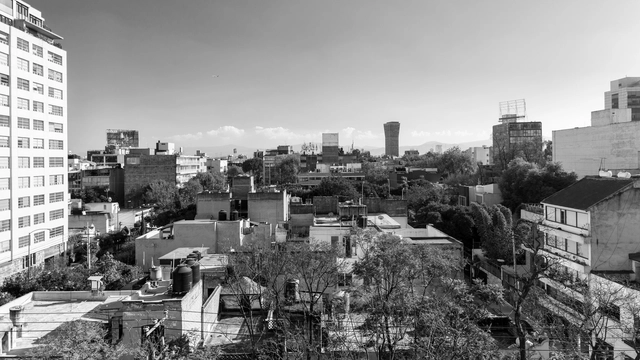
Colonia Roma, a neighborhood in Mexico City, is well known among locals for its art galleries, restaurants, bookstores and museums - it is a hotspot of contemporary art and culture. However, this cultural tradition actually dates back to the Porfirian Era in the early twentieth century. The area was a way to present Mexico City as a modern city by creating the first colony, along with Colonia Condesa, with all basic services available to the residents. Drawn with Parisian boulevards and tree-lined streets, Roma is an exemplar of art nouveau architecture, eclectic and French-ified – an attractive area that immediately led to the arrival of wealthy families.
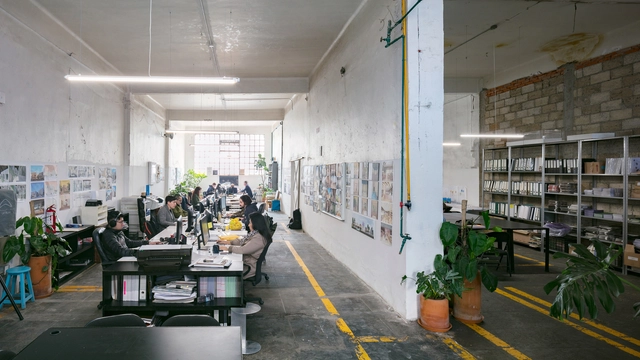
After having previously photographed the architecture offices in the Netherlands, Dubai, London, Paris, Beijing, Shanghai, Seoul, the Nordic countries, Barcelona and Los Angeles, the architectural photographer Marc Goodwin continues the series with an exploration of some of the most recognized architecture offices in Mexico. With a set of emerging and world-renowned offices alike, the series offers insight into the lives of designers in Mexico City.



















.jpg?1414606549&format=webp&width=640&height=580)
.jpg?1414606492 "© Jaime Navarro")
.jpg?1414606523 "© Jaime Navarro")
.jpg?1414606538 "© Jaime Navarro")
.jpg?1414606519 "© Jaime Navarro")
.jpg?1414606549)