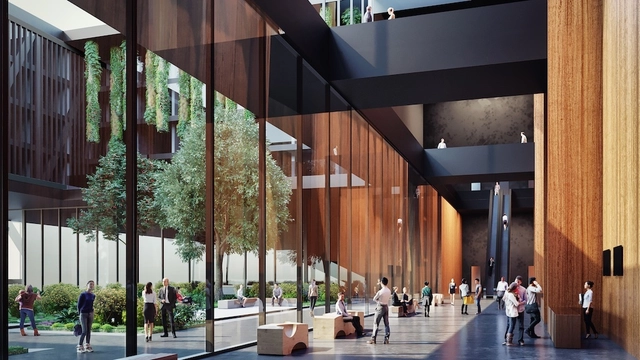
One of the most important factors when designing is the specific climate of the site. This can often present challenges when dealing with extreme climates and it is necessary to use insulating materials that adapt to changing conditions. However, Mexico and its privileged climate can be in an architect's favor. Here, architects can create microclimates and spaces that blur the transition of inside and outside.
A quintessential characteristic of Mexican culture — in addition to its architecture and rich pre-Colombian identity — is its gastronomy. In 2010, UNESCO's Intangible Cultural Heritage list inscribed Mexican Traditional Cuisine. The foundation remarked that "their knowledge and techniques express community identity, reinforce social bonds, and build stronger local, regional and national identities." However, from Mole to Birria and Pozole to Cochinita Pibil, the most iconic, versatile, and tasty meal is the taco.
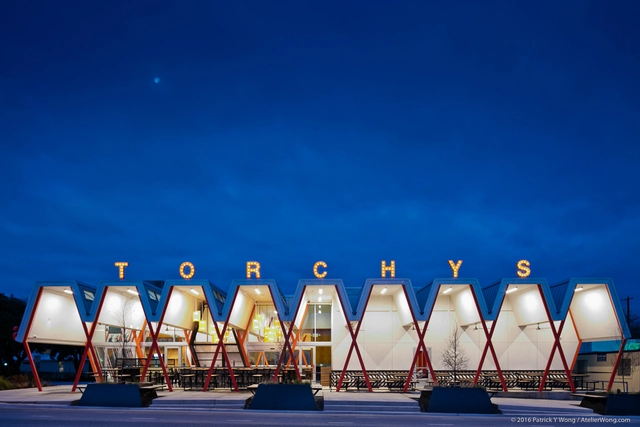
In honor of Mexico's rich history, tradition, and food, take a look at 7 taquerias that can inspire your next project.
Mexico is a country known globally for its traditional and contemporary architectural elements. The construction techniques characteristic of each region and the use of materials according to thermic, economic, or aesthetic needs result in unique spaces.
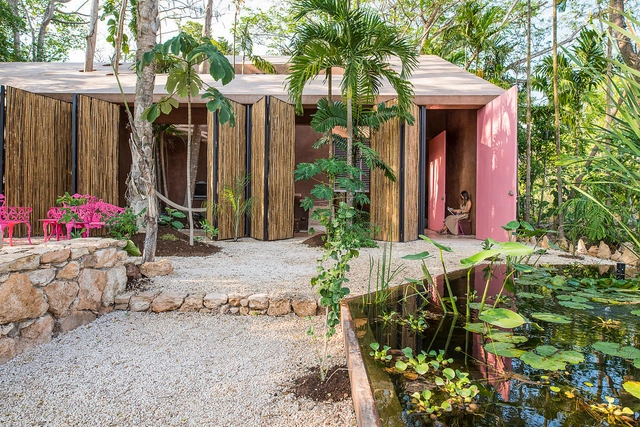
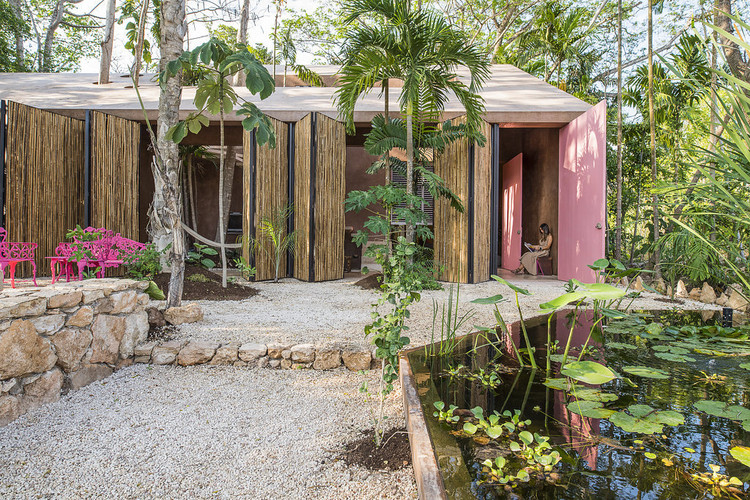
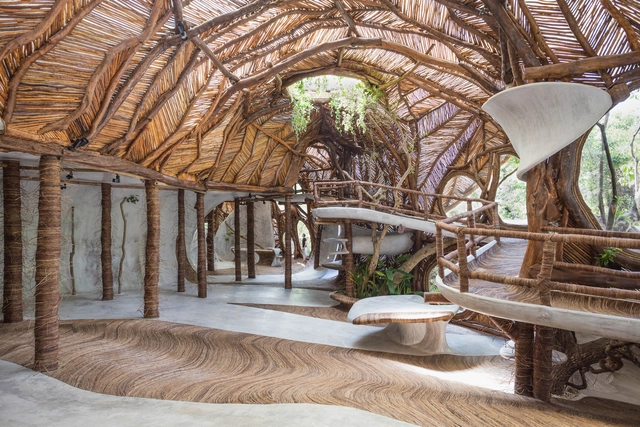
Bamboo as a constructive or decorative element, coating, facade, or roof has proven its superiority over materials such as plastic and steel.
While it is true that research on this material has advanced significantly in recent years, we know that there is still much to learn. Many architects are seeking knowledge from the past to apply to their current techniques. Below, we've selected a list of 8 Mexican projects that explore the use of bamboo in the hands of architects and artisans.
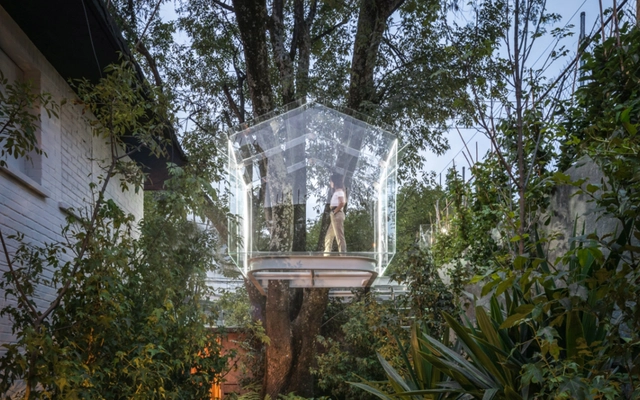
Design House, which is held annually within the framework of Design Week Mexico, is celebrating its tenth anniversary. In this year's edition, 24 local designers and architects transformed an abandoned home, each restoring a room or outdoor area. One of these interventions, by Broissin Architects, reconstructed the outdoor patio into a micro-forest with the small, glass house placed on a centenary ash tree.
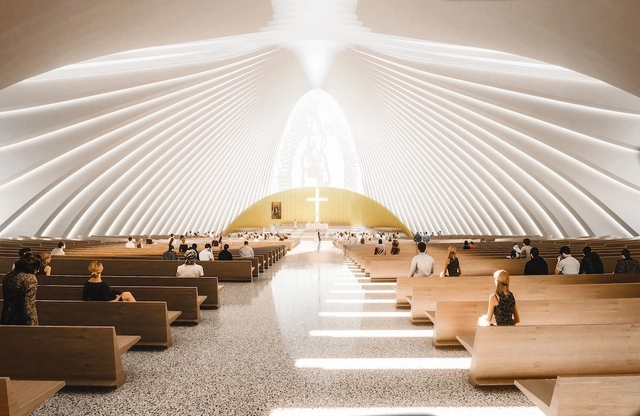
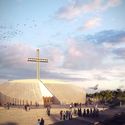
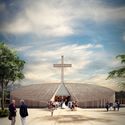
In response to calls for a larger space, the Santiago Apostle Cathedral is the proposed home for the Queretaro Diocese. The proposed building lies on a 20,000 square meter plot of land on the city's south central side. The project aims to turn the building into not only a new religious and community space, but also an architectural icon for the city.
The project's design is based on a guiding axis that points towards the rising sun. The nave's geometry begins in the circle and then spreads throughout the structure from the principal entrance all the way towards the altar. The cathedral's roof is made up of a grand staircase that also houses a reflection pool.
Over the past few months, Quintana Roo's coast has been overtaken by an invasion of seaweed that has put the locals to work cleaning up the beaches as the weeds wash ashore. The work is an exhausting day-to-day ordeal and while the cause of the invasion is still unknown, many point to the changes in climate impacting the Atlantic Ocean.
Currently, over 60 tons of seaweed has been gathered from the coast and locals are already putting the plants to good use as raw materials for biodigestors, cosmetics, plastics, fertilizers, and pharmaceuticals. However, another use for seaweed has recently come to the public's attention.
Founded by Juan Benavides in 2014, FILMATICA is an architectural film studio dedicated to making videos with a curatorial focus. The selection of projects is carried out in order to empathize with the formal interests of the studio, responding to aesthetic spatial conditions surrounded by powerful landscapes. With this in mind, FILMATICA makes a series of narratives that highlight architecture, time, movement, and our journey through the world. Below, a compilation of videos of contemporary architectural works narrated through the lens of Juan Benavides and the FILMATICA team.
Wood has been an indispensable material in the history of civilization. Different regions from around the world have used it for specific climatic conditions. Mexico, as we have mentioned on several occasions, is an extensive country where different climates, resources and ways of life fit. Therefore the application of wood in architecture has been developed in a number of ways, from its structural use to produce roofs for Mayan huts to projects that seek to revive vernacular architecture.
While the handling of this material is difficult due to its specific detail management, it presents a multitude of benefits from its aesthetic appeal, air circulation, and even smell. Take a look at 16 Mexican projects that use wood in wondrous ways.
In 2001, the Mexican Secretary of Tourism (SECTUR) created an initiative called "Pueblo Mágico/Magical Town." This program seeks to highlight towns around the country that offer a unique and "magical experience – by reason of their natural beauty, cultural richness, traditions, folklore, historical relevance, cuisine, arts & crafts, and hospitality."
You can find SECTUR's "Magical Town" definition here.
A town that through time and before modernity, was conserved, valued and defended for its historical, cultural and natural heritage; and manifests in it various expressions through its tangible and intangible heritage. A "Magical Town" is a locality that has unique, symbolic attributes, authentic stories, transcendent facts, daily life, which means a great opportunity for tourism, taking into account the motivations and needs of travelers.
One of the most important factors to consider when designing is the climate of the site. This can create difficulties when it comes to extreme climates and it is necessary to use insulation materials that adapt to changing conditions. However, when discussing Mexico and its specific climate, this can be an opportunity for architects to create microclimates and spaces that blur the transition of interiors and exteriors.
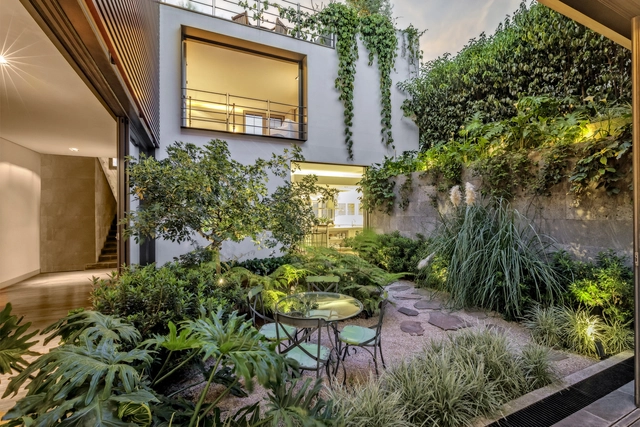
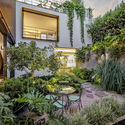
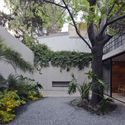
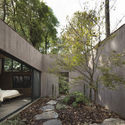
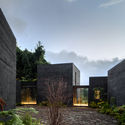
Patios have become a traditional element of design. They create interesting psychological effects that fuse the conception of the interior and exterior, the common and private. It is a way to bring sunlight and rain into the house, to open up paths and coexistences that do not occur in interiors. Below, a selection of projects in Mexico that use the patio as the main design resource.
The architectural history of Mexico bears with it a wealth of symbolism that gives insight into the different time periods that have played host to contemporary cultural movements throughout the country's history.
Today, it's common to hear well-known architects calling for, not the creation of new spaces, but for the restoration of already existing ones. This stance insists that it is one's duty as an architect to rescue a site's memory by bringing it into the here and now.
As philosopher Jean Paul-Sartre put it, "what is important is not what happens to us, but what we do with what happens to us." In keeping with Sartre's phrase, we have compiled a list of 6 restoration projects that aim to rescue sites and show the interconnectedness of different time periods in Mexican history.
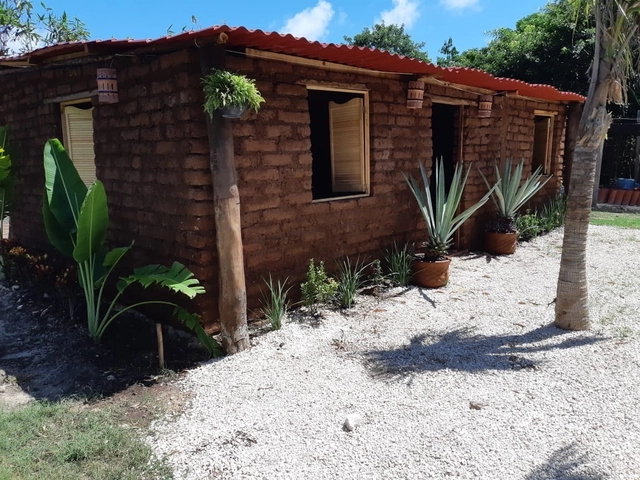
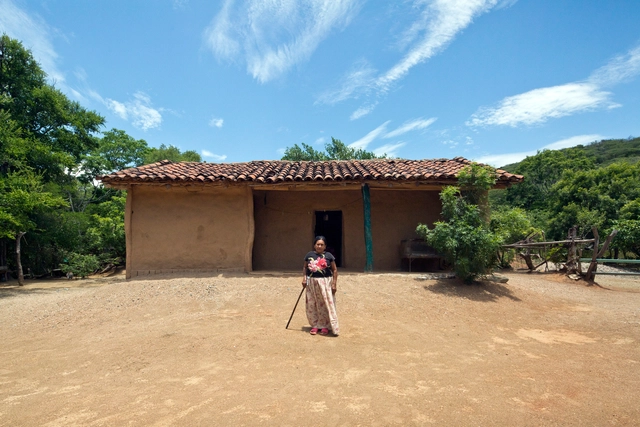
Traditional Mexican housing is being transformed by a number of factors, namely the urbanization of rural areas, the disruption of public information, the loss of the environmental consciousness, and housing policies that downplay the importance of traditional means of construction in favor of more industrial methods -- the likes of which generate false aspirations that redefine the concept of a dignified living space.
This is driving the loss of both tangible and intangible national heritage, namely the architectural values developed by the native peoples of the country over the centuries. In other words, it's not only the architectural heritage at risk of disappearing but also the centuries of knowledge built from everyday living spaces and their relationship with the territory that they inhabit.
https://www.archdaily.com/900830/mexicos-traditional-architecture-is-disappearing-this-project-is-seeking-to-keep-it-aliveMariana Ordoñez y Onnis Luque
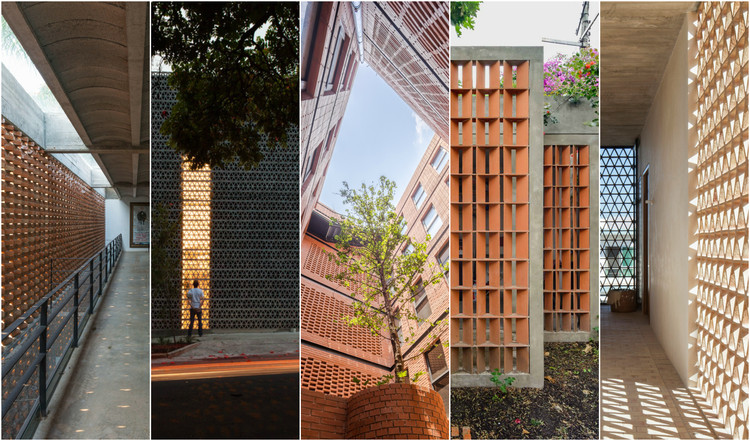
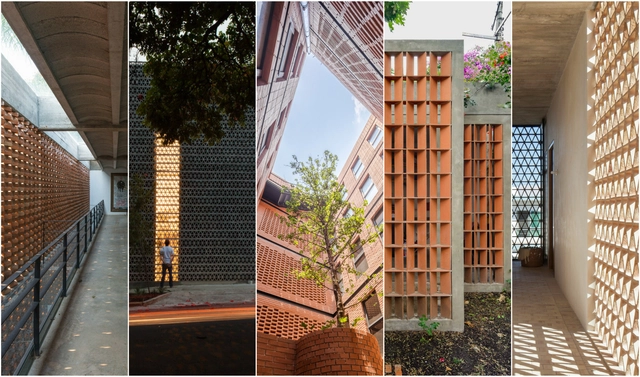
The brise soleil is an architectural element that has been used since ancient times to create subtle barriers between the interior and the exterior. Its use and design have been diversified over the years through the research and technology with which these elements are applied, creating the ability to build a small window to a complete facade and pavilion that seem to float.
We know that Mexico is a country with one of the most diverse climates, thus the use of a brise soleil is positioned stronger within the guild. Also, rural areas have long adapted the feature in Mexico, demonstrating its beauty and usefulness. Read on for our collection of 21 brise soleil features in Mexican projects to inspire you with its diverse applications.
After Frida Escobedo, Yana Peel and Hans Ulrich Obrist officially presented the 2018 Serpentine Pavilion on Monday, June 11 at Kensington Gardens in London, we had the opportunity to interview Mexican architect Frida Escobedo exclusively for ArchDaily. Escobedo shared with us with us the importance that designing pavilions has had in her career, the relevance of working on public spaces, and offered her thoughts on the perception of the Mexican context outside of Mexico. She also spoke further about the details of the pavilion itself and revealed where she would like the pavilion to be moved after completing its 4-month stay at Kensington Gardens.
The 2018 Serpentine Pavilion opens to the public on June 15th and will remain in place until October 7th, 2018.
https://www.archdaily.com/896242/frida-escobedo-on-the-2018-serpentine-pavilion-mexican-architecture-is-an-architecture-of-layeringAD Editorial Team
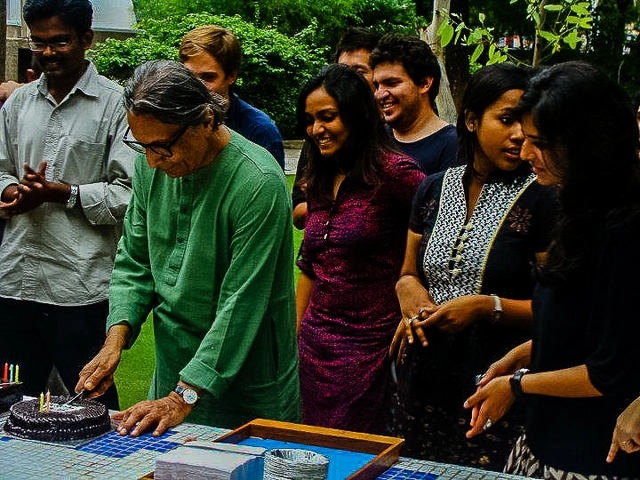
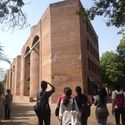
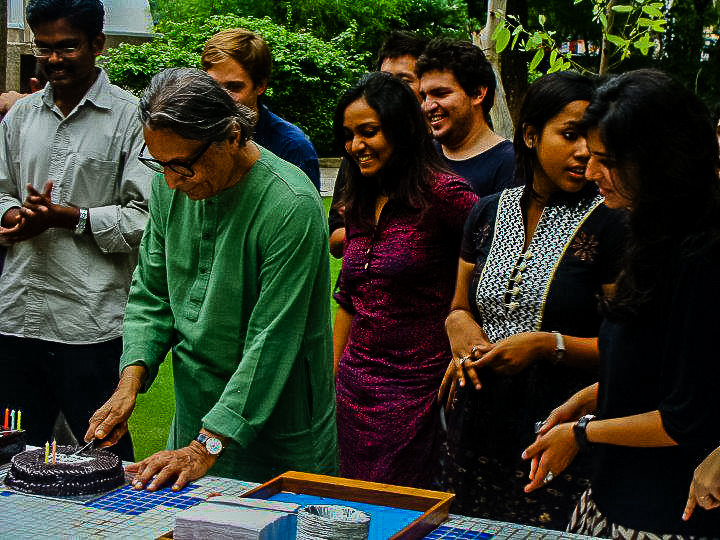
Earlier this year, the jury of the Pritzker Prize chose the Indian architect Balkrishna Doshi, also known as B.V. Doshi, or Doshi, as the winner of the 2018 Pritzker Prize. In recent weeks a lot of information has come to light about the winning architect's practice who, as you probably already know, was an apprentice and collaborator of Le Corbusier and Louis Kahn. Being the first Indian architect to receive Architecture's most prestigious award, Doshi has had an active career of more than 70 years, with a poetic architectural style that is based on oriental cultural influences, creating a production that "covers all socioeconomic classes, in a wide spectrum of typologies, since the 1950s," according to the jury's record.
But, can you imagine what it's like to work with Doshi in his firm? We talked with four alumni from the School of Architecture, Art and Design from Tecnológico de Monterrey, who some years ago had the opportunity to travel to India to work directly with Doshi through a professional internship program promoted by the same university. Arturo Acosta, Jeimi Cuendulain, Airam Moreno and Giovanni Llamas tell us about their experience working in the firm, as well as anecdotes that marked them both professionally and personally that helped them see and experience architecture beyond the obvious. Here are their testimonies below:
The Expo Guadalajara Technical Committee invited five different Mexican architecture studios to participate in the design competition for the conceptual proposal for the extension of this trade fair venue in the capital of Jalisco state. Following a lengthy competition period, Sordo Madaleno Arquitectos has been selected as the winner with a conceptual project that takes as its main objective: the creation of a multifunctional space with an important urban interaction.
Proyectos 9, a Monterrey real estate developer, announced Sordo Madaleno Arquitectos as the winners of the international architectural design competition for the construction of Constitución 999, a new mixed-use complex to be erected in the downtown area of Monterrey.
The history of Mexican photography has contributed to highlighting Mexico's presence in the world. Photographers like Elsa Medina, Lola Álvarez Bravo, Graciela Iturbide, Maya Goded, and Juan Rulfo have masterfully portrayed the life of the buildings, houses and the streets of a rapidly built, nineteenth-century Mexico.
As a consequence, the contemporary scene of Mexican photography has become a fundamental tool for architecture and has contributed to a better visual understanding of the works that are erected every day.
Photography and architecture are two disciplines that go hand in hand and whose relationship has been reinforced thanks to the digital tools that we currently have. For that reason, we have compiled the work of contemporary Mexican photographers who record our walk through the world we live in and contribute to constructing the image of contemporary Mexico.



.jpg?1547587025)









.jpg?1540326849 "© Alexander D'La Roche")
.jpg?1540326883 "© Alexander D'La Roche")
.jpg?1540326905 "© Alexander D'La Roche")
.jpg?1540326894 "© Alexander D'La Roche")




















_552.jpg?1530063009 "Juzgados Oral-Penal en Pátzcuaro / Taller de Arquitectura Mauricio Rocha + Gabriela Carrillo. Image © Rafael Gamo")