


Melbourne: The Latest Architecture and News
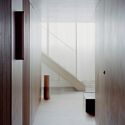
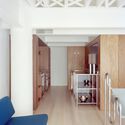
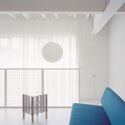
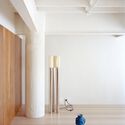
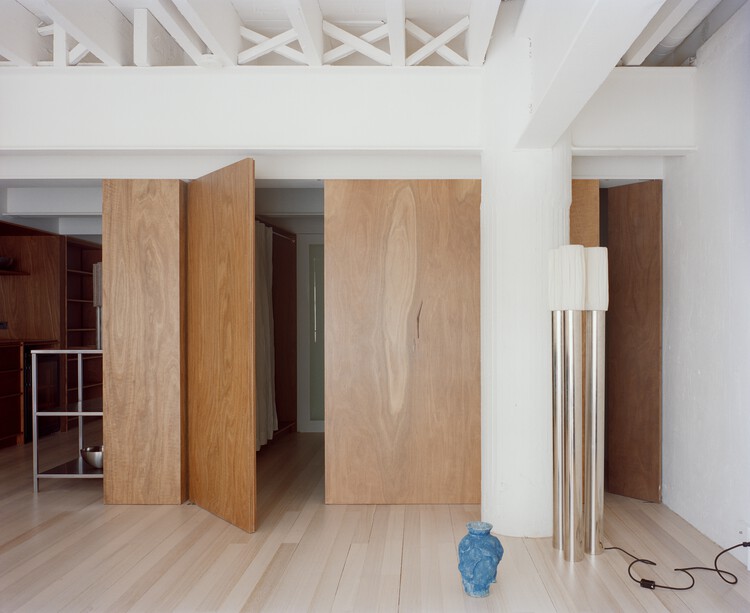
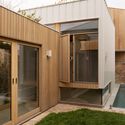
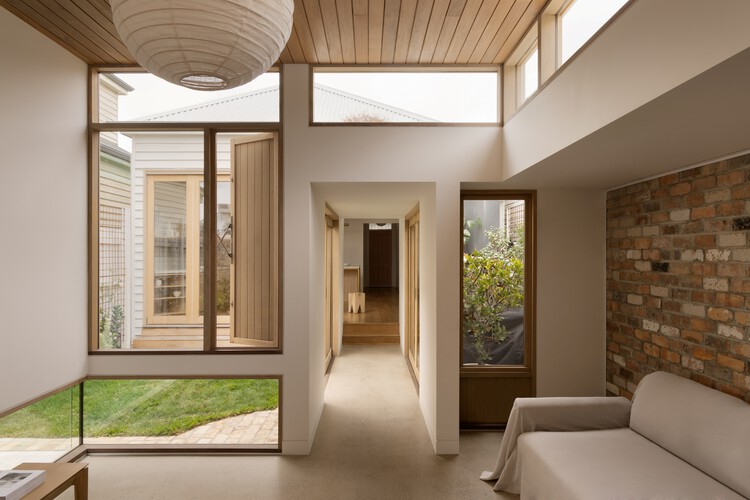
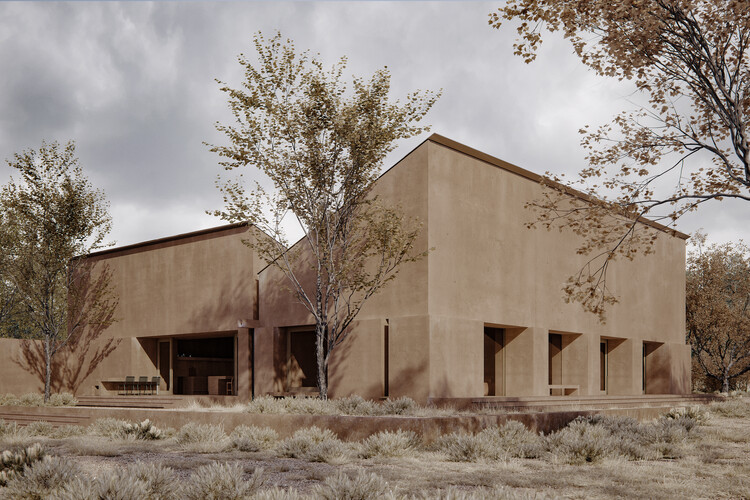
Stack & Field House / Steffen Welsch Architects

https://www.archdaily.com/1040994/stack-and-field-house-steffen-welsch-architectsMiwa Negoro
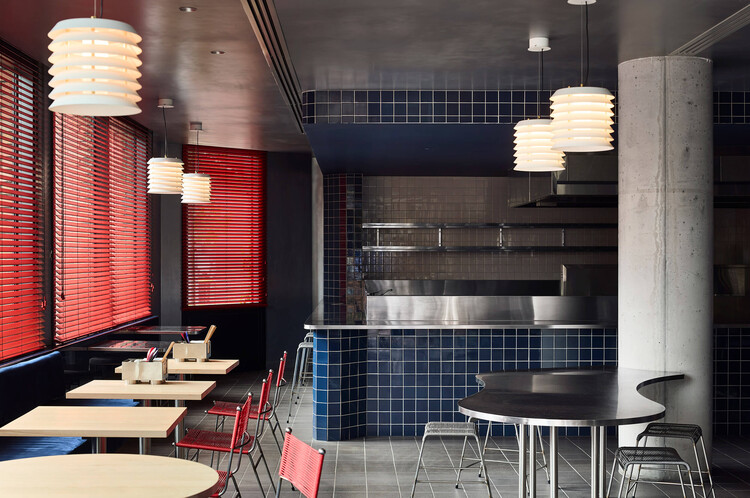
Suupaa Restaurant and Convenience Store / IF Architecture



-
Architects: IF Architecture
- Area: 176 m²
- Year: 2025
https://www.archdaily.com/1040875/suupaa-restaurant-and-convenience-store-if-architectureValeria Silva
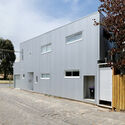
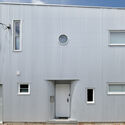
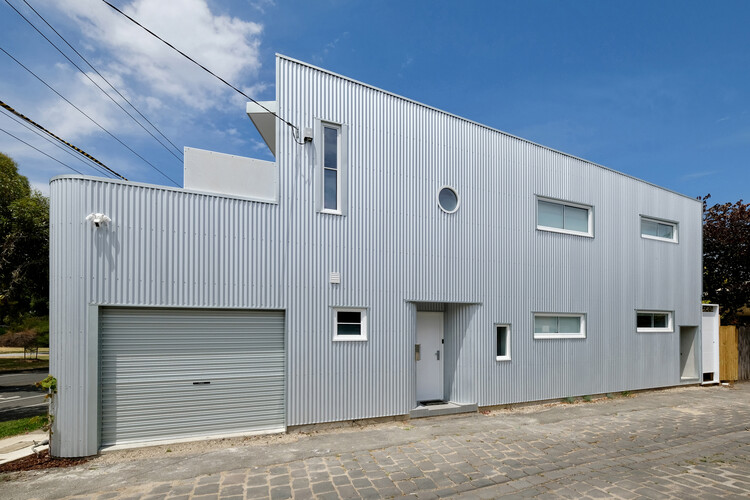
Around the Bend / Nigel Grigg Architects

-
Architects: Nigel Grigg Architects
- Area: 280 m²
- Year: 2022
-
Manufacturers: Lysaght
https://www.archdaily.com/1040952/around-the-bend-nigel-grigg-architectsMiwa Negoro
House in a Garden / Edition Office

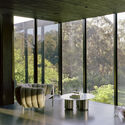
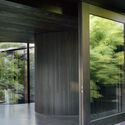
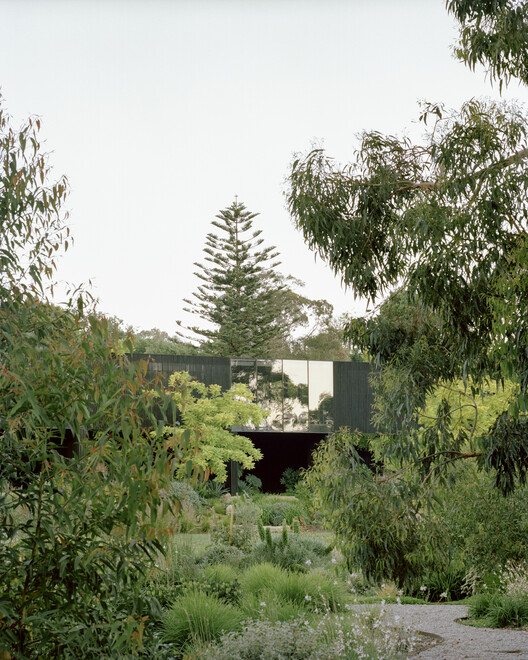
-
Architects: Edition Office
- Year: 2026
-
Professionals: Comb Construction, Eckersley Garden Architecture
https://www.archdaily.com/1040401/house-in-a-garden-edition-officePilar Caballero
Northcote House / LLDS

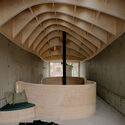

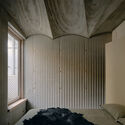
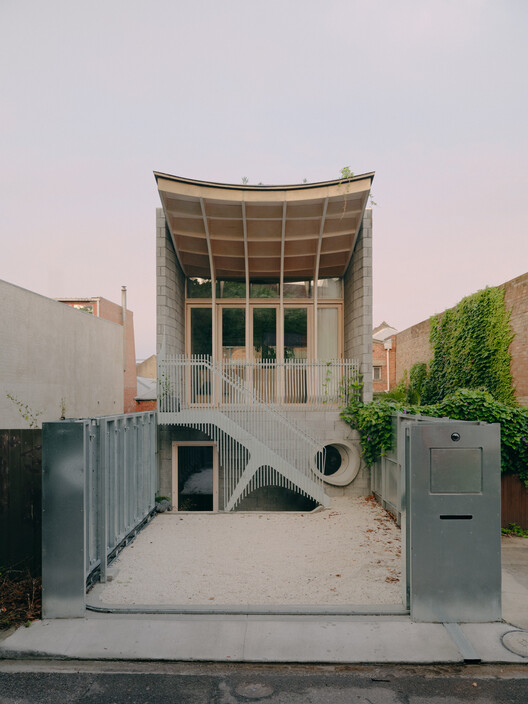
-
Architects: LLDS
- Year: 2023
-
Manufacturers: Duravit, Fisher & Paykel, Light Co., Thermogroup, ABI Interiors, +24
https://www.archdaily.com/1039933/northcote-house-lldsPilar Caballero
LPS Residence / Davidov Architects
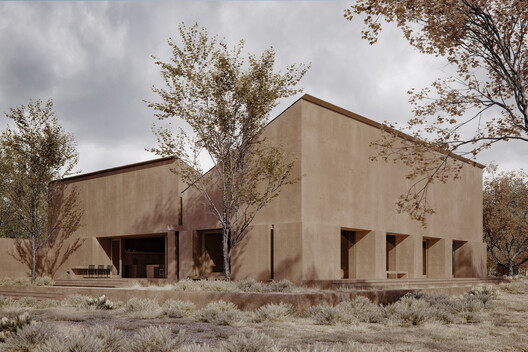
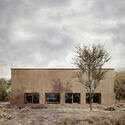
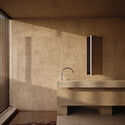
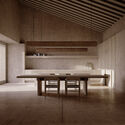

-
Architects: Davidov Architects
- Area: 450 m²
- Year: 2022
https://www.archdaily.com/1039888/lps-residence-davidov-architectsPilar Caballero
Barkly House / Ha Architecture

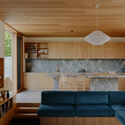
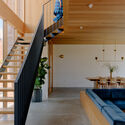
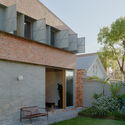
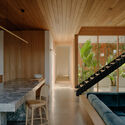
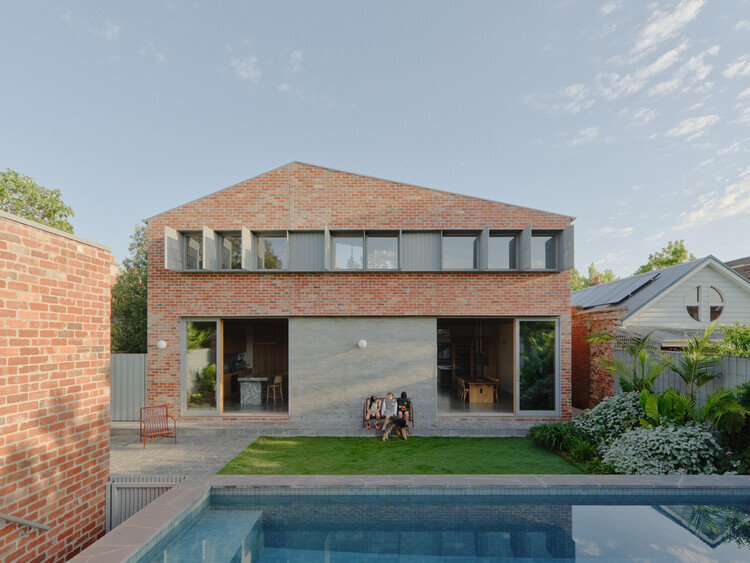
-
Architects: Ha Architecture
- Year: 2023
-
Professionals: Frameworks, Pop Plant
https://www.archdaily.com/1039503/barkly-house-ha-architecturePilar Caballero
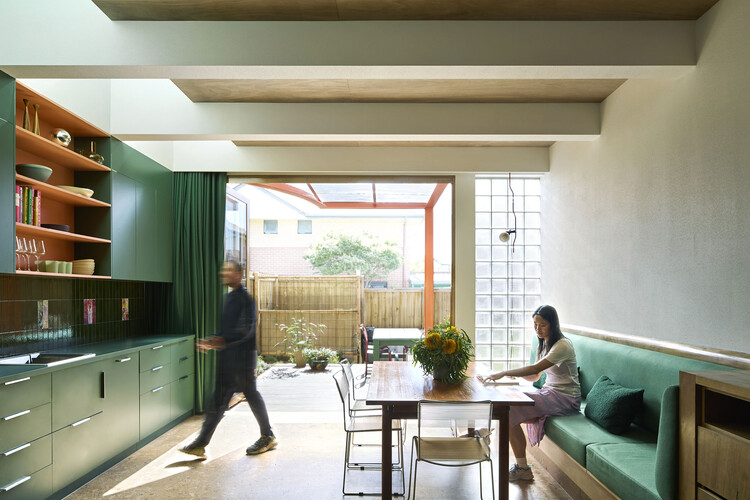
A House To Gather / Sibling Architecture

-
Architects: Sibling Architecture
- Year: 2025
-
Manufacturers: Big River Amourply, Cork, Dulux, Kayo Brick, Laminex, +1
https://www.archdaily.com/1037796/a-house-to-gather-sibling-architecturePilar Caballero
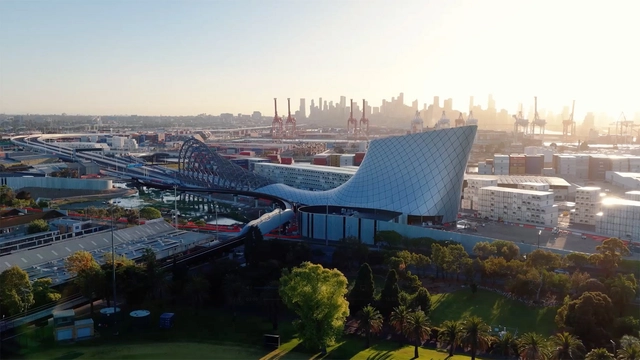
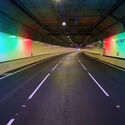
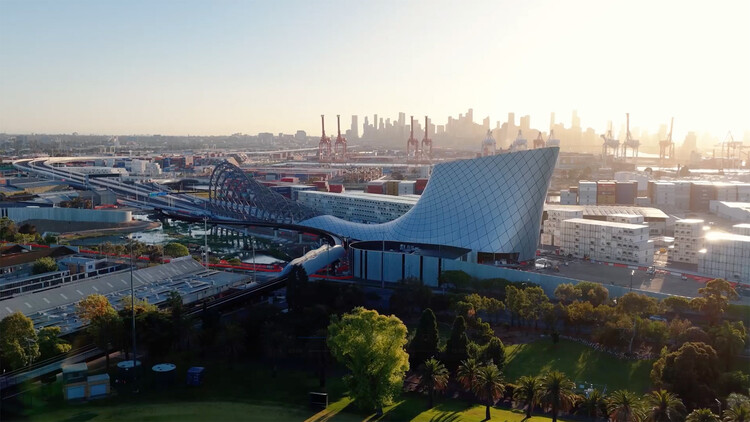
West Gate Tunnel / Wood Marsh


-
Architects: Wood Marsh
- Year: 2025
https://www.archdaily.com/1037360/west-gate-tunnel-wood-marsh-architectureMiwa Negoro
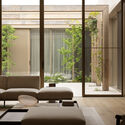
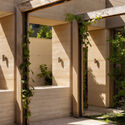
St Kilda Residence / ADDARC




-
Architects: ADDARC
- Area: 395 m²
- Year: 2024
-
Professionals: LBA Constructinon, Olnee Constructions
https://www.archdaily.com/1036426/enbargo-st-kilda-residence-addarcPilar Caballero
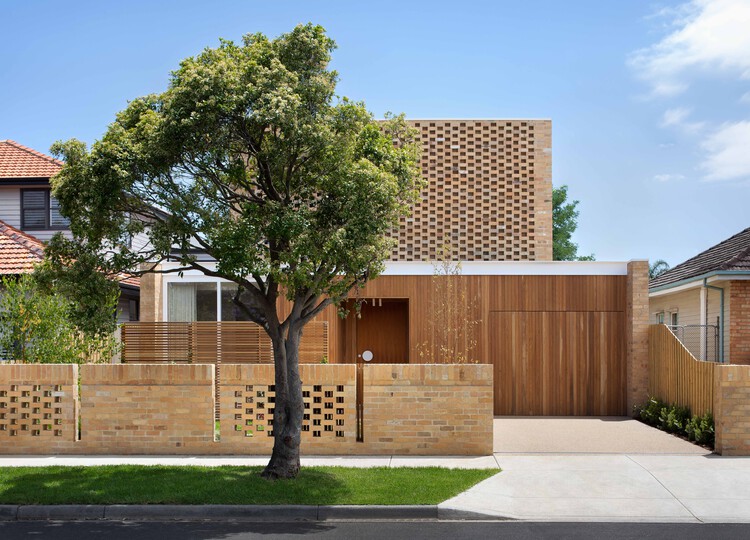
Haka House / Taouk Architects

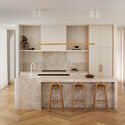
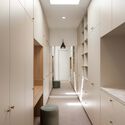
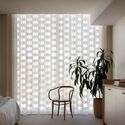
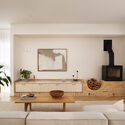
https://www.archdaily.com/1036422/haka-house-taouk-architectsPilar Caballero
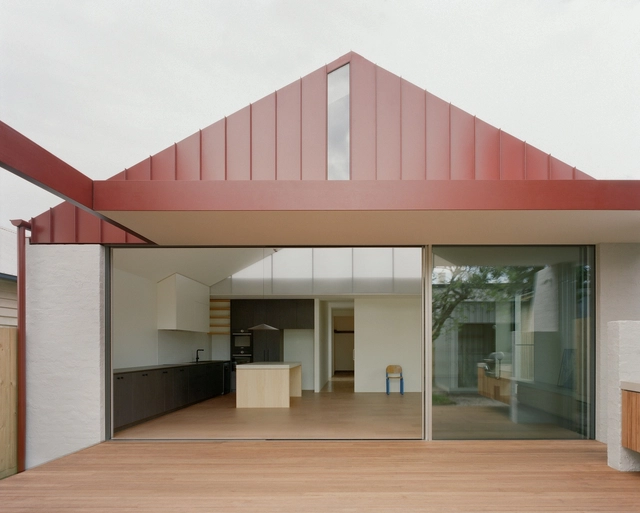
Thornbury House / Healy Ryan Architects
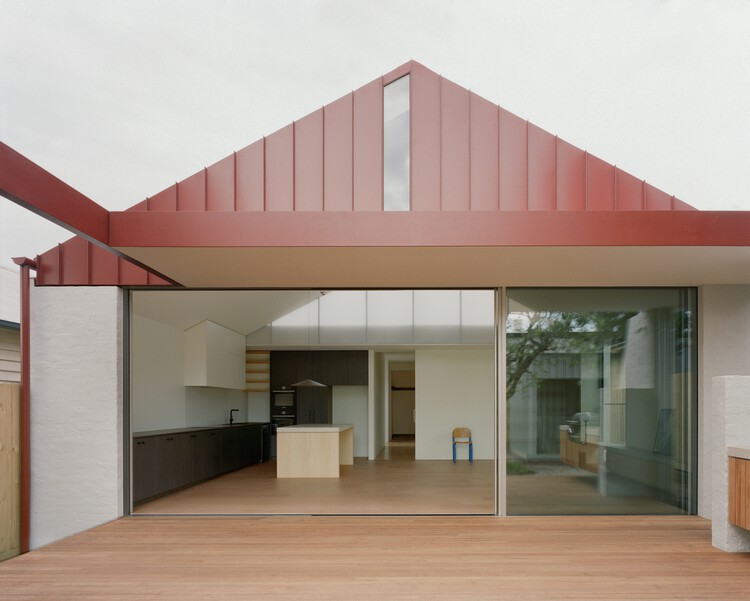
-
Architects: Healy Ryan Architects
- Area: 165 m²
- Year: 2024
https://www.archdaily.com/1033850/thornbury-house-healy-ryan-architectsPilar Caballero
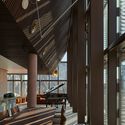
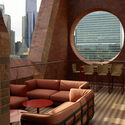
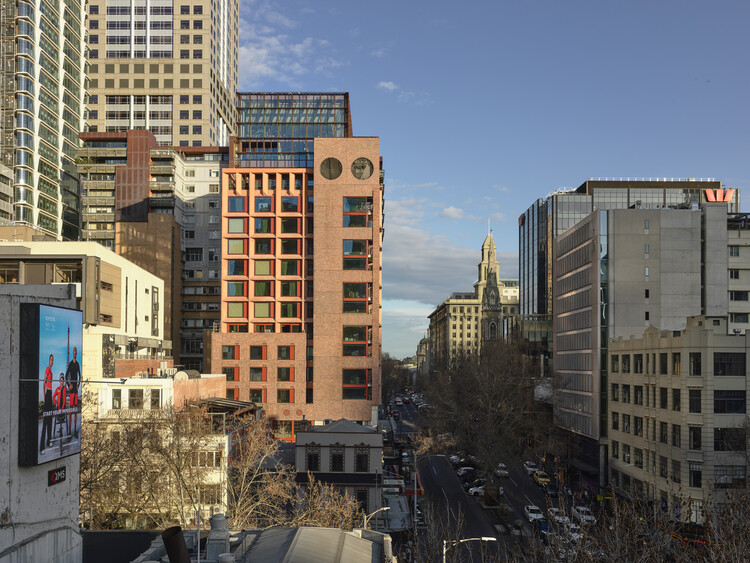
Melbourne Place Hotel / Kennedy Nolan Architects
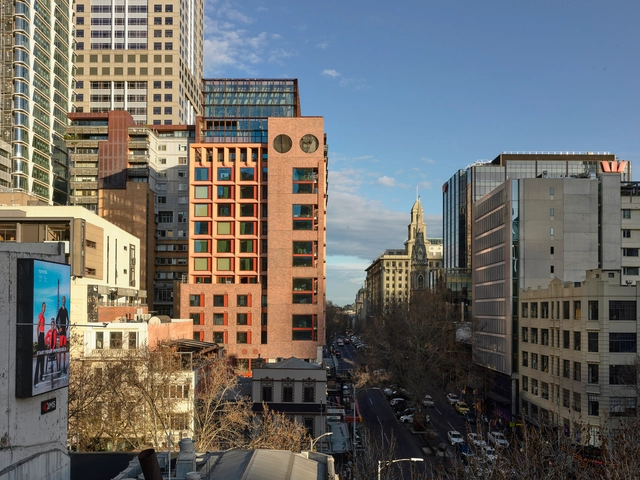


-
Architects: Kennedy Nolan Architects
- Area: 11272 m²
- Year: 2024
https://www.archdaily.com/1033798/melbourne-place-hotel-kennedy-nolan-architectsPilar Caballero
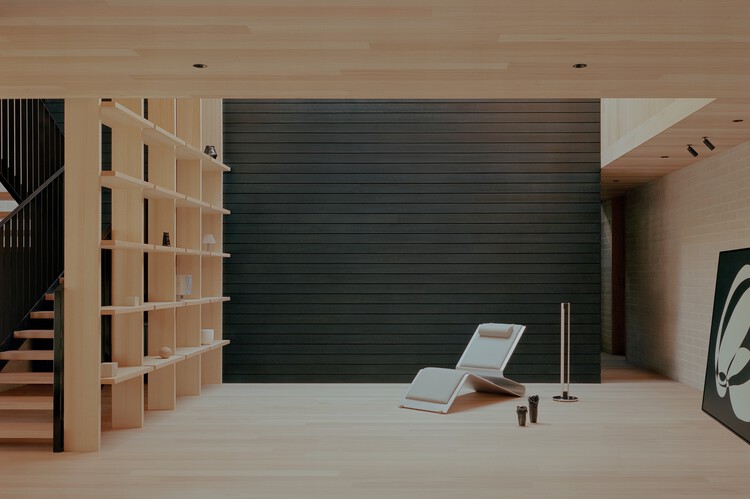
World’s Most Liveable Cities in 2025: Discover the Cities With the Top Quality of Life
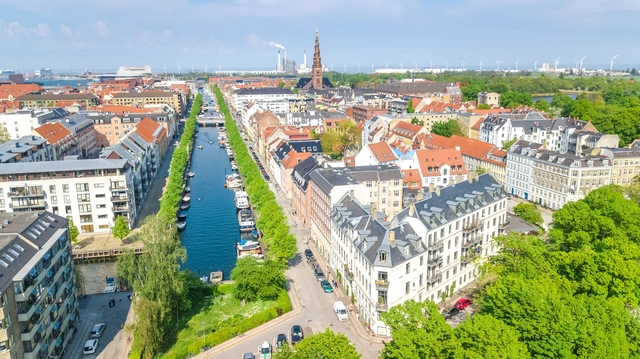
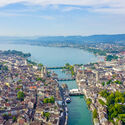
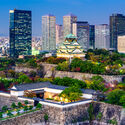
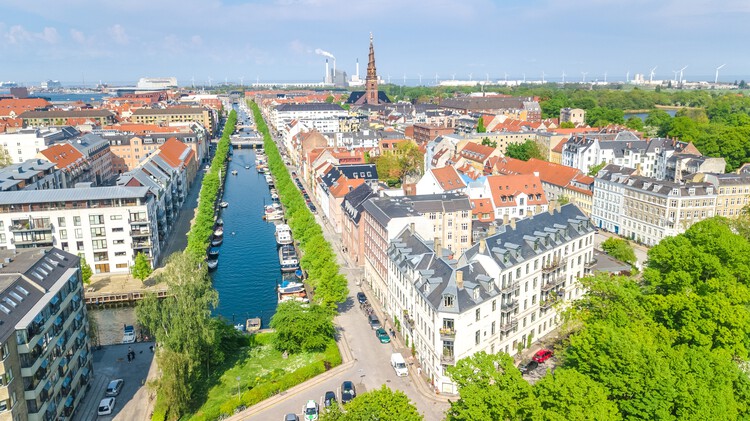
The Economist Intelligence Unit (EIU) has released its Global Liveability Index for 2025, assessing 173 cities worldwide across five categories: stability, healthcare, culture and environment, education, and infrastructure. This year, Copenhagen has taken the top position, ending Vienna's three-year run as the world's most liveable city. The Danish capital earned high scores in stability, education, and infrastructure, narrowly surpassing Vienna, which saw a decline in its stability rating following recent security incidents. The average global liveability score for 2025 remains steady at 76.1 out of 100, unchanged from 2024. While year-on-year improvements were recorded in healthcare, education, and infrastructure, these were offset by a continued decline in stability, driven by rising geopolitical tensions, civil unrest, and increased security threats in several regions.
https://www.archdaily.com/1031399/worlds-most-liveable-cities-in-2025-discover-the-cities-with-the-top-quality-of-lifeReyyan Dogan
Melbourne Architecture City Guide: 31 Diverse Projects Shaping One of the World’s Most Liveable Cities
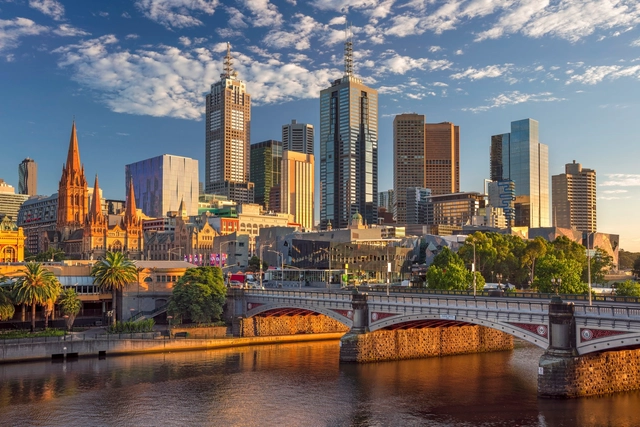
For the third year in a row, Melbourne has been selected as one of the top five most liveable cities in the world. The city is widely viewed as the leading architectural hub in Australia for its unique street culture and diverse design expression, with its layers and bold mix of architectural styles. From the very well-restored Victorian era edifices with their intricate ornamentation and detailing to the adjoining Contemporary landmarks, the city seems to achieve a nice balance of all typologies and design movements, while still being very inviting and engaging to its citizens.


https://www.archdaily.com/1031112/melbourne-architecture-city-guide-31-diverse-projects-shaping-one-of-the-worlds-most-liveable-cityHana Abdel
Conservation Campaign by Melbourne Citizens Successfully Extends Tadao Ando’s MPavilion until 2030
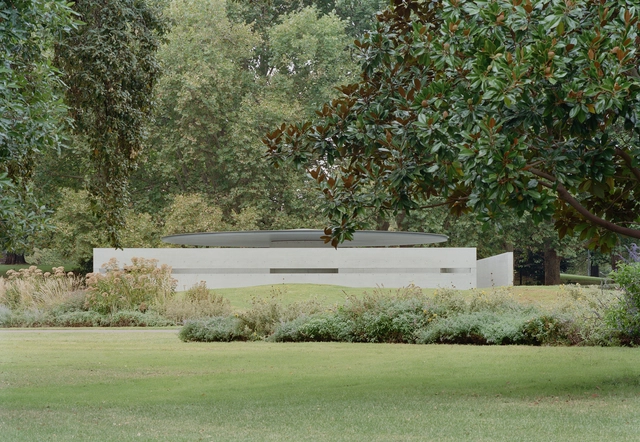
Every year, the Naomi Milgrom Foundation commissions an architect to design a temporary pavilion for the Queen Victoria Gardens, in the center of Melbourne's Southbank Arts Precinct. The pavilions are then transferred to the state of Victoria. The tenth edition of the MPavilion was designed by Pritzker Prize Laureate Tadao Ando as his first and only built work in Australia and the southern hemisphere. The pavilion opened on November 16, 2023, and its presence was extended until March 2025, hosting a wide-ranging program of cultural events over two summer seasons. After facing demolition, given the temporary nature of the initiative, a community-led program, "Preserve the Pavilion", was launched in hopes of preserving the building. The Naomi Milgrom Foundation has recently announced that the pavilion will remain in Queen Victoria Gardens until 2030, following a decision by the City of Melbourne.

https://www.archdaily.com/1030922/melbourne-citizens-launch-conservation-campaign-to-protect-tadao-andos-mpavilionAntonia Piñeiro