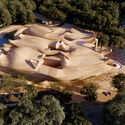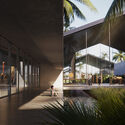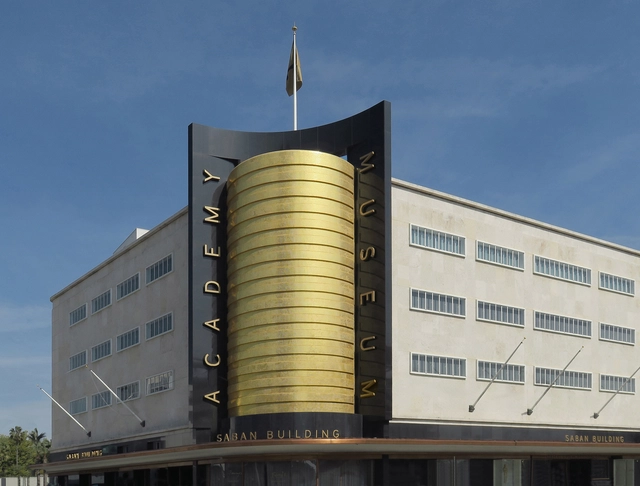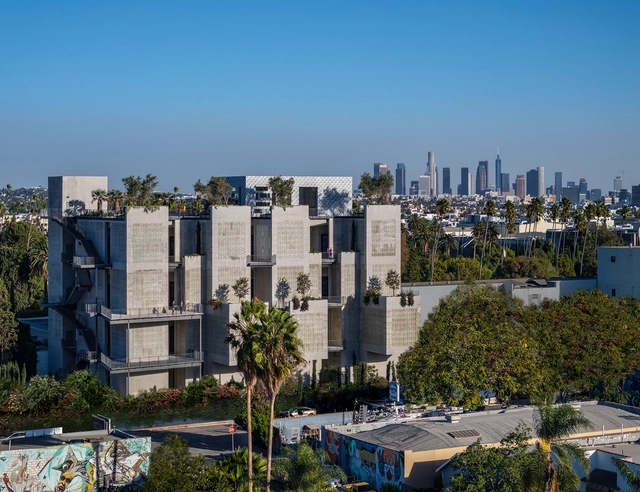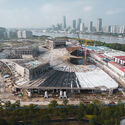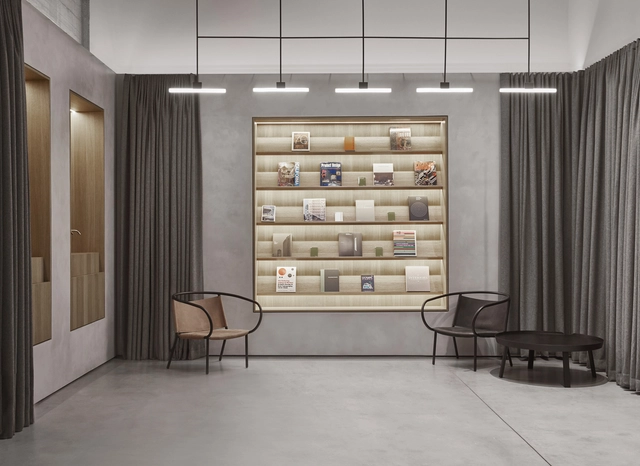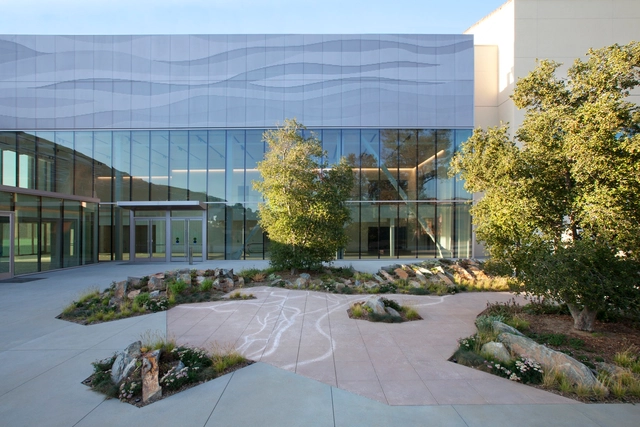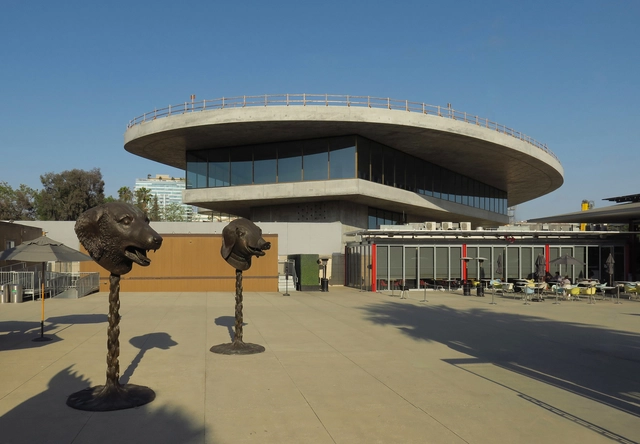
Architects Lehrer Architects LA and Arquitectura y Diseño have just unveiled the first phase of the Gower Mausoleum at Hollywood Forever Cemetery in Los Angeles,United States. This innovative vertical structure, rising 100 feet, is set to provide eternal resting spaces for over 50,000 individuals, while also serving as a cultural and spiritual landmark in the heart of Hollywood.
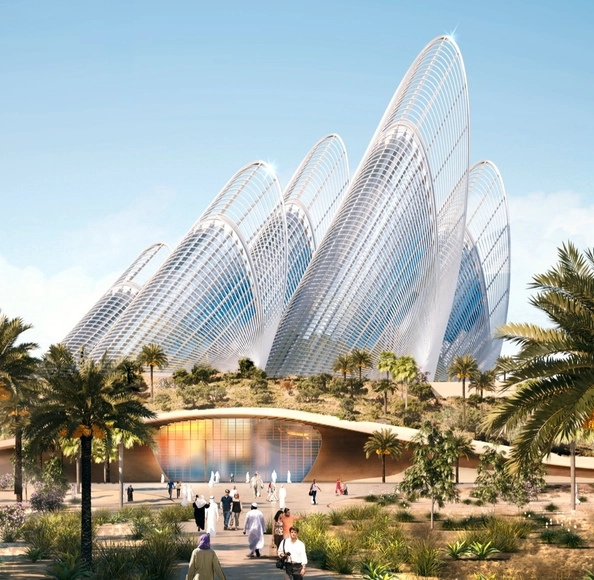
Sheikh Zayed National Museum / Foster + Partners. Image Courtesy of Foster + Partners
As 2024 comes to an end, the architectural world looks ahead to 2025, a year set to unveil transformative projects across the globe. From cultural landmarks in Asia, such as Sou Fujimoto's "Grand Ring" for Expo 2025 Osaka and MAD Architects' Hainan Science Museum in China, to dynamic urban developments like OMA's Harajuku Quest in Tokyo and David Chipperfield's Elbtower in Hamburg, these projects reflect a commitment to innovation, sustainability, and preserving cultural heritage.
In North America, Studio Gang's Shirley Chisholm Recreation Center in Brooklyn and the Lucas Museum of Narrative Art in Los Angeles highlight architecture's role in fostering community connections. Meanwhile, Europe anticipates Shigeru Ban's hybrid residential tower in Antwerp and Kengo Kuma's Visitor Center at Albania's Butrint National Park, showcasing the intersection of contemporary design and local context. As these projects take shape, they offer a glimpse into architecture's power to redefine spaces and inspire communities.
As the Paris 2024 Olympics draw to a close, the city has showcased a new model for hosting the iconic Games by integrating its landmarks and urban spaces into the event. As the spotlight now shifts to Los Angeles, the 2028 Summer Olympics present a different approach from a built environment and urban planning perspective. During the 2024 Olympics, Paris used its rich cultural heritage as a backdrop for competition, reimagining sports within the city's built environment. This approach not only highlighted the city's history and architecture but also minimized the need for new construction, focusing instead on temporary and innovative uses of existing spaces.
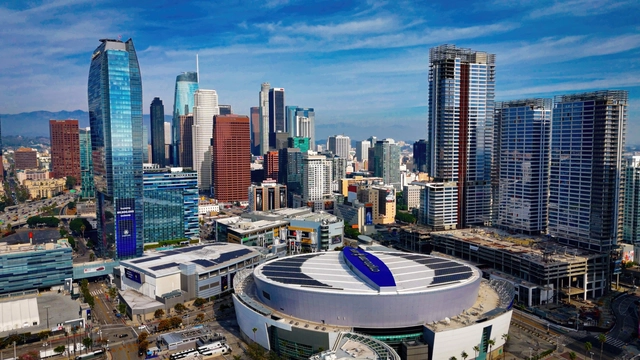
Officially the Games of the XXXIV Olympiad, LA28 is scheduled to take place from July 14–30, 2028. Los Angeles, a city with a deep Olympic history, will host the Games for the third time, following its previous times in 1932 and 1984. In contrast to the typical Olympic model, which often involves extensive new construction, Los Angeles is planning to leverage its existing infrastructure and venues spread across Greater Los Angeles, with most venues grouped in sports parks across Downtown Los Angeles, San Francisco Valley, Carson, Long Beach, and Oklahoma. No new permanent venue shave been announced to be built specifically for the Games. This strategy is designed to minimize environmental impact and financial costs, aligning with broader goals of sustainability and responsible urban development.
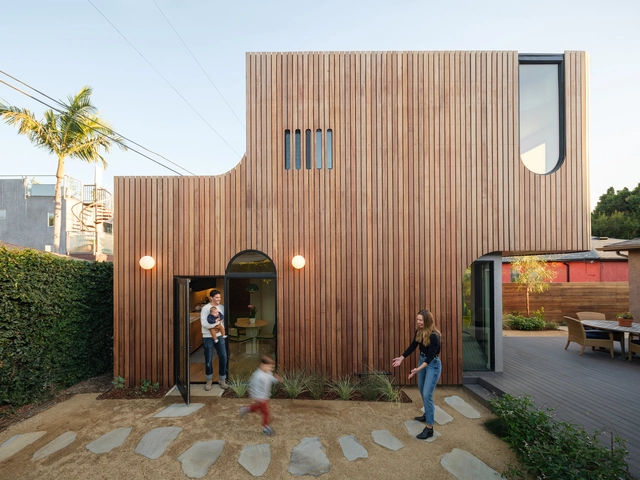
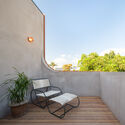
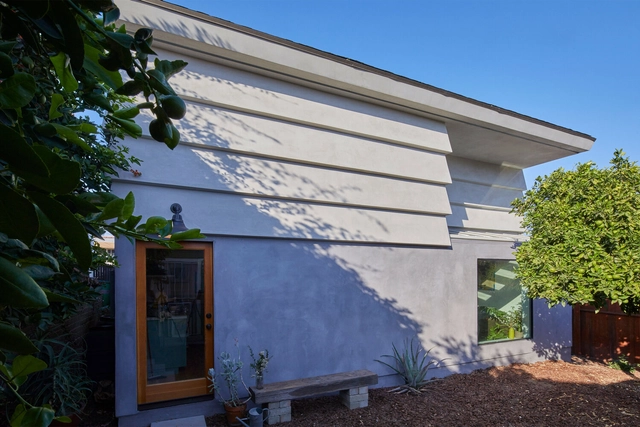
Cities in the US are embracing Accessory Dwelling Units (ADUs) to address the nationwide housing crisis. Often built on existing single-family home lots, ADUs offer an affordable option for increasing housing availability in established neighborhoods. However, like any new housing development, effective regulations are critical for widespread adoption. Los Angeles has emerged as a testing ground in using ADUs to address its housing shortage, providing valuable insights for other cities. The city's experience underlines the challenges of establishing regulations, while also promoting the benefits of ADUs as an affordable housing solution.
Paul Clemence has released a new series of images showcasing the ongoing construction works in The Los Angeles County Museum of Art (LACMA). Undergoing massive transformations, including a new building by Swiss architect Peter Zumthor, the LACMA is the largest art museum in the western United States. Approved in 2019, Zumthor’s design, known as the David Geffen Galleries, aims to modernize the museum’s campus.