

-
Architects: Rogers Stirk Harbour + Partners
- Area: 15500 m²
- Year: 2019
-
Manufacturers: KEIM
-
Professionals: Mace, LSE Capital Development, Meridian Consult Ltd
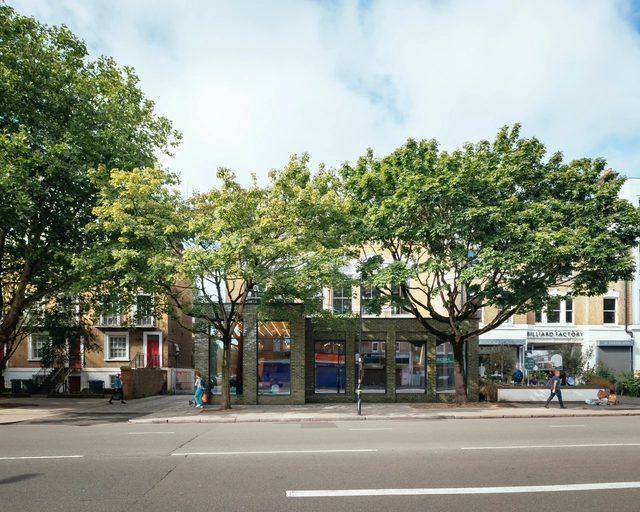
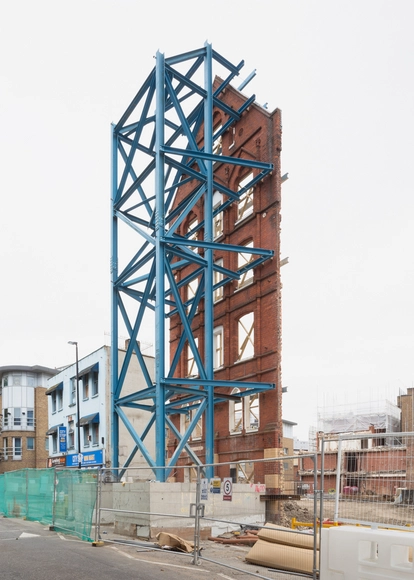
In honor of World Photography Day (August 19 ), Chilean architect Francisco Ibáñez Hantke offers a a perspective of urban transformation and the resulting instability caused by the regenerative processes and the constant real estate speculation that drive it. The photographs center on London, and reveal an exhausting array of construction and demolition and highlight the often blurry line between architecture and urban decay.
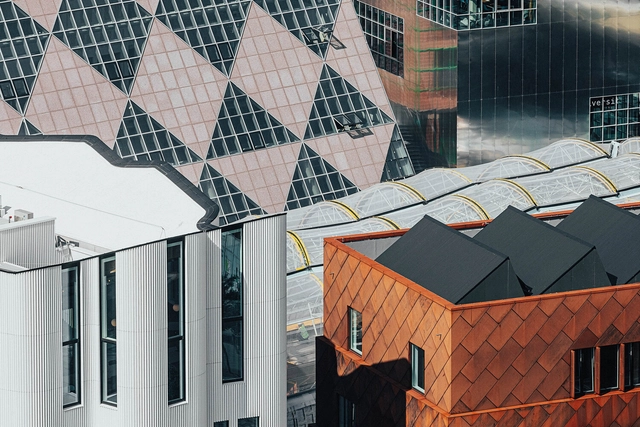
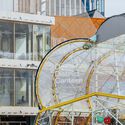
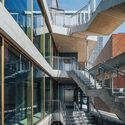
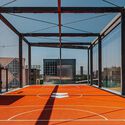
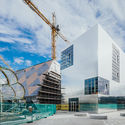
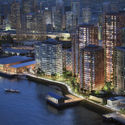
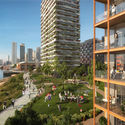
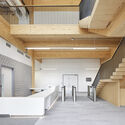
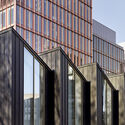
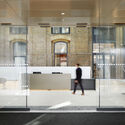
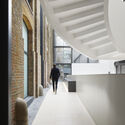
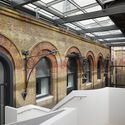
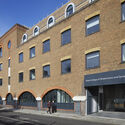
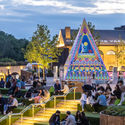
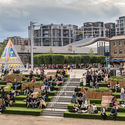
London’s Design District, the new purpose-built creative hub at the heart of the Greenwich Peninsula, opened its doors to the public and is set on becoming a prominent destination for the city’s creative community. Comprising 16 buildings designed by a collective of eight renowned architectural studios and with landscaping by Schulze+Grassov, the project aims to gather startups, artists and entrepreneurs across many industries, generating a vibrant new neighbourhood.
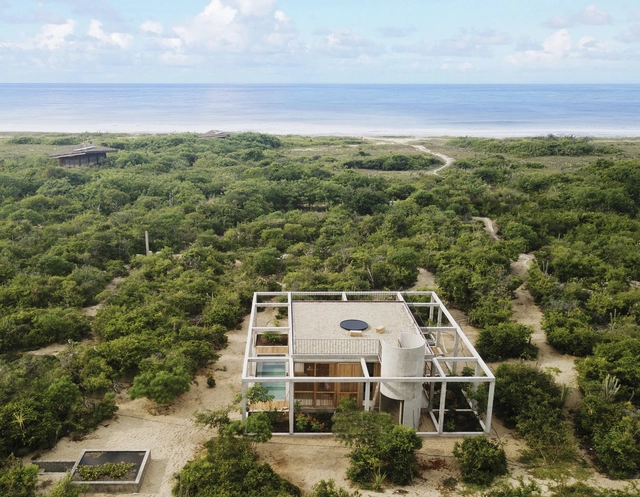
Time magazine has released the World’s Greatest Places Of 2021, selecting 100 destinations from around the globe. With revitalized riverfronts, affordable artistic incubators, and superlative city-states, the list is a tribute to the built and natural environment that found a way “to adapt, build and innovate”, amidst the challenges of the past year.
Encompassing the world’s longest pedestrian suspension bridge, London’s Design District, new repurposed spaces in Helsinki, Historic gems in South Korea, and Hanoi’s renewed life in the old quarter, the World’s Greatest Places Of 2021 has a considerable selection of architectural destinations.
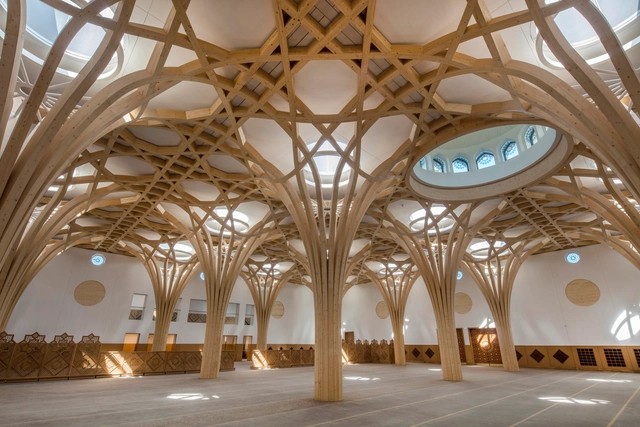
The Royal Institute of British Architects (RIBA) has revealed the six shortlisted buildings contending for this year's RIBA Stirling Prize. Celebrating its 25th year, the award is given to the United Kingdom's best new building. The selected buildings demonstrate "the innovation and ambition that lies at the heart of exceptional architecture", varying from a city mosque in Cambridge to a remote bridge in Cornwall and a vibrant gathering space in Kingston.
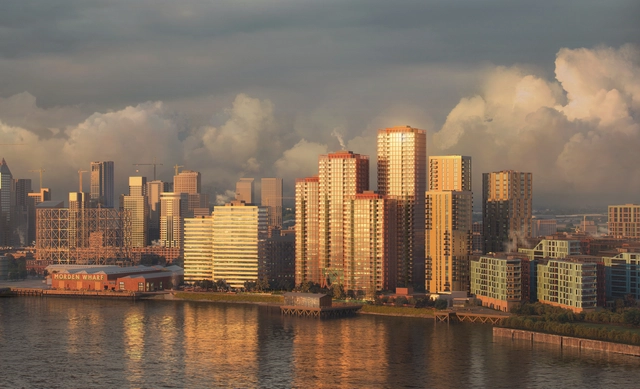
OMA’s mixed-use development for Morden Wharf has just been granted planning consent from the Royal Borough of Greenwich’s Planning Committee. The scheme created for developer U+I is located on a 2.4-hectare brownfield site, with an industrial past, on London’s Greenwich Peninsula facing the historic Greenwich and the millennial O2 Arena.

The Royal Institute of British Architects has announced the 54 winners of the 2021 RIBA National Awards, highlighting the UK's best new architecture. Ranging from single homes and housing schemes to educational facilities, cultural buildings, sports venues and medical centres, this year's projects illustrate a growing preoccupation with restoration and adaptive reuse, as well as a significant investment in education and culture. Inaugurated in 1966, the awards provide insight into UK's architectural environment and the economic trends shaping the AEC industry.


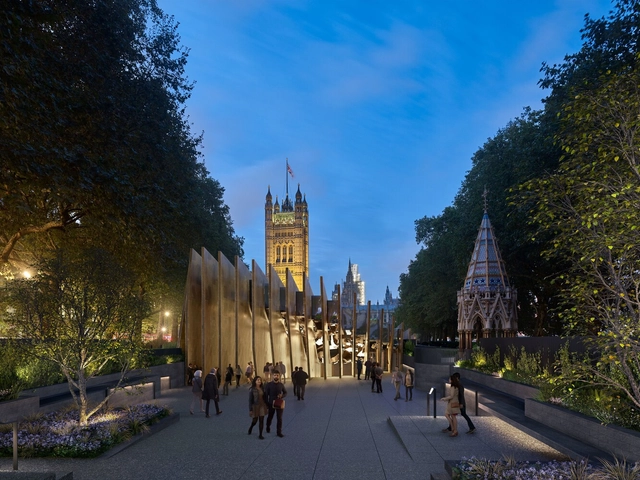
After four years since its reveal, planning permission has been granted for UK’s Holocaust Memorial and Learning Centre designed by Adjaye Associates, together with Ron Arad Architects and Gustafson Porter + Bowman. First developed in 2017, the project has been stalled by public opposition concerning the chosen site and the loss of green space. A revised design has been revealed in 2019 and was given the go-ahead last week after a public inquiry. To be built within Victoria Tower Gardens, next to the Houses of Parliament, the project features a series of bronze fins marking the entrance pavilion, paired with an underground educational centre.


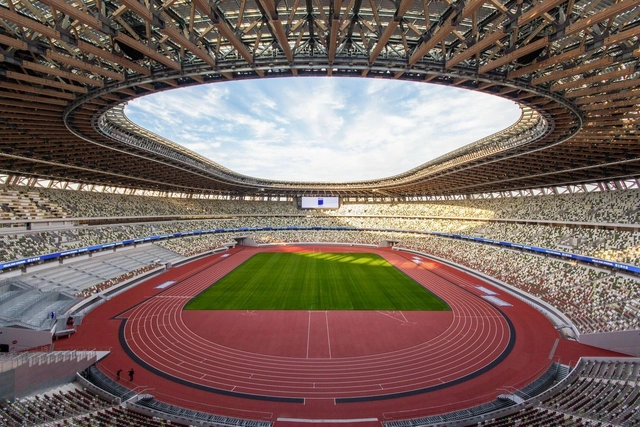
Since their inception in 1896, modern-day Olympics have been regarded by hosting cities as an opportunity to project to the world a specific image of themselves, to subsidize large infrastructure projects, or to rapidly unfold redevelopment schemes. Past the frequently discussed eye-catching stadiums, there is a complex story of Olympic urbanism, which encompasses the large scale developments catalyzed by the event. Exploring the urban and architectural legacy of the Games, the success stories, the white elephants, and the administrative agendas, the following discusses what the Olympics leave behind in the hosting cities.