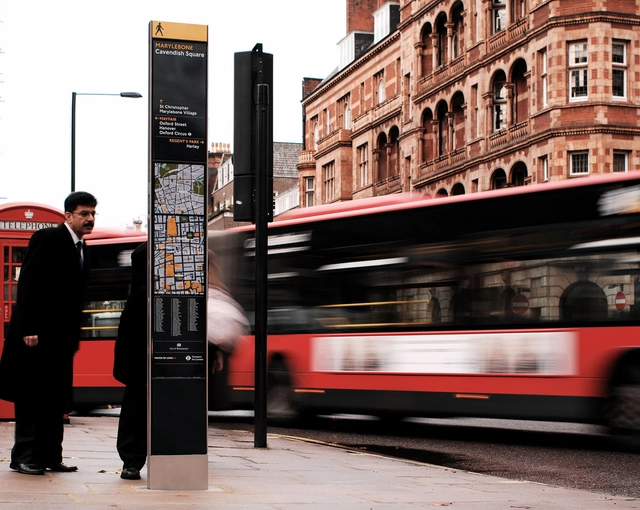
If you have ever walked around the center of London you will have seen those yellow and dark blue panels featuring maps, local attractions, and walking times dotted along the streets and near bus and tube stops. Credited with redefining city wayfinding, Legible London, as the system is called, is now seen as the benchmark for making cities accessible and legible to residents, commuters, and visitors alike. And now Seattle has launched its own version of the London system, and Madrid will do so next year. Giovanna Dunmall asks Tim Fendley, the founder and CEO of Applied, the spatial experience design practice behind all these projects, why analog is often still so superior to digital, and what makes for good wayfinding.
Buildings around the world are getting taller. Since the year 2000, global skyscraper construction has increased by 402%. Cities like Dubai are home to nearly 1000 high-rise buildings, and New York’s vibrant luxury real estate market has shown no signs of slowing down, with more high-rise additions slated to be added to its already towering skyline. There’s good in this – high-rises create much-needed space in already dense cities and can reduce urban sprawl in city centres, allowing for better preservation of natural areas.
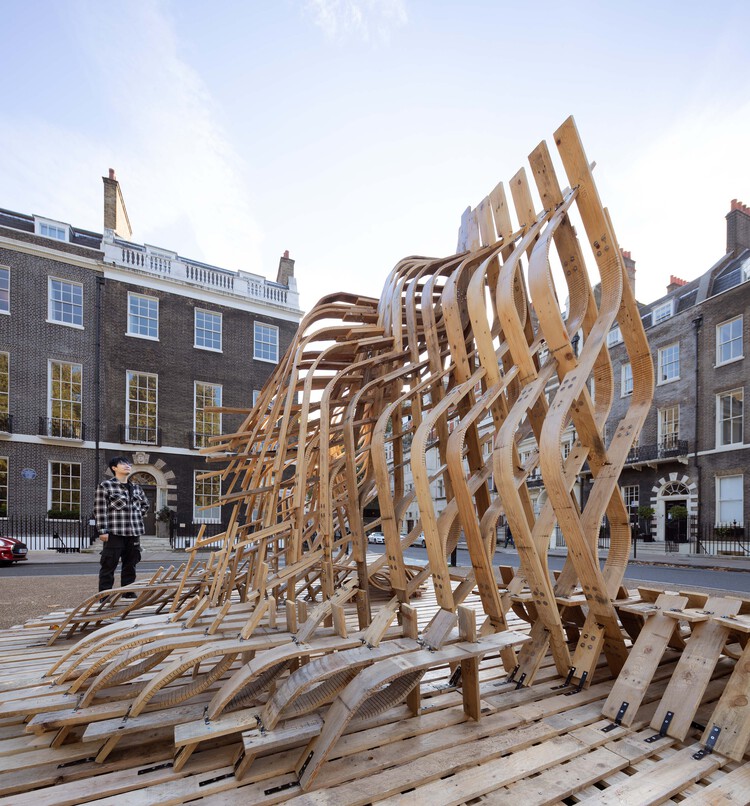
In collaboration with architecture practice Hassell, Architectural Association's Association's Emergent Technologies and Design (EmTech) programme created a reclaimed wood pavilion, exploring the convergence of computational design, new construction technologies, and material reuse. Titled Re-Emerge, the project addresses the issue of limited material resources, exploring the architectural potential of material recycling in the context of generative design.
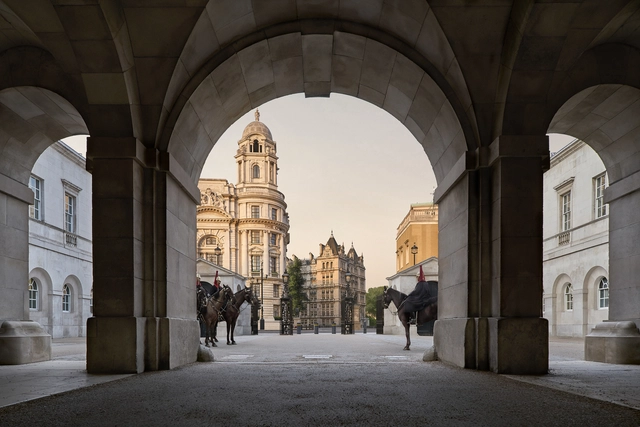
The Grade II listed Old War Office building has been reimagined in central London. As a new destination for the city and rebranded as The OWO Residences, 85 homes are available in the Old War Office, which has been closed to the public for over a century. EPR Architects are working to restore and convert the building into residences and the first Raffles hotel in London.
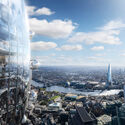
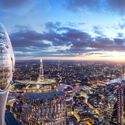
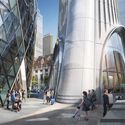
The UK government announced yesterday that planning approval will not be granted for Foster+Partners' Tulip tower. The decision letter published on behalf of the UK's housing secretary cites concerns over the design's embodied carbon and the possible negative impact on the surrounding architectural heritage. First revealed in 2018, the 305-metre tower would have become the tallest building in London's financial district.
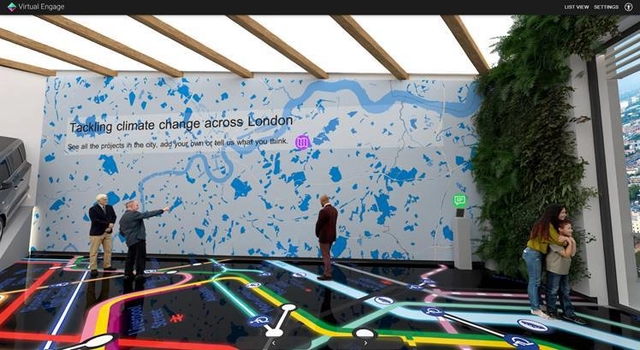
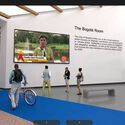
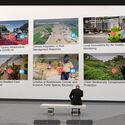
This week, the C40 global network of cities and engineering and sustainability firm Arup launched a virtual exhibition showcasing examples of climate initiatives and resiliency strategies from 11 cities committed to addressing climate change. Given that cities account for more than 70% of global carbon emissions, the Global Cities Climate Action Exhibition aims to highlight the role of cities in reaching climate targets through local policies and urban development plans, achieving tangible emission reductions and increasing social equity.
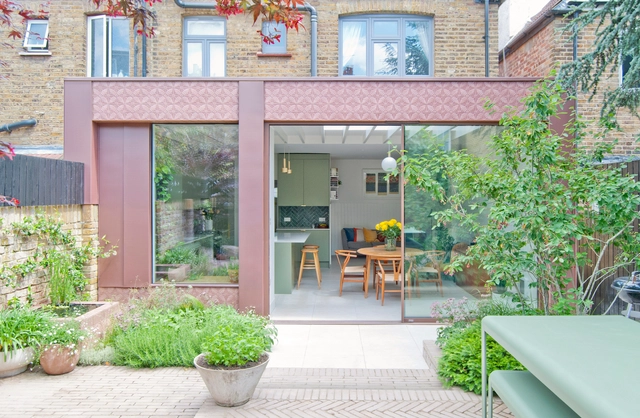
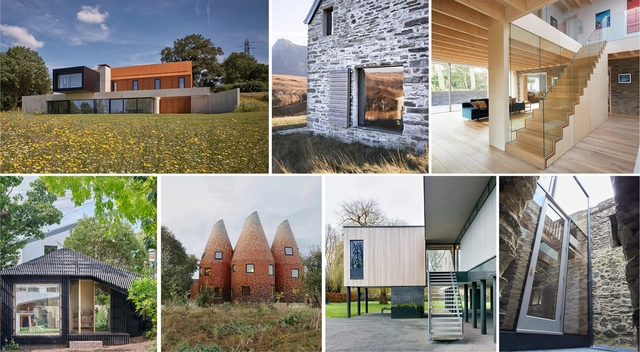
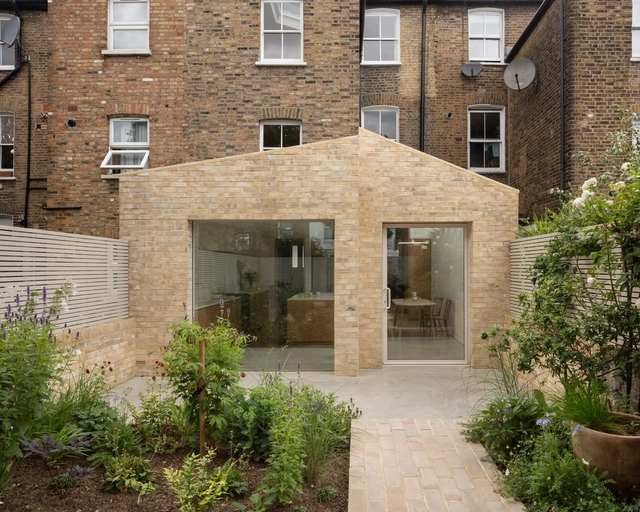
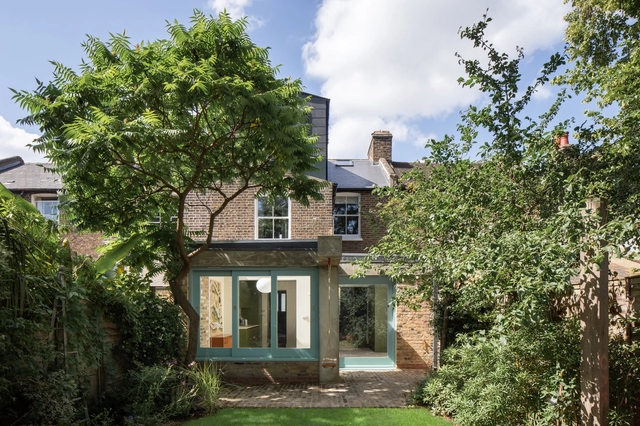
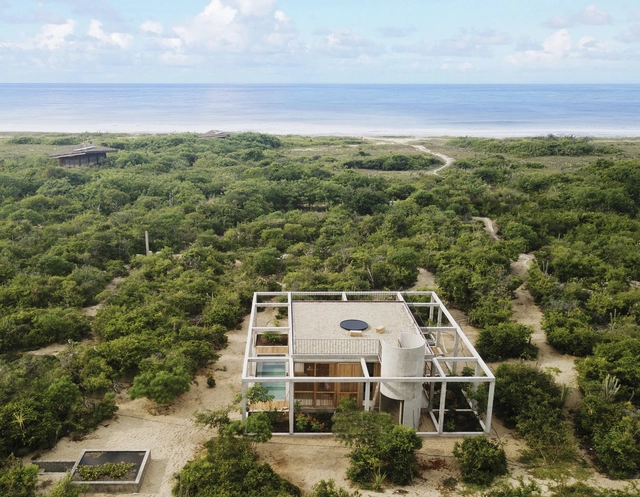
The Royal Institute of British Architects (RIBA) has announced its longlist of best new homes in the United Kingdom for the year 2021. The jury, which includes Architect and Chair Amin Taha, Co-founder of Ash Sakula Architects Cany Ash, and RIBA House of the Year 2019 winner Kieran McGonigle, have selected 20 newly-built houses or extensions that feature imaginative and innovative residential typologies that cater to the environment and their users.
Chilean architect Smiljan Radic has designed and installed a perfectly transparent dome for Alexander McQueen's Spring / Summer 2022 fashion show earlier this week in London.
In honor of World Photography Day (August 19 ), Chilean architect Francisco Ibáñez Hantke offers a a perspective of urban transformation and the resulting instability caused by the regenerative processes and the constant real estate speculation that drive it. The photographs center on London, and reveal an exhausting array of construction and demolition and highlight the often blurry line between architecture and urban decay.
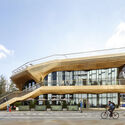
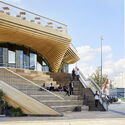
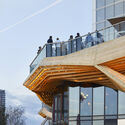
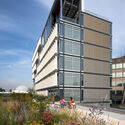
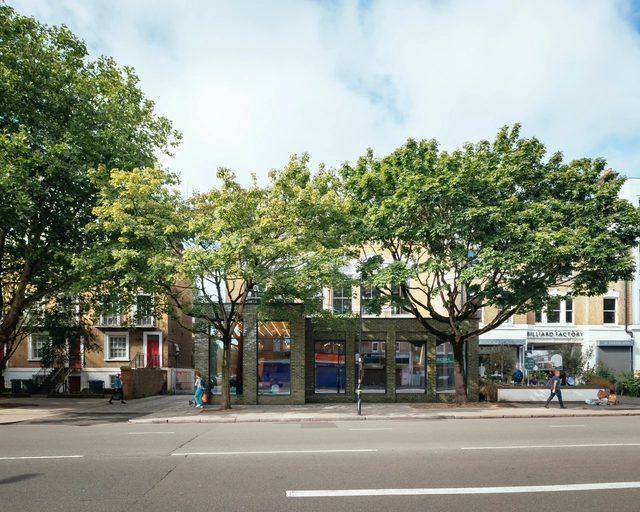
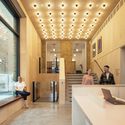
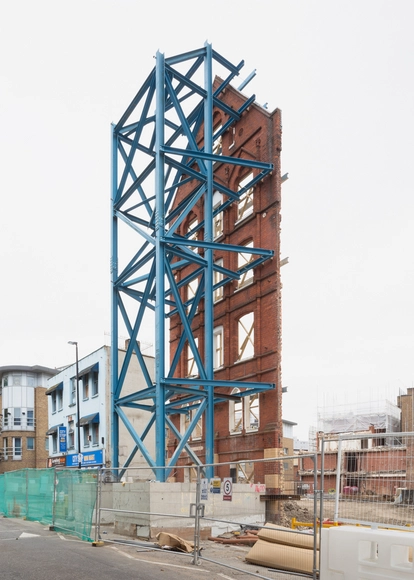
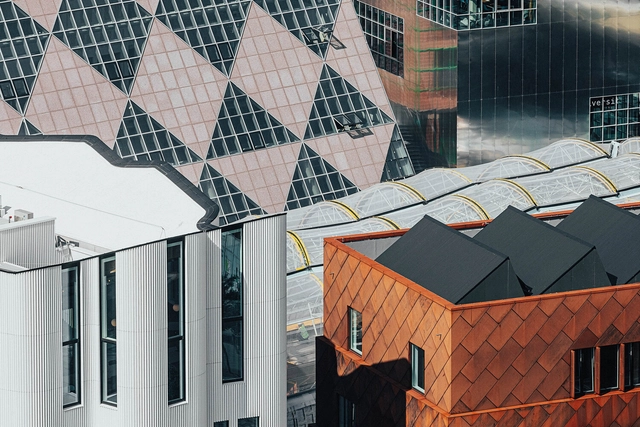
London’s Design District, the new purpose-built creative hub at the heart of the Greenwich Peninsula, opened its doors to the public and is set on becoming a prominent destination for the city’s creative community. Comprising 16 buildings designed by a collective of eight renowned architectural studios and with landscaping by Schulze+Grassov, the project aims to gather startups, artists and entrepreneurs across many industries, generating a vibrant new neighbourhood.
Time magazine has released the World’s Greatest Places Of 2021, selecting 100 destinations from around the globe. With revitalized riverfronts, affordable artistic incubators, and superlative city-states, the list is a tribute to the built and natural environment that found a way “to adapt, build and innovate”, amidst the challenges of the past year.
Encompassing the world’s longest pedestrian suspension bridge, London’s Design District, new repurposed spaces in Helsinki, Historic gems in South Korea, and Hanoi’s renewed life in the old quarter, the World’s Greatest Places Of 2021 has a considerable selection of architectural destinations.