1. ArchDaily
  2. wayfinding

wayfinding: The Latest Architecture and News

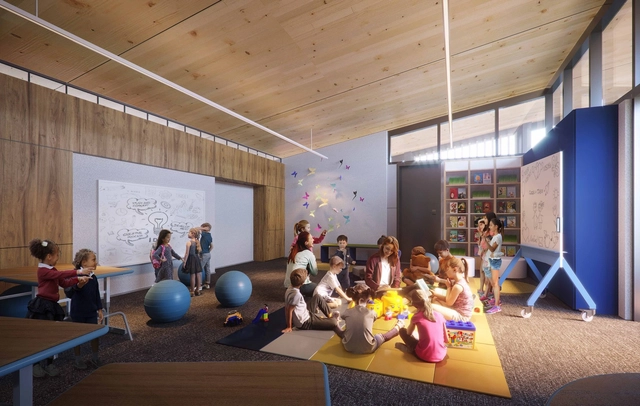
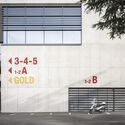
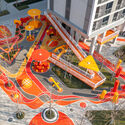
Architecture for Neurodiversity: Designing for Control, Choice, and the Senses

Publicly occupied spaces can be overwhelming. Airports, schools, stadiums, and workplaces all feature environments with visual chaos that can be disorienting and stressful for individuals, especially those who are neurodiverse. The bombardment of stimuli, unpredictable movements, and competing visual information can create barriers to occupant comfort. Architects are regularly encouraged to create spaces that recognize and honor individual differences. Designing for neurodiversity is one way of championing inclusivity and extending principles of universal design.

Architecture for Neurodiversity: Designing for Control, Choice, and the Senses - Image 1 of 4Architecture for Neurodiversity: Designing for Control, Choice, and the Senses - Image 2 of 4Architecture for Neurodiversity: Designing for Control, Choice, and the Senses - Image 3 of 4Architecture for Neurodiversity: Designing for Control, Choice, and the Senses - Image 4 of 4Architecture for Neurodiversity: Designing for Control, Choice, and the Senses - More Images+ 3

Tim Fendley Explains why Analog Wayfinding Tools Matter in a Digital World

Subscriber Access | 

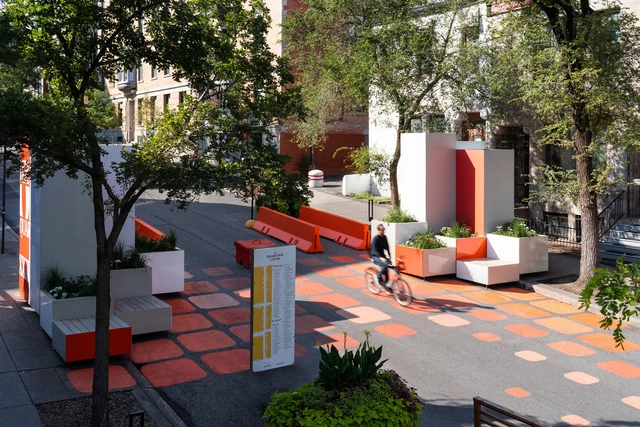
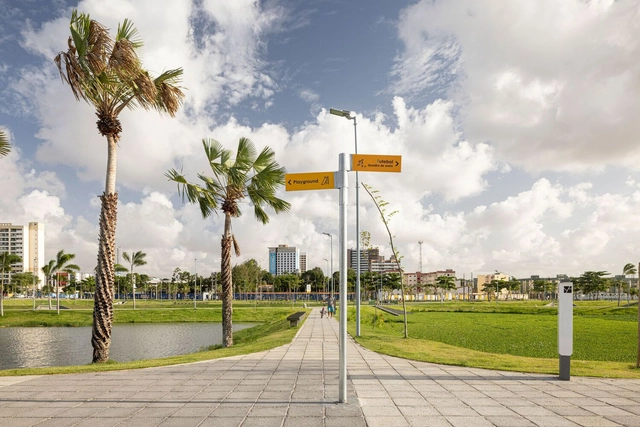
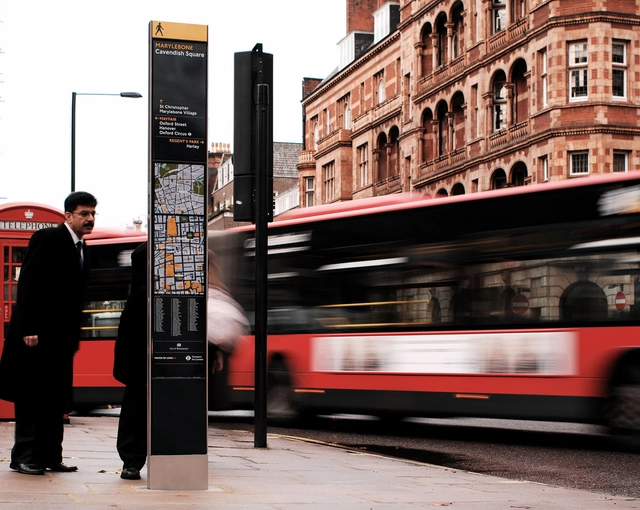
If you have ever walked around the center of London you will have seen those yellow and dark blue panels featuring maps, local attractions, and walking times dotted along the streets and near bus and tube stops. Credited with redefining city wayfinding, Legible London, as the system is called, is now seen as the benchmark for making cities accessible and legible to residents, commuters, and visitors alike. And now Seattle has launched its own version of the London system, and Madrid will do so next year. Giovanna Dunmall asks Tim Fendley, the founder and CEO of Applied, the spatial experience design practice behind all these projects, why analog is often still so superior to digital, and what makes for good wayfinding.

Installations Accent Stuttgart Region During Light Art Festival

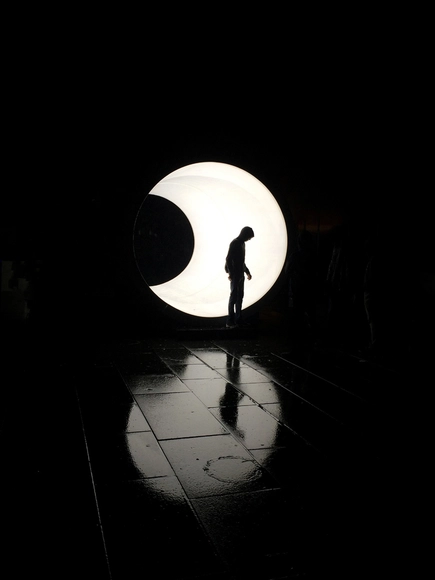
The KulturRegion Stuttgart successfully wrapped its three-week Aufstiege ("Ascents") Light Art Festival in October. Curated by Joachim Fleischer, the festival showcases work by over 40 artists from 10 countries. The 37 installations were available for viewing nightly from 8 p.m. to midnight across 25 cities near Stuttgart, and particularly popular exhibits have been extended.

Installations Accent Stuttgart Region During Light Art Festival - Image 1 of 4Installations Accent Stuttgart Region During Light Art Festival - Image 2 of 4Installations Accent Stuttgart Region During Light Art Festival - Image 3 of 4Installations Accent Stuttgart Region During Light Art Festival - Image 4 of 4Installations Accent Stuttgart Region During Light Art Festival - More Images+ 9