

-
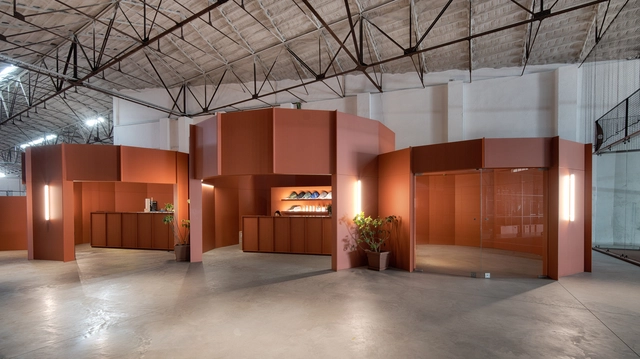
Architects: Salto Studio
- Area: 3500 m²
- Year: 2024


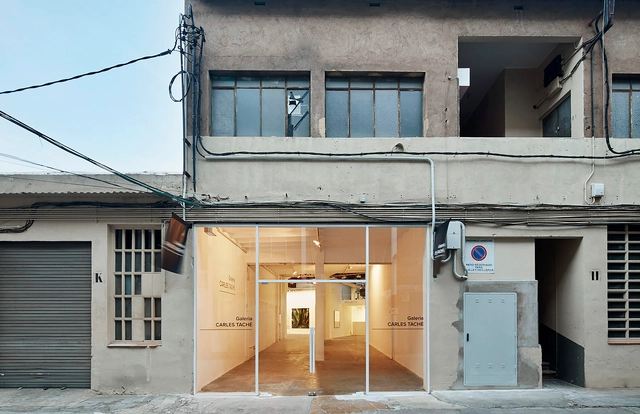
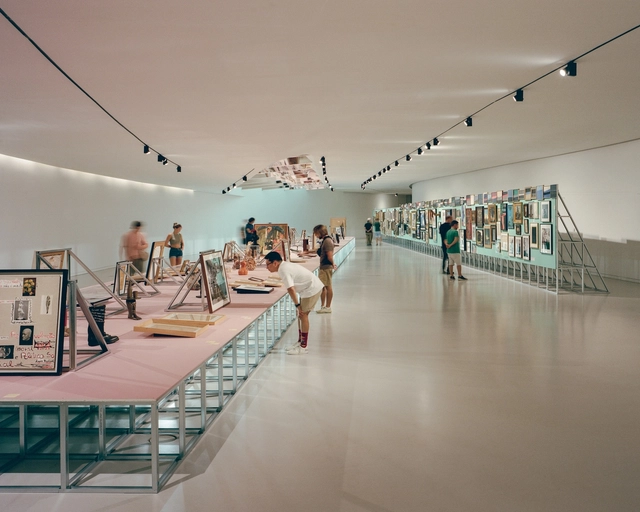
The relationship between art and humanity dates back to the origins of civilization. Museums have become spaces where vast collections of art and artifacts narrate the history of time, humankind, cities, and countless stories about cultures and societies. Over the years, the museum's role has evolved, taking on different forms and scales, including the modern-day art gallery. The importance of art and culture in contemporary cities and neighborhoods is undeniable. However, galleries serve multiple roles in integrating art and culture into daily life. Why are these spaces valuable to communities? How do they support emerging artists? How can galleries revitalize neighborhoods?
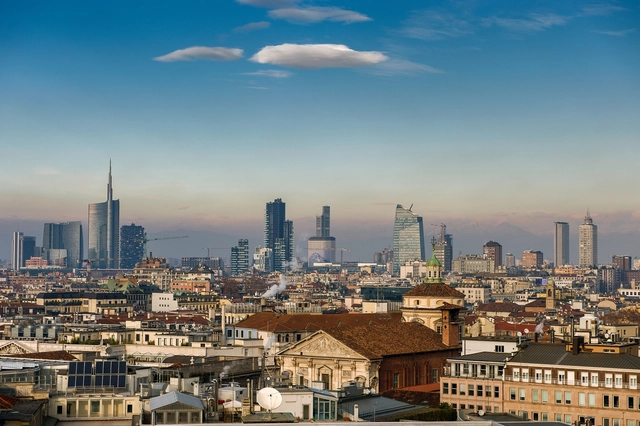
Tourism, as an urban and architectural phenomenon, has grown to encompass more than just sightseeing; it engages visitors with the social, cultural, and economic narratives that cities tell through their built environments. In celebration of World Tourism Day 2024, this collection of city guides highlights the role of architecture in shaping the urban tourism experience. Today, cities around the world stand as testaments to human ingenuity, historical preservation, and modern innovation. In fact, each city's versatile architecture offers a window into a city's identity, drawing millions of visitors each year who seek to understand how these spaces shape everyday life and collective memory.
In 2024, many cities have seized the world's collective imagination, each with its unique narrative waiting to be uncovered. Whether one finds themselves meandering through London, admiring Paris, or immersing in the cultural treasures of Sharjah, the story is always there to be unraveled. From Amsterdam's canals to Cairo's rich historical layers, Barcelona's avant-garde architecture, the liveliness of Santiago to the ancient marvels of Rome, and the diverse Istanbul to the bustling Bangkok – each city serves as a testament to the enduring spirit of human civilization.
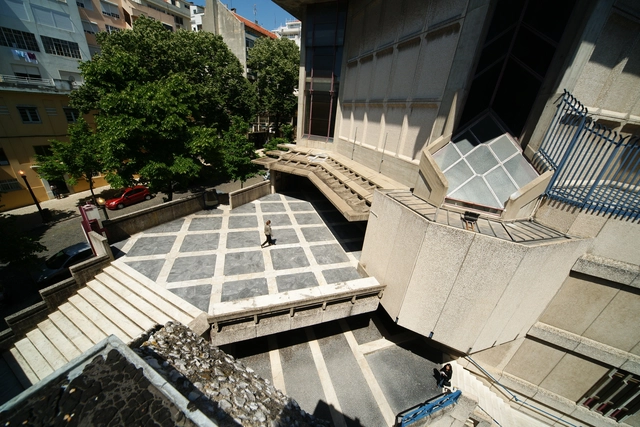
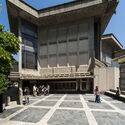
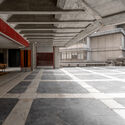
As a landmark of contemporary religious architecture in Portugal, the Church of the Sacred Heart of Jesus stands in contrast to traditional models, representing a work free from historicist stigmas. Resulting from a design competition organized in 1960, the church is notable for its civic dimension, urban role, and its anti-monumental and social significance. Integrated into the regular grid of the Avenidas Novas neighborhood, this example of the Movement for the Renewal of Sacred Art is part of a larger parish complex that often goes unnoticed by passersby. Its external street creates an unexpected public space, inviting people to enter and engage in a courtyard where architecture and the city merge. Finely crafted in terms of spatiality, detail, and light, the church holds many surprises for those who venture inside.
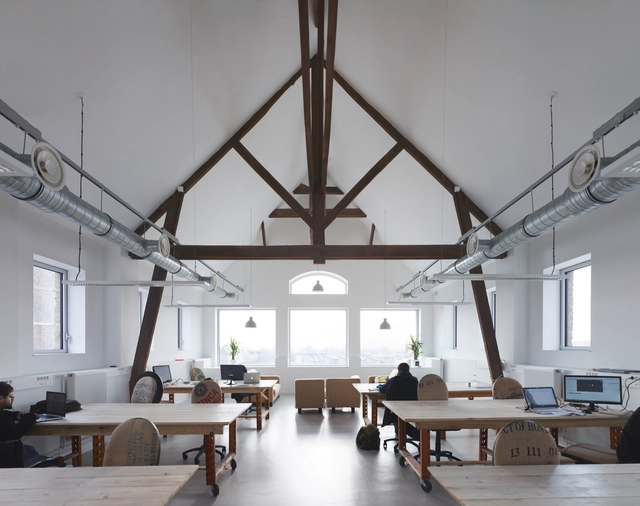
Industrial heritage, once central to urban growth and economic prosperity, is now often neglected and underused. Around the world, various factories, mills, and warehouses sit abandoned, and their distinctive structures fall into disuse. These buildings were typically constructed from materials such as brick, steel, concrete, and large glass windows. Known for their strength and longevity, these materials make the structures ideal candidates for refurbishment, maintaining structural integrity.