-
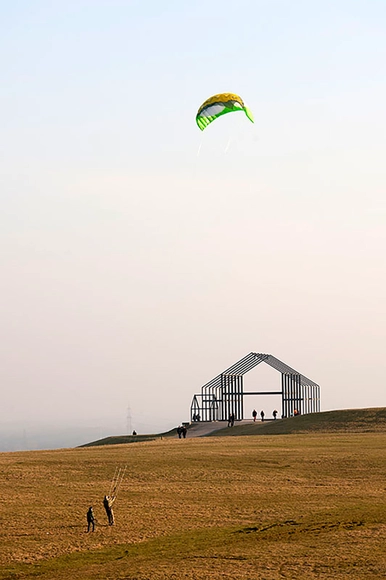
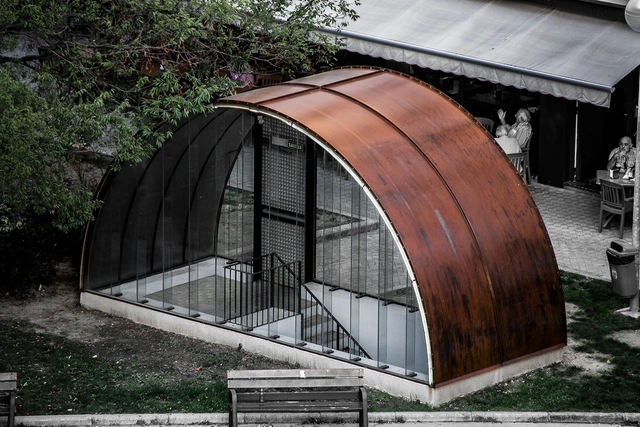
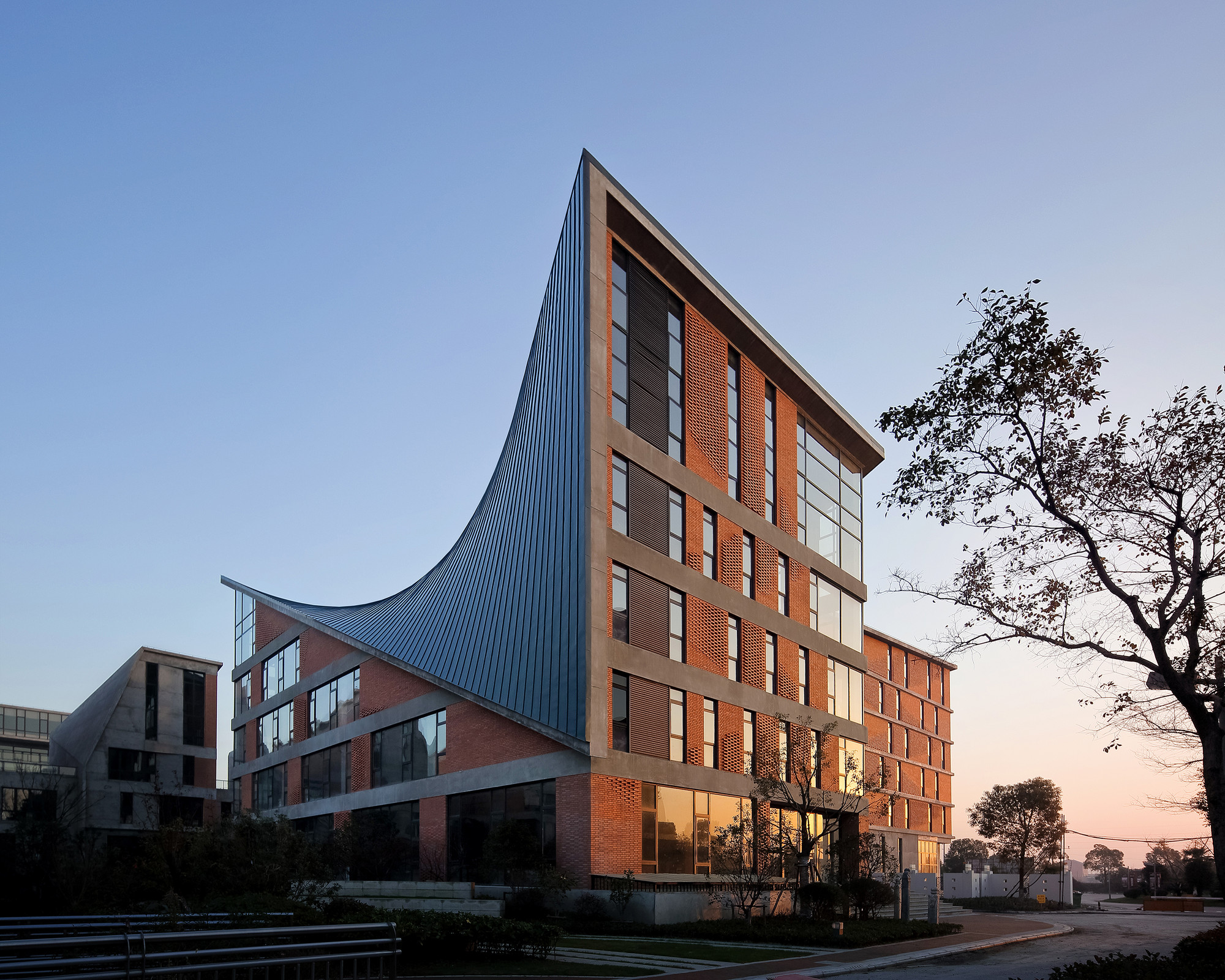
Architects: Ricardo Camacho
- Year: 2014
-
Manufacturers: Franken-Schotter, Zinco


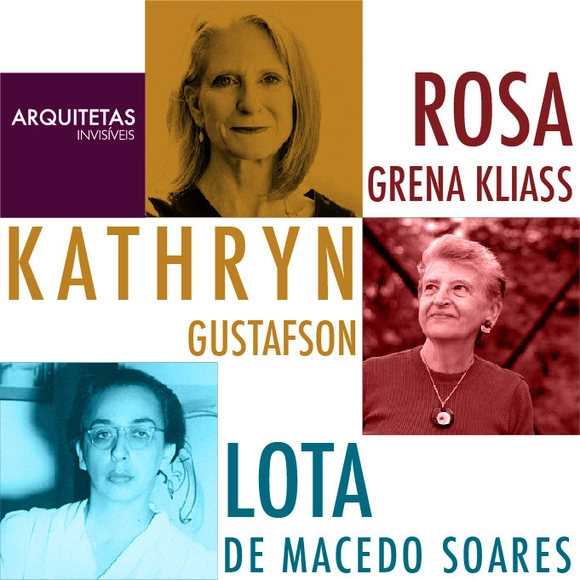
To celebrate International Women’s Day, we asked the Brazilian non-profit group Arquitetas Invisíveis to share with us a part of their work, which identifies women in architecture and urbanism. They kindly shared with us a list of 48 important women architects, divided into seven categories: pioneers, “in the shadows,” architecture, urbanism, landscape architecture, social architecture, and sustainable architecture. We will be sharing this list over the course of the week.
Yesterday we brought you The Urbanists, and today we present women leaders in landscape architecture.

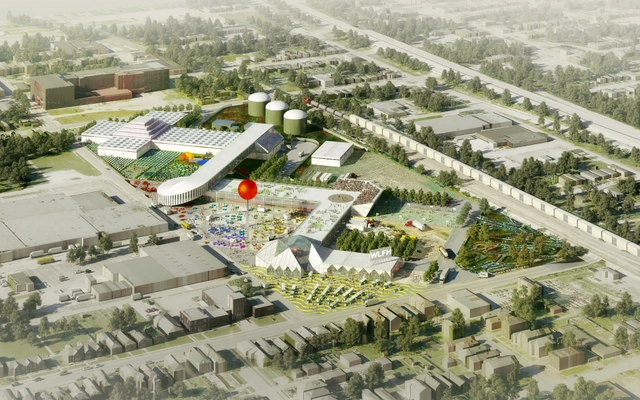
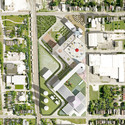
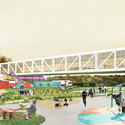
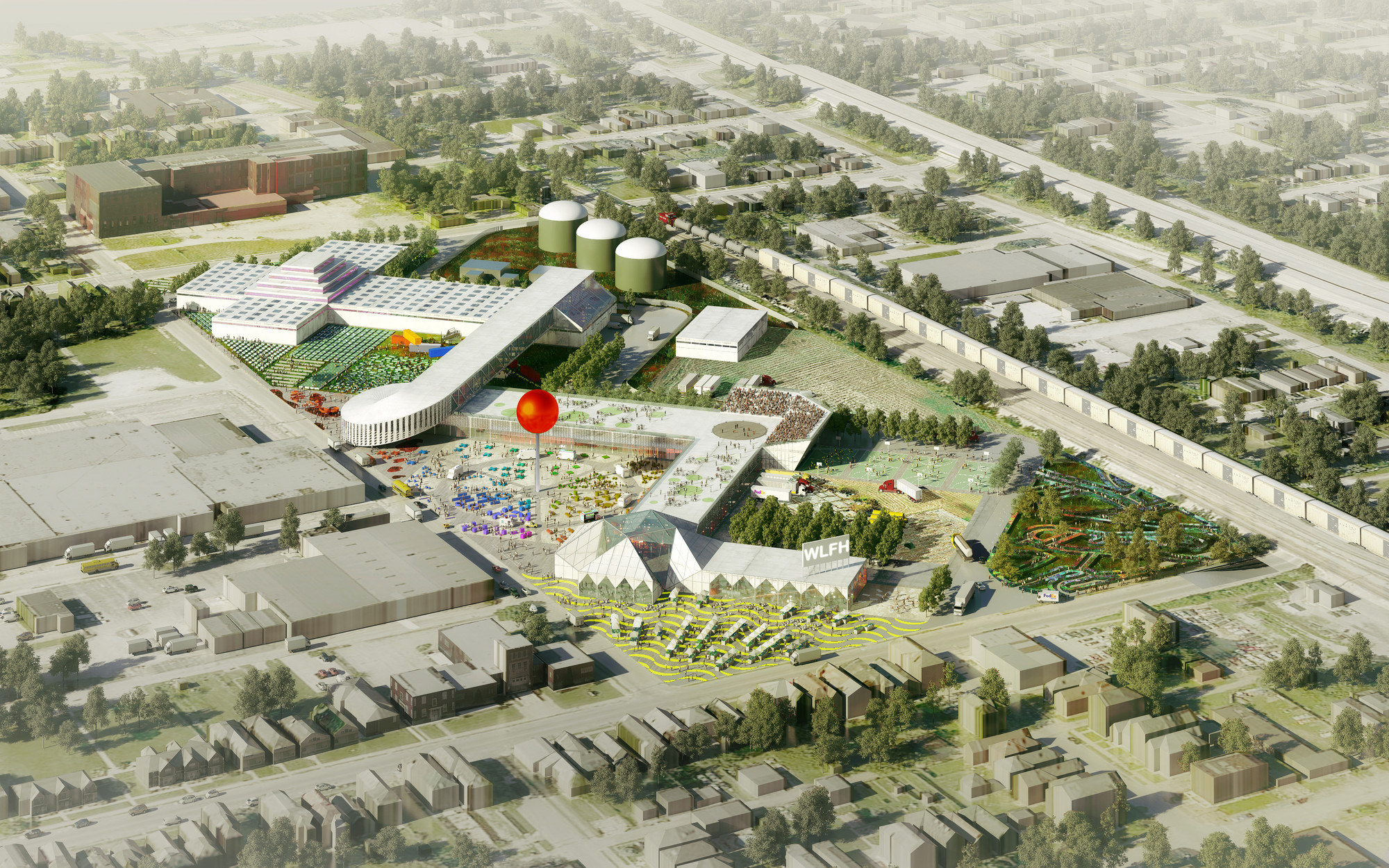
OMA has unveiled plans for a mixed-use project that will consolidate facilities for the growing, selling and distribution of food for local farmers in Louisville. A collaboration with the non-profit Seed Capital Kentucky, the 24-acre “Food Port” will transform a former tobacco plant into an “active economic and community hub” that shapes a “new model between consumer and producer.”
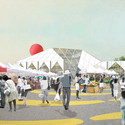
“The diversity of program reflects the full food chain, as well as a new foodscape of public spaces and plazas where producers and consumers meet,” said OMA’s Partner-in-Charge Shohei Shigematsu, who is also leading the Alimentary Design research studio at Harvard University. “The Food Port acts as a catalyst to activate the surrounding neighborhoods, exemplifying one of the complex urban relationships between architecture and food that our studio is investigating.”
The expandable campus, which is expected to break ground this summer, will include an urban farm, edible garden, market and food truck plaza, retail space, classrooms, a recycling facility, and more. Continue after the break to learn more.
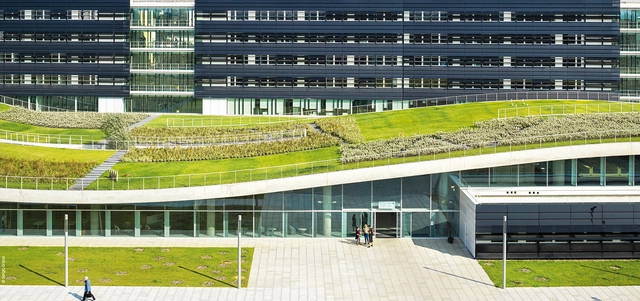

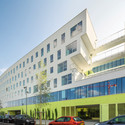
Paolo Venturella Architecture has been commissioned to design a proposal for an Italian office building. The inventive structure uses existing contextual information, such as the grid of the city and an abandoned soccer field on which it sits, to drive its parametric design. The resulting building not only makes use of an otherwise forgotten plot of land, but fits precisely into the urban fabric of the existing city layout, using its grid to shape the building.
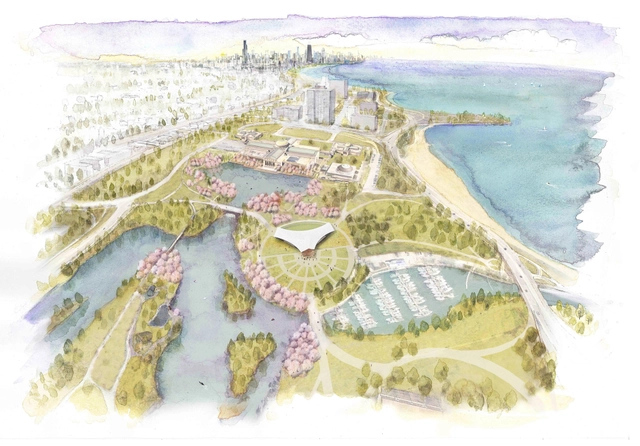
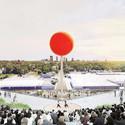
Chicago’s Jackson Park is expected to see some big changes in the coming years. Nonprofit organization Project 120 is working to revitalize the park, restoring many of the design aspects implemented by its landscape architect, the famous Frederick Law Olmsted. Alongside this restoration, the park will also receive a new Phoenix Pavilion, homage to Japan’s gift to the US for the 1893 Columbian Exposition. An outdoor performance space will be added to the park, as will an installation funded by musician and activist Yoko Ono. See the details, after the break.
_Remy_Schejbal.jpg?1418945551&format=webp&width=640&height=580)
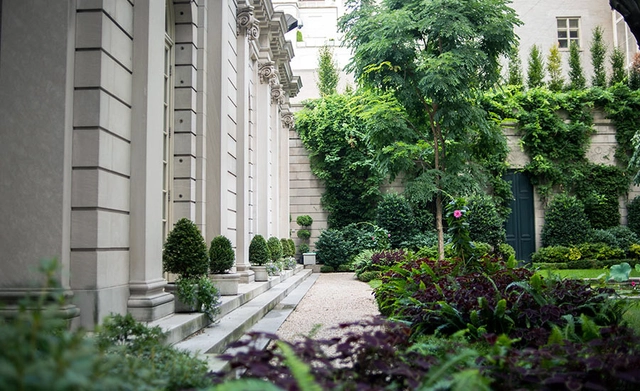
By all accounts 2014 has been a great year for landscape architecture, and not just because of the completion of the final phase of the High Line by Diller Scofidio + Renfro and James Corner Field Operations. Previously published by the Huffington Post as "2014's Notable Developments in Landscape Architecture," this roundup of the year by the President of The Cultural Landscape Foundation Charles A Birnbaum finds plenty of promising developments, marred only slightly by some more backward-looking descisions.
This year there was a cultural shift that saw landscape architecture and its practitioners achieve an unprecedented level of visibility and influence.
This year the single most notable development came courtesy of the New York Times architecture critic Michael Kimmelman who wrote: "Great public places and works of landscape architecture deserve to be treated like great buildings."
Landscape architecture and architecture on equal footing. Let that sink in.
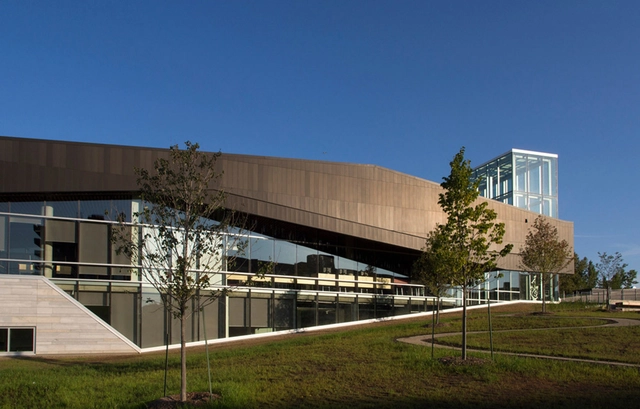
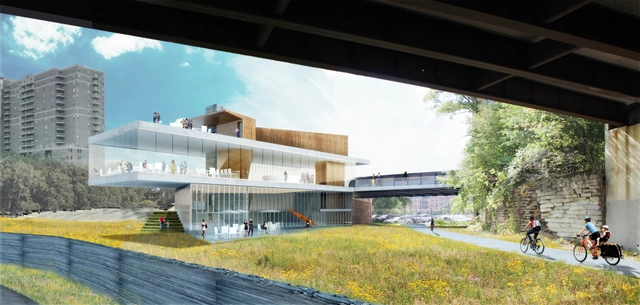
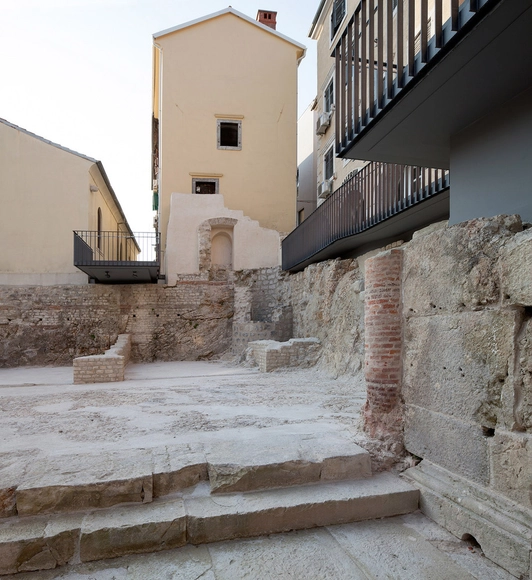
SCAPE / Landscape Architecture and Rogers Partners have envisioned a new public gateway for the Mississippi River’s “one true waterfall” - St. Anthony Falls in downtown Minneapolis. Named after being the city’s original site for its 19th-century water supply and fire-fighting pumping stations, “Water Works” is designed to “weave” together heritage ruins, local ecology, and recreational systems into a “coherent civic space” on four-acres of Central Riverfront.










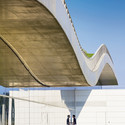
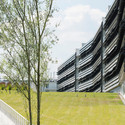


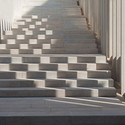
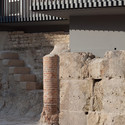





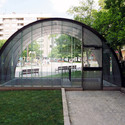


_Remy_Schejbal.jpg?1418945339 "© Rémy Schejbal")
_Remy_Schejbal.jpg?1418945360 "© Rémy Schejbal")
_Remy_Schejbal.jpg?1418945496 "© Rémy Schejbal")
_Remy_Schejbal.jpg?1418945551)