The Psychology of Urban Planning

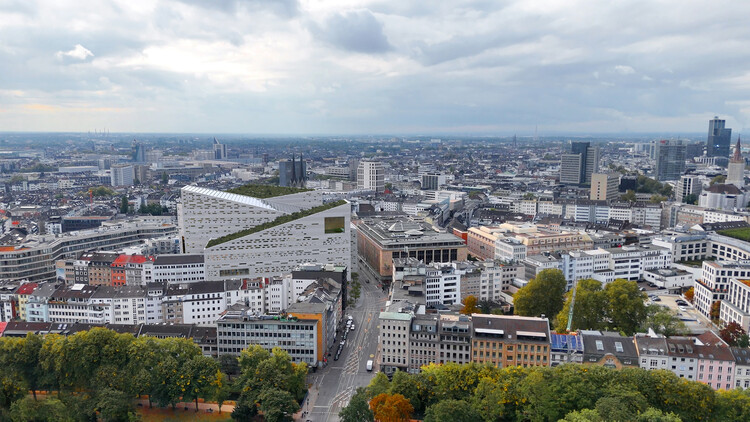
Walkability, density, and mixed-use have become key terms in the conversation about designing our cities to promote healthy lifestyles. In an interview with behavioral psychologist, Dr. James Sallis of the University of California San Diego in The Globe and Mail, Sallis discusses how his research reveals key design elements that encourage physical activity. In the 20th century, the automobile and new ideals in urban planning radically changed the way in which cities were structured. Residential and commercial areas were divided and highways were built to criss-cross between them. Suburban sprawl rescued city dwellers from dense urban environments that had gained a reputation for being polluted and dangerous. In recent decades, planners, policy makers and environmentalists have noted how these seemingly healthy expansions have had an adverse affect on our personal health and the health of our built environment. Today, the conversation is heavily structured around how welcoming density, diversity and physical activity can help ameliorate the negative affects that decades of mid-century planning have had on health. Sallis describes how much of a psychological feat it is to change the adverse habits that have developed over the years and how design, in particular, can help encourage the change.

OMA’s Reinier de Graaf talks Megalopoli(tic)s
OMA partner Reinier de Graaf explores the relationship between the megalopolis and politics at the Berlage Institute, where he conducted a one-week masters class devoted to the concept of Megalopoli(tic)s – “a very large ambitious political structure dealing especially with the act of governing complex metropolitan areas”.
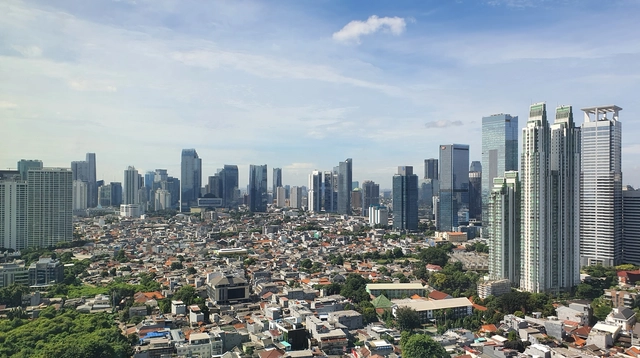
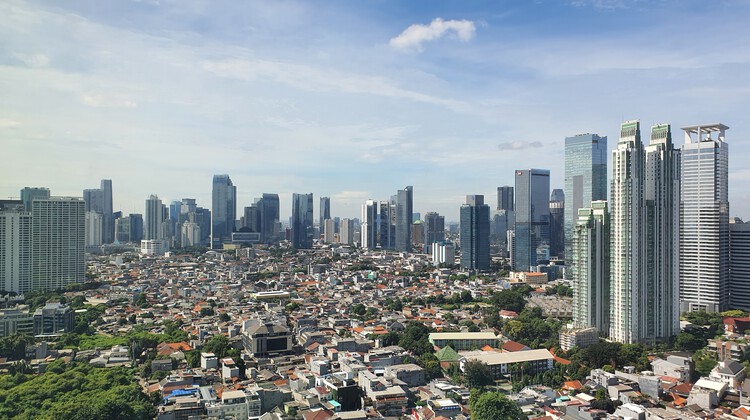
De Graaf begins by stating we must “think globally”. In 1950, New York and London were the only cities with more than 8 million inhabitants. Currently, there are 26 cities of over 8 million people and by 2020 there will be 37. In terms of population and GDP, countries have been surpassed by cities and cities have been surpassed by corporations. De Graaf states that the city is the physical manifestation of globalization, and as cities continue to rapidly grow, it is imperative that we question the logistics that go into governing them.
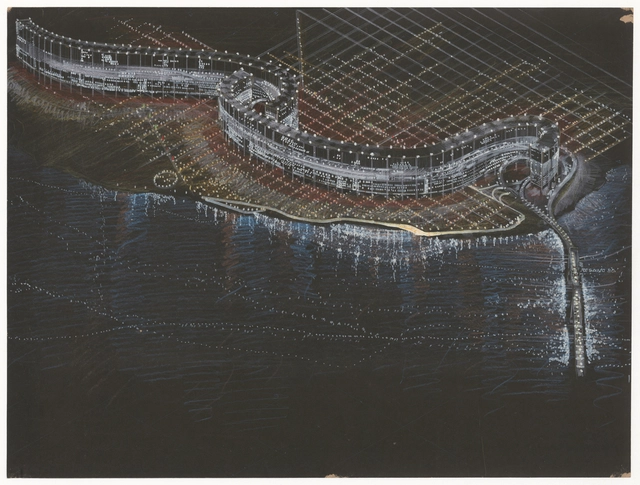
Imagine Doxiadis’ global Ecumenopolis city (1967) that depicts the city as no longer a product of nations but rather a international product, which he envisioned as a conglomerate of urbanized regions straddling the world.