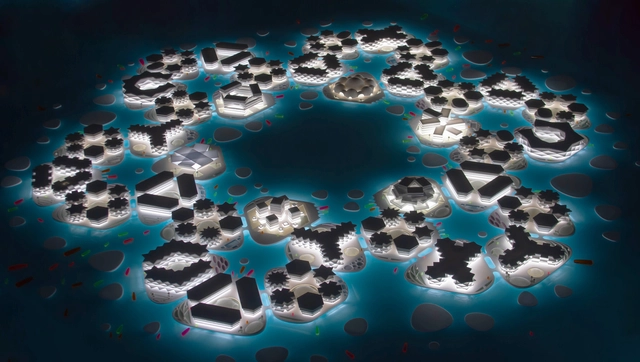
As part of UN-Habitat’s New Urban Agenda, Bjarke Ingels Group has proposed a vision for the world’s first resilient and sustainable floating community, designed to accommodate 10,000 people. “Oceanix City” is a response to the prediction that by 2050, 90% of the world’s largest cities will be exposed to rising seas, resulting in mass displacement, and the destruction of homes and infrastructure. The scheme is anchored in the UN Sustainable Development Goals, enacting circular flows of food, energy, water, and waste.
This article was made in partnership with Design Indaba, a website and annual festival that uncovers innovation for good. Global Graduate Nicole Moyo presented her project Day 1 of the 2019 festival. Click here to learn more about the annual event.
Our planet is home to almost 7 billion people. Out of these 7 billion, more than 5 billion have access to mobile phones, but less have access to working toilets, and more than 1 billion still discharge waste in the open.
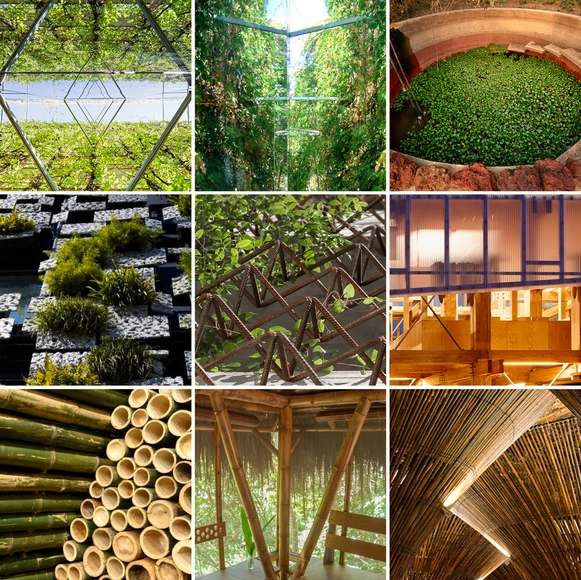
The dramatic improvement in recent decades in our understanding of sustainable design has shown that designing sustainably doesn't have to be a compromise—it can instead be a benefit. When done correctly, sustainable design results in higher-performing, healthier buildings which contribute to their inhabitants' physical and mental well-being.
The benefits of incorporating vegetation in façades and in roofs, as well as materials and construction systems that take energy use and pollution into account, demonstrate that sustainable design has the potential to create buildings that improve living conditions and respect the natural environment.
Below we have compiled 30 plans, sections and construction details of projects that stand out for their approach to sustainability.
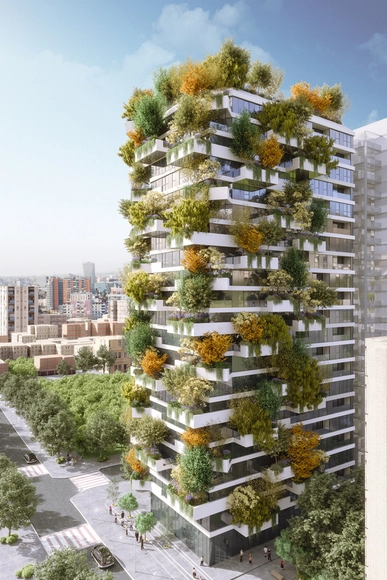
Albania’s capital city, Tirana, is slated to receive the country’s first Vertical Forest in a scheme designed by Milanese architecture firm, Stefano Boeri Architetti. Originating as part of the city’s new development master plan completed by the firm 3 years ago, the building will greatly increase the amount of greenery within and around the metropolitan area. Tirana’s Vertical Forest will contain 21 floors above ground with 4 more below and will be populated by 105 apartment units above a primarily commercial ground floor.
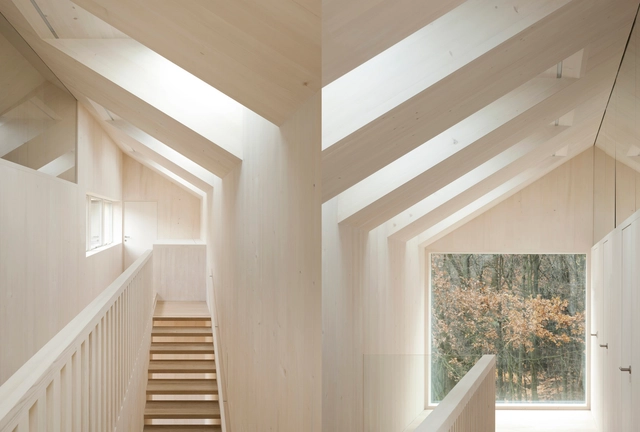
Perhaps the most renowned 'skylight' ever built is the Pantheon of Rome commissioned by Marco Vipsanius Agrippa during the reign of Emperor Augustus (27 BC-14 AD) and rebuilt by Hadrian (117-118) around 126 AD. At the highest point of its dome (in this case, the oculus) the sunlight shines, casting its beams over the various statues of planetary deities that occupy the niches on the walls. The light that enters the space symbolizes a cosmic, sacred dimension. In projects around the world, natural light continues to fulfill this scenic role, especially in religious projects.
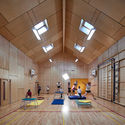
It is characterized as zenithal illumination as that which comes from above, from the sky (zenith). Very useful for large spaces that can not be adequately lit by windows, skylights are a widely used device for providing a pleasant, diffuse light. Generally, care is taken to prevent direct entry of sunlight; the openings must be well designed so that they do not overheat the space of allow water infiltration. Below is a collection of projects that make good use of this technique.
The increasing use of air conditioning is causing many cities to hit record energy consumption levels during brutally hot summer months. In populous countries like India, China, Indonesia, Brazil, and Mexico, large urban centers function like ovens: buildings absorb heat that is re-released back into the environment, further increasing the local temperature. More heat outside means more air conditioning inside, which not only raises energy consumption, but also increases the levels of carbon dioxide in the atmosphere.
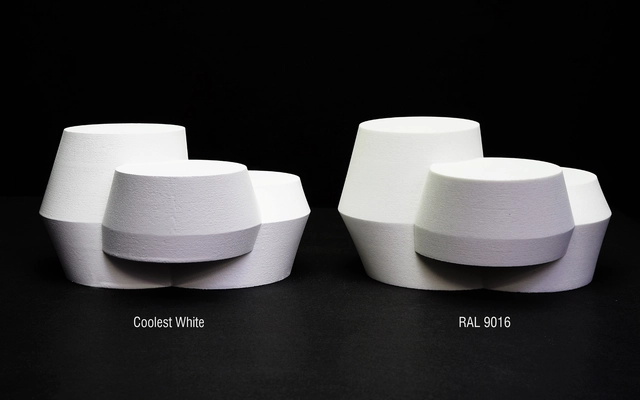
With this vicious cycle in mind, a paint was created to protect buildings and urban structures from excessive solar radiation, diminishing the effect of the urban heat island. The innovation came from the partnership of UNStudio, a Dutch architectural firm, and Monopol Color, a Swiss paint specialist. The dark-colored materials that are used to construct the buildings in our cities are one of the main causes of heat accumulation in urban areas. While darker materials absorb up to 95% of the sun’s rays and release them straight back into the atmosphere, this value can be reduced to 25% with a normal white surface. Now, with ‘The Coolest White’, it is possible to reduce absorption and emission to 12%.
The 2°C Symposium is an opportunity to learn essential technologies, strategies and tools that address climate change at a critical time for our collective future.
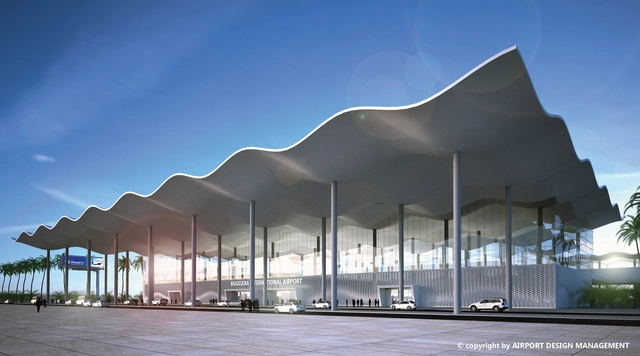
Rwanda’s largest publicly funded project, Bugesera International Airport is on track to be the first certified green building in the region. A few pieces of this net zero emission complex include: a 30,000 square metre passenger terminal, 22 check-in counters, ten gates, and six passenger boarding bridges. Funded by Public Private Partnership, the project is cost estimated at $414 million USD. The international hub was only one of several initiatives discussed by the AfricaGreen Growth Forum (AGGF) in Kigali at the end of last year.
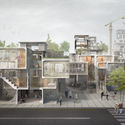
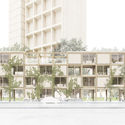
Skyrocketing prices of London housing have become so unbearable that many have turned to less-than-ideal compromises. Large homes can be found but come with commutes of hours; places are still available in the city, but only for those with sky-high paychecks. Unable to balance their needs, people are resorting to workarounds that disrupt the existing urban fabric and dissatisfy all involved. Surely we can do better.
The latest UN special report on climate change, released in October 2018, was bleak - perhaps unsurprisingly after a year of recording breaking temperatures, wildfires, floods, and storms. The report, released by the UN Intergovernmental Panel on Climate Change (IPCC), reiterated the magnitude of climate change’s global impact, but shed new light on the problem’s depth and urgency. Climate change is a catastrophe for the world as we know it and will transform it into something that we don’t. And we have just 12 years to prevent it.
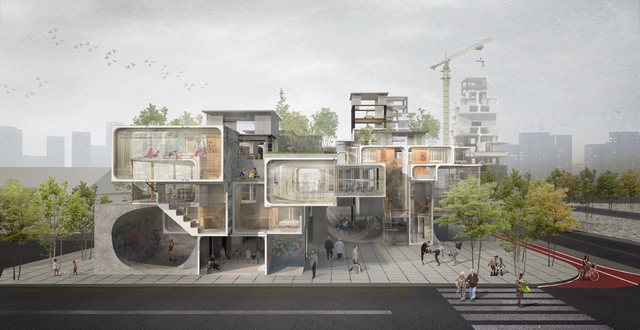
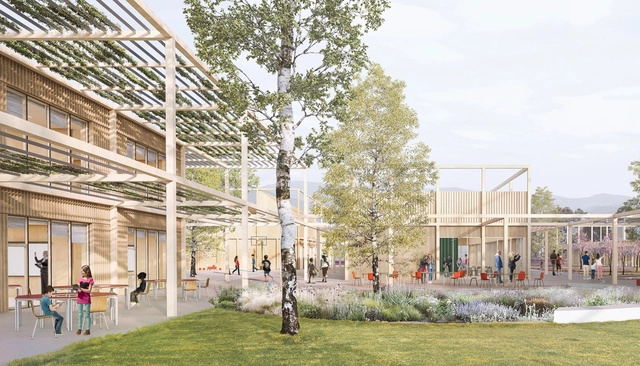
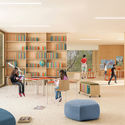
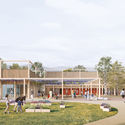
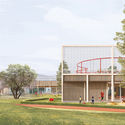
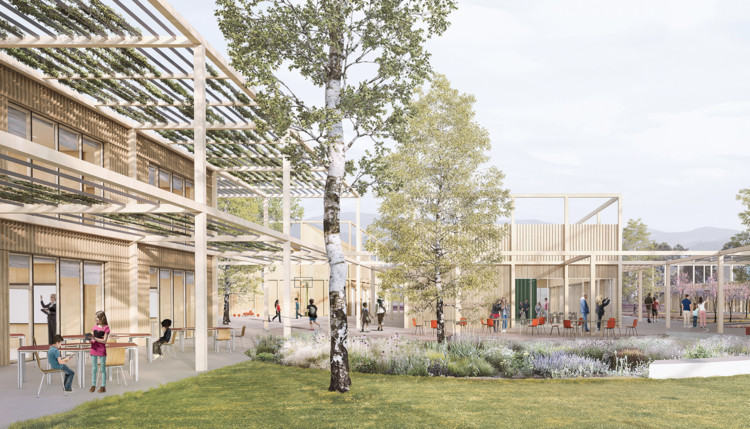
Ten years after a destructive earthquake rocked Italy's central Abruzzo region, many students still attend class in temporary modules similar to containers. Named winners of an international competition, SET Architects’ design for the new “Sassa School Complex” proposes reconstructing a place for students and the community to learn, gather, and grow. Inspired by the modularity and essential nature of climbing frame play structures, the architects describe the design as a metaphor for “freedom and social aggregation as a fundamental value for dynamic and innovative teaching.”
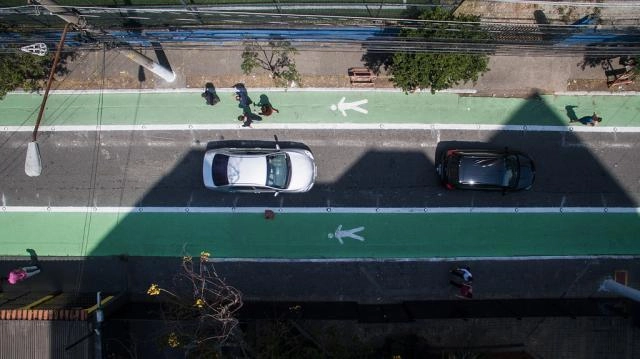
Rua Joel Carlos Borges, in Sao Paulo. Image: Pedro Mascaro/WRI Brasil
The implementation of a Complete Street is something to be celebrated. A Complete Street initiative is a clear indication that a city is striving for urban mobility and seeking a more democratic and safer use of space. Nevertheless, it is vital to measure the impact of these interventions when implementing future actions.
Joel Carlos Borges Street, the first Complete Street in São Paulo, underwent an evaluation two months after it was completed. The study revealed that 92% of its users approved of the project and believed that the changes were beneficial.
https://www.archdaily.com/909371/the-first-complete-street-in-sao-paulo-has-a-92-percent-approval-ratingWRI Brasil
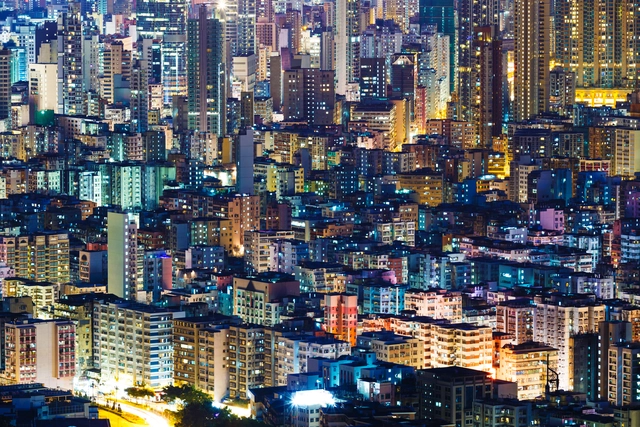
Hong Kong is one of the most densely populated cities on earth. Image via Shutterstock
Cities are hotter than surrounding areas because of a climate phenomena that is known as the urban heat island (UHI). While scientists have studied this effect for decades, new information has recently come to light that points to the way we arrange our cities as a key contributor to raised temperatures. The results could help city planners build our future cities better.
https://www.archdaily.com/909476/how-urban-planning-can-help-us-cope-with-climate-changeTaahirah Martin
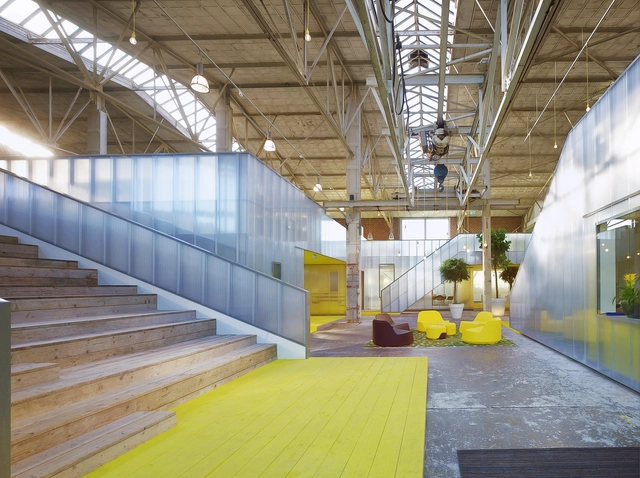
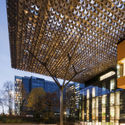
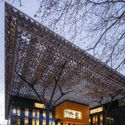
Singapore’s creative community will soon be thriving as one of the city's buzziest projects, Design Orchard, nears completion. Designed by Singapore-based architecture firm WOHA, the 2350 sqm green project has been under construction since early 2018, and will officially be open to the public on the 30th of January, 2019.
Located on Orchard Road, the city’s most iconic shopping avenue, the project's publicly accessible sloped rooftop park will incorporate multiple services and public areas, accentuating the design and providing up-and-coming designers with a space to create, produce, and exhibit.
PEACE PAVILION In memory of the innocent victims of war in Africa
“Peace is a dream, it can become a reality… but to build it we must be capable of dreaming.” (Nelson Mandela)
THEME Intercultural hostility and the exploitation of resources on the African continent have triggered a succession of armed conflicts resulting in millions of innocent lives lost and refugees seeking hope in a better life elsewhere. Communities annihilated. Villages and cities torn to the ground. Nations in chaos.






.jpg?1553680440&format=webp&width=640&height=580)




.jpg?1553680440)



Stefano_Boeri_Architetti_tre_nuove_scuole_per_tirana_Scuola_3_total.jpg?1552748138 "24-hour school in Tirana. Image © Stefano Boeri Architetti")

StefanoBoeriArchietti_URBAN_SYSTEM_agriculture.jpg?1552748062 "Tirana 2030 - Agriculture. Image © Stefano Boeri Architetti")








.jpg?1547580610&format=webp&width=640&height=580)
.jpg?1547580632 "Courtesy of WOHA")
.jpg?1547580599 "Courtesy of WOHA")
.jpg?1547580610 "Courtesy of WOHA")
.jpg?1547580567 "Courtesy of WOHA")
.jpg?1547580610)