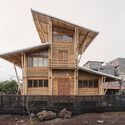
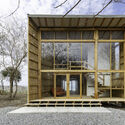
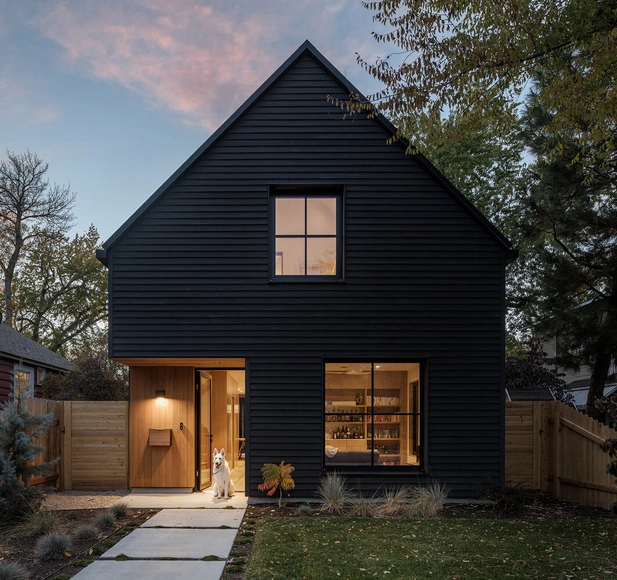
In the Brazilian architectural scene, Felipe Savassi stands out for being a unique mix of designer and communicator. He shares his passion for architecture and his entrepreneurial vision with his thousands of students and followers on social media, with content that seeks to promote an approach centered on the promotion of industrialized and modular construction. With a degree in Architecture and Urbanism from the Isabela Hendrix Institute in Belo Horizonte, his professional activity is supported by four essential pillars: design and execution of architectural projects, education, mentoring and consulting, and a strong commitment to communication and content dissemination.
The 3rd edition of Shaping the City, a forum on sustainable urban development, took place in Venice between November 24-25, following successful events in Chicago and New Orleans. Organized by the European Cultural Centre, this forum was running in parallel to the 2023 Venice Architecture Biennial exhibition, Time Space Existence. The event, hosted at Palazzo Michiel del Brusà in Cannaregio, brings together global urban planners, architects, academics, and politicians. Notably, Japanese architect Kengo Kuma was among the experts invited to explore the intersection of nature and the built environment in Japanese architecture.
Over two days, the conference set out to explore crucial themes such as education, urban commons, displacement, nature integration, and the future of architecture media, a subject discussed during a panel talk attended by ArchDaily’s managing editor, Christele Harrouk. While on-site in Venice, the ArchDaily team sat down with Kengo Kuma to discuss his unique approach to nature-inspired and site-specific designs.
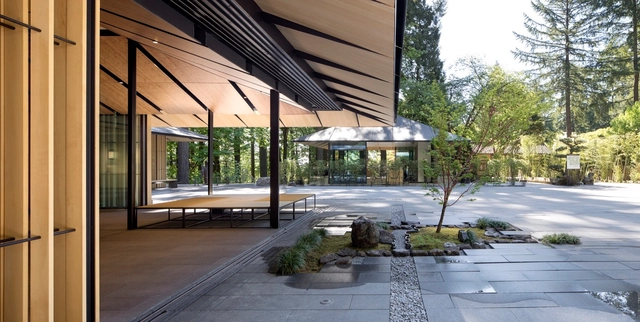
Sadafumi (Sada) Uchiyama, ASLA, is Curator Emeritus of Portland Japanese Garden. Before his retirement, Uchiyama served as Chief Curator from 2021 to 2023. Uchiyama is a third-generation Japanese gardener from southern Japan, where his family has been involved in gardening for over a century. In addition to his background as a gardener born and trained in Japan, Uchiyama is also a registered landscape architect in Oregon and California, with Bachelor’s and Master’s of Landscape Architecture degrees from the University of Illinois. This interview was conducted at the ASLA 2021 Conference on Landscape Architecture in Nashville.
The Second Studio (formerly The Midnight Charette) is an explicit podcast about design, architecture, and the everyday. Hosted by Architects David Lee and Marina Bourderonnet, it features different creative professionals in unscripted conversations that allow for thoughtful takes and personal discussions.
A variety of subjects are covered with honesty and humor: some episodes are interviews, while others are tips for fellow designers, reviews of buildings and other projects, or casual explorations of everyday life and design. The Second Studio is also available on iTunes, Spotify, and YouTube.
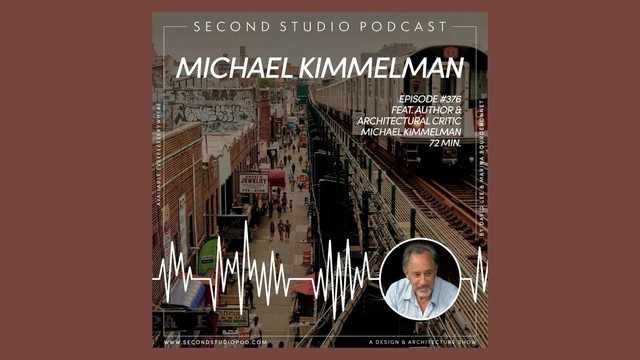
This week David and Marina of FAME Architecture & Design are joined by architecture critic of The New York Times, Michael Kimmelman, to discuss his background; the role of a critic; New York City; the evolution of the profession; the housing crisis; social housing; the value of architecture; and more!
https://www.archdaily.com/1013752/the-second-studio-podcast-interview-with-michael-kimmelmanThe Second Studio Podcast
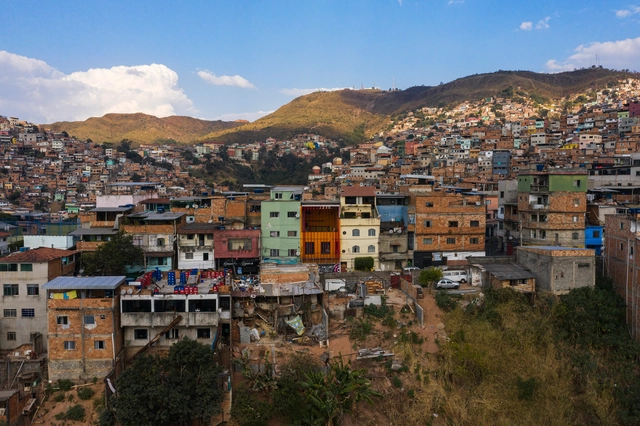
Multifaceted and filled with complexities, the landscape of architecture and urbanism in Latin America unveils specific nuances and challenges in light of the issues faced by various countries, such as social inequality, violence, and rapid urban growth. Within this context, architectural practice assumes a significant role in crafting feasible and appropriate solutions tailored to each reality, emphasizing the importance of reaffirming local references and narratives in this process.
In the face of the established hegemony, particularly by North America and Europe, which often marginalizes Latin American architectural and urban achievements, especially those not even recognized as such, the appreciation of this diversity and complexity becomes imperative for any consideration and intervention in the region. Below, we have selected six interviews that aid in understanding the architecture of Latin America and contribute to a more contextualized and sensitive approach to its needs, potential, and richness.
Architecture, understood as a cultural product, is strongly influenced by diverse stimuli that include historical, geographical, and cultural aspects, among others. Together, these elements form a heritage that may (or may not) endure through time. Although architecture tends to adapt to each culture, modeling its traditional techniques according to its context and shaping the surrounding environment, there is no guarantee that the traditional elements in it will endure or remain unchanged over time. This is largely due to the constant evolution of society and technology, which sometimes tends towards universality and the adoption of a common language, rather than one of their own.
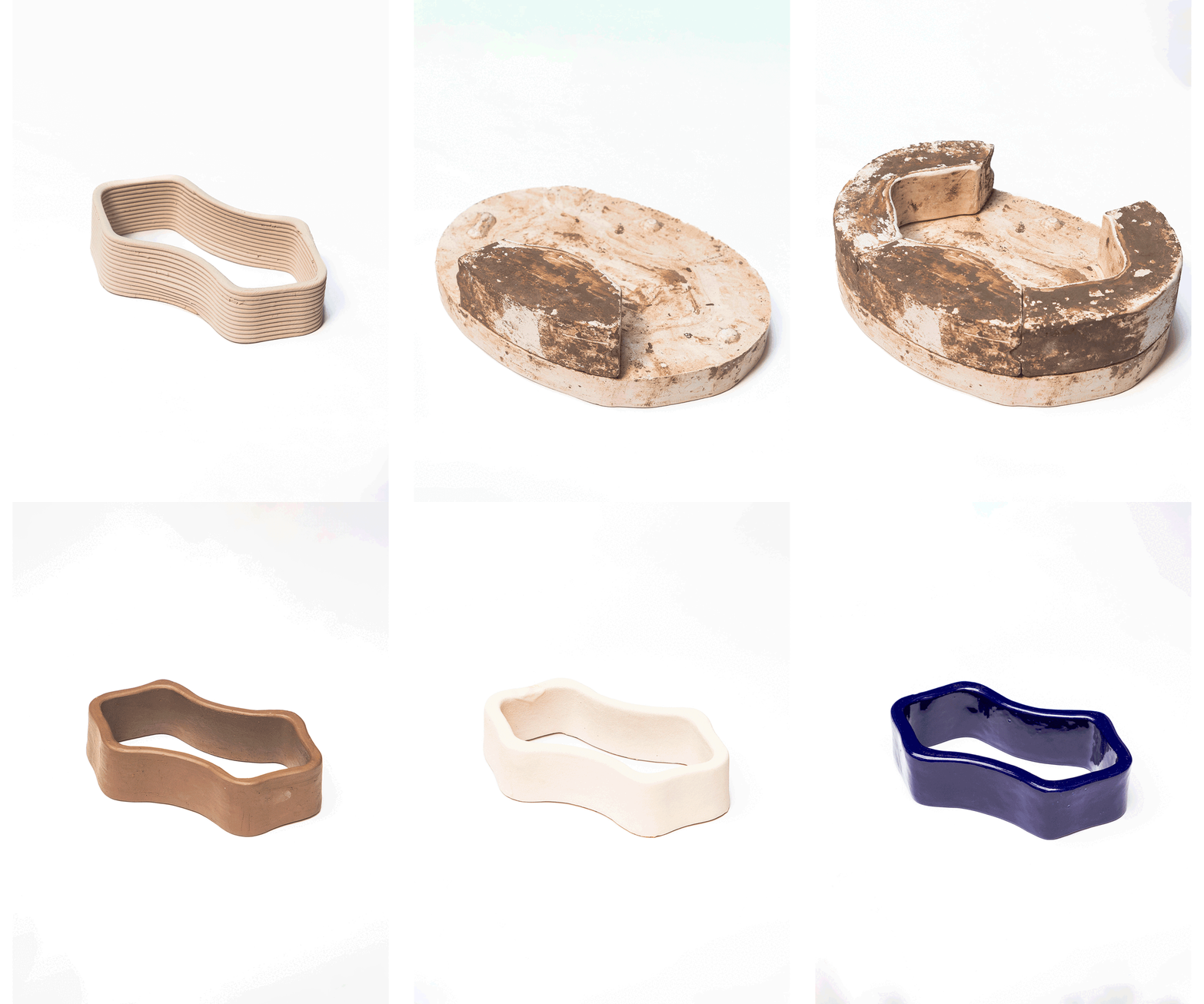
Given this scenario, it is essential to explore an approach where innovation and technology do not replace tradition and artisanal production; instead, they arise as a means of exploration towards emerging routes. Adopting novel techniques and innovative materials that are adapted to specific local needs makes it possible to maintain an authentic expression that responds to the demands of the environment. This approach, which could be termed neo-craft, allows for the preservation of a distinct voice that reflects the authenticity of the local context. At the same time, it contributes to a universal perspective, merging the local with the global.
https://www.archdaily.com/1012790/at-the-intersection-of-innovation-and-tradition-the-talavera-projectEnrique Tovar
About two weeks ago, I received an intriguing email from Jeff Speck, the author of two of the most influential books on urban planning in the past two decades: Suburban Nation (2010; co-authored by Andrés Duany and Elizabeth Plater-Zyberk) and Walkable City (2012; reissued in 2022 with new material). The press release it contained announced the formation of a new partnership, SpeckDempsey, “a new planning and design firm serving government, non-profit, and private clients.” Prior to this, Speck was a potent and highly visible one-man band spreading the gospel of walkable cities. After spending a decade as director of town planning at Duany and Plater-Zyberk’s firm, Speck served as director of design for the National Endowment for the Arts before setting up Speck & Associates in 2007. Now he has joined forces with Chris Dempsey, a Boston-area transportation advocate, with the joint goal of bringing walkable city practices to scale. Last week, I talked to them about their new partnership, their methodology, and their plans for the future.
The relationship between architecture and the environment is multifaceted. It involves a dynamic interaction between built spaces and the surrounding natural context. It shapes how buildings and cities function, impacts ecosystems, and influences the well-being of inhabitants.
Many factors link architecture and the environment. They span from practical considerations such as natural materials and renewable energy sources to broader aspects like integrating and appreciating local culture. Within this wide range of possibilities, we have selected five interviews that showcase different approaches to this theme. These interviews stimulate essential reflections on the contemporary architectural context.
The built environment represents, for most of us, the background of everyday life, and yet, when we look at a building, we rarely understand what it is made of. In doing so, we also fail to understand its impact on us and on the larger systems of nature. Office Kim Lenschow aims to draw attention to this and to provoke critical thinking in relation to architecture and the materials that make it. By focusing on small-scale, mostly residential projects, the office seeks to reveal this hidden narrative of materials and cultivate more awareness and engagement with the structures surrounding us. For their involvement in the exploration of materials and sustainable development, Office Kim Lenschow has been selected as one of the ArchDaily 2023 New Practices. Every year since 2020, ArchDaily has curated and highlighted emerging offices that bring a new perspective to the field of architecture and design.
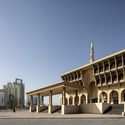
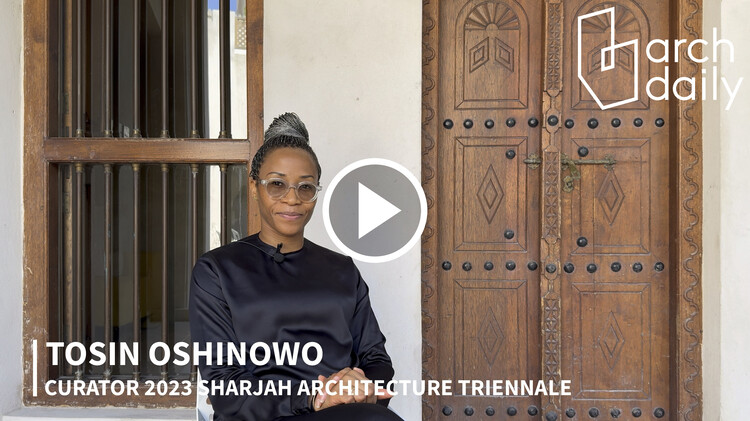
The Sharjah Architecture Triennial 2023 opened on November 11, 2023, with a wide program focused on the overarching theme of The Beauty of Impermanence: An Architecture of Adaptability. While on-site in Sharjah, the ArchDaily team had the chance to sit down with curator Tosin Oshinowo and discuss her curatorial view, the development of the main themes of the program, and the larger principles and intentions behind the event. Informed by her experience growing up in Lagos, Oshinowo has focused the Triennale on the celebration of places that thrive under conditions of scarcity and the alternative models that the Global South can provide in working towards a more equitable and livable future.
Chris Bosse started LAVA, Laboratory for Visionary Architecture, with his partners Tobias Wallisser and Alexander Rieck the year Watercube, the Aquatics Centre for the 2008 Beijing Summer Olympics was completed. Bosse was one of the leading designers of Watercube when he worked at PTW Architects in Sydney. Now LAVA employs about 100 people in four offices in Ho Chi Minh City,Sydney, Stuttgart, and Berlin. There are also two satellite offices in Honduras and Parma, Italy, led by former associates. Projects range from furniture to houses and hotels to master plans, urban centers, and airports in the Middle East, Central America, Europe, Australia, and Vietnam.
The Second Studio (formerly The Midnight Charette) is an explicit podcast about design, architecture, and the everyday. Hosted by Architects David Lee and Marina Bourderonnet, it features different creative professionals in unscripted conversations that allow for thoughtful takes and personal discussions.
A variety of subjects are covered with honesty and humor: some episodes are interviews, while others are tips for fellow designers, reviews of buildings and other projects, or casual explorations of everyday life and design. The Second Studio is also available on iTunes, Spotify, and YouTube.
This week David and Marina of FAME Architecture & Design are joined by Architects Lyndon Neri and Rossana Hu, founding partners of Neri&Hu Design and Research Office, to discuss their upbringing, moving to the United States in their youth; meeting at Berkeley; studying and teaching Architecture; moving to China; starting their office together; running a multi-disciplinary office; their philosophy; and more.
Sustainable construction certifications can play a crucial role in mitigating climate change by establishing solid criteria to foster ecologically responsible practices in the construction industry. They not only give public visibility to industry-accepted standards and monitor performance, ensuring compliance with regulations, but also stimulate the reduction of negative environmental impacts while rewarding buildings that fulfill strict sustainability standards. By establishing higher levels of excellence in projects and constructions, these certifications influence the evolution of construction codes, training professionals, and even changing corporate strategies.
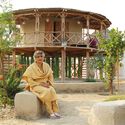
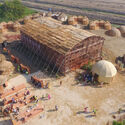
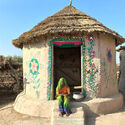
In this Louisiana Channel interview with Yasmeen Lari, the renowned Pakistani architect speaks about the role of architects and the needed perspective shifts of the industry in contemporary times. Awarded the RIBA Royal Gold Medal in 2023 for herhumanitarian efforts, Lari emphasizes the need to rethink the architecture industry to address social disparities and resource deficiencies. In the interview, the architect and designer reflects on her upbringing, architectural education, and her practice today.
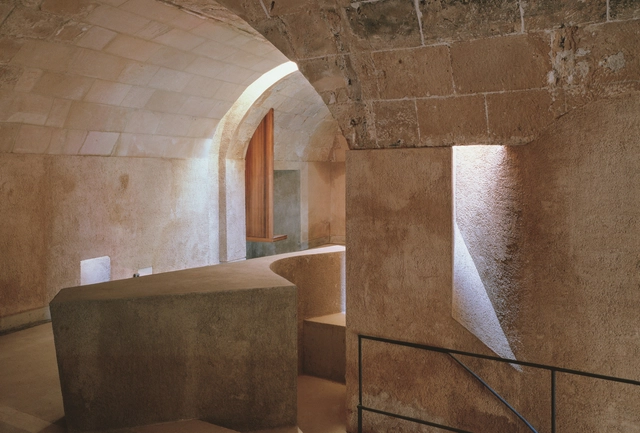
Eva Prats and Ricardo Flores started their Barcelona-based practice, Flores & Prats Arquitectes in 1998 after both worked at the office of Enric Miralles. They overlapped for about one year there, from 1993 to 1994. After her nine-year stint with Miralles, Eva won the EUROPAN III International Housing Competition with a friend. The success that led to a real commission and was going to be built, served as the springboard for starting their independent practice. Shortly thereafter they won another competition. Ricardo joined Eva after working for five years with Miralles. By then they were a couple for three years and decided to start working together. Today they practice out of the same sprawling apartment where Eva’s original studio rented a room along with several other young architects and designers. Even though the office now occupies the entire space—the architects told me they typically employ ten, no more than twelve people—they keep traces and memories of the former “dwellers” alive. Curiously, Eva and Ricardo implement the same strategy in their architectural projects as well.
Laurent Troost is a Belgian architect with a vast history of projects in the Netherlands, Spain, and Dubai. He made the decision to move to Brazil in 2008, settling in the city of Manaus. In this region filled with challenges and inspiration, Troost developed a unique architectural practice by combining his experiences in designing luxury buildings abroad with structures in the heart of the Amazon. His work gained international recognition and has been honored with multiple awards. On September 4th, 2023, he was in Florianópolis for a lecture at the NCD Summit, where we had the opportunity to discuss his work and his views on architecture and sustainability.
During this year’s edition of the Venice Architecture Biennale, ArchDaily had the chance to discuss with Giacomo Ardesio and Claudia Mainardi of Fosbury Architecture, the curators of the Italian Pavilion together with Alessandro Bonizzoni, Nicola Campri and Veronica Caprino. The curatorial project, titled “Spaziale: Everyone Belongs to Everyone Else,” aims to provide a distinctive and original portrait of Italian architecture within the international context. The curators discussed the origins of their office, their sources of inspiration and the thinking behind the design decisions that led to the creation of the curatorial project for the Italian Pavilion.