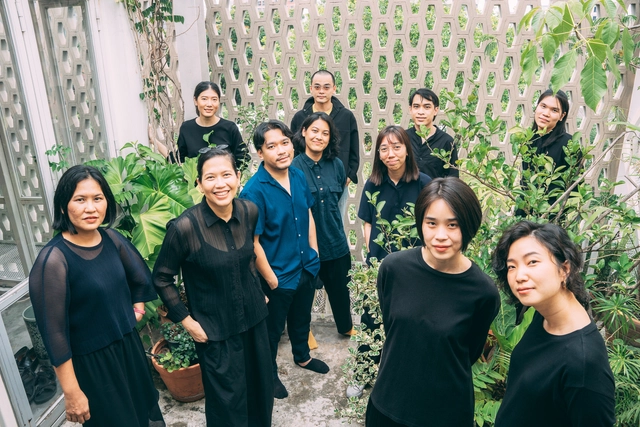
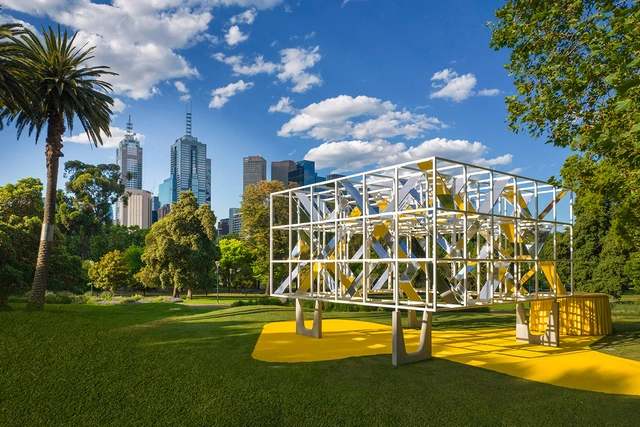
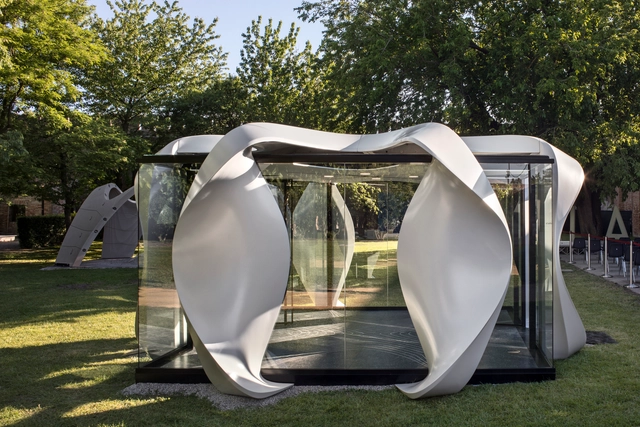
The Naomi Milgrom Foundation has announced that internationally renowned architecture and design practice all(zone) is the the recipient of the MPavilion 2022 commission. Demonstrating how architecture and design can contribute to creating equitable cities, the Bangkok-based studio was commended for its commitment to designing built environments where people can feel at home in the world, reusing and recycling local materials in bold and innovative new ways.
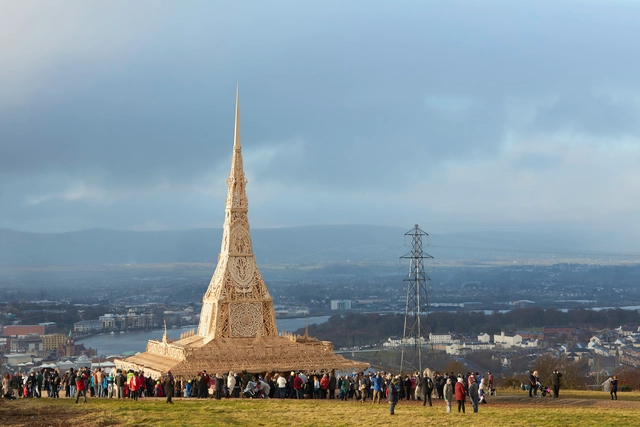
To honor the losses caused by the pandemic over the past two years, a temporary national memorial will be built in Bedworth’s Miners' Welfare Park in England on May 21st until May 28th. Designed by artist David Best, Sanctuary will serve as a powerful symbol of catharsis and rebirth for the whole community, giving them the chance to grieve the losses caused by the pandemic by writing messages or leaving mementos on the walls of the installation, which will then be burned on its last day.
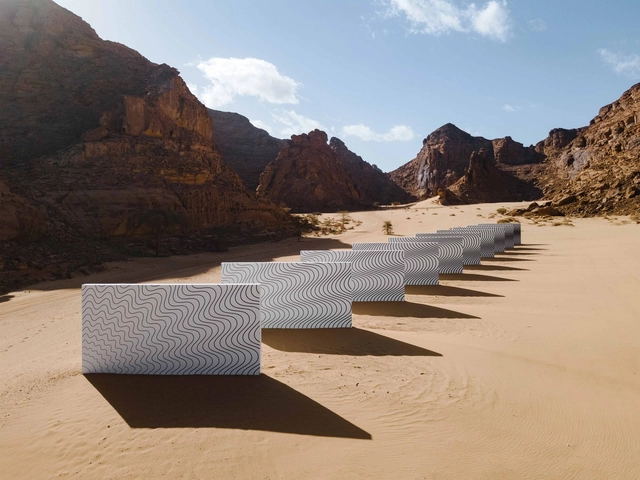
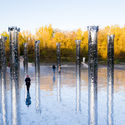
As part of the Desert X international contemporary art exhibition, the second edition of the Desert X AlUla features 15 contextual installations across the Saudi Arabian desert that explore "ideas of mirage and oasis". This year's exhibition is curated by Reem Fadda, Raneem Farsi, and Neville Wakefield, under the theme of Sarab (arabic for 'Mirage'), and invites artists to address the history and culture of the desert, its contemporary significance, and the dichotomy between the natural and man-made world.
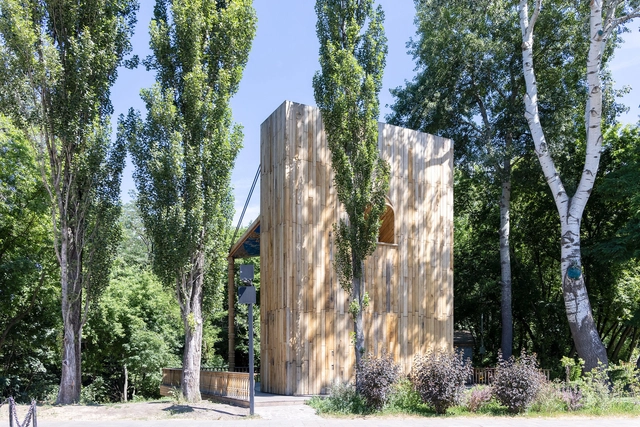
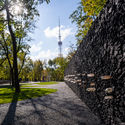
Babyn Yar Synagogue by Manuel Herz, image by Iwan Baan. Image Courtesy of BYHMC
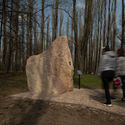
Babyn Yar, a ravine in the Ukrainian capital Kyiv, witnessed the killing of more than 33,000 Jewish men, women, and children, on September 29 and 30, 1941. The site of one of the largest single massacres perpetrated by occupying German troops against Jews during World War II, Babyn Yar became a symbol of the Holocaust by Bullets.
While the main tragic event took place in 1941, throughout the occupation, the site was used as a killing location by the German forces. In fact, it is reported that 70 to 100 000 people lost their lives in Babyn Yar. With no architecture to the tragedy and only a remaining “broken” landscape, people struggled with achieving memorialization and public recognition.
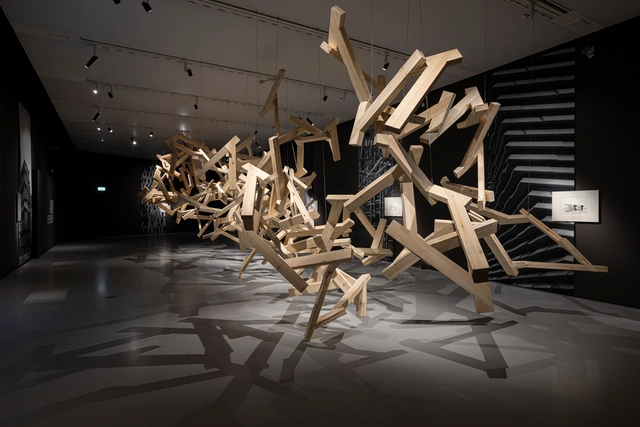
The Manggha Museum of Japanese Art and Technology in Cracow, Poland, is holding an exhibition titled “Kengo Kuma, Experimenting with Materials”, which features a selection of Kengo Kuma & Associates projects, mock-ups, and installations shipped from the firm's office in Tokyo, along with a large "cloud-like" wooden pavilion designed by the architecture office and the Faculty of Architecture and Fine Arts of the Andrzej Frycz Modrzewski Krakow University. The exhibition is open to visitors until May 2022.
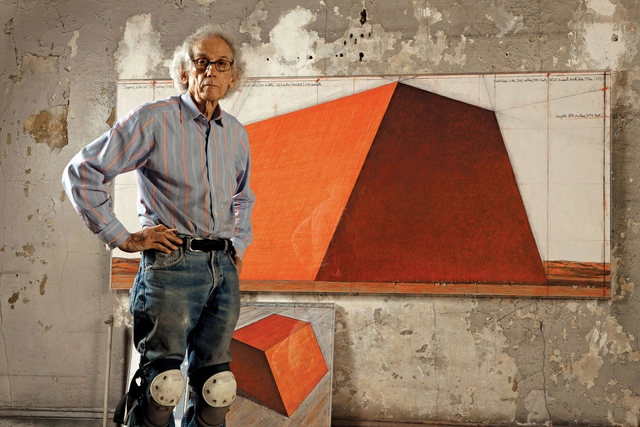
Conceived in 1977, and currently, in progress, The Mastaba, Christo and Jeanne-Claude’s largest permanent artwork in the world, is designed for Abu Dhabi, to be built in a proposed location approximately 160 kilometers south of the city in the desert of Liwa, in the United Arab Emirates. Made from 410,000 multi-colored barrels, the installation will create “a colorful mosaic, echoing Islamic architecture”. 150 meters high, 300 meters long at the vertical walls and 225 meters wide at the 60 degrees slanted walls, the duo’s final project will take at least three years to be built, once it receives governmental approval.
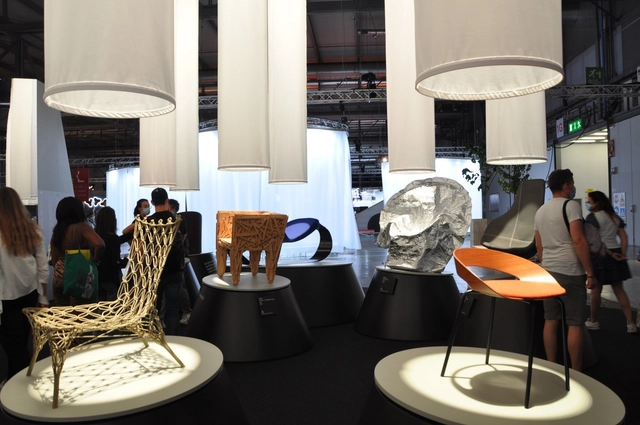
The 60th edition of Salone del Mobile.Milano has been postponed and will now take place from the 7th till the 12th of June 2022. The decision was taken by the Board of Federlegno Arredo Eventi, in agreement with Fiera Milano, who voted to postpone the event from April 2022 to June 2022.
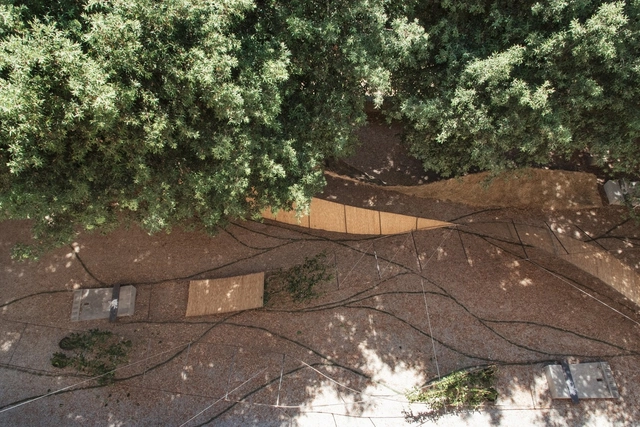
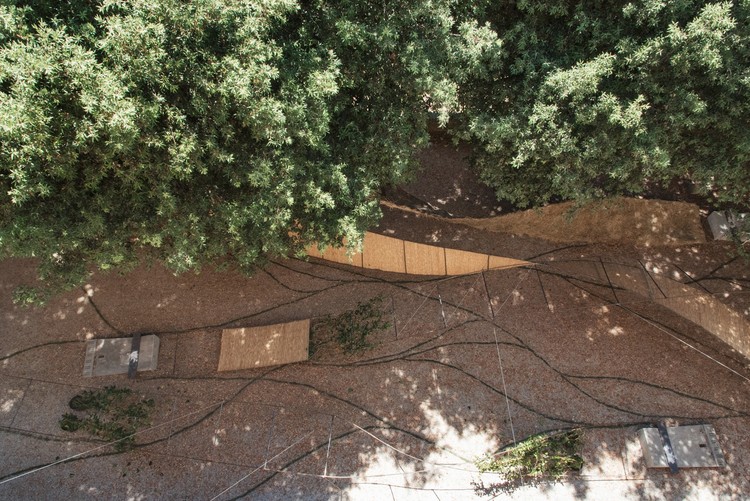
During his Fellowship at Civitella Ranieri / WOJRArchitecture Prize, Alejandro Haiek unveiled images of "Industries of Nature", the award-winning artistic narrative that explores Civitella castle's context and environment and observes how nature and industry work in parallel to form the traditional Umbrian landscape. The intervention was presented not as an art object, but as a documentation of the dynamic exchange between narratives, topographies, and shared resources, overlapping the Civitella Ranieri artist community with local farmers, automobile robotics technicians, engineers and producers.
The Naomi Milgrom Foundation has unveiled the 2021 MPavilion program, offering over 250 free events over the span of 152 days, its longest to date. Now in its 8th season, the event welcomes design enthusiasts from Australia and across the globe to celebrate the important contributions of the design community to cultural landscapes. This year's pavilion, titled 'The LightCatcher' is designed by Venice-based MAP studio, and will be installed in Melbourne’s Queen Victoria Gardens from the 2nd of December until the 24th of April 2022.
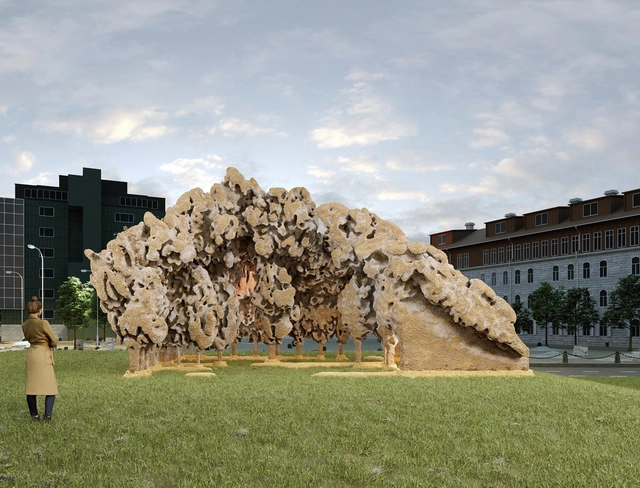
Australian duo Simulaa and Natalie Alima have won the competition for the 2022 Tallinn Architecture Biennale in Estonia with an installation made of mushrooms. Titled Burlasite, the structure's base will employ 3D printing technology that will be taken over by mycelia over time. The proposal highlights repurposing and reusing local materials, and how humans can create sustainable designs with invention and environmental adaptation. The Tallinn Architecture Biennale will open to the public on September 7th, 2022, and the installation will be on display until 2024 in front of the Museum of Estonian Architecture.
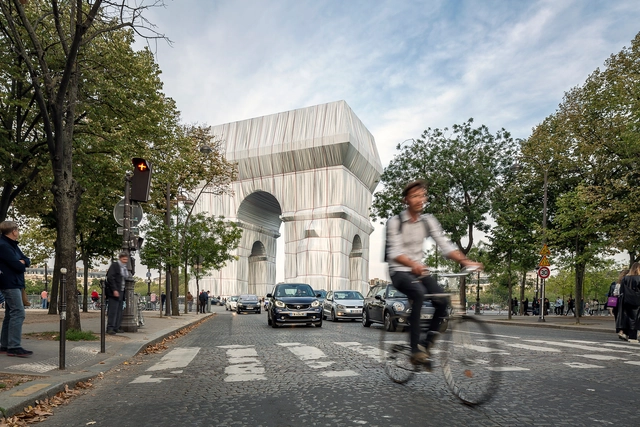
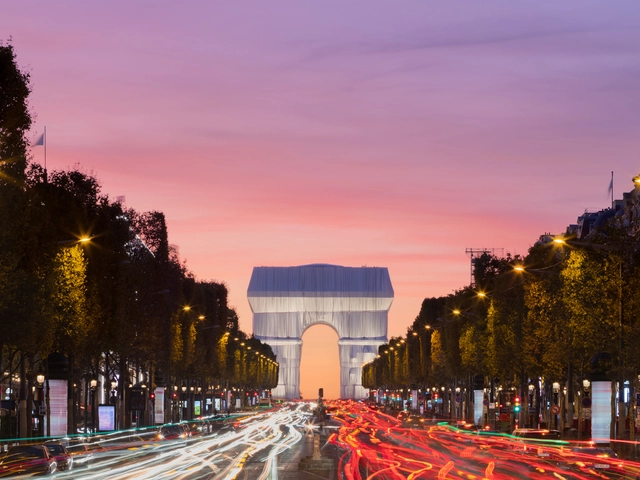
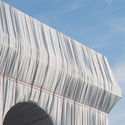
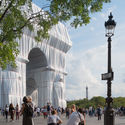
Andreas Ruby, Director of the Swiss Architecture Museum shares his thoughts on the wrapped Arc de Triomphe installation by Christo and Jeanne-Claude, in a 3 part essay, converting a monument glorifying war into a monument of decolonization. The temporary installation opened to the public on September 18, 2021, and will be dismantled starting October 3, 2021.
After almost 60 years of its initial ideation, Artists Christo and Jeanne-Claude’s temporary installation, the complete wrapping of L’Arc de Triomphe in Paris has opened to the public on September 18th, attracting thousands of tourists and locals. In this new photoseries, photographer Jared Chulski captures the wrapped monument, focusing on the details of the temporary intervention and how it compliments the city's urban fabric.
For the 2021 Milan Design Week, Kengo Kuma Associates designed a bamboo installation that merges form, materiality and music, creating a multisensory experience. Created in collaboration with smart device manufacturer OPPO, Bamboo (竹) Ring :|| Weaving a Symphony of Lightness and Form answers the "Creative Connections" theme by merging architecture and music, as well as craftsmanship and technology.
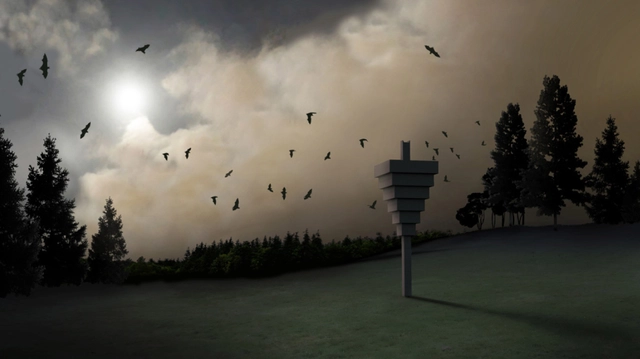
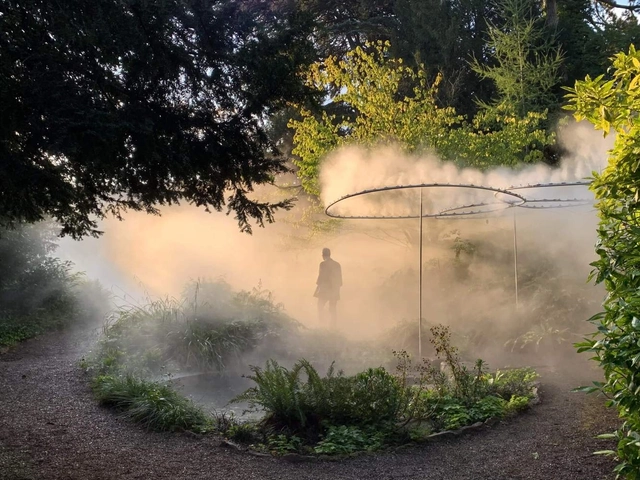
Design consultancy office AUTHOS and Swiss multidisciplinary Interactive Designer Stella Speziali have collaborated to create a unique spatial intervention at the Zurich Design Biennale 2021. Titled NEBULOSUS, the installation uses mist and augmented reality as an immersive and intangible 'structure' that changes the spatial boundary of Zurich's botanical garden and creates and explorative experience for visitors.
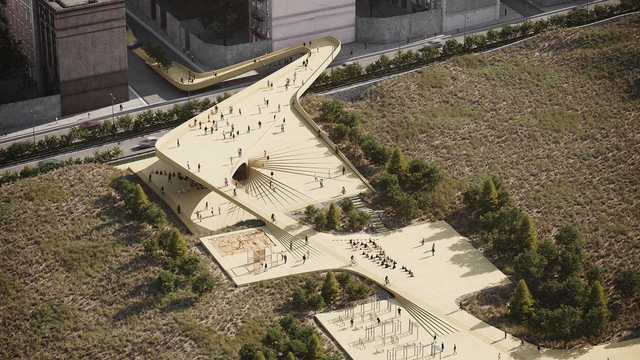
This week's curated selection of Best Unbuilt Architecture highlights different competition-winning designs submitted by the ArchDaily Community. From large scale urban developments to small interventions in the landscape, from commercial projects to public spaces and urban planning strategies with an environmental focus, this article showcases a variety of design approaches, programs and scales. The proposals featured are the results of local and international competitions, either creative concepts or projects currently in progress.
The award-winning entries include a range of different projects, designed by both young architects and established firms. An adaptive reuse project for office towers in New York, the redevelopment of an industrial site in China, an abstract installation for a Russian festival, or a masterplan focused on climate resilience and ecosystems protection are a few of this week's highlights.
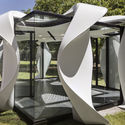
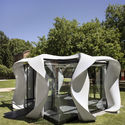
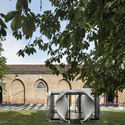
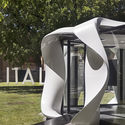
Zaha Hadid Architects has been invited to exhibit at the 17th International Architecture Exhibition - La Biennale di Venezia. Titled ‘High-performing Urban Ecologies', the installation responds to the theme of Resilient Communities by displaying the Alis Meeting Pod, a modular structure of ZHA’s Unicorn Island Masterplan that is currently under construction in Chengdu, China. The installation is on display at the Giardino delle Vergini at the entrance of the Italian Pavilion.
Among the many topics explored at the 17th Venice Architecture Biennale, the idea of community has been at the forefront, with several national pavilions exploring its many manifestations, evolution, and its relationship with the future of built environments. ArchDaily met with the curators of Testimonial Spaces, Emilio Marín and Rodrigo Sepúlveda, the Chilean Pavilion at the Biennale, and discussed how the project tackled the question of the future of living together and how they bridged the stories from Santiago to Venice. The interview was conducted in Spanish but is provided with English subtitles.