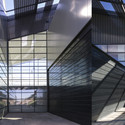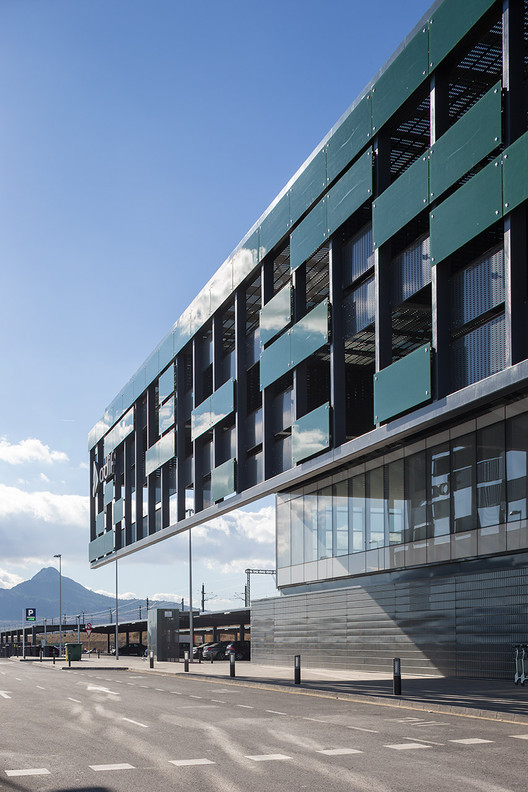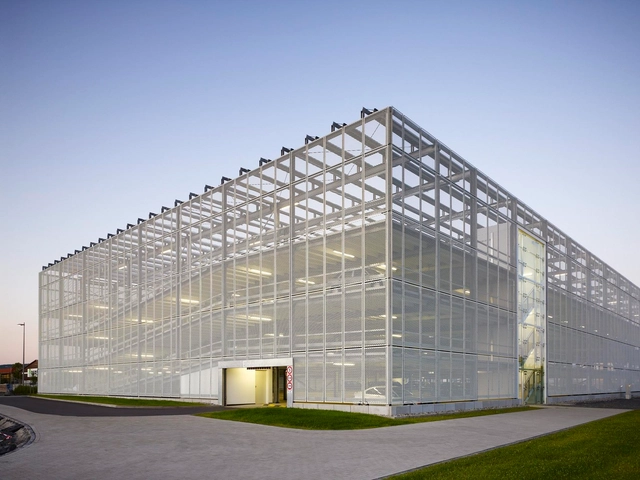


-
Architects: HHS Planer + Architekten AG
- Area: 14753 m²
- Year: 2008


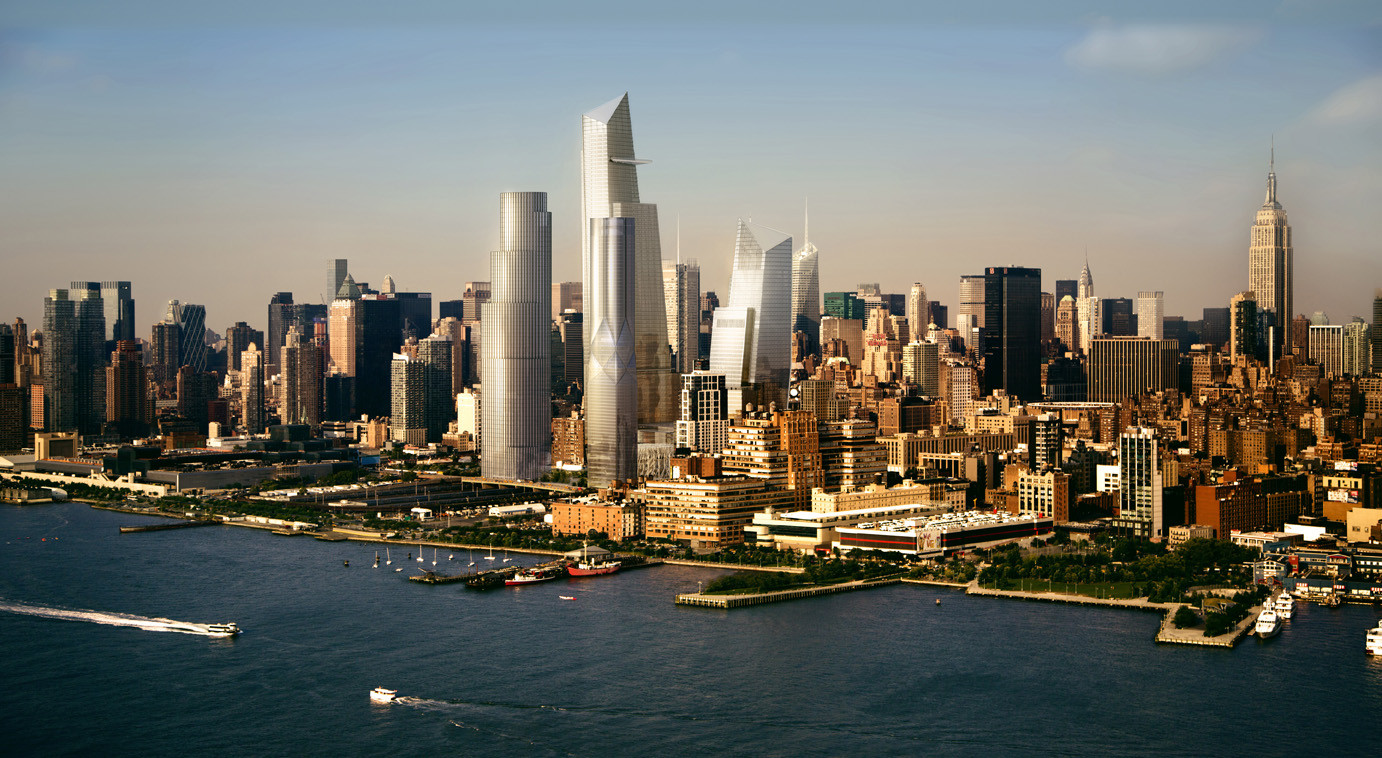
The construction of Hudson Yards, the biggest private real estate development in the history of the United States and currently the largest development in New York City since the Rockefeller Center, is gaining momentum. The vast infrastructural project in the heart of the city is set to enclose an active rail yard with an expansive platform, paving the way for 28 acres (and 17 million square feet) of commercial and residential space. Housing over 100 commercial units, 5000 residences, 14 acres of open public space, an enormous school and luxury hotel all on top of a working train depot, the project will directly connect to a new subway station and meet with the High Line.


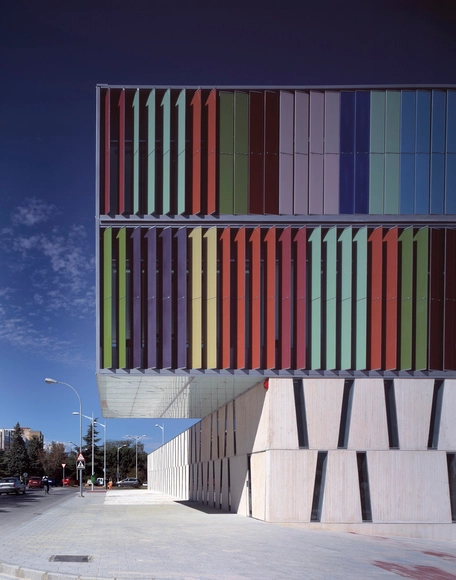

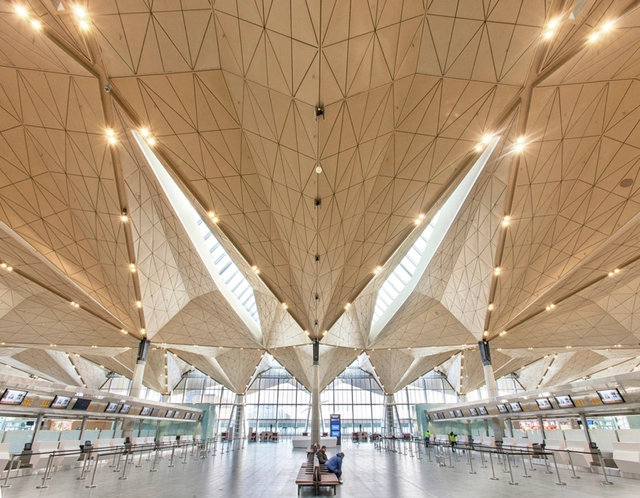
Silvio d’Ascia Architecture, Omar Kobité Architecture and Eric Giudice Architects have been announced as winner of an international competition to design the new TGV high-speed railway station in Kénitra. The winning design aims to unite the northern and southern parts of the city by providing two entryways joined by one geometrical volume whose triangular framework recalls traditional shapes found in vernacular Moroccan architecture.


![Çanakkale Antenna Tower / IND [Inter.National.Design] + Powerhouse Company - Infrastructure](https://snoopy.archdaily.com/images/archdaily/media/images/530f/3abb/c07a/80ce/8b00/0166/slideshow/MIR_Çanakkale_Antenna_Tower.jpg?1393506994&format=webp&width=640&height=580)
Beating out an impressive shortlist of architectural heavyweights, including Sou Fujimoto Architects, Snøhetta, and FR-EE/Fernando Romero Enterprise, IND [Inter.National.Design] + Powerhouse Company, in collaboration with ABT, have won the Çanakkale Antenna Tower Competition to design a 100-meter Observation and Broadcast Tower for the historic city of Çanakkale in western Turkey.The tower will be completed in 2015, in time for the 100th anniversary of the Battle of Galipoli.
Interestingly, this is the second design for an "iconic" antenna tower we've seen this month; you can check out Smiljan Radic's winning design for the antenna tower that will alter the skyline of Santiago, Chile here. And read after the break for IND + Powerhouse Company's description of their winning design.
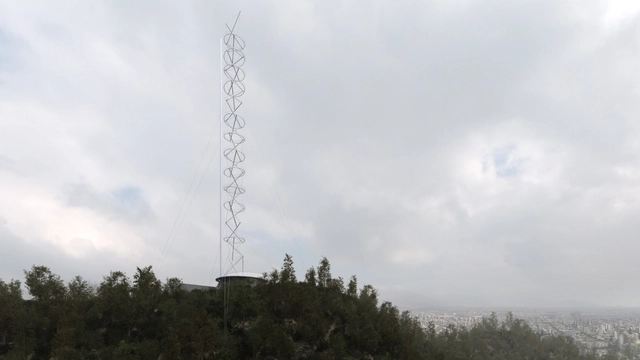
Smiljan Radic, Gabriela Medrano, and Ricardo Serpell have won a competition to design a new landmark for Santiago, Chile: an antenna tower to be placed on the summit of San Cristobal Hill, in the heart of the city.
The 'Santiago Antenna Tower,' a unique telecommunications tower with panoramic views, should be completed in 2017, in time for the centenary of the Metropolitan Park of Santiago.
Further detail and the architect's description of the project, after the break.
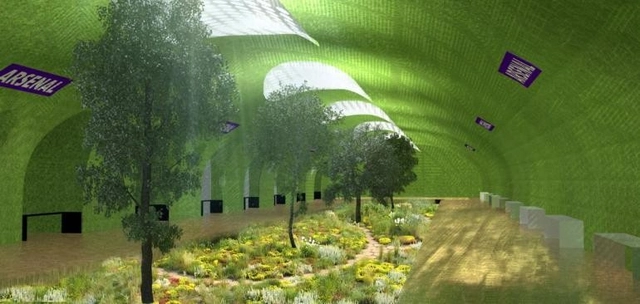
We architects know full well the power of renderings to capture the imagination. Apparently - so too do politicians. Capitalizing on the popularity of adaptive reuse projects around the world (a trend instigated by the success of New York's High Line), French politician Nathalie Kosciusko-Morizet has made converting Paris' unused "ghost stations" a major part of her platform, promising that these projects will come to pass should she be elected mayor.
The renderings, by Manal Rachdi OXO Architects and Nicolas Laisné Associés, show the Arsenal station (unused since 1939) alternately as a swimming pool, a green park, restaurant, disco, or theater. As there are in fact 16 disused metro stations in Paris, the idea behind these renderings is to instigate debate among practitioners as to how these spaces could best serve the city. See all the renderings, after the break.
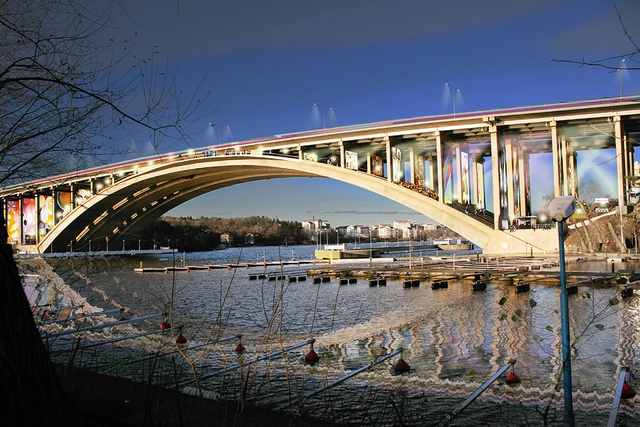
With minimal intervention, Swedish architecture firm visiondivision claims that the underused structure beneath Stockholm’s Tranebergsbron bridge could be transformed into a pedestrian walkway and informal cinema. If built, this proposal would not only remove pedestrians from the dismal walking space provided alongside the bridge’s bustling car lanes, but it would also dramatically shorten the walking distance between the city island of Kungsholmen and western suburb of Bromma.
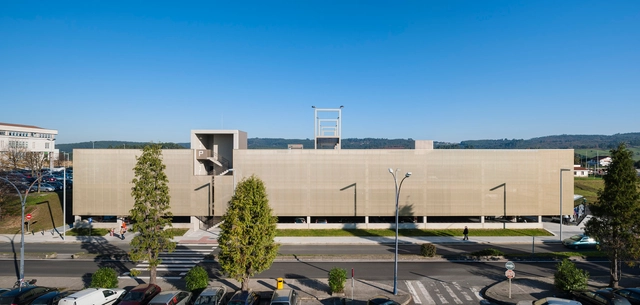
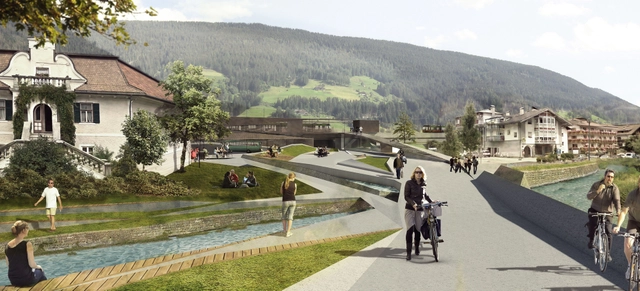
PLASMA Studio, in collaboration with Groundlab, won first prize in an international competition to masterplan the relocation of the Innichen/San Candido train station in North Italy. The project, now under construction, forms a new "Mobile Centre" that integrates a new public plaza, skate park, youth centre and more into a streamlined rail station that enhances connectivity throughout the town.
More information, after the break...

Writing for Future Cape Town, this article by Julia Thayne - originally titled The Skycycle: A Plan for the People? - explores the proposal by Foster + Partners to build an elevated cycle highway above London's, explaining why it is little more than an optimistic pipe-dream.
Headlines in London this November were grim. Six cyclist deaths in less than a fortnight. All but one cyclist killed in accidents involving trucks, buses, or coaches. People were understandably concerned. From 3,000 miles away, my mother sent me a fluorescent coat and another set of bike lights, and as a cyclist commuter, I avoided roundabouts that I had previously sailed through, noting that cars seemed to be driving more slowly and other cyclists thinking twice before flouting traffic laws.
In response to the deaths, the public and public sector alike launched a “cycling state of emergency.” Officers patrolled the streets to ticket both vehicles driving unsafely and cyclists disobeying road rules. A thousand citizens gathered for a candlelight vigil at the roundabout where three cyclists’ lives had been claimed. Another thousand staged a “die-in” outside of Transport for London’s headquarters, in which protesters lay down in the streets, using their bicycles to block traffic. Newspaper columns, magazine articles, and blog spots examined and re-examined the safety of cycling routes around London. Mayor Boris Johnson’s Cycle Superhighways (four blue-painted, supposedly safety-enhanced cycling routes around London) became a particularly contentious topic of discussion, as three of the six cyclist deaths during those two weeks (and of the 14 deaths thus far in 2013) had occurred on or near one of these routes.
From the conversation about cycling and safety, the Skycycle has emerged.
Read on for the problems with the Skycycle project