-
Architects: Shigeru Ban Architects
- Area: 7421 m²
- Year: 2023
-
Manufacturers: Hansgrohe, LOTTE CHEMICAL, Toto, A&A Material Corporation, CERA, +28

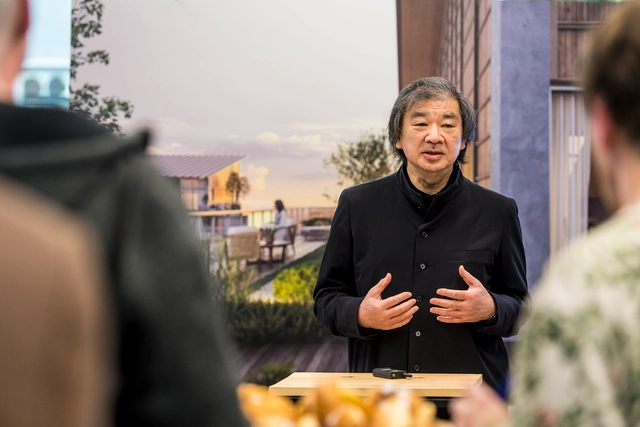
In a recent interview with Louisiana Channel, acclaimed Japanese architect Shigeru Ban shared his perspectives on architecture, his journey in the field, and his dedication to socially responsible design. Known for his innovative use of materials such as paper and timber, Ban has spent much of his career creating solutions for disaster-stricken communities and displaced populations around the world.
The concept of low-tech architecture recognizes the impact of carbon-intensive technologies and building practices and proposes an alternative: a rediscovery of practical, rational, locally adapted solutions that count on smart design strategies instead of energy-intensive devices to ensure a safe, comfortable living environment. Far from being a regressive approach, the term remains open to innovations but seeks to rebalance the industry's reliance on mechanization. It thus favors an architecture of fewer components, minimized dependence on high-tech solutions, and a preference for low-embodied carbon materials.
Japanese architect and humanitarian Shigeru Ban has been named the 35th Laureate of the Praemium Imperiale Award for Architecture. Established in 1988 by the Japan Art Association, the annual award seeks to recognize exceptional achievements in Painting, Sculpture, Architecture, Music, and Theatre/Film. Shigeru Ban's contributions to architecture have been significant, not only for the distinctive design aesthetics but also for the innovative use of materials, particularly in the context of emergency interventions and humanitarian work.
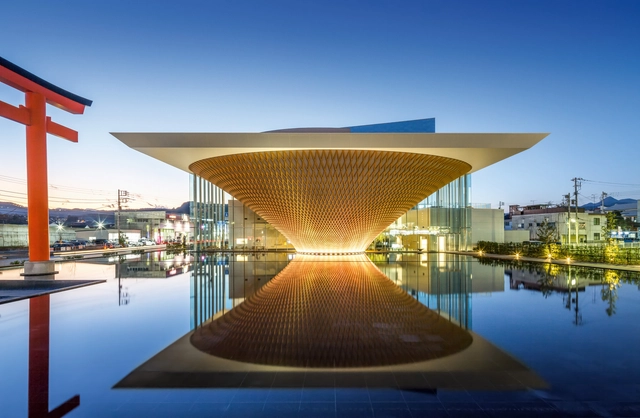
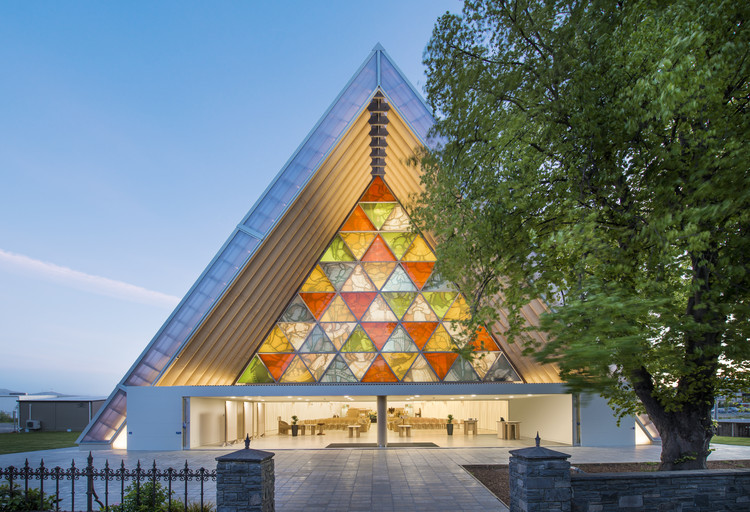
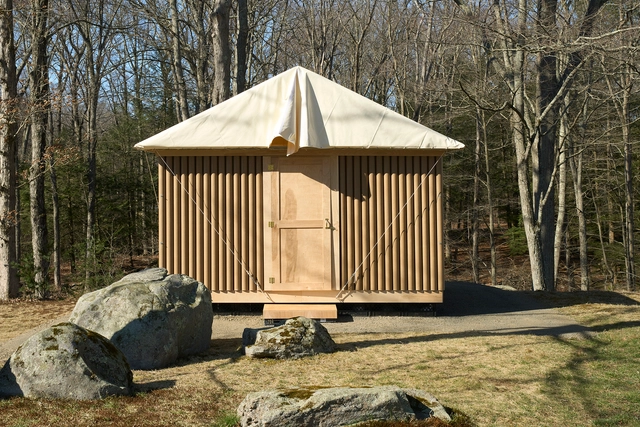
Japanese architect Shigeru Ban stands out in the architectural world for his commitment to socially responsible design, his eagerness to respond to disaster-related emergencies, and his creativity in adapting solutions to local conditions. He pioneered the use of materials such as paper and cardboard, employing them to create high-quality low-cost shelters and even community amenities such as churches, containers for creating a Nomadic Museum, and mass timber to push the possibilities of responsible design. The works of the Pritzker Prize laureate are now explored in the latest monography by Taschen, “Shigeru Ban. Complete Works 1985–Today” led by author Philip Jodidio. The multilingual edition features texts in English, French, and German, and will become available on June 14, 2024.
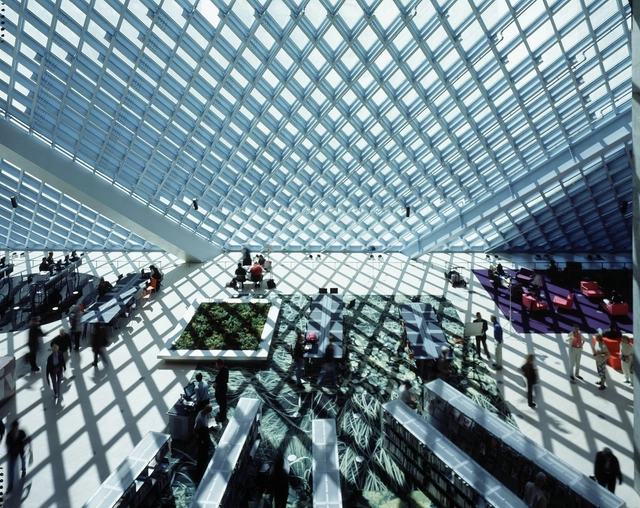
Sunlight has proven to be an excellent formgiver, with which architecture can create dynamic environments. The lighting design pioneer William M.C. Lam (1924-2012) emphasized in his book “Sunlighting as Formgiver” that the consideration of daylight is about much more than energy efficiency. Architects have now found numerous ways of implementing sunlight and the questions arises whether a coherent daylight typology could be a valuable target during the design process. However, many daylight analyses focus mainly on energy consumption.
Siobhan Rockcastle and Marilyne Andersen, though, have developed a thrilling qualitative approach at EPFL in Lausanne. Their interest was driven by the spatial and temporal diversity of daylight, introducing a matrix with 10 shades of daylight.
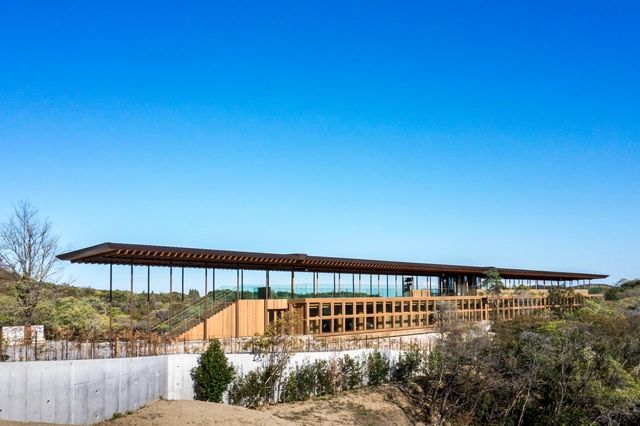
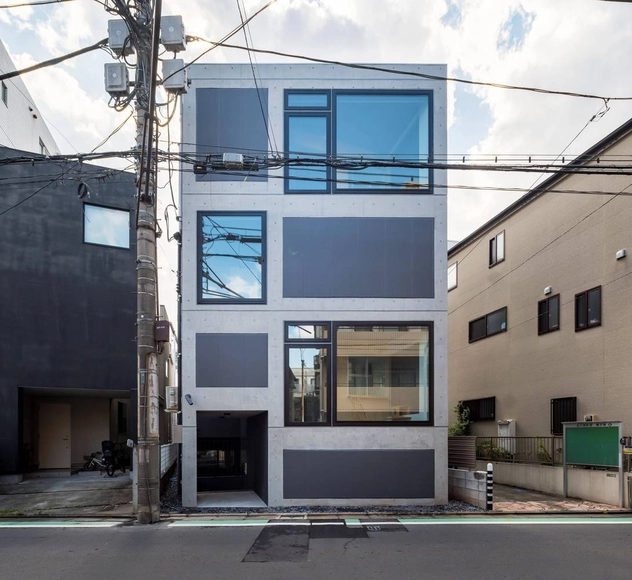

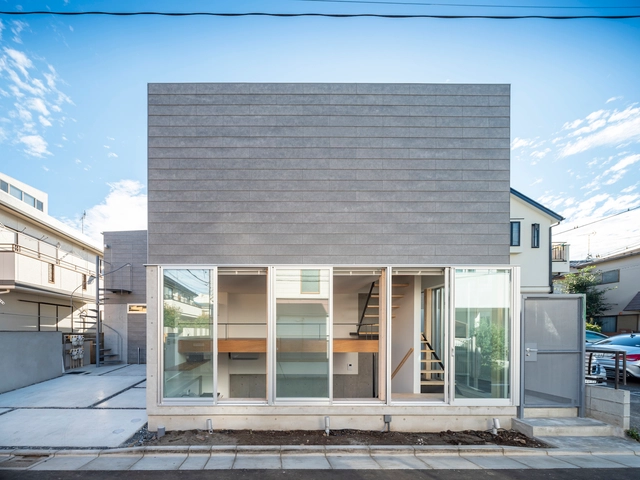
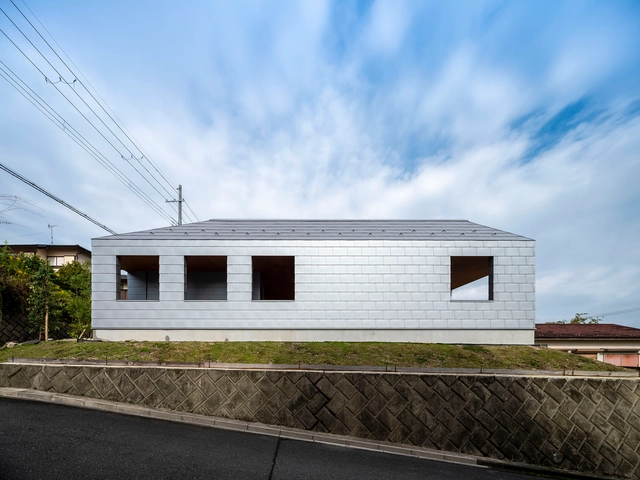
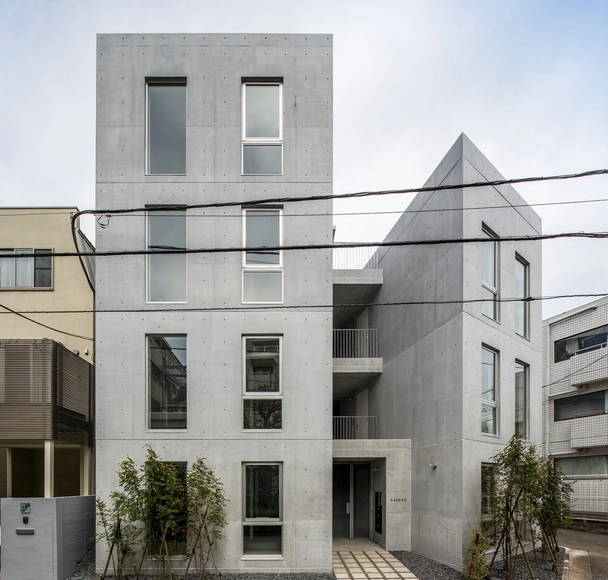

2014 Pritzker Laureate Shigeru Ban may be as well known for his innovative use of materials as for his compassionate approach to design. For a little over three decades, Ban, the founder of the Voluntary Architects Network, has applied his extensive knowledge of recyclable materials, particularly paper and cardboard, to constructing high-quality, low-cost shelters for victims of disaster across the world —from Rwanda to Haiti, to Turkey, Japan, and more. We've rounded up 10 projects of his humanitarian work, explained by Shigeru Ban Architects themselves.
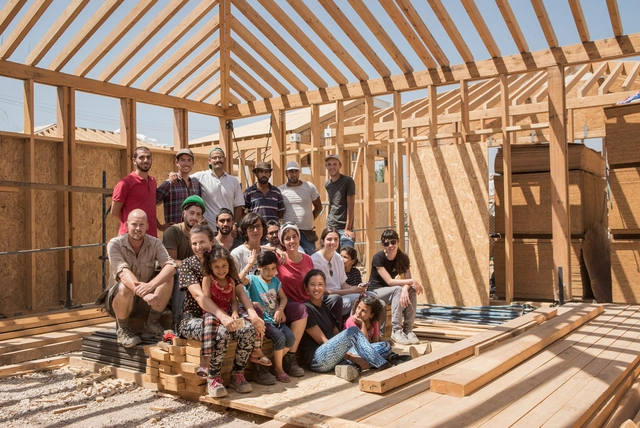
For the past few months, the architecture community has been trying to bring its contribution to the fight against the pandemic. The global spread of this crisis might have triggered a coordinated, and thus a more visible effort, but this isn’t the first time professionals step up in crises. Over the years, natural disasters and emergencies have determined several architects to get involved in disaster relief initiatives, as well as a wide range of humanitarian actions. In this article, we take a look at different occasions various architects and practices made a significant contribution to, helping affected communities overcome hardship.
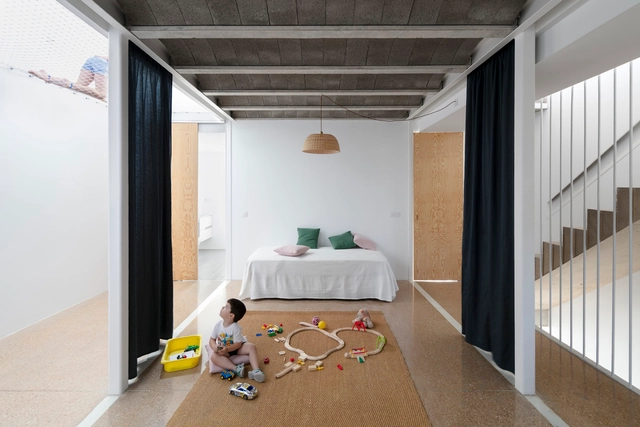
Over the past few decades, interior spaces have become increasingly open and versatile. From the thick walls and multiple subdivisions of Palladian villas, for example, to today's free-standing and multi-functional plans, architecture attempts to combat obsolescence by providing consistently efficient environments for everyday life, considering both present and future use. And while Palladio's old villas can still accommodate a wide variety of functions and lifestyles, re-adapting their use without changing an inch of their original design, today, flexibility seems to be the recipe for extending the useful life of buildings as far as possible.
How, then, can we design spaces neutral and flexible enough to adapt to the evolving human being, while still accomplishing the needs that each person requires today? An ancient element could help redefine the way we conceive and inhabit space: curtains.




.jpg?1615940021&format=webp&width=230&height=230&crop=true)