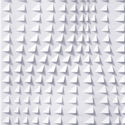
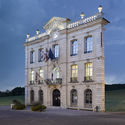
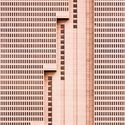
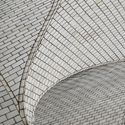
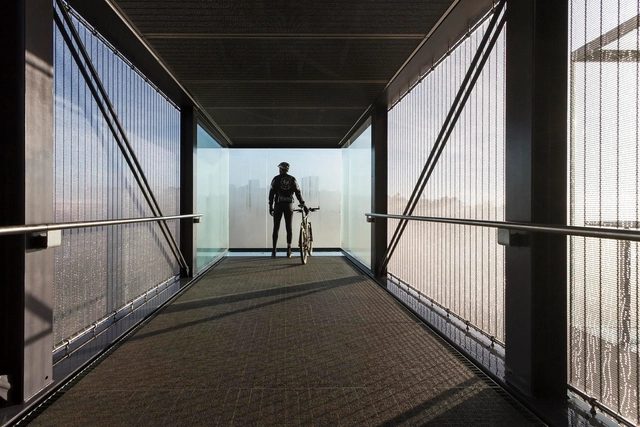
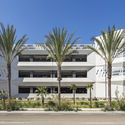
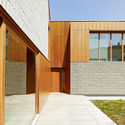
Denver Botanic Gardens / Burkettdesign. Image Courtesy of Swisspearl
At the start, train cars stand ready with cement and bales of fibers. A machine processes the mixture layer by layer into panels of the desired size and thickness. However, some specific production knowledge must be considered in the manufacture of the building material. Marco Ziethen, Swisspearl’s head of production technology, explains us the fabrication process of fiber cement.
Courtesy of Tsimailo Lyashenko and Partners, by MIR
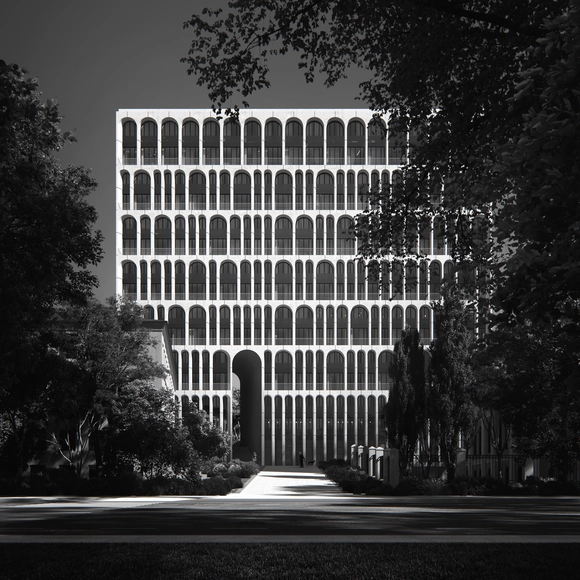
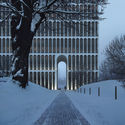
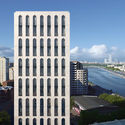
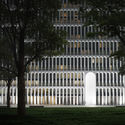
Architectural bureau Tsimailo Lyashenko and Partners have unveiled their concept for "Brodsky", a new residential building on a high-density plot in the central district of Moscow. Situated along a river embankment, the scheme seeks to create a strong functional and visual connection between itself and the surrounding context.
The 14-story scheme named after the famous Russin poet seeks to enhance the public realm by creating a courtyard with a pedestrian alley, weaving around the scheme’s arch façade to connect with the embankment. The positioning of the courtyard alley also establishes a new visual experience not currently realized: a two-point perspective from the courtyard to the river.
Zinc is a natural element extracted from ores. Its symbol, which appears in the dreaded Periodic Table, is Zn. Through a metallurgical process of burning its impurities (reducing zinc oxide and refining), it assumes a much more friendly appearance, and later becomes the sheets, coils, and rollers used in construction. The main characteristic of this material is its malleability, which allows it to be worked easily, allowing to cover complex forms in facades and roofs of buildings.
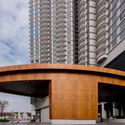
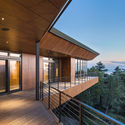
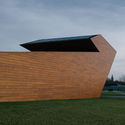
Since its discovery in 8700 B.C., copper has been one of the most used metals in the history of humankind. It has a variety of uses from coins and weapons to statues and even architecture. One of its first architectural uses was in Ancient Egypt for the massive doors of the temple to Amen-Re at Karnak in 300 B.C.
The versatility of the material continues in architecture to this day, allowing for a variety of unique designs and uses. The innovative, efficient, and lightweight material is versatile in its use, ranging from facades to roofs, interior applications, and high tech solutions. Sustainable in its natural form, the material is 100% recycled. As the state of architecture becomes more focused on sustainability, copper becomes the ideal material for the buildings of today.
Below, we’ve selected 7 projects that use architecture's original bling.
https://www.archdaily.com/907537/copper-facades-architectures-original-blingMartita Vial della Maggiora
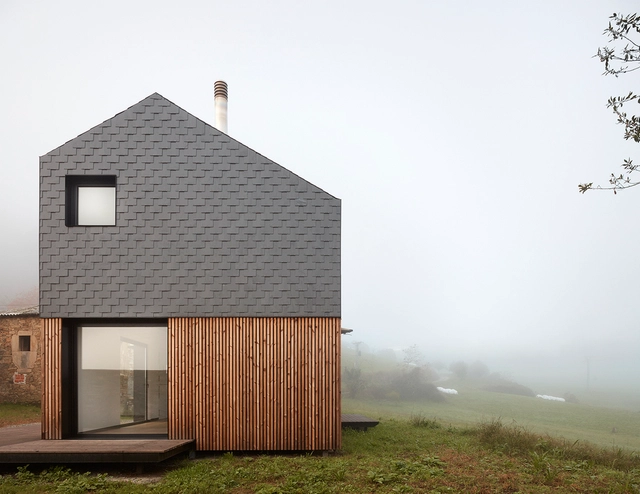
Slate is a mineral product, completely inert and ecological, with a simple and efficient production process. It is one of the most versatile natural products, adapting to any project as a coating material, from roof to floor and façade.
It is resistant to extreme temperatures, with a lifespan of 100 years and a high impermeability, slate guarantees a reliable performance in any climatic condition. Its diversity in shapes, sizes, and textures allow for a multiplicity of combinations inviting architects to awaken their creative side.
We've compiled a list of 7 exemplary homes that have used slate as a wrapping material.
Surely every architect has wondered how the fluid but complex forms of the architecture of Zaha Hadid Architects are brought to reality. And it's beautiful to see how an initial conceptual idea –probably drawn as a quick sketch– materializes in precise and detailed planimetric drawings.
We have compiled a series of construction details from 9 projects developed by Zaha Hadid Architects that give insight into her distinct style and approach, showing us that, with a little ingenuity and a lot of expertise, even the most impossible-seeming dreams can be built.
Recently, a new trend in architecture has emerged: Several of the latest projects highlighted by ArchDaily, including some winners in the Building of the Year Awards, are using permeable facades as an attractive option for their exterior finishes.
In recent years, social media (especially Instagram) has become an extremely important tool in the field of architecture. Instagram has become the go-to visual platform for showcasing a wide variety of architectural typologies and styles, city views, and stunning edifices that often go unnoticed. While these buildings may seem ordinary to the everyday passerby, they become objects of art for not only architects but those who stop to take notice of their design.
Below we have selected 13 Instagram accounts dedicated to highlighting facades and walls from around the world, showcasing the diversity of our cities.
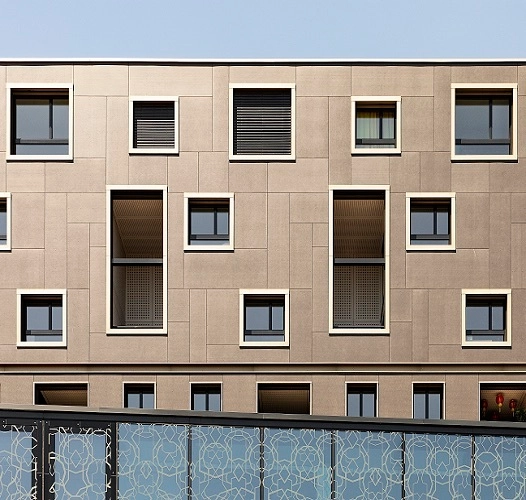
Innovative and sustainable products made of natural raw materials, such as the new large size façade panels Texial, are borne of ingenuity and expertise. The fine surface structure gives the appearance of a fabric and is always one-of-a-kind because it is embossed by hand.
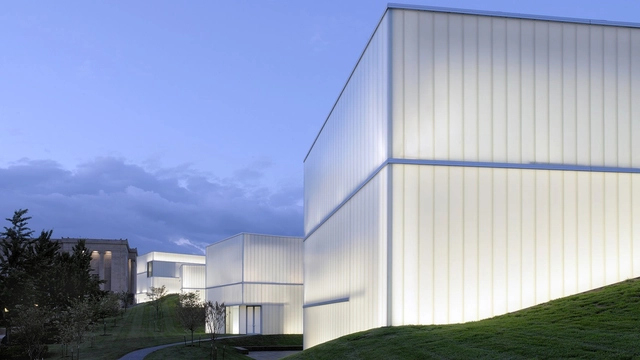
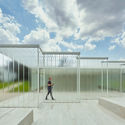
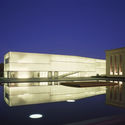
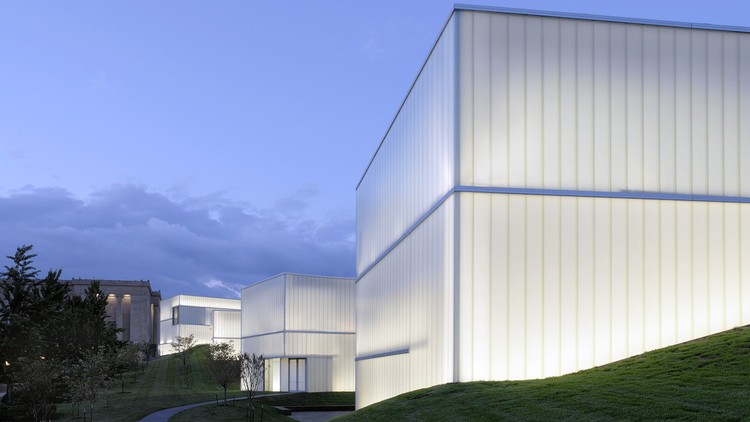
Recurrently we see how architects opt for translucent facades to create the envelopes of their buildings, promoting the entry of a large amount of natural light, while simultaneously controlling it during the day. Illuminated during the night, many of these projects can be seen in the dark, appearing as lanterns or lighthouses for their neighbors and community. Being exposed to changing conditions – day or night – to choose the right material, it's necessary to study in detail the orientation and location of the building, the pre-existing context, and the configuration of the interior spaces.
We present a system of glass panels that allow buildings with this type of façade –spanning from floor to ceiling without interruptions – with minimal frames and different colors, textures, thermal and acoustic performances.
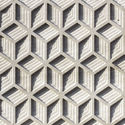
Anoma, headed by EDIDA-winning Indian artist Ruchika Grover, is a product design studio that explores the potential of natural stone. Its surfaces, sculptures, and installations, are created through a unique process, which combines digital manufacturing and traditional hand craftsmanship.
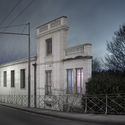
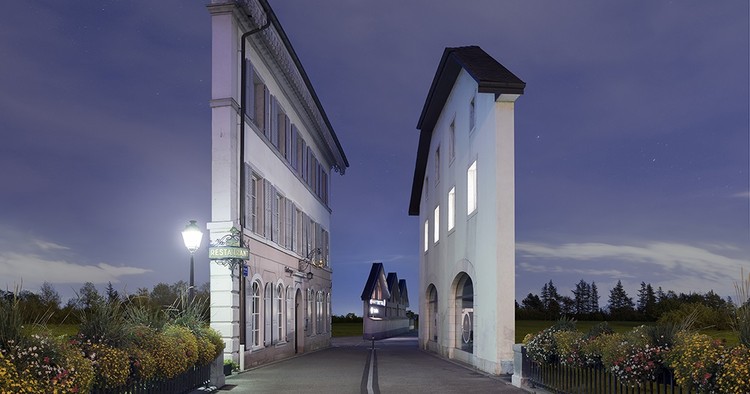
In his ongoing photo-series "Façades," French photographer Zacharie Gaudrillot-Roy a series of images in which he removes the mass and depth of buildings, and leaves behind the mere fragments of exterior skin. The photos, which resemble deserted Hollywood sets, illustrate roadways, towns, apartment complexes, and other environments without giving away the ideas of anything beyond the superficial image of the facade—leaving much to the imagination.
In his ongoing study, Nikola Olic - a Serbian photographer based in Dallas, Texas - focuses on “architectural photography and abstract structural quotes that reimagine their subjects in playful, dimensionless and disorienting ways.” Often isolating elements of a facade, which obscures the viewer's sense of scale and perspective, Olic provides short descriptions of each image, acting as a “demystifying tool” and reminding us of the everyday nature of his subject matter. In the third collection shared with ArchDaily, the photographs are taken in Dallas, Fort Worth, Las Vegas, New York, Los Angeles, Long Beach, and Hong Kong.
As architects, we all have a 'thing' for walls, windows, and everything in-between. The aptly named Instagram account @ihaveathingforwalls celebrates the beauty of walls—the peeling, the painted, the colorful, the dilapidated. As a curated selection of submissions from their followers, the page displays photographs of walls from Warsaw to Hong Kong; snapshots of beauty from everyday life.
Take a tour of walls across the globe below, and feel inspired to pay a little more attention to the surfaces around you:
In buildings where openness, brightness, and outward views are highly valued by the users of our projects, glass predominates as an exterior cladding in cities all around the world. This forces us to look for options that can manage the excess of solar radiation and maintain thermal comfort in all seasons, without obstructing the views or darkening the interior spaces.
Prefabricated metal meshes provide certain qualities and flexibility that can work well in conjunction with glass; here we present 8 tips to work with this material and take advantage of its potential.
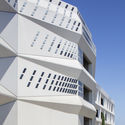
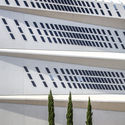
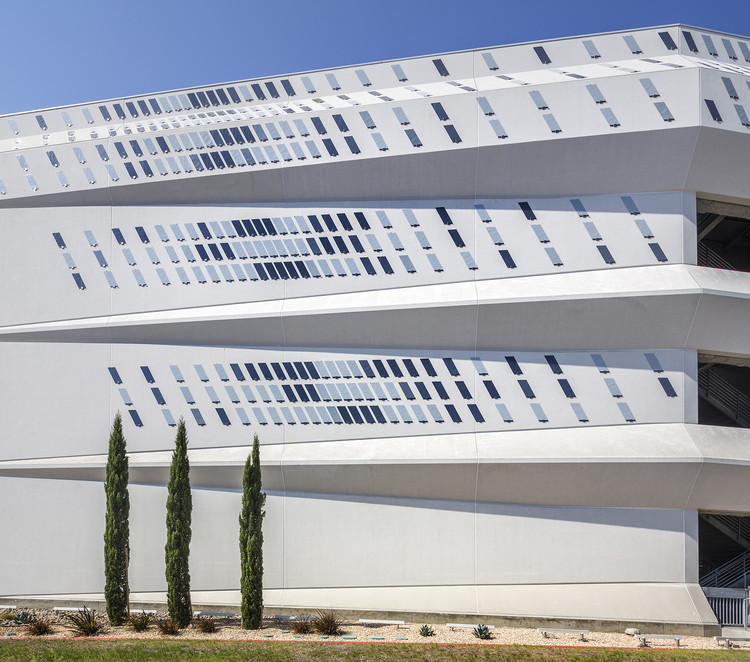
San Diego Airport has unveiled their permanent interactive artwork DAZZLE on the Airport’s Rental Car Centre commissioned by San Diegos County Regional Airport Authority, that features the debut of E Ink's revolutionary prism technology on a large architectural scale. The installation has been designed to manipulate the form of the façade using inspiration from the World War I military technique “razzle dazzle” that camouflaged the outlines of ships. This phenomenon of visually scrambling the shapes to hide from being spotted can be witnessed in nature too, as the stripes on a zebra equally become an optical illusion to disrupt the predator’s perception.
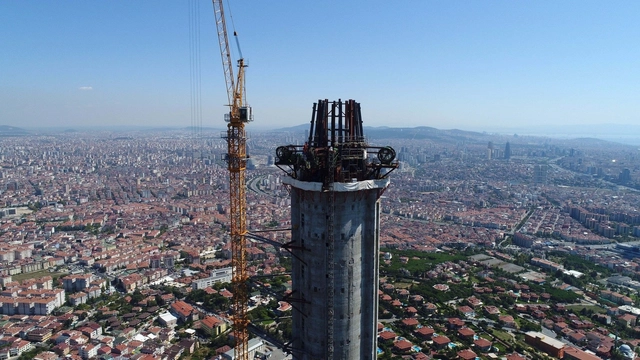
Construction continues on the undulating, futuristic 365 meter-tall Küçük Çamlıca TV (KCTV) Tower which is designed by MELIKE ALTINISIK ARCHITECTS in Istanbul, Turkey. The new telecommunications tower will replace several drab structures currently in use and support an estimated 125 broadcasting transmitters—becoming the tallest edifice in the city.
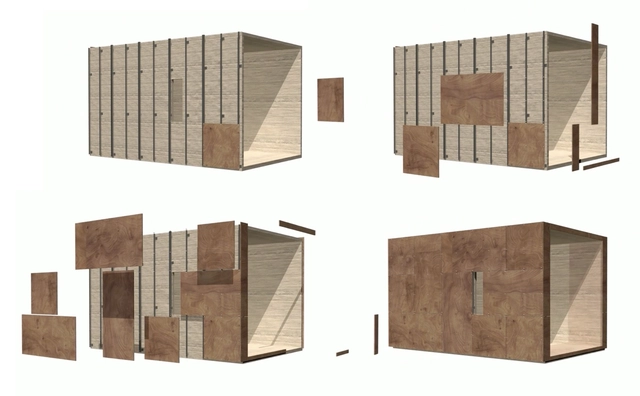
This vertical cladding for facades is a high-density laminated panel, composed of a core of paper fibers -compressed at high temperature and pressure- and an outer coating highly resistant to weathering and UV radiation. The wood used in the panels has been treated with Everlook®, a component that - without the need for maintenance - extends the useful life of the panel and the stability of its color regardless of weather conditions.
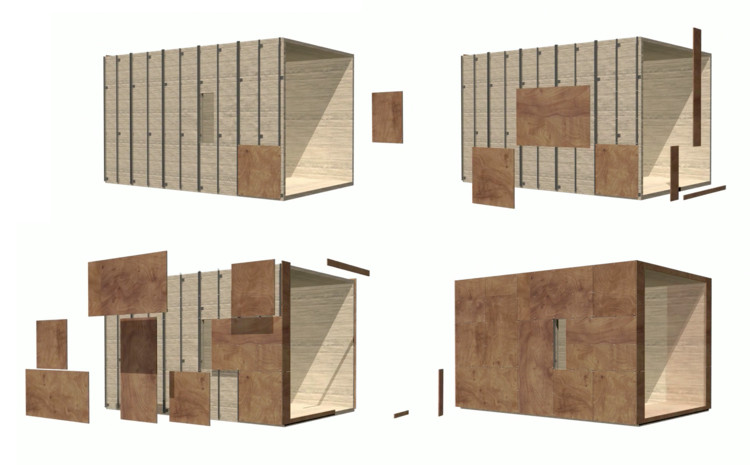
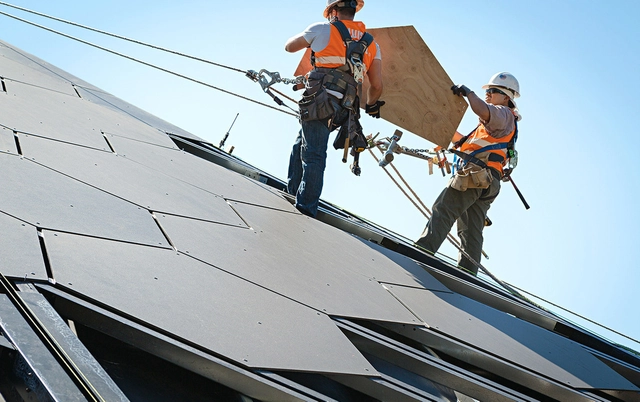
To generate a ventilated facade with these panels, each unit must be installed on vertical profiles, producing an uninterrupted airflow behind the panel. Here's how to do it.









.jpg?1540932376&format=webp&width=640&height=580)

.jpg?1540930206 "MAXXI Museum / Zaha Hadid Architects. Image © Iwan Baan")

.jpg?1540932376)





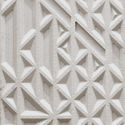
.jpg?1532965749 "Foliage / Monstera. Image Courtesy of Anoma")