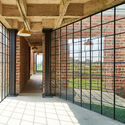
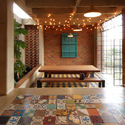
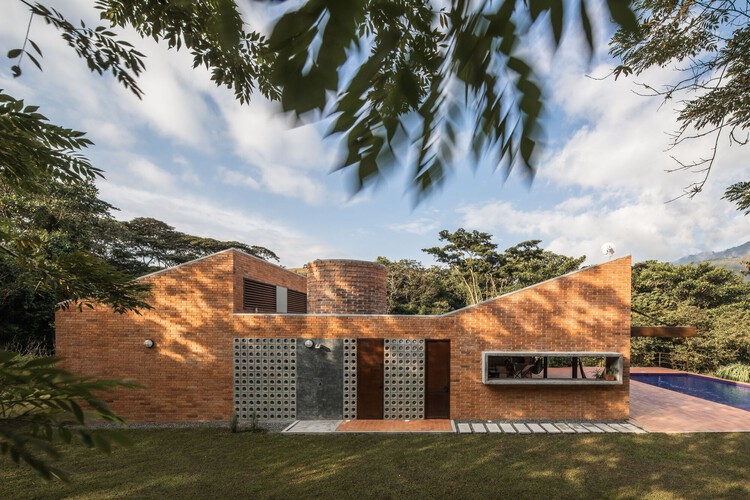
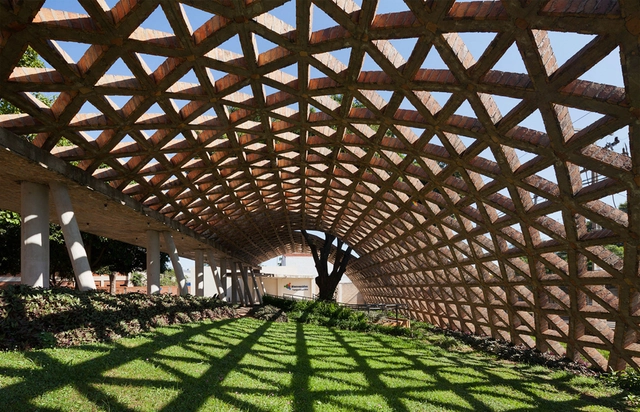
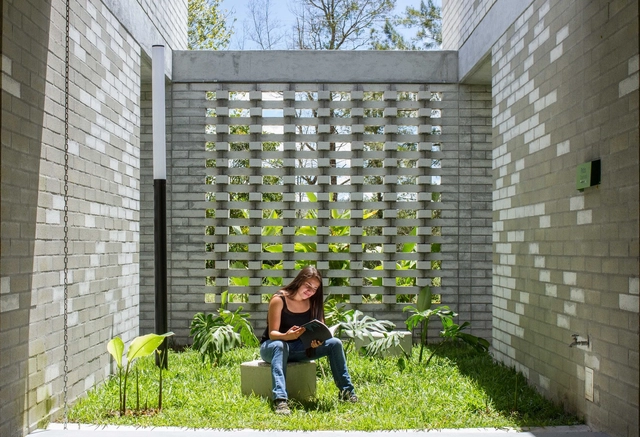
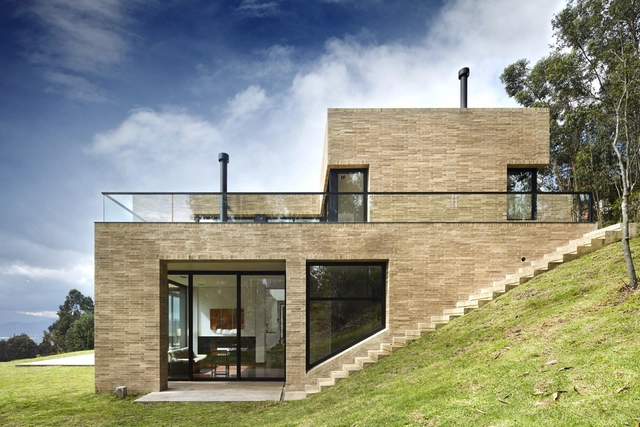
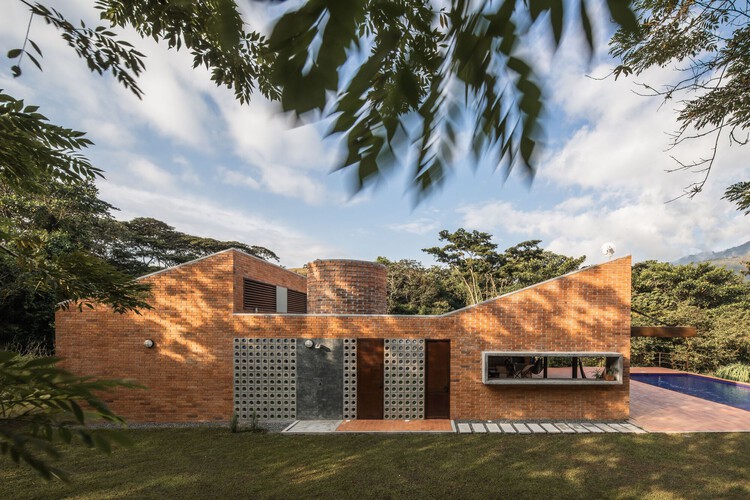
Brick is one of the most widely used materials in Colombia, helping local architecture stand out globally. This prominence is due to the exceptional quality of the clay found in several regions of the country. Beyond cladding the majority of the buildings that define Bogotá's urban landscape, the material is used in all its forms, from adobe to floor tiles in rural homes.
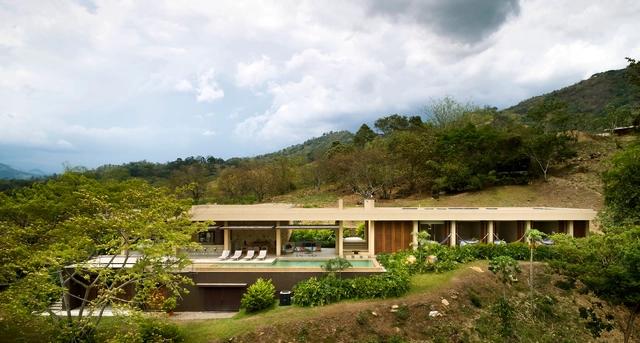
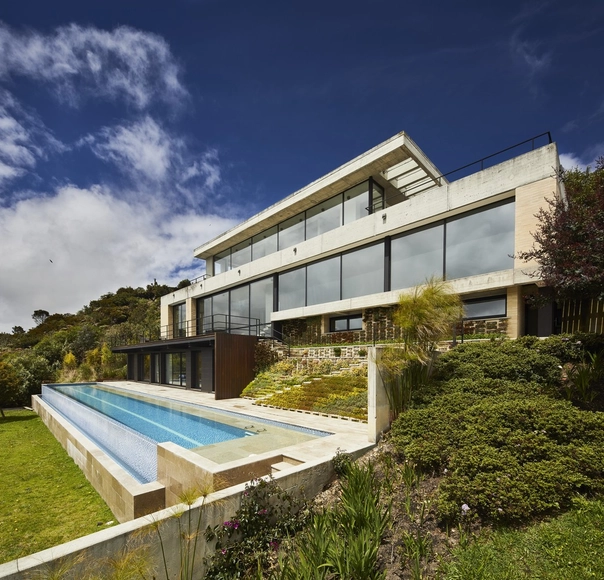
Water is one of the non-architectural elements most frequently used to complement design, harmonizing atmospheres and the overall experience of living. This can be achieved through reflecting pools, basins, fountains, or swimming pools. In tropical climates, it becomes a key tool that consolidates the architectural program, gathering spaces together and inviting residents to socialize around the pool.
Within residential spaces, architects choose to give more or less prominence to certain areas of the program, depending on client preferences. While some prefer to prioritize more intimate spaces, others lean toward social areas—with the kitchen being a primary example.
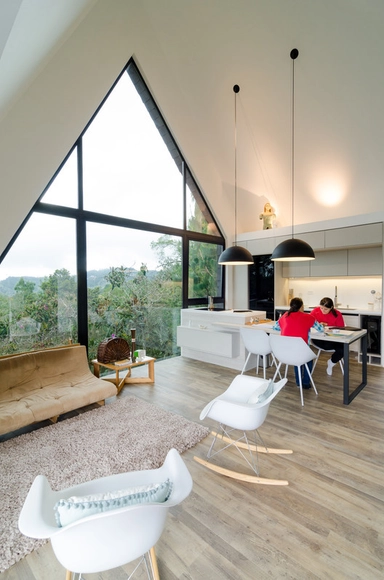
Although the pragmatic function of a kitchen is to serve as a space for preparing food, there are few homes where it does not also double as a gathering place. Even in traditional dwellings like the Mapuche *ruka*, a central hearth is used both for cooking and for heating, conceptually evoking the same welcoming atmosphere as integrated urban kitchens. Today, fire is managed through stoves—with a strong modern shift toward induction cooktops for their safety and precise temperature control. Nevertheless, the core domestic principle remains the same, and contemporary architecture has allowed the kitchen to once again integrate seamlessly with daily activities and social zones.
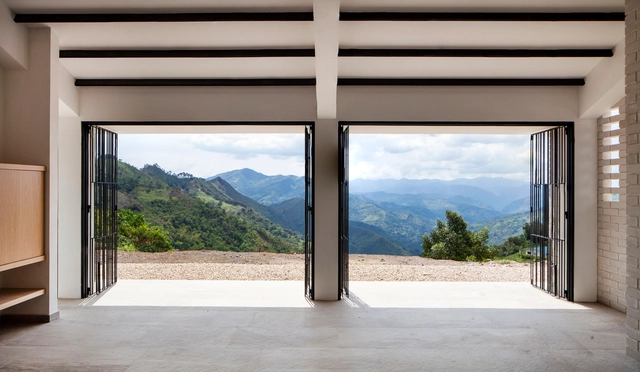
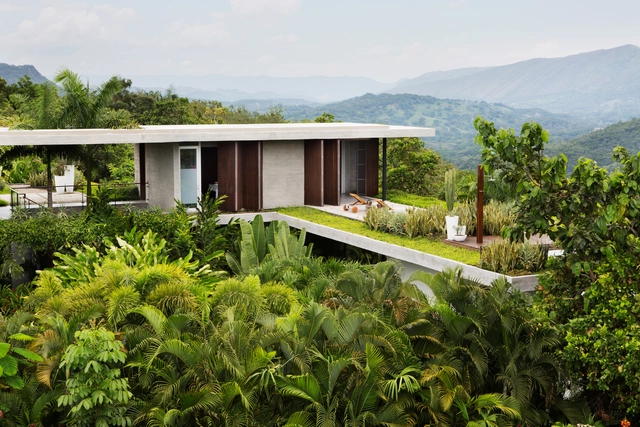
Colombia boasts an immense variety of thermal zones that create breathtaking landscapes and dreamlike natural environments. Its flora and fauna vary distinctly depending on region, altitude, and humidity. For architectural practices designing Colombian homes, the natural context is a constant source of inspiration, ranging from incorporating vegetation as interior architectural elements to framing nearby landscapes. When designing spatial perception—whether from within or without—nature is an undeniable component of these projects.
Temple of Ashes and Crematorium / Juan Felipe Uribe de Bedout + Mauricio Gaviria + Hector Mejía. Image
2018 has been a special year for ArchDaily in Colombia: not only did we celebrate the first three years of our local site in Bogotá alongside prominent architects, and are now poised to set a new annual traffic record, but we also launched ArchDaily Colombia's Instagram account—which, thanks to you, has already reached 10,000 followers in just six months.
To wrap up this great year, we have selected the most popular projects—measured by total engagement, excluding reposts—on @archdailyco:
Our partner Vidrio Andino has shared valuable insights into the world of glass with us, helping us better understand how the material behaves and guiding us in choosing the right glass for our architectural projects.
From A to Z, read on to discover why thermal shock should be avoided, what solar factor actually means, and exactly what tempered glass is.
In interior design, striking a balance between aesthetic style and the functional needs of a project is essential. In this regard, it is fascinating to see the diverse solutions that Colombian architects and designers have recently proposed. We have selected eight local projects that demonstrate a compelling balance between functionality and aesthetics in interior design.
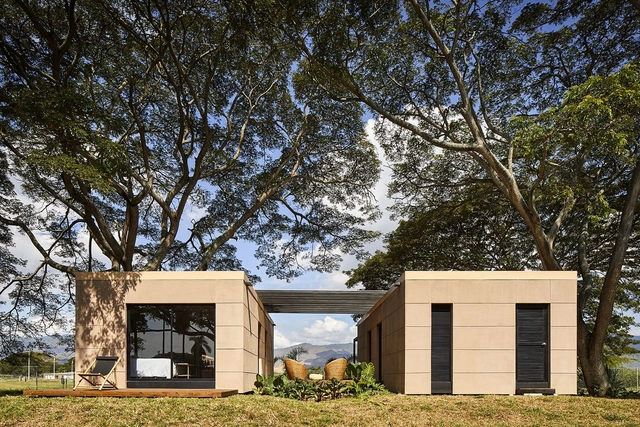
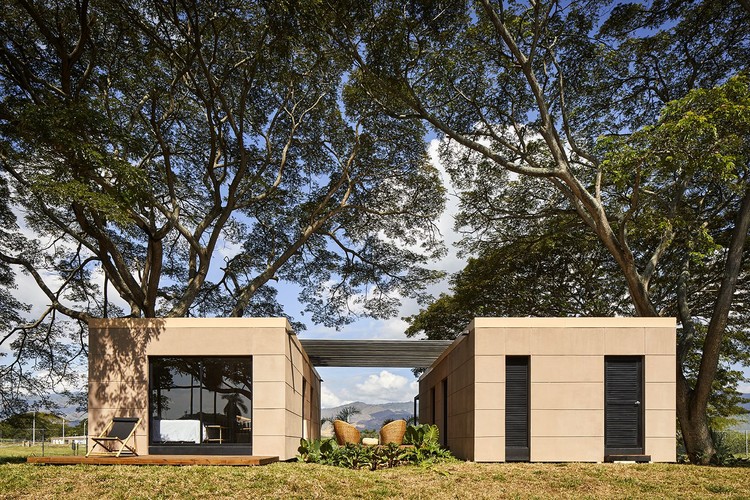
How can industrialization and environmental responsibility go hand in hand? What siting, technological, or constructive strategies can be developed without harming the surrounding landscape? The application of modular design in architecture has been in practice for years, with a history involving the pursuit of standardization and modular coordination among materials, products, and more. Over time, it has been complemented by various environmental, sustainable, ecological, and economic factors to achieve the adaptability and functionality desired by its inhabitants.
For houses throughout the world, the barriers between the inside and outside of houses are solid and well-defined, allowing the spaces within the home to be protected from the weather conditions outside and made comfortable for the inhabitants inside. In countries like Colombia, which sit close to the equator and enjoy a warm, subtropical climate, temperatures average just above ideal thermal comfort.
The architecture of diplomacy balances security and openness. As symbols of protection and representation, embassies are built for utility in both urban and rural contexts alike. At their core, they are also made to communicate the values and ideals of nations as welcoming structures and sustainable civic spaces. Today, modern embassy projects are made to meet rigorous security standards while embracing local culture and conditions.
The focus of buildings should ultimately be the well-being of the people using them. When we think of our experiences in hospitals, clinics, the dentist's office, and other medical facilities, the feeling is rarely pleasant. Perhaps it's the smells, the dull, monotone colors, or the sound of medical gadgets working away on some unlucky patient.
In countries where architecture adapts to the seasons, projects must respond so that they are comfortable for the users, both in the hot summer temperatures and in the cold winter. Tropical countries, such as Colombia, are a bit luckier. The temperature of construction sites depends less on the seasons and more on where they are located geographically according to the altitude above sea level; the closer they are to the sea, the warmer it is. For this reason, it is not essential to seal or insulate the interior spaces. On the contrary, the good management of constant ventilation creates a more permeable and contextual architecture.
We have put together a series of projects with different architectural programs: local markets, health facilities, cultural, education and housing projects. They show that with different construction techniques, you can begin to control the permeability, air flow, privacy or solar heat gain. Explore each of these projects below.
Brick is one of the most widely used materials in Colombia, making the architectural designs in its capital city, Bogotá, stand out worldwide. Due to the excellent quality of the clay found in some regions of the country, brick is used in all aspects of construction, from adobe floor slabs to exterior facades.