PVC, as the synthetic material Polyvinyl Chloride is called, or Polyvinyl Chloride, is one of the most produced plastics in the world, reaching 40 million tons per year. Its application is quite varied and in construction it has found different branches, serving both as an input for infrastructure and for finishing.
When talking about energy efficiency in buildings, it is inevitable to mention thermal insulation. We rarely see it in a finished building and, even in the technical drawings, the insulating layer appears as a thin hatch. But this is an element that is of vital importance, as it acts as a barrier to the flow of heat, hindering the exchange of energy between the interior and the exterior, reducing the amount of heat that escapes in winter and the thermal energy that enters in the summer. In a building with good thermal insulation, there is less need for heating to keep the house at a pleasant temperature, also reducing its carbon footprint. Currently, there are many countries that require a minimum level of thermal insulation for buildings, with increasingly strict parameters. But how should this issue be dealt with in the near future, with the worrying climate crisis forecast?
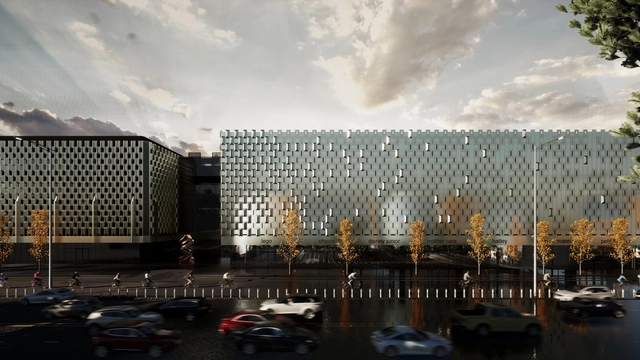
Following news of Edelburg Development's plans to completely remodel the modernist facade of Dytiachyi Svit (Kids’ World), one of Kyiv's most notable modernist buildings from the Soviet era, and replace it with an "unrecognizable" vibrant and contemporary design, members of the community and activists protested against the intervention, forcing all parties to agree on a design competition to restore the historical facade. Dmytro Aranchii Architects was selected as the winner of the competition, with a proposal that "traces the transition from the original building to the new one" in a minimalistic and recognizable stylization, preserving the original facade and complimenting it with a contemporary intervention.
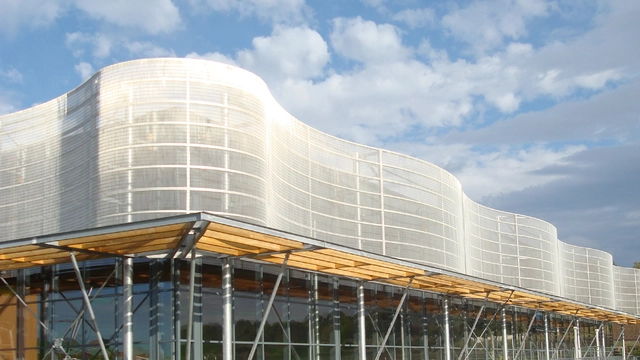
Rolling stainless steel wire mesh facade at Centre Aquatique, Vic-le-Comte, France. Image Courtesy of Haver & Boecker
From creating a new parking structure with an awe-inspiring aesthetic to retrofitting an existing building, architectural wire mesh provides versatility and durability which makes it unique from other design material options.
Façade is one of the most important factors in certain building types, that can completely transform the occupant experience and the energy performance of the building. The Whole Building Design Guide showcases that the facade can have up to 40% impact on the total energy use of the building. In addition to the energy use, the facades also significantly impact the occupant productivity withing a building and, of course, the appearance of the building. There are many factors that go into creating a high-performance façade. In this article, we outline the top 5 things a design team should consider.
https://www.archdaily.com/968327/5-things-to-consider-when-designing-a-high-performance-facadeSponsored Post
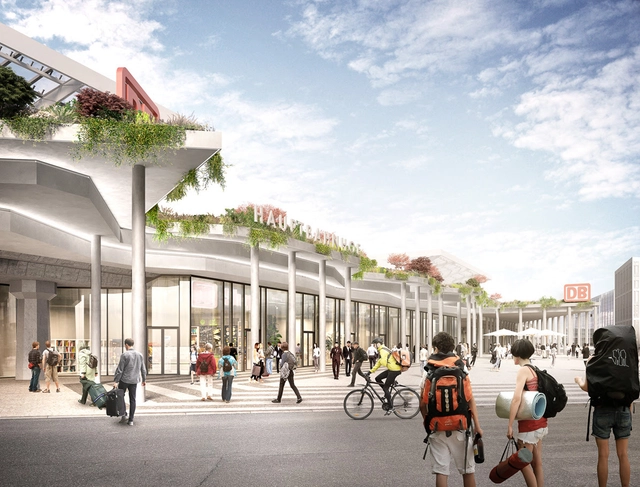
J. Mayer H. has won a competition to design the new façade of Cologne Main Station on Breslauer Platz in Germany. The design proposal frames the sides of the rail station with an all-around façade that offers an innovative use of space by making the best of the site's circulation and natural resources. The intervention will feature rooftop landscaping with local flowers and greenery, rainwater collection, protection from rain, wind, and sunlight, and a visual emphasis on the station's points of access.
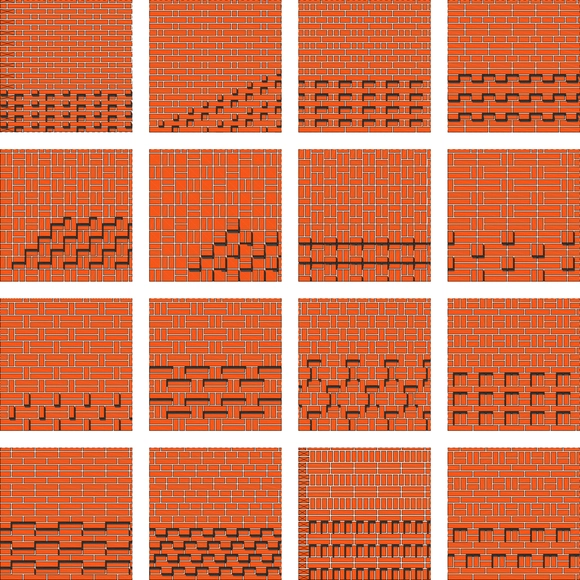
"Welcome to this strange book. With all the drawings, it might appear like a manual, but it isn't. The book is as much about joints as it is about pieces. Above all, it seeks the order that is inherent in things". These words are part of the introduction to Koen Mulder's book, "The lively surface: Masonry associations as a pattern art and tool of composition". Available in German, the 160-page manual, rigorously illustrated, presents a universe of possible pattern variations that can be created when you start designing.
We interviewed Koen to find out what inspired him to talk about this topic and to understand how he managed to gather all this information, while also figuring out the impact that this type of study can have on architecture students and architects.
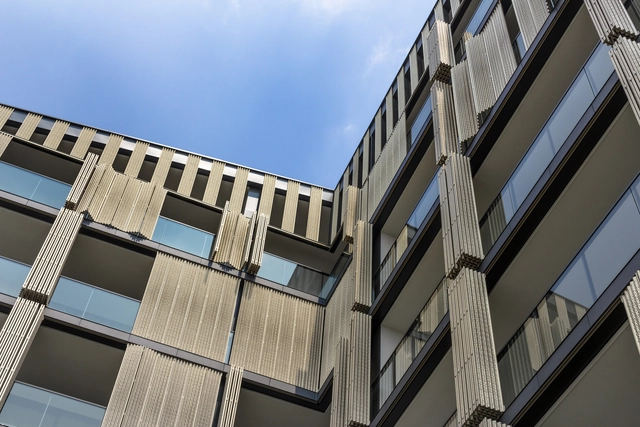
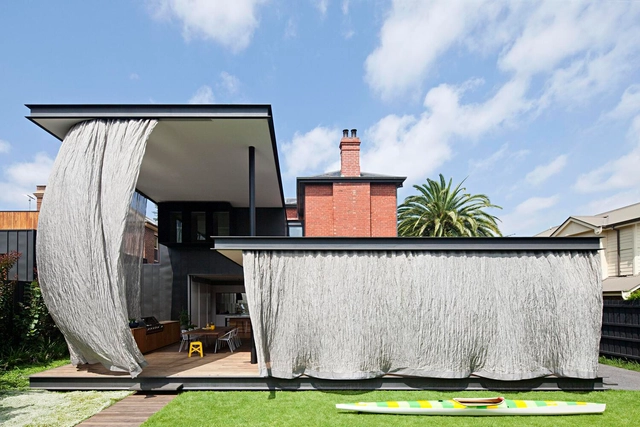
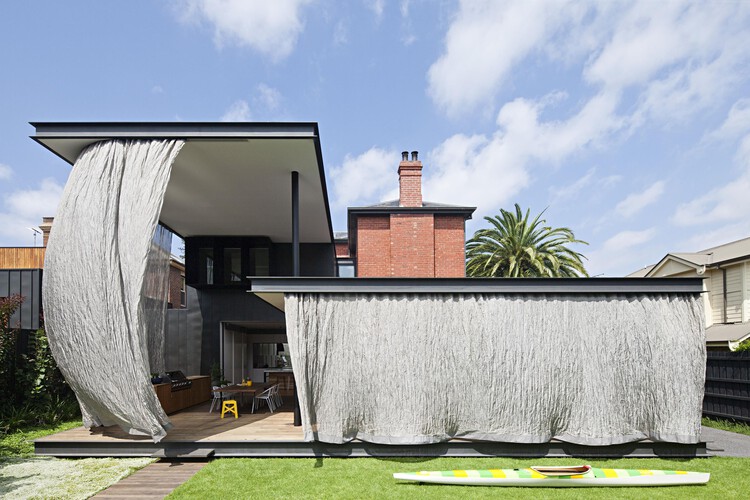
Curtains can provide a freer and more dynamic flow in architecture. These elements are usually intended to protect the interior from sunlight or create visual privacy, but they are also used as decoration or as room dividers. Since they are very movable and flexible, curtains are becoming a popular choice for architects and interior designers, creating layers between interior and exterior spaces that transform the environment through light and shade. Here, we have gathered some examples of projects that use curtains, particularly in the facades, showing how this solution can affect the overall impression of the design.
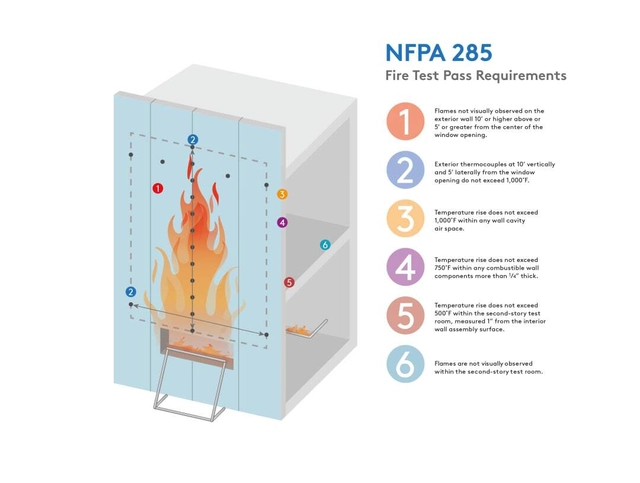
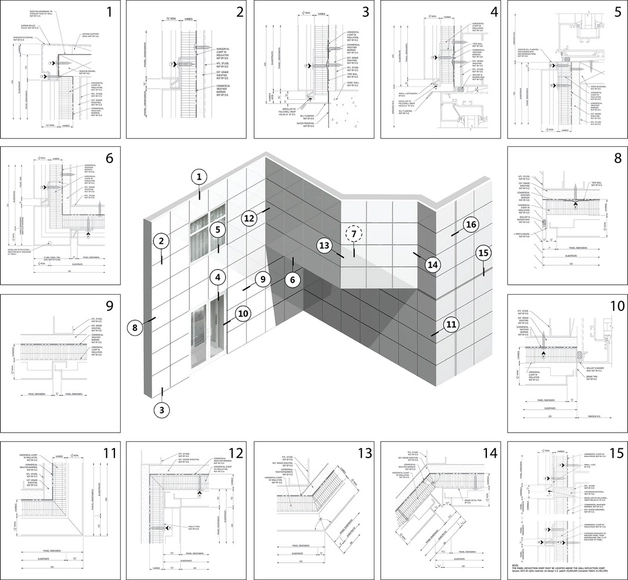
The way in which a fire evolves largely depends on the materials that constitute the building, as well as how it is designed. For this reason, there exist a number of fire safety requirements in building codes that must be followed during the initial design stages, as well as the physical construction of a building. In addition to these building codes, there are other considerations that must be taken into account such as thermal comfort, acoustics, and accessibility. When specifying a material or product for part of a building, the architect or design professional must pay close attention to meeting these demands. An example of a suitable material choice is the Insulated Metal Panel (IMP), which can have superior thermal properties, various appearance possibilities and good fire resistance.
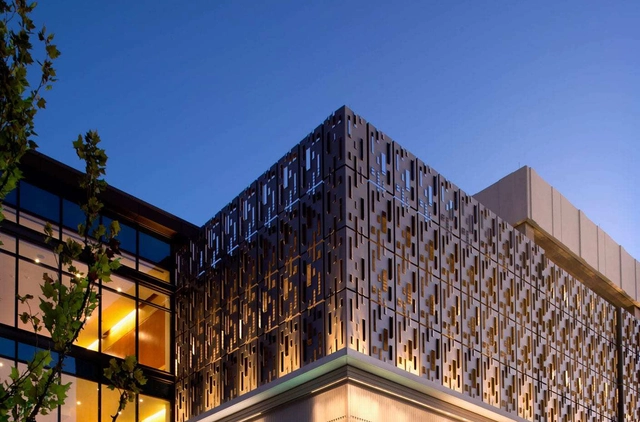
Perforated wall panels offer a variety of benefits: they can provide passive ventilation, shade, and unique aesthetics to any façade. In the case of companies like Dri-Design, which specializes in customizable and sustainable metal wall panels, perforated panels can be produced according to a wide variety of specifications, including different colors, materials, sizes, textures, shapes, and styles of perforation. Dri-Design’s perforated imaging series even allows architects to apply images onto their facades by varying the size, location, and density of the perforations.
Below, we examine three case studies of buildings using different perforated panels, considering each of their panel specifications and overall aesthetic effect on the buildings.
https://www.archdaily.com/962711/passive-ventilation-shade-and-unique-aesthetics-3-case-studies-of-perforated-enclosuresLilly Cao
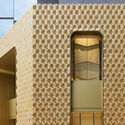
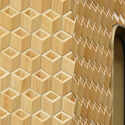
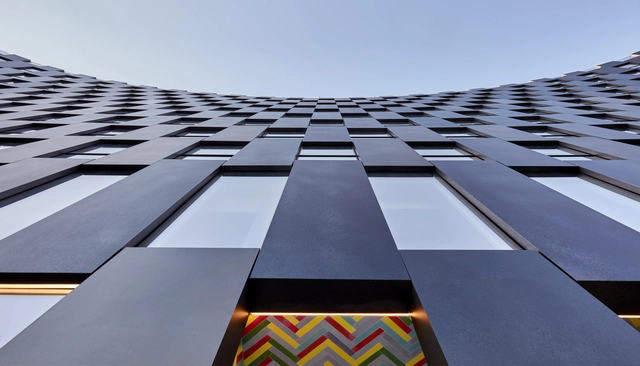
Designed by the Danish architecture office BIG-Bjarke Ingels Group, The Smile made of black blasted stainless steel extends along 126th Street in East Harlem, Manhattan. Inspired by the surface of the moon and the cultural influences of the city district, the T-shaped building fits seamlessly into the surrounding red and brown brick buildings. The interlocking chessboard-like facade panels were manufactured in Cologne, Germany by POHL Facade Division. Flanked by room-high windows, The Smile aims to reflect sunlight and amplitude into the daily lives of its residents.
In today's climate, energy and how we use it is a primary concern in the design of built spaces. Buildings currently contribute nearly 40% to global carbon emissions and with a projected growth of 230 billion square meters in construction before the end of 2060, the focus on construction decarbonization efforts should be paramount.
The façade is one of the most important elements in an architectural project. In addition to being the building's first barrier against heat, rain, snow, or wind, it also largely determines the appearance of a building. It can make the project stand out, blend into urban context, or even manifest, at first glance, values of transparency, lightness, or simplicity that the architect seeks to convey. Accordingly, the façade also constitutes a significant portion of the total cost of the work and, therefore, must be specified very carefully, taking into account aesthetics, functionality, maintenance, and long-term behavior.
https://www.archdaily.com/948461/single-skin-metal-panels-construction-tips-and-details-for-building-envelopesSponsored Post
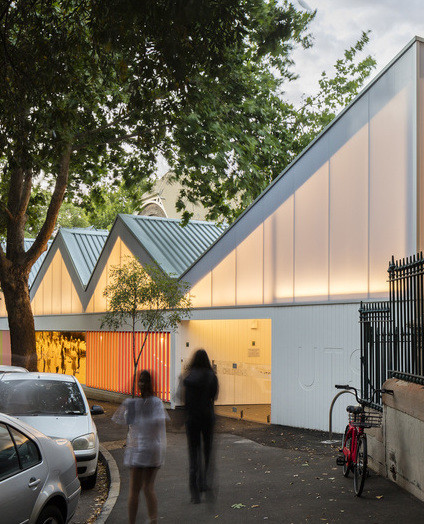
Polycarbonate has become an alluring alternative to glass in facades, as it has different levels of translucency and can provide optimal transmission and diffusion of light. Moreover, it is light, flexible, recyclable, durable, resistant to impact, and includes UV protection, in addition to resisting temperatures between -40°C and 115°C. But beyond its functional properties, this thermoplastic also provides wide-ranging aesthetic opportunities, allowing architects to create unusually dynamic and expressive facades.
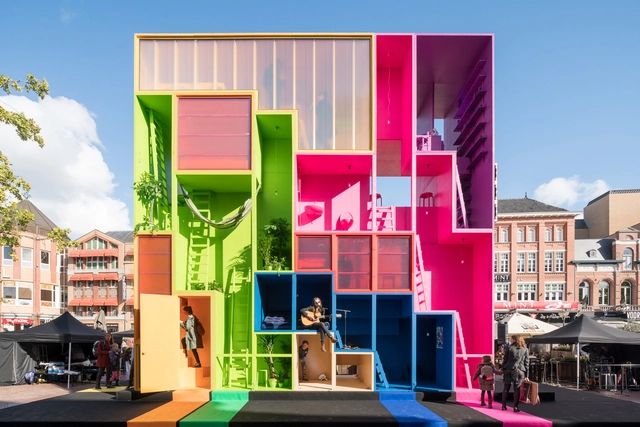
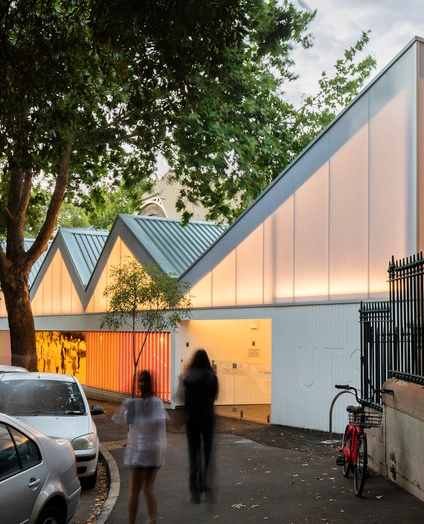
Composed of microcell panels, polycarbonate offers various solutions for the use of natural lighting in architectural enclosures. Whether applied to facades, interior spaces or roofs, the benefits of polycarbonate, such as lightness, clean lines, colored panels, and light effects, offer a wide range of design freedom. Microcell panel technology reduces the need for artificial light and favors uniformity in the diffusion of natural light, achieving energy efficient facades and the illusion of spaciousness in interior spaces. Below, we've selected 10 projects that have used polycarbonate as a wrapping material.
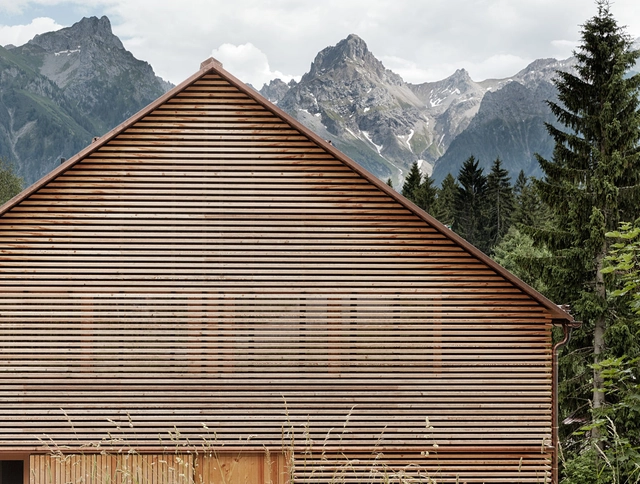
When designing the Nordic Pavilion in Venice, Sverre Fehn incorporated Nordic architectural elements in unusual ways. One of the most attention-grabbing elements of the building is its laminar roof cover of white concrete, which is broken by trees planted inside the building blocking the sun's rays and filtering the light. Depending on the angle, the roof blades allow visitors to see the colors of the sky and the canopy of the trees, bringing dynamism to the pavilion's lighting and movement. In fact, the use of parallel slats on facades, walls, and roofs is a tradition that comes from Nordic architecture and has spread throughout the world. In this article we will cover some examples that use this element, including its variety of possibilities and the best ways to amplify their effect.
Now that we’re all spending much more time inside due to the pandemic, we’ve had a chance to truly understand and appreciate the significant impact that windows can have on a space. Views, sun angles, and orientation of windows are all important considerations when designing a new building - and as pleasant as it is to have a connection to the outdoors, windows can also cause issues like glare and heat gain. Of course no one wants a building with windows only on one side or to have the blinds shut constantly to be able to see their computer screen, so one versatile architectural solution is to shade windows using architectural wire mesh.






.jpg?1630568377 "Courtesy of Bloomimages")
.jpg?1630568367 "Courtesy of Bloomimages")











.jpg?1603825674&format=webp&width=640&height=580)