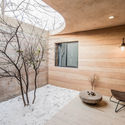
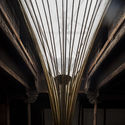
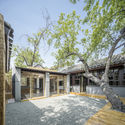
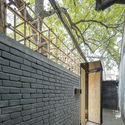
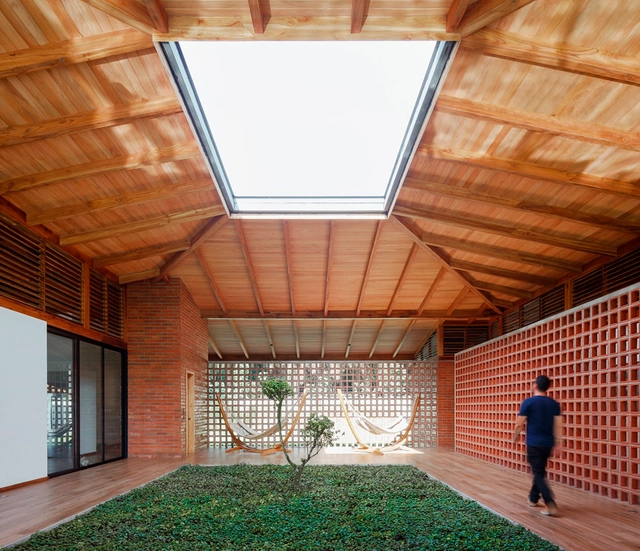
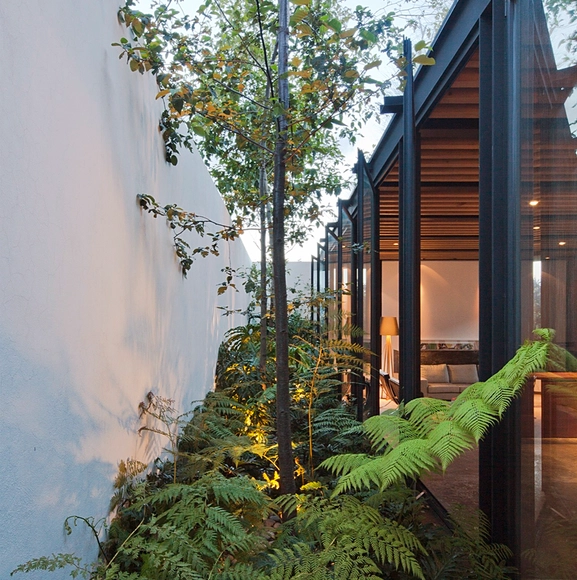
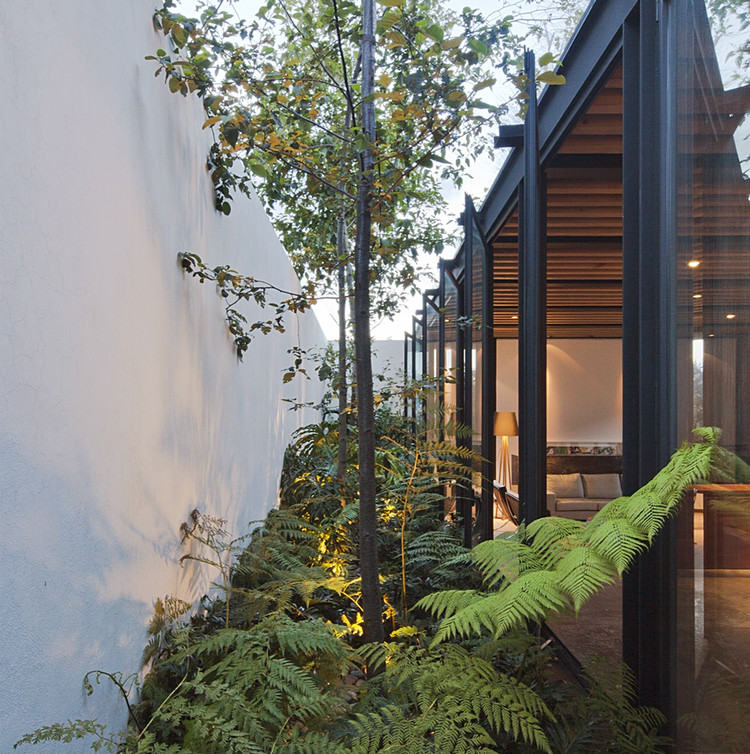
Being a region characterized by its wide variety of landscapes, biodiversity and thermal floors, the design of interior patios in Colombian homes accompanies the living, resting, access, and circulation spaces, being, on many occasions, protagonists and a source of contact with the surrounding nature.
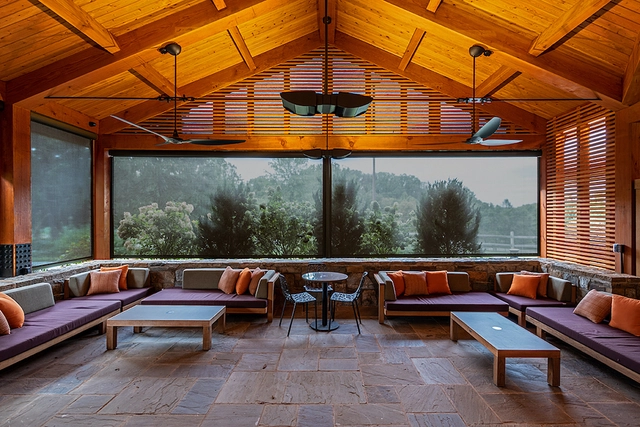
Wolf Trap National Park for the Performing Arts – Vienna, Virginia | FlexShade® ZIP | Dealer: Goodwin Bros. Shades and Specialties | Photographer: Alan Wycheck – alanwycheckphoto.com. Image Cortesia de Draper
Comfortable outdoor spaces are more desirable than ever. Over the past couple of years, people have been spending more time at home, connecting with nature from the relative comfort of covered balconies, patios, and pergolas. But even with pleasant views, cooling breezes, and the warmth of the sun, covered outdoor spaces can be uncomfortable. Temperature variations, glare, rain, and wind quickly create an unpleasant experience. In warmer climates, insects can be an additional a nightmare.
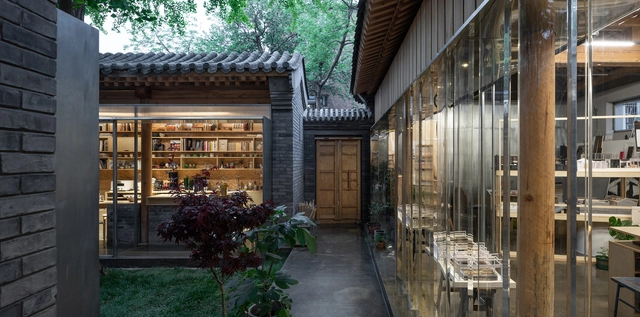
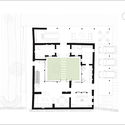
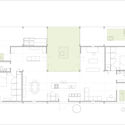
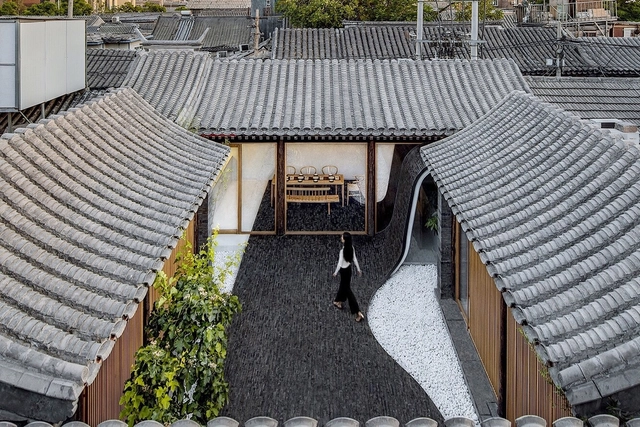
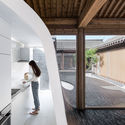
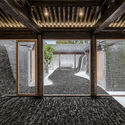
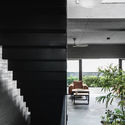
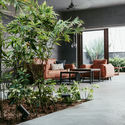
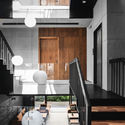
Titled "Yuan-er, a Courtyard-ology: From the Mega to the Micro", the Chinese pavilion at the 17th International Architecture Exhibition – La Biennale di Venezia answers the question of how architecture can contribute to equality, connectivity and unity by resorting to familiar Chinese residential typologies. Curated by Zhang Li, the pavilion will be on display from May 22nd to November 21st, 2021.
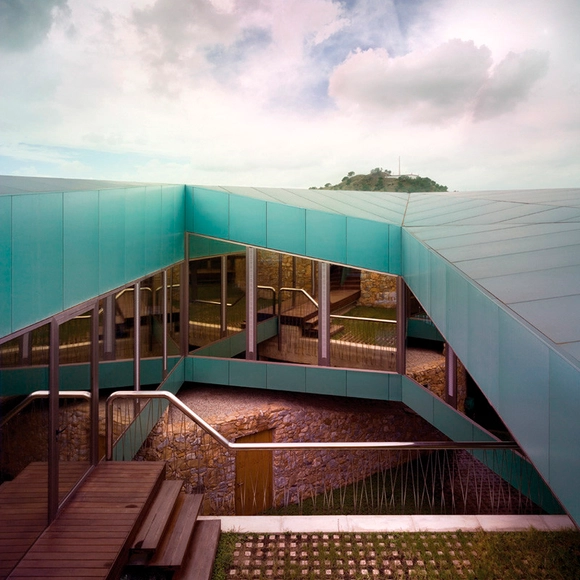
The distribution of natural light, improved ventilation, and the propensity to connect living spaces with the outdoors while maintaining the privacy of the inhabitants have made courtyards a go-to in architectural design around the world over the centuries.
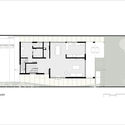
Courtyards are characterized as outdoor or semi-outdoor spaces that are enclosed within the walls of a house or building.
Inner courtyards and gardens can provide many benefits, such as natural light, better ventilation, and increased contact with nature without losing privacy.
Patios and gardens play a crucial role in a project's planning and layout. In some instances, they serve as organizing elements while in others, they improve the quality of life in a space by providing light, ventilation, and a connection to the outdoors while maintaining the privacy of the inhabitants.
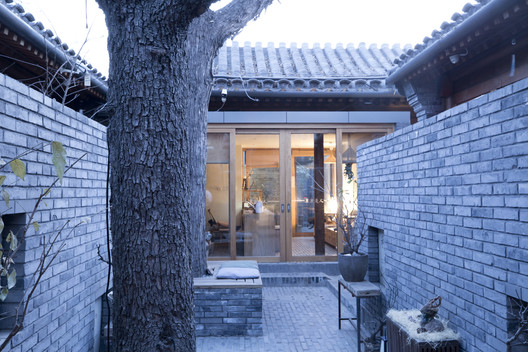
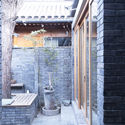
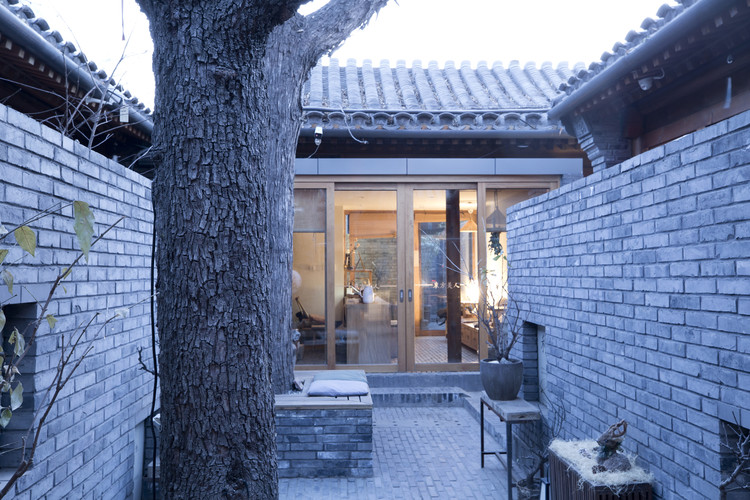
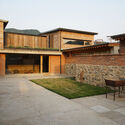
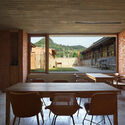
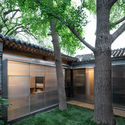
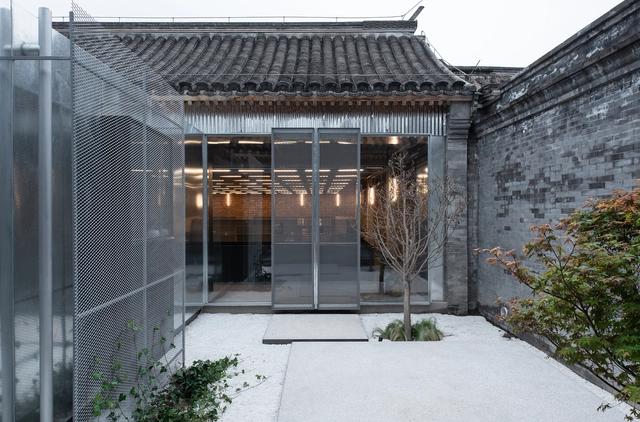
Chinese courtyard houses are one of the most common housing typologies spanning all the way from the northern capital of Beijing to the poetic southern cities Hangzhou and back to the picturesque regions of Yunnan. Typically referred as heyuan, these courtyards homes are simply a “yard enclosed on four sides."
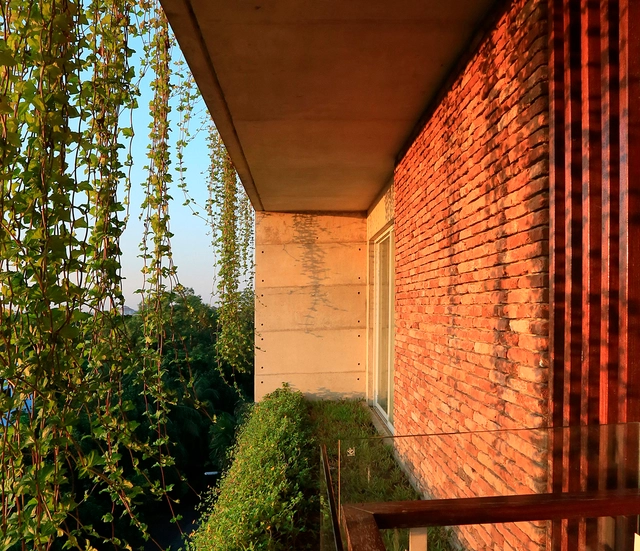
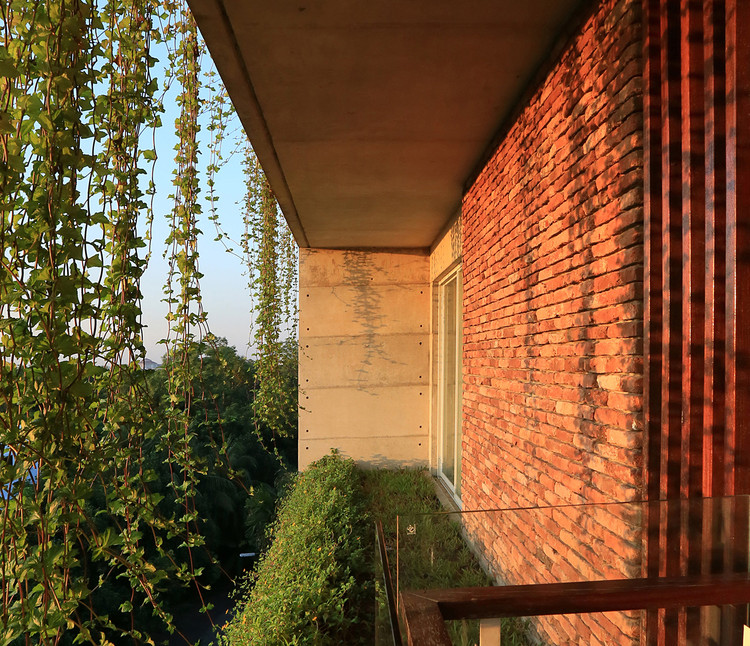
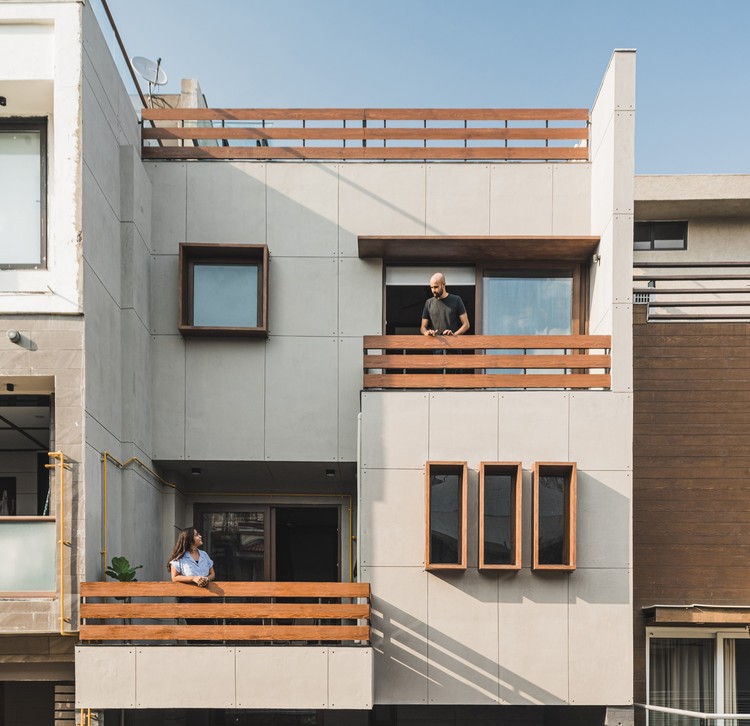
With the COVID-19 pandemic sweeping through the world's urban centers, governments worldwide are urging citizens to hunker down at home in a bid to quell the virus' spread. For apartment dwellers under quarantine, balconies have become the new platforms for entertainment and social interaction, making now an opportune moment in rethinking how we design and build these outdoor urban spaces.
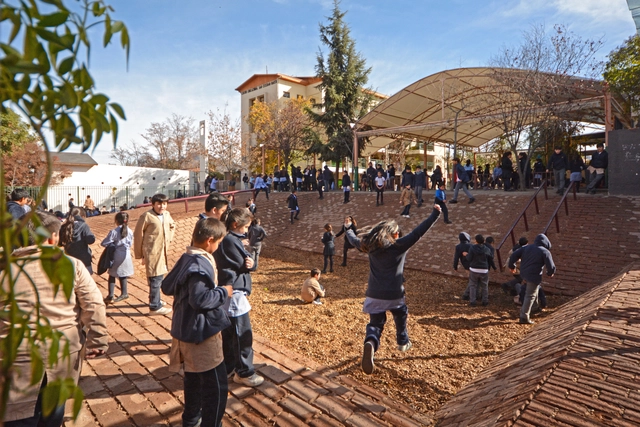
The Patio Vivo Foundation seeks to promote active free play, positive and healthy relationships, wellbeing and contact with nature by articulating space, community and the culture of kindergarten and school playgrounds. In the following article, they describe their working methodology in their own words.


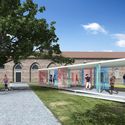















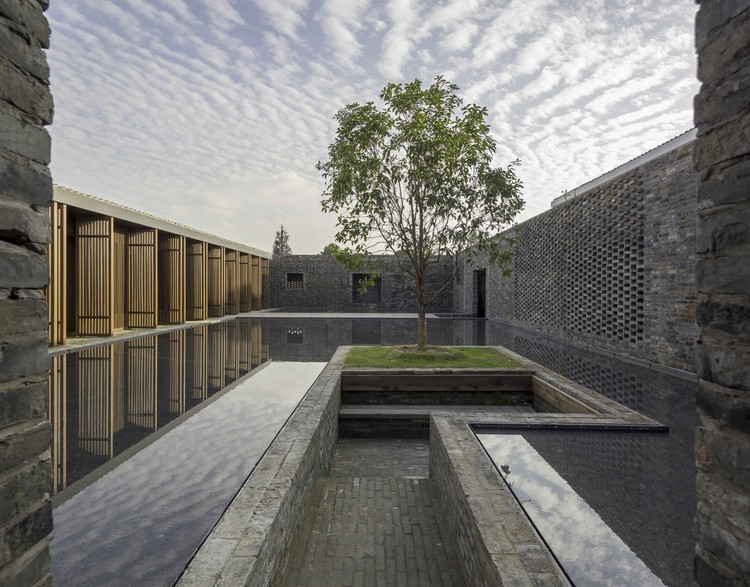
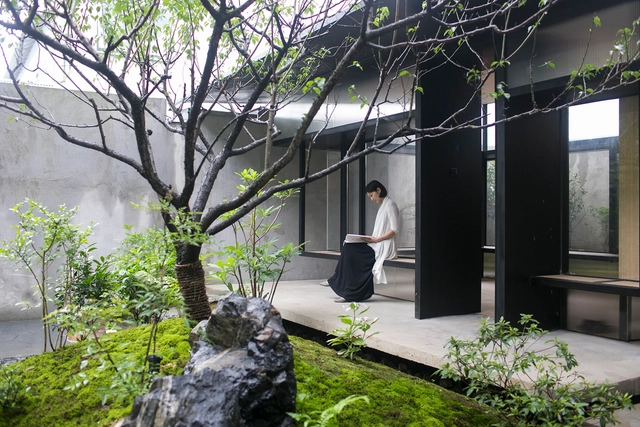
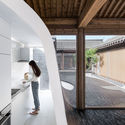
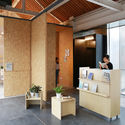
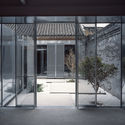
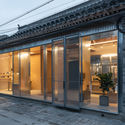
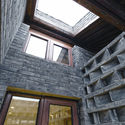
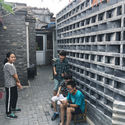
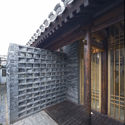
.jpg?1517237056 "Micro-Yuan’er / ZAO/standardarchitecture. Image © Mingming Zhang")