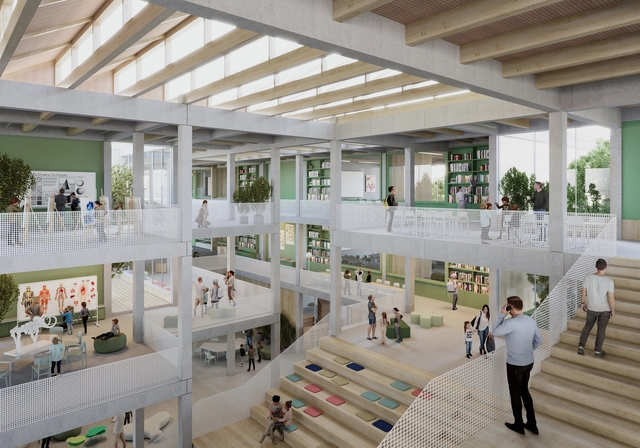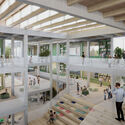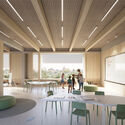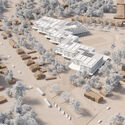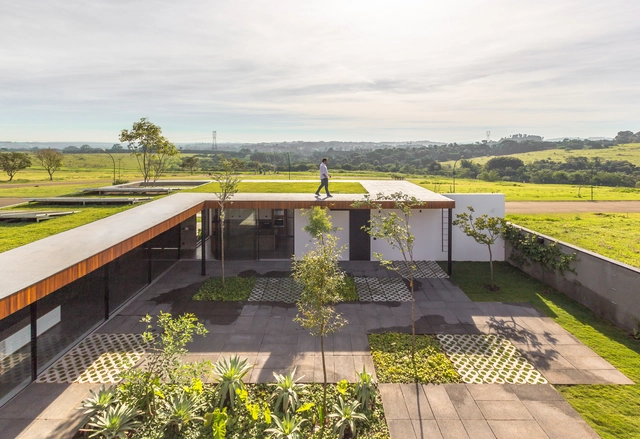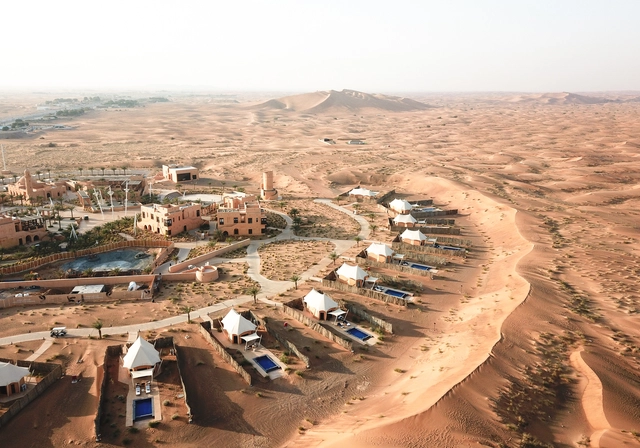
CHYBIK + KRISTOF has just won an architectural competition to design the new primary school in Stara Boleslav in the Czech Republic. The school will allow up to 900 children from sixteen neighboring towns to attend. Furthermore, the design is based on a flexible methodology that will enable the school to change in the future to meet new demands. The building's green atrium opens views of the city's primary local and historical structures. Moreover, the school is designed to become an educational and cultural hub for the town and the neighboring public.
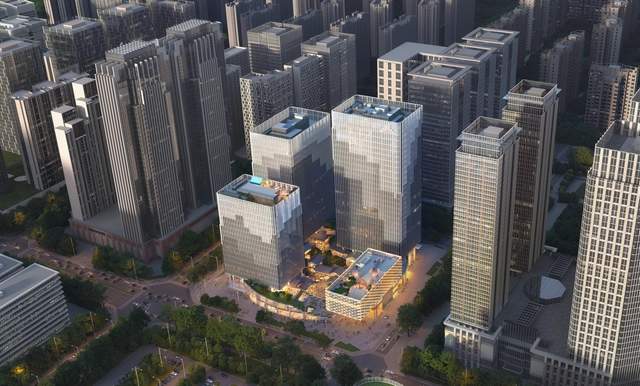
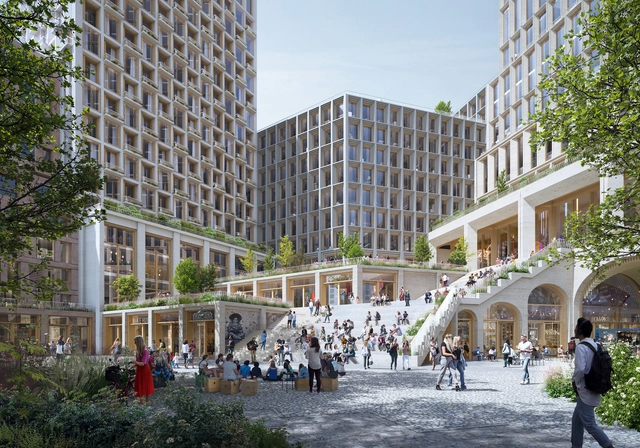
Construction has begun at the last remaining empty sites in Chengdu’s Jiaozi Park Financial and Business District, where MVRDV has designed a complex comprised of three mixed-use office towers and a conference center united by a ring-shaped plinth. The building shape and functional structure are informed by its surrounding context, with a retail village that references the traditional structures that were once located on the site.
I always consider myself fortunate to have grown up outside the city, where my ‘cross-country’ lessons, for example –national right of hardship for 11-16-year-olds– were through the actual countryside rather than the high street. For many children, however, modern school life is not so close to nature.
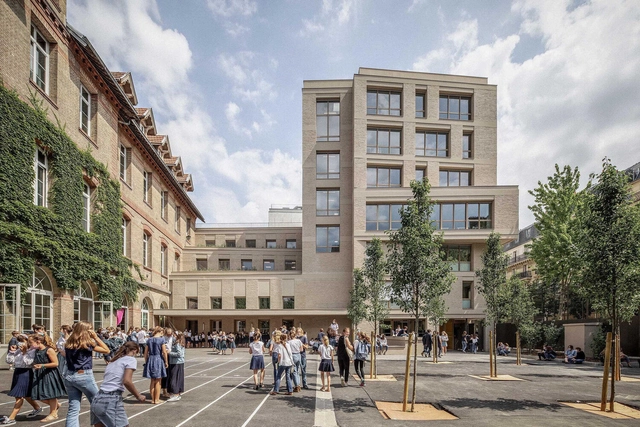
Already over-populated cities are continuing to expand, meaning more schools are suffering from the limitations presented by inner-city architecture including noise, air, and light pollution; a lack of space, especially green space; restrictive budgets and building regulations resistant to change.
With innovative and considered design solutions, however, these four inner-city schools show the rest of the class how to work through their architectural answers and provide quality, green spaces for all.
Henning Larsen has been selected as the winner of an international competition for the design of Kurfürstendamm 231, a new mixed-use urban development in western Berlin, Germany. Other finalists in the competition included Cobe, David Chipperfield, and Mäckler Architekten. The winning concept centers the neighborhood around an urban courtyard which acts as a large-scale meeting place for the local community. Nine buildings define the courtyard, including the existing Agrippina House, which is set to be rehabilitated through the project.
There’s a lot of undeserved stigma surrounding social housing. Although many projects start off well enough with shiny ribbon-cutting photoshoots, the cameras move on and investment tends to dry up, and maintenance cut. A lack of suitable green spaces follows – due to low-maintenance, and eventually results in forgotten, isolated communities, eventually spiraling down the plughole of ghettoisation.
Although easily blamed, the architecture of high-rise social housing blocks is not the cause of the problem, but can instead be part of the solution. Building up instead of out still offers a sensible route through both the current housing and social crises – sharing space and resources.
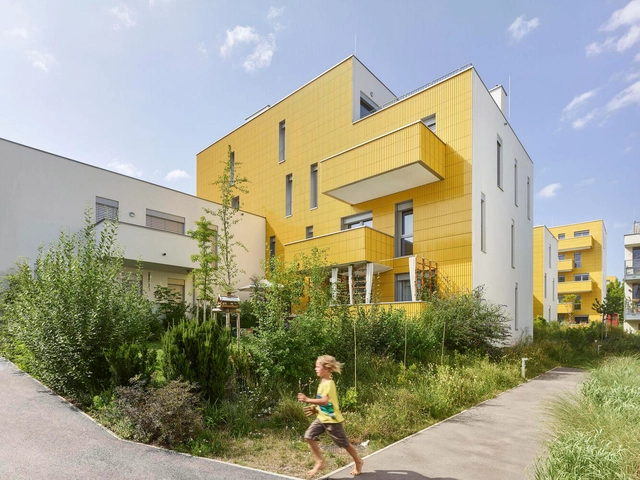
Moreover, these four projects from across Europe show, integrating social housing developments around accessible courtyards of sustainable green space helps bring and keep communities together.
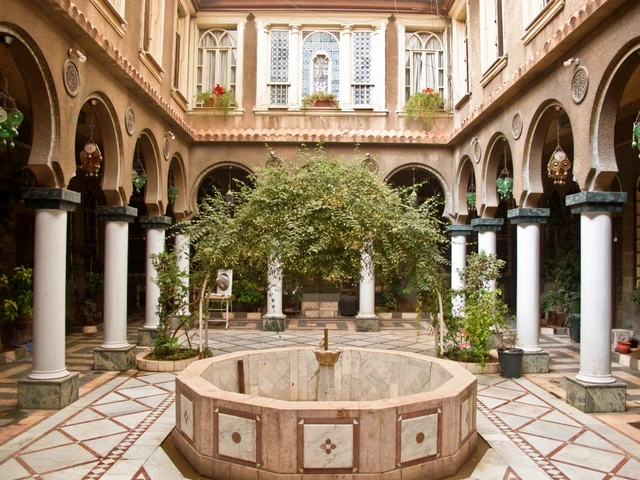
The origin of interior courtyards dates back several years, serving as a means of shelter, security, and protection, while also aiming to achieve comfort and well-being through exterior elements. In contemporary housing, a wide range of possibilities is deployed, capable of accommodating various uses and activities that foster the relationship between the interior and exterior environment. Furthermore, notions of energy efficiency, thermal regulation, ventilation, and natural lighting are incorporated, among others.
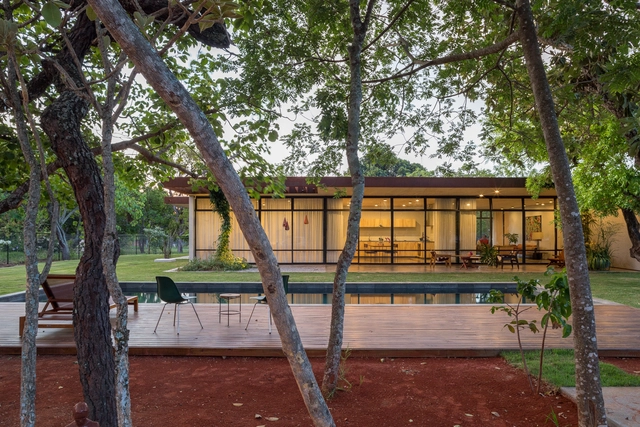
As summer in the Northern Hemisphere is inching ever closer and nature is rapidly responding to the increase in temperature, our desire to spend time outside (by ourselves and collectively) is growing at an equally fast pace. And although public parks are a great option for those of us who live in urban centers, the luxury of having one's very own, at-home access to nature cannot be overstated.
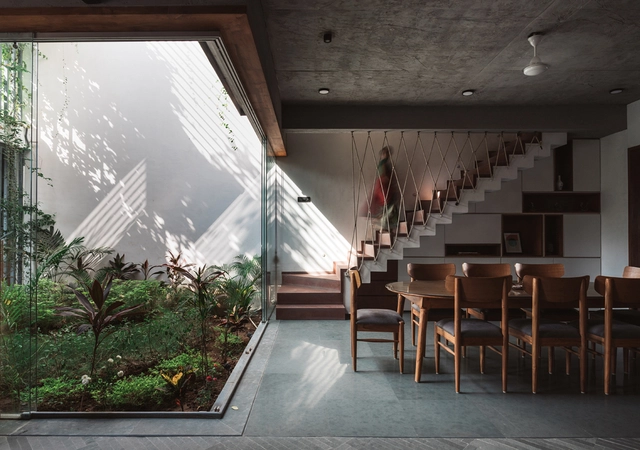
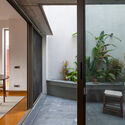
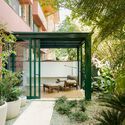
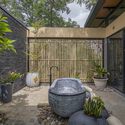
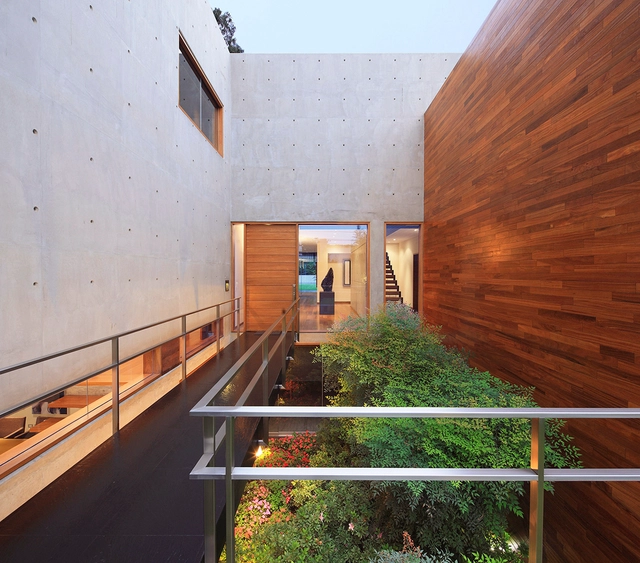
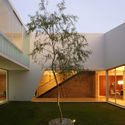
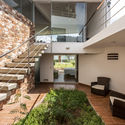
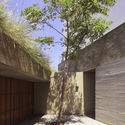
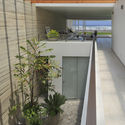
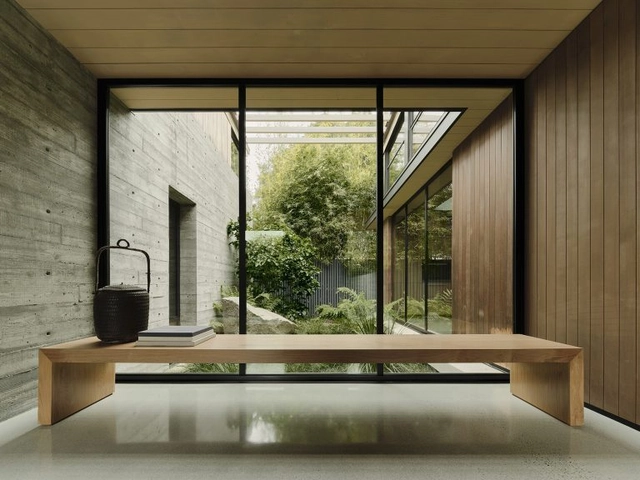
For residential projects in particular, gardens are the most common way of connecting with the natural world in this way. But, as these four examples show, courtyards can provide an equally satisfying window into changing seasons – and, when viewed through glass by way of patio doors, skylights, or frameless windows, can give us a glimpse of greenery from the weatherproof comfort of almost any room in the house.
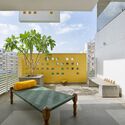
Residential architecture in India is a direct reflection of the ethnic practices and lifestyles led by its diverse citizens. The earliest houses were developed as units of larger community-centric settlements. The architecture of Indian residences is deeply enmeshed with cultural values - usually centering on the ideas of family and community relationships. A single home often shelters a large joint family and meets the needs of various age groups under one roof. Multigenerational living demands a unique spatial syntax to foster connections.
Walking down the streets of cities like Hanoi and Saigon in Vietnam, you might encounter houses with surprisingly narrow facades in contrast to the stacking of three to five floors, with windows for ventilation and natural light only on the front facade. These are the famous traditional Tube Houses. According to ancient popular culture, this type of housing emerged due to property taxes being based on the width of the facade, but the true reason is to optimize land use, allowing a larger number of plots in the same square.
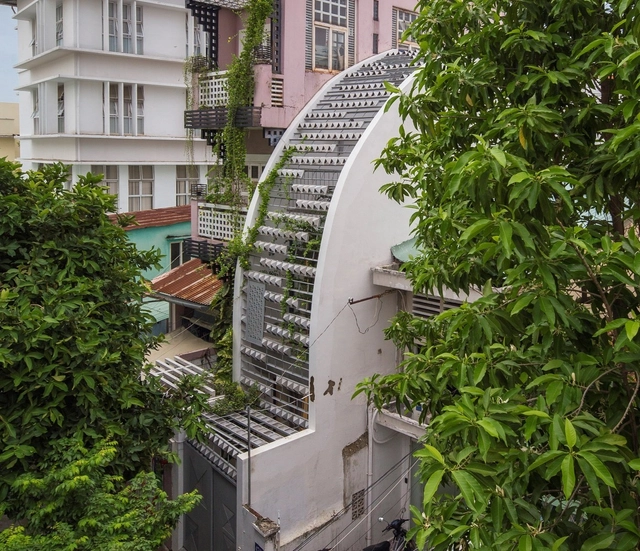
However, this legacy is now being recreated in contemporary designs by Vietnamese architects. Old facades give way to innovative solutions featuring atriums for natural lighting and ventilation, courtyards and interior gardens, greenery incorporated into different environments, split-levels, etc., allowing for high-quality spaces. With that in mind, we have put together a selection of Tube Houses, together with their respective section drawings. Check out below:
With the exception of some areas, within the three principal regions of Peru--coastal, mountain, and rainforest--the climate is characterized as tropical or subtropical and the differences in summer and winter temperatures is minimal, rarely reaching beyond 15 °C and 27 °C. This mild climate has thinned the line between exterior and interior spaces, a fact evident in the region's architecture.
Sanctuary House / Tai Ikegami. Image Cortesia de Western Window Systems
Interior courtyards can be found in various types of traditional architectures around the world, especially in warmer climates. They can be classified as introverted, safe, and even sacred spaces in some cultures. They can also be gathering places and, above all, provide greater contact with nature while providing light and ventilation to home interiors. To properly design these spaces and create a functional relationship between the inside of a house and its courtyard, it is important to use appropriate doors and openings. In this article we highlight 5 projects that use sliding glass doors for the seamless integration of both spaces.
Being a region characterized by its wide variety of landscapes, biodiversity and thermal floors, the design of interior patios in Colombian homes accompanies the living, resting, access, and circulation spaces, being, on many occasions, protagonists and a source of contact with the surrounding nature.
Wolf Trap National Park for the Performing Arts – Vienna, Virginia | FlexShade® ZIP | Dealer: Goodwin Bros. Shades and Specialties | Photographer: Alan Wycheck – alanwycheckphoto.com. Image Cortesia de Draper
Comfortable outdoor spaces are more desirable than ever. Over the past couple of years, people have been spending more time at home, connecting with nature from the relative comfort of covered balconies, patios, and pergolas. But even with pleasant views, cooling breezes, and the warmth of the sun, covered outdoor spaces can be uncomfortable. Temperature variations, glare, rain, and wind quickly create an unpleasant experience. In warmer climates, insects can be an additional a nightmare.
Titled "Yuan-er, a Courtyard-ology: From the Mega to the Micro", the Chinese pavilion at the 17th International Architecture Exhibition – La Biennale di Venezia answers the question of how architecture can contribute to equality, connectivity and unity by resorting to familiar Chinese residential typologies. Curated by Zhang Li, the pavilion will be on display from May 22nd to November 21st, 2021.
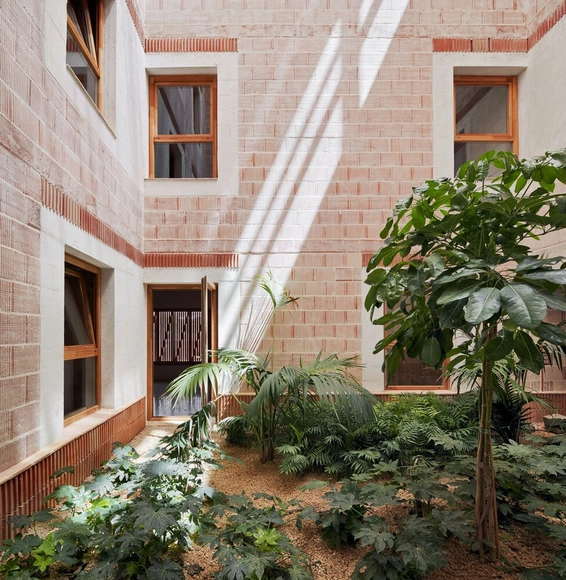
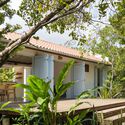
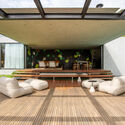
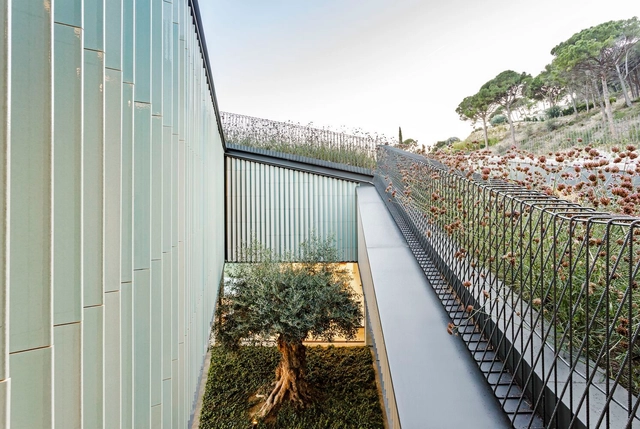
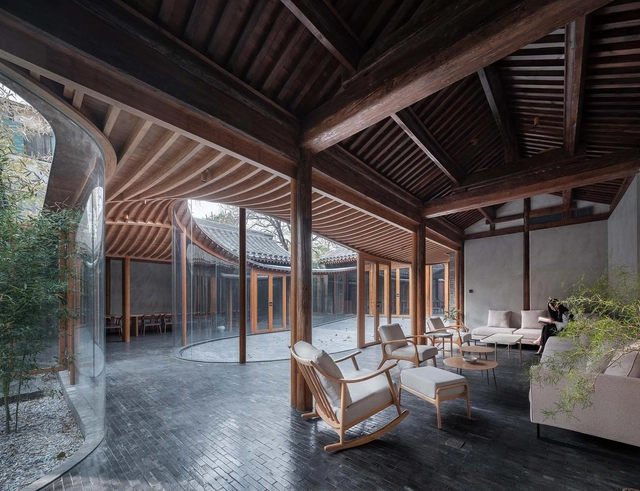
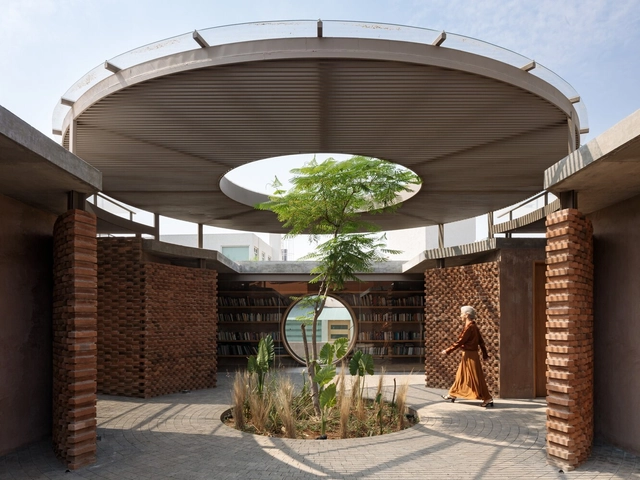
The distribution of natural light, improved ventilation, and the propensity to connect living spaces with the outdoors while maintaining the privacy of the inhabitants have made courtyards a go-to in architectural design around the world over the centuries.
Courtyards are characterized as outdoor or semi-outdoor spaces that are enclosed within the walls of a house or building.
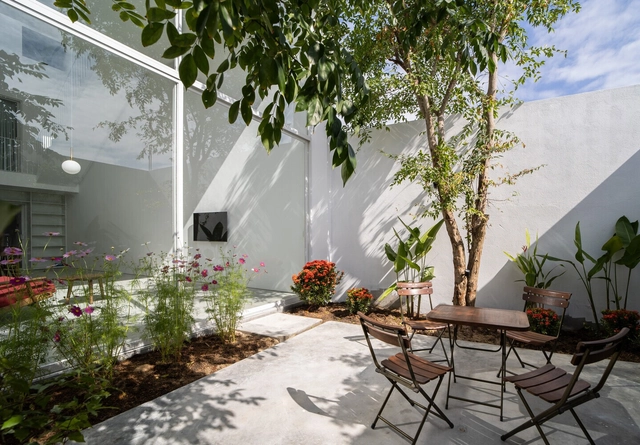
Inner courtyards and gardens can provide many benefits, such as natural light, better ventilation, and increased contact with nature without losing privacy.