Call for Entries | 1st Design + AI Hackathon URP 2026: Multifunctional Transformable Furniture
Call for Entries | 1st Design + AI Hackathon URP 2026: Multifunctional Transformable Furniture

The concept of the museum has historically prompted reflections on identity, representation, and institutional frameworks. At present, museums are conceived as increasingly complex spaces, combining exhibition areas with other cultural and educational functions, prompting civic engagement, artistic experimentation, and archival responsibility. Throughout this year, numerous museum projects have been announced and advanced across multiple regions, with completion timelines largely extending from 2026 to 2030. Added to this variety is the wide range of concepts developed within the realm of ideas, proposals, and speculations. It is within this realm that this selection of projects submitted by ArchDaily readers finds its place: projects whose designs can expand the boundaries of our imagination.
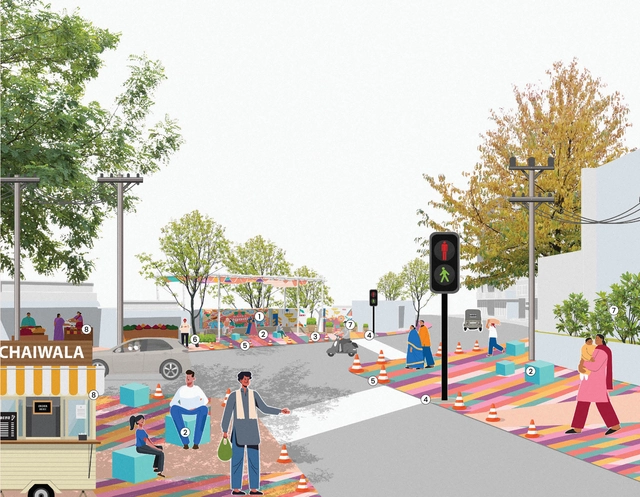
In architecture, the way we communicate our ideas is just as important as the spaces we design. But how can we convey these thoughts most effectively? While words hold influence, visuals are indispensable. Much like a musical score shapes a melody, drawings transform abstract concepts into tangible forms, acting as a shared language for architects and designers. They facilitate understanding and refinement of design concepts, especially in a digital era where precise graphic communication is essential to translate the experience of space. From this perspective, Architecture Candy explores architectural graphics to streamline and enhance visual communication within the fast-paced realm of architecture, which increasingly depends on advanced digital tools and workflows. The studio aims to be a go-to resource for elevating ideas with clarity, harnessing design and storytelling to narrate complex concepts through a minimalist style.
The Second Studio (formerly The Midnight Charette) is an explicit podcast about design, architecture, and the everyday. Hosted by Architects David Lee and Marina Bourderonnet, it features different creative professionals in unscripted conversations that allow for thoughtful takes and personal discussions.
A variety of subjects are covered with honesty and humor: some episodes are interviews, while others are tips for fellow designers, reviews of buildings and other projects, or casual explorations of everyday life and design. The Second Studio is also available on iTunes, Spotify, and YouTube.
This week David and Marina of FAME Architecture & Design discuss architecture concepts in the office. The two cover the importance of conceptual thinking, the lack of concepts in architecture offices, projects in architecture school vs in practice, the challenges of merging conceptual thinking and technical aspects in practice, and more. Enjoy!

Pihlmann Architects is a young Copenhagen-based architectural run by Søren Pihlmann. In this interview with Louisiana Channel, the rising architect elaborates on his unique practice, the values he holds, and what he finds fascinating about architecture. Most notably, Pihlmann explains that his view on the practice has transformed from being an architect into becoming a type of curator, selecting very few things with great sensitivity.
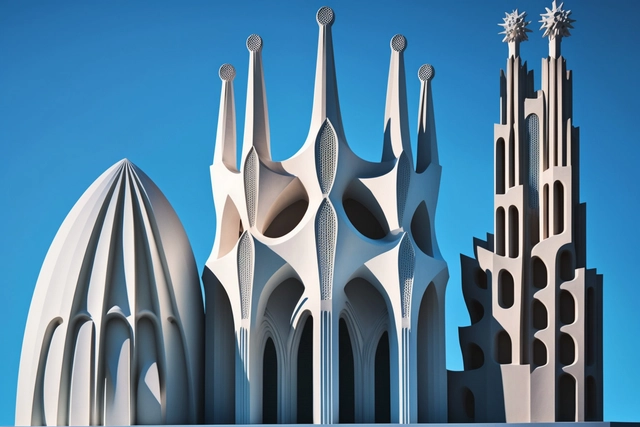
Architecture is a referential discipline. From ziggurats, machines for living, to contemporary biophilic high-rises designs, it is impossible to know whether ideas are genuinely novel or whether they have been conceptualized before. Artificial intelligence has ignited the conversation on intellectual property (IP) even more. As millions generate unique graphic work by typing keywords, controversies have arisen, specifically concerning protecting creative work and the Copyright of architects in their creations. Therefore, understanding the scope of what is protected helps determine whether licenses are sufficient, whether trademark registration's long road is worth it; or perhaps a graphic piece cannot be protected and belongs to the public domain.
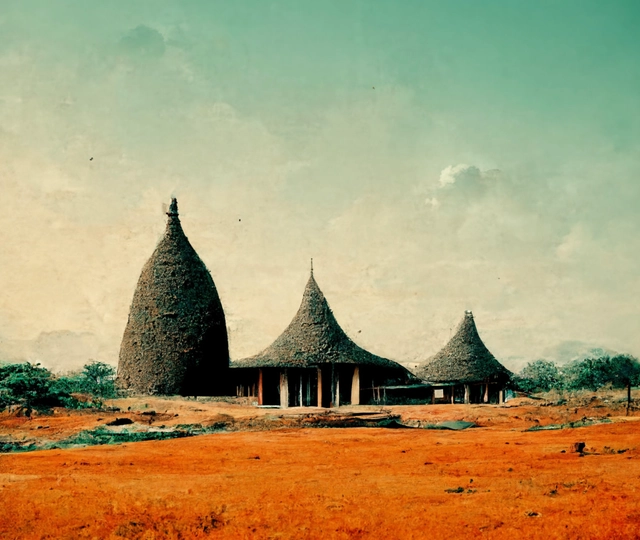
2022 has been the year of AI image generators. Over the past few years, these machine learning systems have been tweaked and refined, undergoing multiple iterations to find their present popularity with the everyday internet user. These image generators—DALL-E and Midjourney arguably the most prominent—generate imagery from a variety of text prompts, for instance allowing people to create conceptual renditions of architectures of the future, present, and past. But as we exist in a digital landscape filled with human biases—navigating these image generators requires careful reflection.
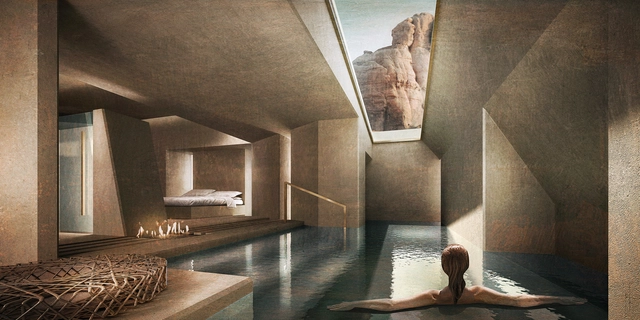
Delicately excavated from the natural grounds of Jordan’s Wadi Rum, Jordanian architect Rasem Kamal transformed the phrase of “form follows function” into “subtraction follows function”, emphasizing the relationship between external form and internal space with a resort that promises a sanctuary both above and underground.
In the newly-released video of the proposal, the architect uncovers the hidden resort and takes viewers on an enchanting walkthrough of the proposed Wadi Rum Sanctuary Resort. Kamal complements the desert’s jagged landscape with the resort’s subtle architecture, letting the structure blend seamlessly with its surroundings.
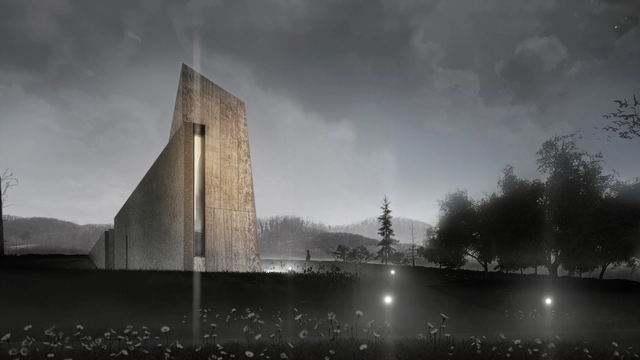
10 projects, 10 functions. Featuring a multitude of different programs, this week's curated selection of Best Unbuilt Architecture highlights diverse and innovative conceptual approaches. Submitted by our readers, this variety of proposals includes sports, religious, cultural, educational, and social purposes.
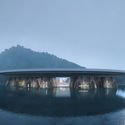
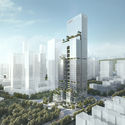
Compiling projects from all over the world, this article puts together a Buddhist temple in Bangkok, Thailand, a ring-shaped experience center and eco-tourism catalyst for Latvia, a cemetery in Bosnia and Herzegovina, and the biggest extreme sports park in Russia. Moreover, unconventional office spaces are underlined with an innovation start-up center in Vietnam, headquarters in Shenzhen, and Tirana's new municipality building.
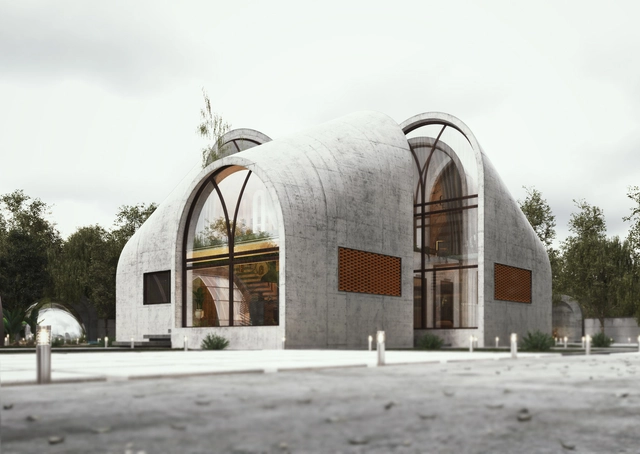
Houses and Villas are the most researched topics on ArchDaily. Putting together a curated selection of conceptual interventions, this week’s Best Unbuilt Architecture focuses on the residential sector. From all over the world, this group presents proposals submitted by our readers.
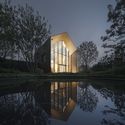
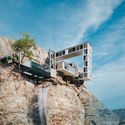
This article highlights a floating terraces project from India, a lodge in Ethiopia, a seasonal home for an Iranian family in Germany, and a residential compound in Saudi Arabia. Beach houses in Greece, Croatia, and the U.S. are also featured, showcasing different approaches for the same program. Moreover, more futuristic interventions include the Mountain House on the rocky cliffs of British Columbia, and the blue house, an aquarium-like type of home.
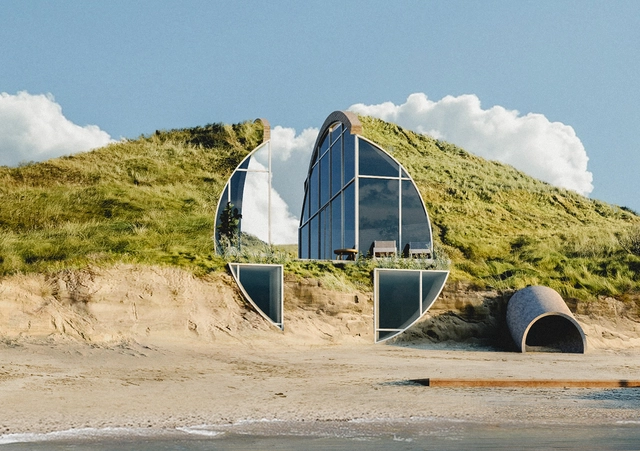
This week’s curated selection of best unbuilt architecture features conceptual residential projects submitted by our readers from all around the world. Highlighting innovative designs, approaches, and compositions, this roundup puts together a series of inspiring interventions that offer a fresh look on the typical house structure.
In the following article, ArchDaily has gathered ideas from Poland, France, Hungary, Iran, and the United States. Grouped under one common theme, the feature includes a new take on the typical building complex, an attempt to shorten the transitional gap between a house and an apartment, and a collection of modular residential models that can be implemented anywhere. Moreover, it also showcases Christophe Benichou’s latest intervention, “The Pleated House” located in the Hautes Alpes in France, a hyper-sustainable house on the beach and a structure completely erased and integrated into the natural landscape.
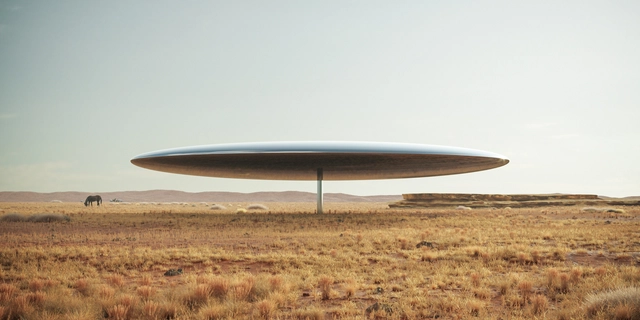
Citizens of Earth is a conceptual proposal by Marc Thorpe Design for the city of Marfa in Texas. Located 20 miles outside of the city on the border of Mexico and the United States, the installation aims to “question the value of international borders within the context of the 21st century”.
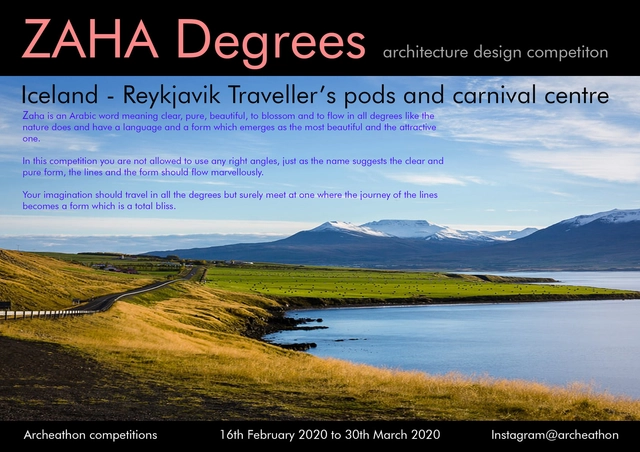
ZAHA is an Arabic word meaning clear, pure, beautiful, to blossom and to flow in all degrees like the nature does and have a language and a form which emerges as the most beautiful and the attractive one.
In this competition you are not allowed to use any right angles, just as the name suggests the clear and pure form, the lines and the form should flow marvelously.
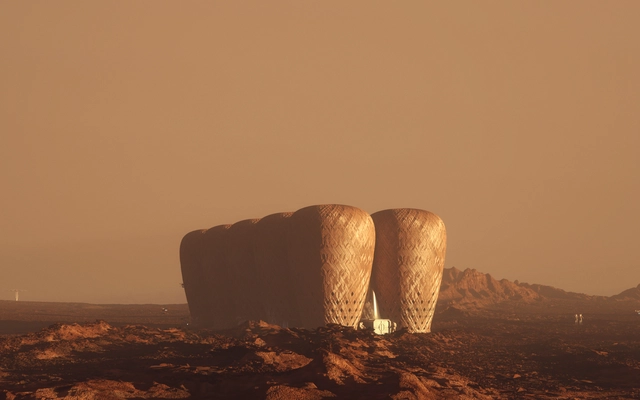
Designers Warith Zaki and Amir Amzar have imagined a project that seeks to find alternatives to traditional construction material in order to build the first settlements on Mars. In fact, they opted for a natural earthy element that competes with wood, brick and concrete, and drafted a project that uses bamboo.
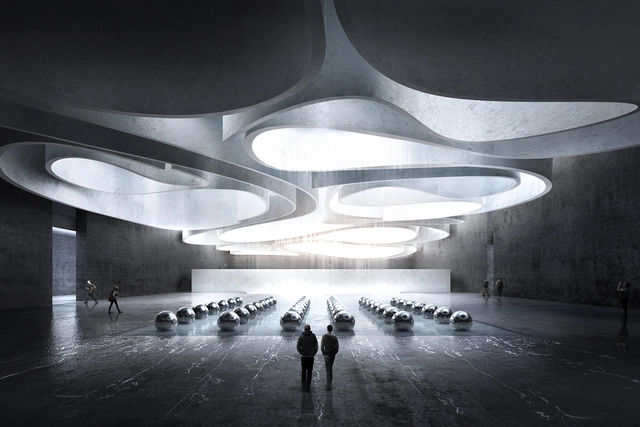
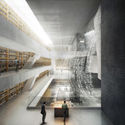
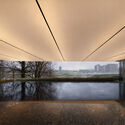
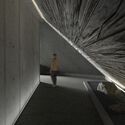
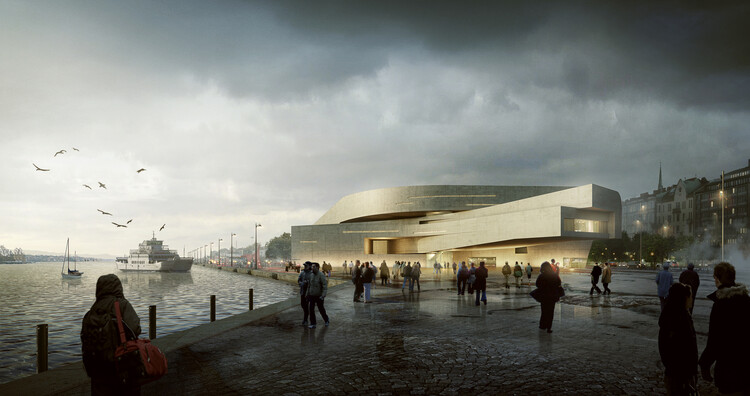
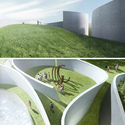
Writing is an unending dialogue that has been connecting one generation to another, maintaining history, culture, and information. For the National Museum of World Writing, stories were built rather than written.
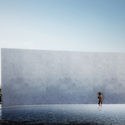
Just as writing transcends the author to another realms, SAMOO Architects and Engineers have proposed ‘PAGES’, a structure of architecturally-devised scripts that disconnects visitors from the outer world, and introduces them to an exceptional architectural narration.
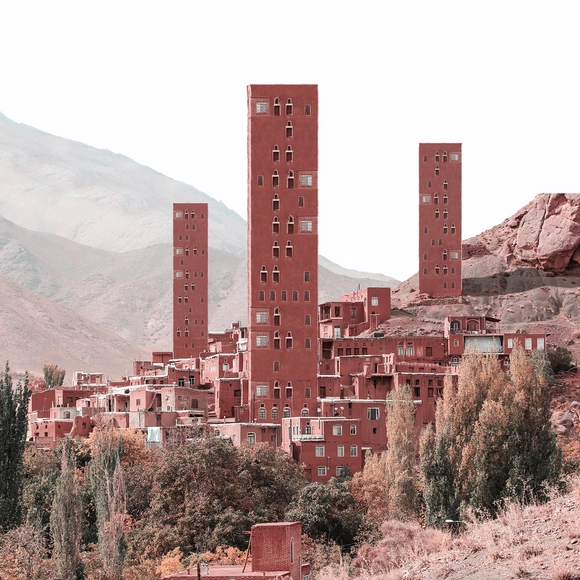
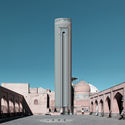
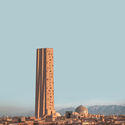
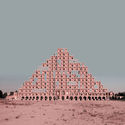
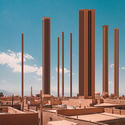
Villages and cities in Iran have always had a fixed low-rise horizontal skyline due to the lack of beam and column technology. Although some cities have already adopted contemporary styles and have constructed soaring skyscrapers, but the majority of towns remain committed to traditional building techniques.
Iranian architect Mohammad Hassan Forouzanfar decided to give traditional Iranian architecture a structural upgrade but kept its main features intact. In his conceptual creations titled "Retrofuturism", the architect used traditionally-designed houses as a starting point, but introduced them to the modern world of skyscrapers and surreal forms, mixing both styles together.










.jpg?1564809225 "© SAMOO Architects and Engineers")