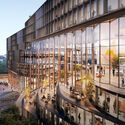
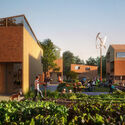
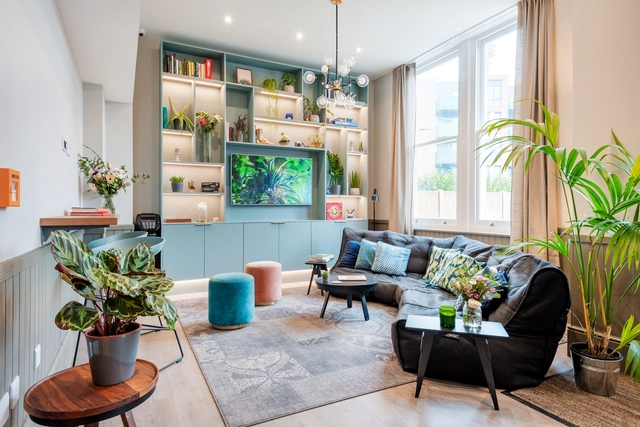
In Greater Boston's city of Malden, Massachusetts, an inter-generational community of thirty households hired an architecture firm and collectively designed their cohousing community. Responding to the cohousing community's request for collective living in an urban setting, French2D designed a typology-challenging building with individual residential units connected by a framework of shared spaces. The result is a 48,700 sqft unique and colorful type of multi-family housing. It is one of a growing number of cohousing projects in the United States.
The role of a school is to prepare children for life. But with life-changing faster than ever, schools need to change just as quickly. Recent additions to school curriculums reflect the complexities of modern life, with environmental crises, societal injustices, and the dangers of social media now major parts of the syllabus.
Although it’s often said that long-term change begins at ground-level, change is never easy, wherever it starts. For example, a curriculum that responds to environmental issues is said to cause growing instances of eco-anxiety in children, one of a number of causes of another crisis, in children’s mental health.
As has become customary in recent years, on the first Monday of October, we celebrate both World Architecture Day and World Habitat Day, serving as a reminder to the global community of its collective responsibility for the well-being of the built environment. This edition, like its predecessors, sheds light on the realm of architecture and the challenges faced by our cities, introducing new themes, contemplating the state of our urban areas, and proposing constructive strategies.
Since urban economies have encountered significant difficulties this year, the UN's World Habitat Day focuses on "Resilient Urban Economies: cities as drivers of growth and recovery." Launching Urban October, this event seeks to bring together diverse urban stakeholders to deliberate on policies to help cities recover after the dual economic impacts caused by the COVID-19 pandemic and conflicts worldwide. Aligned with this concept, World Architecture Day, created by the UIA in 1985, has chosen to concentrate on "Architecture for Resilient Communities," emphasizing the role and duty of architecture in fostering thriving community existence while initiating a global dialogue regarding the interconnectedness of urban and rural regions within every nation.
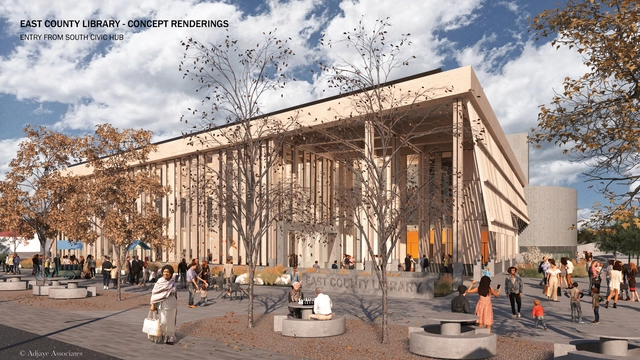
Adjaye Associates, in collaboration with Holst Architecture, the prime architect of record, have unveiled the first renderings for the new East County Library in Portland, Oregon, a new facility that will provide a diverse range of services and programming. The design of the 95,000-square-foot building is informed through extensive community engagement and feedback. Several local organizations aid these efforts by organizing public community events, focus groups, teen outreach, and surveys. As the project is currently in the schematic design phase, the images presented are early drafts, likely to change to reflect the input received.
In recent years, the term “co-creation,” a buzzword in the business and management sector, has made its way into the architecture and urban planning discourse. The termis used to define a large concept that describes working intentionally with others to create something jointly. But architecture is already the result of a collaboration between multiple actors, architects, clients, investors, developers, and local administration, to name a few. Can the term still apply to this field, can it bring forth new forms of knowledge, and does it differ from the concept of participatory design?
When the Aga Khan Award for Architecture (AKAA) announced its winners of the 2022 edition, 20 projects were selected for their excellence in the fields of contemporary design, social housing, community development, and preservation and improvement of the environment. Among them, one project in Jhenaidah, Bangladesh, managed to capitalize on the strength of the local community to reverse the ecological degradation of its riverscape and create a functional and socially inclusive public space along the riverbanks. ArchDaily’s Managing Editor, Christele Harrouk, had the chance to interview Suhailey Farzana, and Khondaker Hasibul Kabir co-founders of Co.Creation.Architects, and Rubaiya Nasrin from Platform of Community Action and Architecture, POCAA, part of the team behind the Co-creation of Urban Spaces by the Nobogonga River, in Bangladesh. The project also won the 5th category of the UIA 2030 Award for the Access to Green and Public Spaces.
2022 could be remembered as the year when surprising AI-fueled tools became accessible to a larger audience: from text-to-image generation Stable Diffusion, Midjourney, and DALL-E 2 to unsettling design experiments such as This House Does Not Exist, to surprisingly smart OpenGPT, a language-processing designed artificial intelligence to generate human-like text.
Cautiously described by OpenAI CEO Sam Altman as "a preview of progress", any user can talk with OpenGPT about almost anything: the results are astonishing and it easily can embody an umpteenth so-called threat for creative-related jobs. However, OpenGPT does not have access to browse the internet. Instead, it interacts based on the gigantic database that it has been trained on. As expressed by Gannett's Eric Ulken, "even the best generative AI tools are only as good as their training", so what an "inappropriate request" is has previously been tuned (by humans) as well.
Staged stories on community and identity, ephemeral architecture showed that in 2022 it doesn't have to be permanent to be powerful. A direct and popped-up public installation can shift from preparation to action, reclaiming and defining what makes a community unique. Highlighting installations to acknowledge linguistic diversity in NYC, a giant table to celebrate culinary in Barcelona, and a large-scale net in Dubai to represent the local culture, among others, these initiatives seek to understand ways in which local and regional expressions can help cities to be more equal and diverse.
Globalization has connected the world boundaryless. While it has also made information more accessible, it has led to homogeneity and identity crisis at melding unique societies and cultural expressions. Cultural differences are undeniable as globalization grows. Hence, as architecture produces common living standards, it can also highlight singularities. Festivals, installations, and pavilions, 2022 was the year to express local memories to be recognized and celebrated, setting Community and identity as central topics in ephemeral architecture throughout the year.
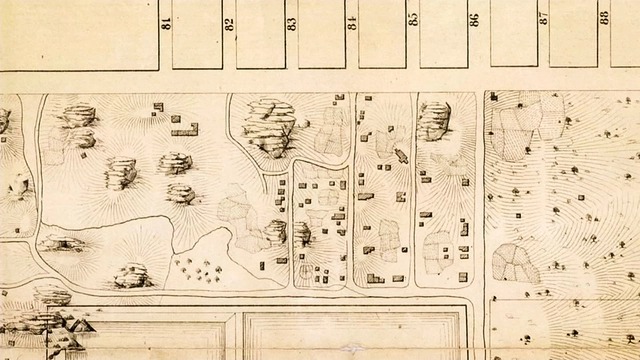
“Seneca Village was an important community. It was 40 acres, two-thirds African American, and had a church and school,” explained Sara Zewde, ASLA, founder of Studio Zewde and assistant professor at the Harvard Graduate School of Design, during a session at the ASLA 2022 Conference on Landscape Architecture in San Francisco.
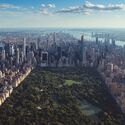
The 225 residents of Seneca Village were displaced by the New York City government in the mid 1800s to make way for Central Park, which is considered one of the masterpieces of landscape architect Frederick Law Olmsted and architect Calvert Vaux.
Home to architectural styles spanning almost three hundred years, the is no city like New Orleans. The meld of French, Spanish, and Caribbean architectural influences, in conjunction with the demands of the hot and humid climate, has impacted the urban fabric as much as the culture itself. Located along the Mississippi River and close to the Gulf of Mexico coast, the construction of ports, NOLA’s trading history, and forceful natural phenomena like Hurricane Katrina in 2005 illustrate how water has shaped the city.
Following Hurricane Katrina, Orleans adapted its values to respond to the changing needs of its recovering community. Although reconstruction is not only architectural responsibility, New Orleanspublic architecture has contributed to revitalizing and reinhabiting the city after the disaster. Museums, parks, and churches, each of these places connects people to each other in ways that define and support community.
Community development proposals in Disney World come from back days. One of Walt Disney's last visionary projects was the Experimental Prototype Community of Tomorrow (EPCOT), a center for American enterprise and urban living. Disney advocated that the problems of cities were the most critical issues facing society and planned a city that could develop in a controlled manner, contrary to the urban expansion in the USA during the first half of the last century. After Disney died in 1966, the "EPCOT" concept was abandoned as the company was uncertain about the feasibility of operating a city. Fifty- five years later, after a thorough search, Walt Disney World chose The Michaels Organization for its experience in building and managing attainable housing communities.
The queer crowd has always been present, finding ways to exist, gather, and celebrate. Although their visibility hasn't always been highlighted throughout history due to the consciousness of having to submit to heteronormative and strict mass normality in the past, doesn't mean they previously didn't have their own spaces to call their own. Queer spaces, past and present, have been categorized as strong, vibrant, vigorous, and worthy of occupying their own place in history, filling in as safe places for identifying individuals, places of social gathering, entertainment, and even offering community housing; therefore, there will always be a need for queer spaces.
Co-living is a residential community living model, referring to a modern form of group housing that has significantly transformed London life and the UK as a whole. The notion of co-living has even more so been popularized by the rise of housing startups, with many offering affordable housing in homes and apartments alike shared by a handful of adult housemates.
Participatory design is a democratic process that aims to offer equal input for all stakeholders, with a particular focus on the users, not usually involved directly in the traditional method of spatial creation. The idea is based on the argument that engaging the user in the process of designing spaces can have a positive impact on the reception of those spaces. It eases the process of appropriation, helps create representative and valuable spaces, and thus creates resiliency within the urban and rural environment.
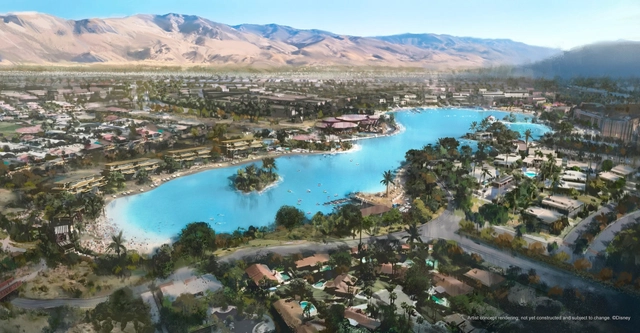
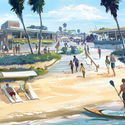
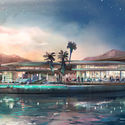
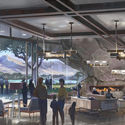
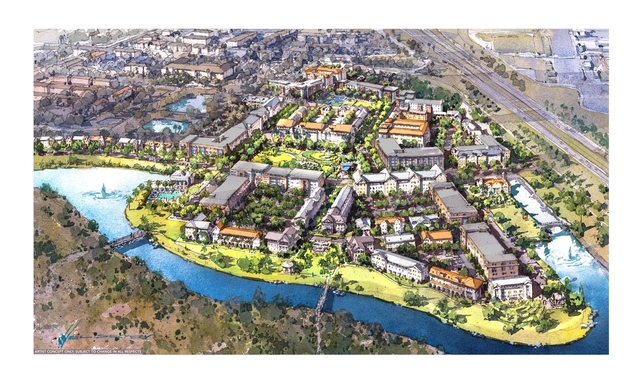
Disney, the multinational entertainment and media conglomerate announced its new addition to its Signature Experiences Program. Titled "Cotino", part of its new Storyliving by Disneyventure, the master plan is Disney's first master-planned community project, and will feature distinctly-designed housing units and neighborhoods, along with commercial and civic amenities and man-made beaches in the heart of Rancho Mirage, California's Coachella Valley.
Following decades of ongoing socio-cultural and economic crises across the globe, the design community has realized that it is time to “design like they give a damn”. And with that, they embraced a movement that saw architects and designers use their acquired skills to develop design-based solutions to humanitarian crises, ranging from building modular housing and mapping landscapes, to developing mobile applications and documentaries, all from an altruistic standpoint. But since pro bono work is not yet ingrained in the ethos of architecture, how have architects broken out of the traditional model of “corporate” architecture and established a way to ensure ethical responsibility for human welfare?
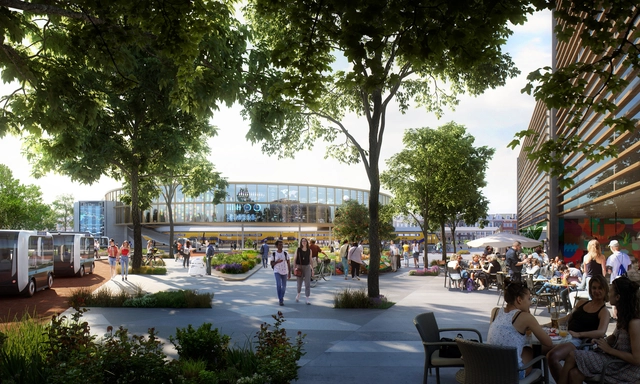
Brainport Smart District Master Plan. Image Courtesy of UNSense
UNStudio has recently published a report exploring the broader scope of community building and placemaking in the post-pandemic urban environment. Through examples from their practice, UNStudio highlights various design strategies currently incorporated in architecture and urban planning that cater to the universal and crucial need to connect socially. In addition, the practice stresses the importance of “ third spaces” and human-scale connectivity, as well as the blending of digital and physical spaces of interaction.




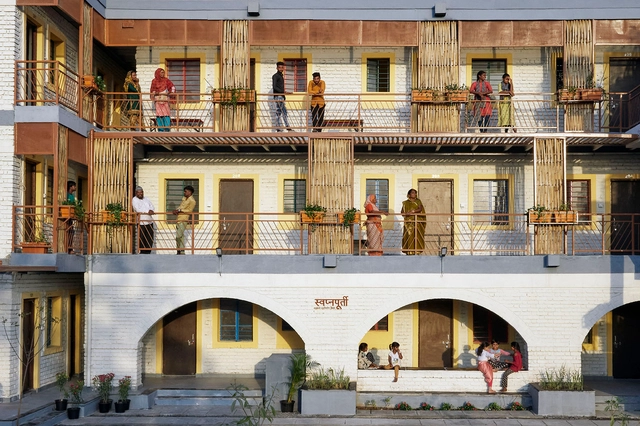

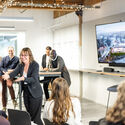

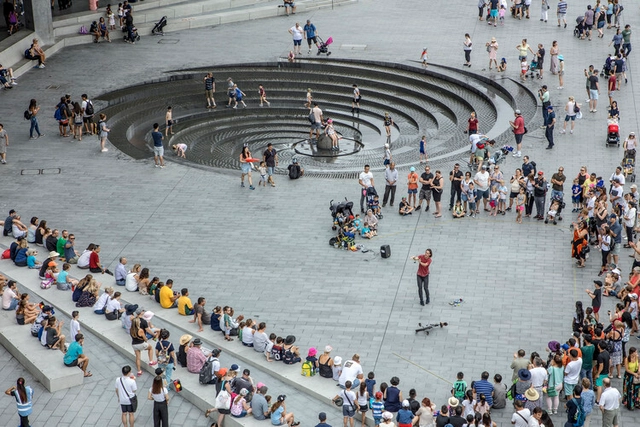


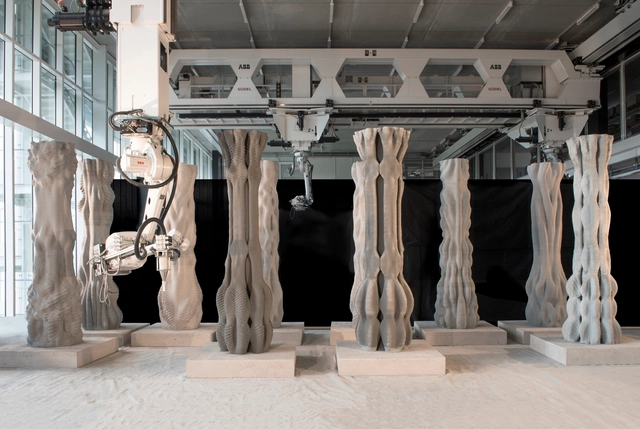
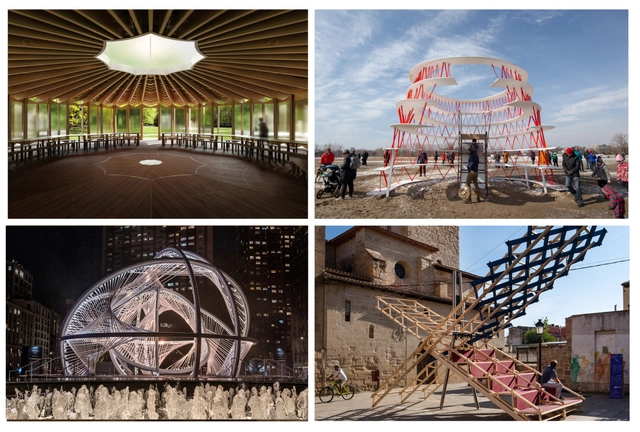











.jpg?1654436110 "Sanjaynagar Slum Redevelopment Project - Technical team holding a meeting with members of the Slum Committee. Image Courtesy of Community Design Agency")