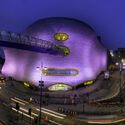
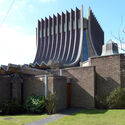
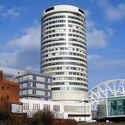
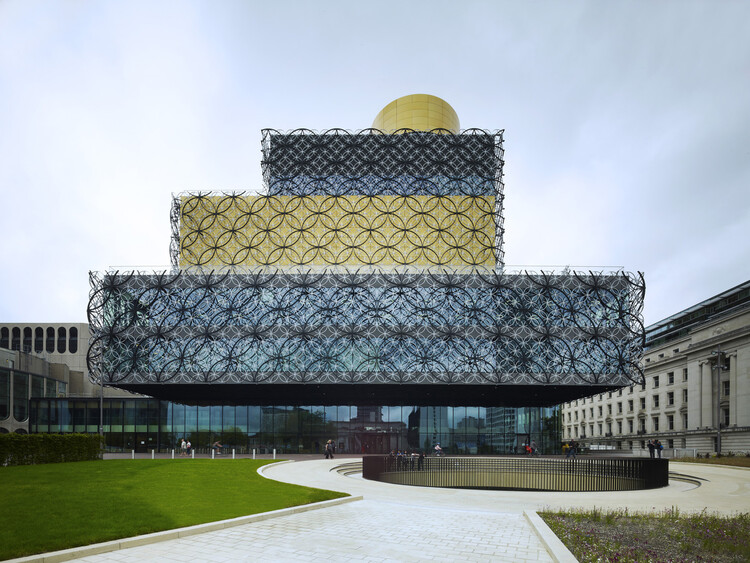
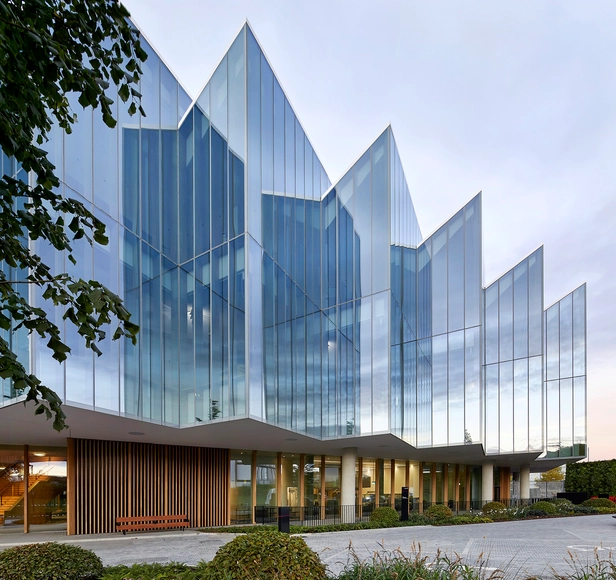
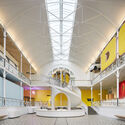
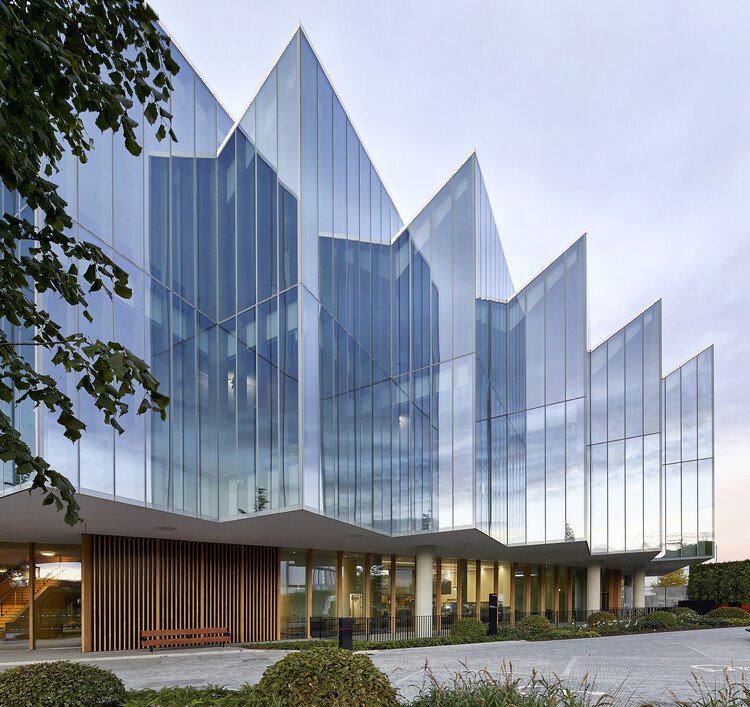
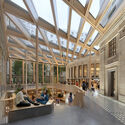
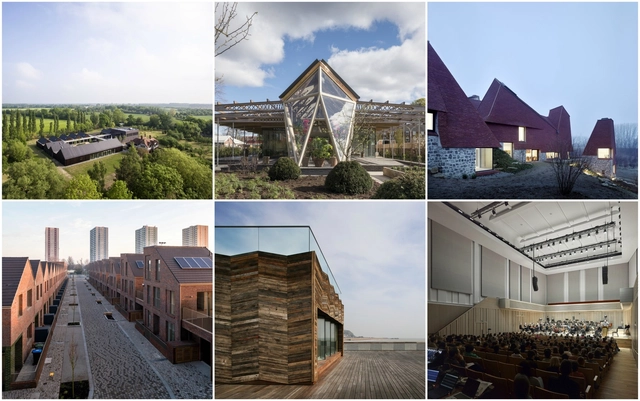
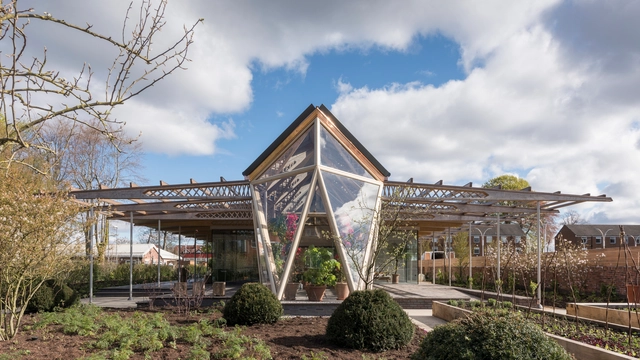
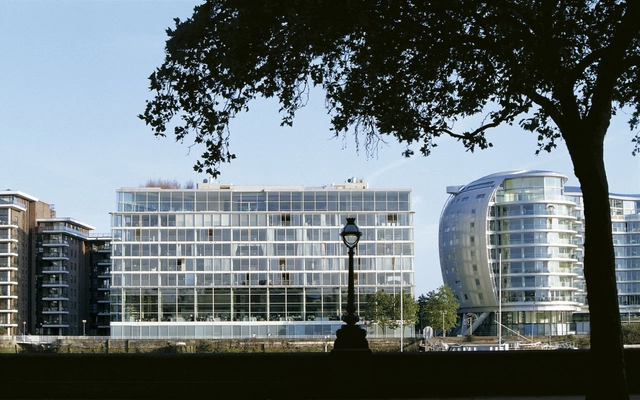
The Royal Institute of British Architects (RIBA) has announced the 20 winners of the 2025 RIBA National Awards, recognising the most significant contributions to architecture across the UK. Presented annually since 1966, the awards celebrate design excellence and provide a valuable snapshot of evolving architectural, cultural, and social trends. This year's winning projects span the length and breadth of the country, from the Isle of Wight to Scotland and Northern Ireland, and represent a wide range of typologies and scales, from major institutional buildings to small-scale residential and community-focused interventions.
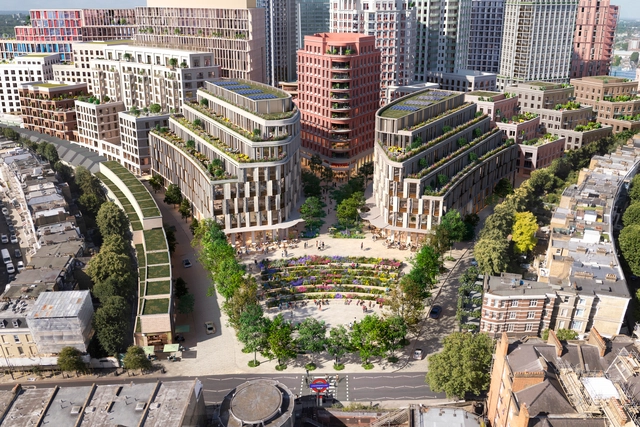
In recent weeks, a series of significant architectural developments have been announced, showcasing the varied work of renowned firms from around the globe. These projects, revealed between late September and October 2024, emphasize the transformative potential of architectural design in rehabilitating historical structures, revitalizing urban areas, and proposing new facilities to meet the evolving needs of communities. Notable names such as Zaha Hadid Architects, Kohn Pedersen Fox (KPF), and Studio Egret West are among those leading ambitious projects, from the waterfront residences on Qetaifan Island in Qatar to the reimagining of London's Earls Court. This collection of recent announcements provides a glimpse into the ongoing evolution of urban landscapes and community-centric architecture.
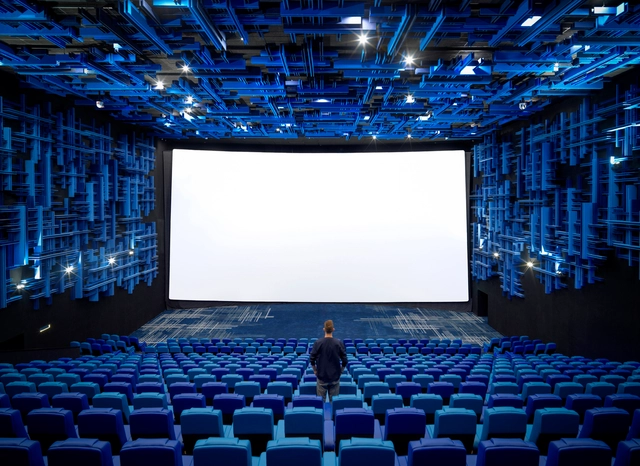
Cinemas mirror architecture. While the coronavirus pandemic shuttered theaters across the world for months, the industry is looking to the future as it aims to rethink the movie-going experience. As crowds flocked to the cinema after the 1918 pandemic, so too will the industry change shape again as it respond to new modes of watching films together.
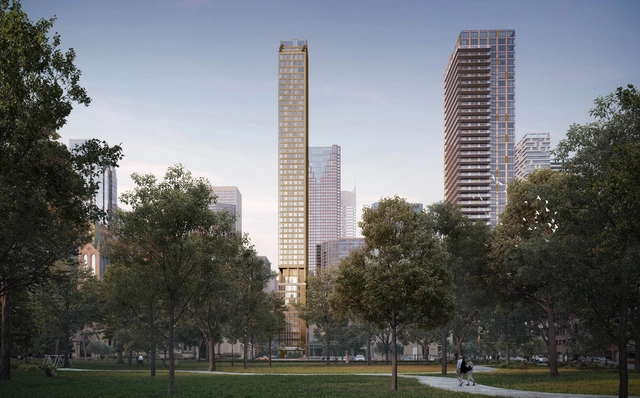
BDP Quadrangle has revealed the design of a 54-storey, mixed-use tower in downtown Toronto, Canada. The project will replace an existing 10-storey office tower built in the 1960s. The new tower will contain office and residential units, with amenities and outdoor terraces on the 11th floor and at the ground floor. The building is planned to accommodate a total of 278 apartments with penthouses on the 52nd and 53rd floors. The project is currently in the pre-construction phase.
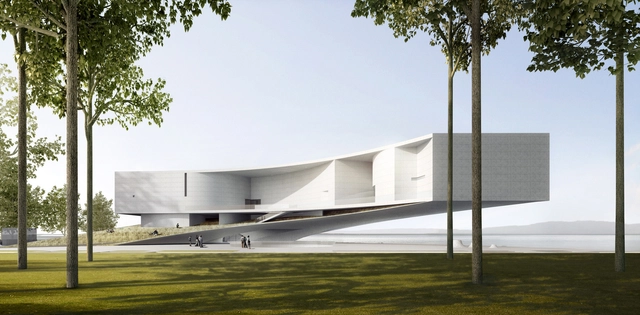
Conceptual Plan of Wuhan Nanhu Art Center. Image Courtesy of Jing Studio
This week’s curated selection of Best Unbuilt Architecture highlights commercial projects submitted by established firms. From art museums to offices, this article explores cultural functions and commercial spaces, and presents projects submitted to us from all over the world.
Featuring a reception center that merges the cultures of China and Italy by aoe architects, and a post-pandemic office building by NBBJ, this roundup explores how established architecture firms have designed buildings that optimize the functions of projects and ensure the comfort of their users. This round up also includes a collection of proposals from KPF Architects, Nordic Office of Architecture, AFF Architekten, along with many other firms, each responding to different spatial needs, facilities, and environments.
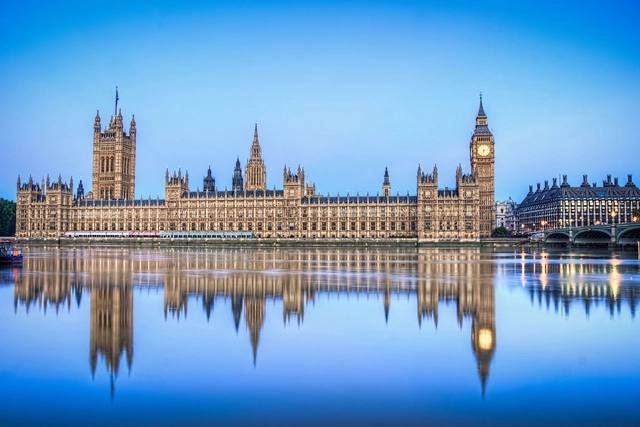
Palace of Westminster, London. Image Courtesy of BDP
Following a two year-long bidding process, British-based international practice BDP (Building Design Partnership) have been chosen to restore and safeguard the future of the Palace of Westminster, the seat of the United Kingdom's parliament. OutbiddingFoster + Partners, Allies and Morrison, and HOK the project is expected to run into billions of pounds and could see the two chambers—the House of Commons and the House of Lords, plus all ancillary support staff—move out of the iconic building for to a decade.
https://www.archdaily.com/876018/bdp-to-restore-london-palace-of-westminster-and-secure-future-for-united-kingdom-houses-of-parliamentAD Editorial Team
The Royal Institute of British Architects (RIBA) has announced 7 projects as winners of the 2017 RIBA North West Regional Awards, with top prize of North West Building of the Year going to Foster + Partners’ Maggie’s at the Robert Parfett Building. These seven buildings will now continue on to compete in the RIBA National Awards, whose winners will make up the shortlist for the prestigious Stirling Prize.
“This year’s awards represent two parallel but linked trends. One is characterised by a dominant interest in the value of re-used existing buildings that benefit from regeneration. The other is the regenerative effect of new buildings themselves,” commented Graham Morrison, North West Regional Jury Chair.
“Though ‘ordinary’ buildings such as housing or offices are coming close to an award-winning level, they are, in their nature, ‘pathfinders’ and there is an understandable caution in their level of investment. This risk pattern favours the existing buildings that more obviously benefit from previous investment but when this caution is eclipsed by confidence, the truly exceptional emerges and this is evidenced by this year’s overall winner.”
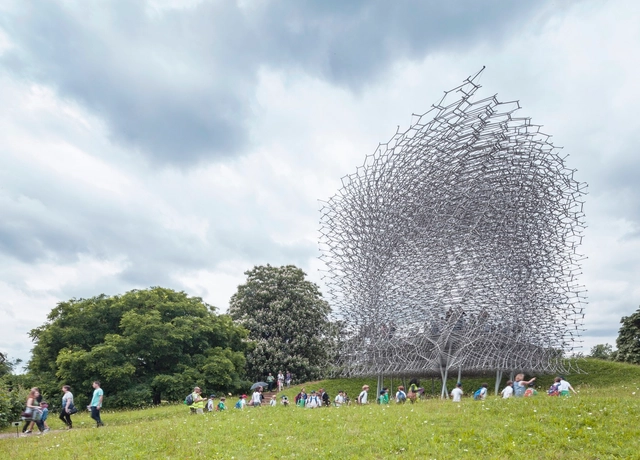
BDP and Wolfgang Buttress’ pavilion, The Hive, has been awarded the 2016 Landscape Institute Award for Best Design for a Temporary Landscape as part of their 2016 awards program.
Judges for the award noted the project’s ability to interact with its site, remarking that they were ‘impressed by the quality and simplicity of the design and execution, in particular the way in which the design works with a sensitive landscape to provide a beautiful and functional temporary setting for the installation, and a longer-term facility for events and education.”
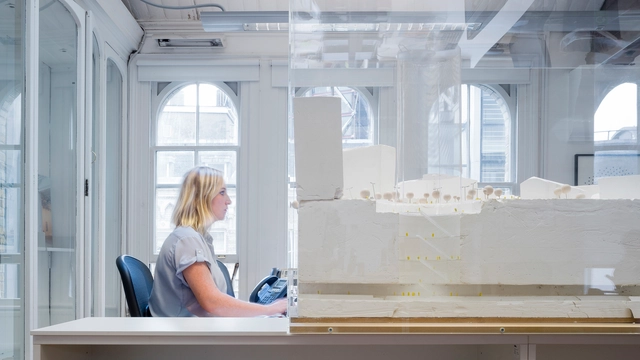
Architectural photographer Marc Goodwin has recently shot the second collection of his "ultra-marathon of photoshoots" – in London. Following his unique insight into the spaces occupied by Nordic architectural offices (based in Oslo, Stockholm, Copenhagen and Helsinki), Goodwin has turned his lens to a broad collection of practices in the British capital, captured in just seven days. From Zaha Hadid Architects' former school to Foster + Partner's monumental studios on the banks of the River Thames, here are a series of surprising places that architectural offices call home.
https://www.archdaily.com/798521/look-inside-a-collection-of-london-based-architecture-offices-marc-goodwinAD Editorial Team
Often, all that is needed for that big break in your career is getting experience at the right firm. But getting your foot in the door is daunting, especially if your ideal firm is one where thousands of other architects are applying constantly, regardless of whether a vacancy has been advertised. In this article originally posted on The Architect's Guide, Brandon Hubbard reaches out to some of the world's top architecture firms (Zaha Hadid Architects, Snøhetta, Perkins+Will, BDP and Callison) to find out how you can maximize your chances in the application process.
I recently reached out to several of the world’s top architecture firms and asked them a series of questions on what they look for in potential architecture job applicants.
After my discussions with these firms I discovered a common theme in how they acquire many new hires. As I covered in a previous article, Want a Great Architecture Job? Don't Send a Resume, many new employees are found through personal references and word of mouth. Developing these relationships within the architecture community is essential for a successful career.
The questions are structured to cover the various steps of the architecture job application process, from the first point of contact to the interview.
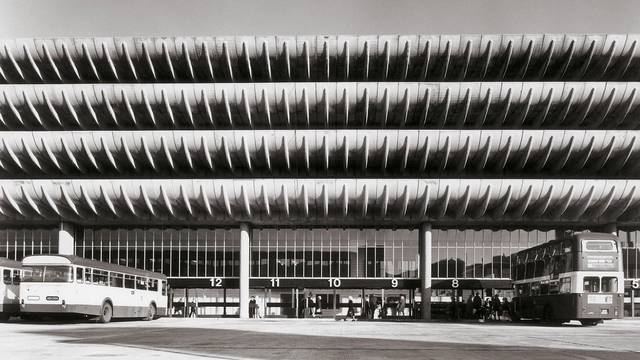
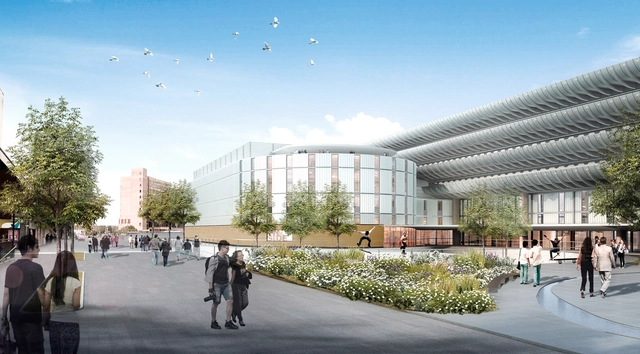
In 2013, following a number of campaigns, a 1969 Brutalist icon in the northern British city of Preston was listed. The future of this bus terminal—one of the largest in the UK and the biggest in Europe when it originally opened—was, until last month, a matter of considerable speculation and debate. This week the results of an international open-call competition for proposals transforming into a new youth centre were revealed, selecting the proposal of New York based practice John Puttick Associates as 'the best of the lot.' The 'lot', however, left something to be desired.
Foster + Partners' Riverside Studios in London. Image Courtesy of Foster + Partners
The Architects' Journal (AJ) have revealed the results of their fourth AJ120 award, an annual survey which ranks the largest and wealthiest practices based in the UK. Partially calculated on the number of ARB-registered (or equivalent) fully qualified architects in employment, the AJ have announced that London based Foster + Partners have topped the 2015 table. Describing the 48 year old practice as an "international powerhouse," employing 312 architects (out of their 1,066 employees worldwide), the survey also shows that "the £185million fees billed by the practice’s architects – up a huge £45 million from last year – made up 38% of the combined total of all of the companies in the Top 10." The survey saw BDP ranked second, while AHMM came in third.
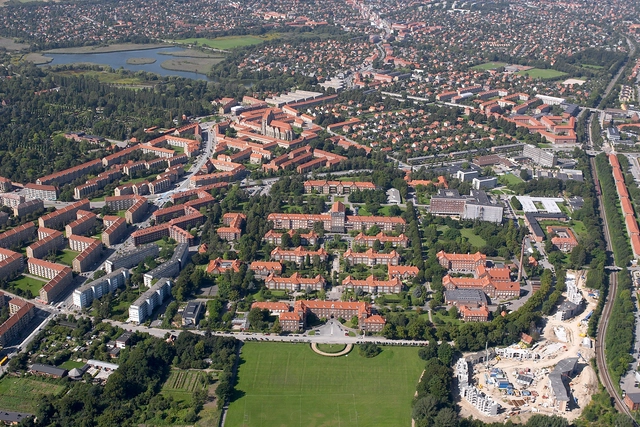
Bispebjerg Hospital . Image Courtesy of http://www.bispebjerghospital.dk
After choosing British firm BDP to design its masterplan (over proposals from Mecanoo and seven others), Copenhagen's Bispebjerg hospital has now announced the all-star shortlists of firms who will compete to design two of the hospital's new buildings.
The “New Hospital and Mental Health Bispebjerg” is a complex 10-12 year project involving the construction of new buildings, the preservation/renovation of listed buildings, and the mergers of the current Frederiksberg and Bispebjerg Hospitals and the Mental Health Centre Copenhagen with the Children’s Mental Health Centre Bispebjerg. All construction will occur while the hospitals remain in operation and at full capacity.
Learn more about the project - including the architects vying to design its new buildings - after the break.