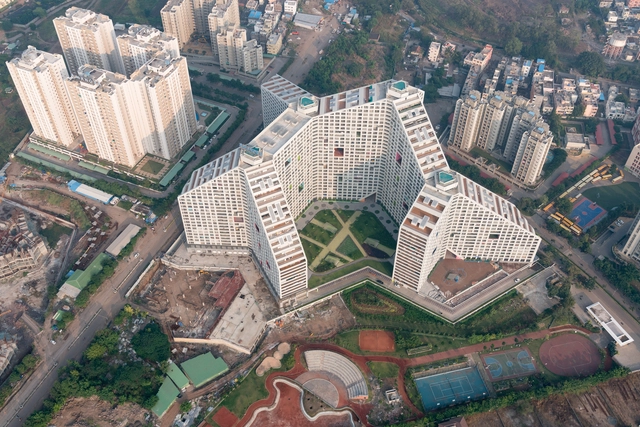
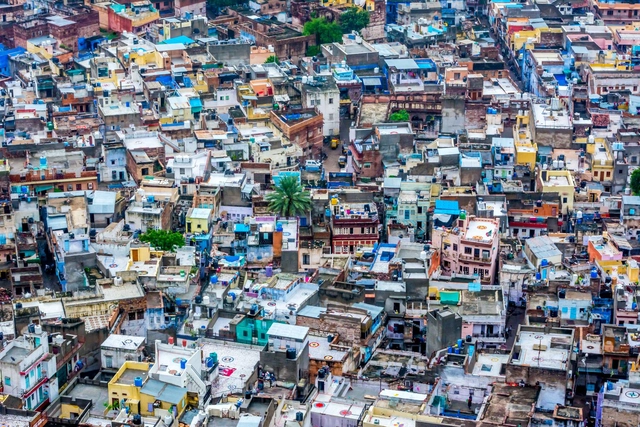
Like most countries, India faces a perpetual housing crisis. As the world’s most populous nation, with an urban population expected to grow from 410 million in 2014 to 814 million by 2050, this becomes a pressing concern. The Indian built landscape brings further complexities in the form of a pervasive market-driven approach and the need for socially relevant housing. Looking into the future, how will India address the needs of its growing population to house the next million urbanites?
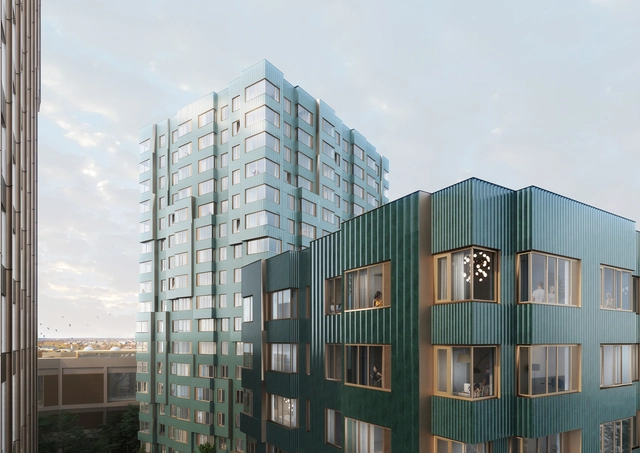
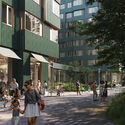
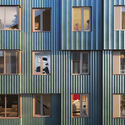
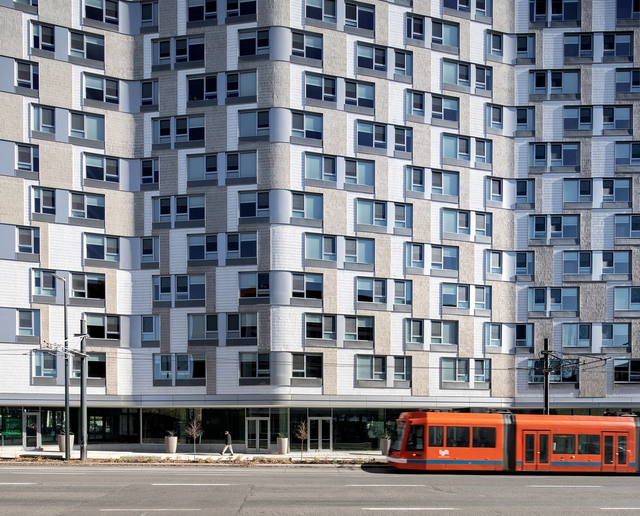
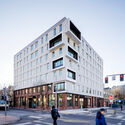
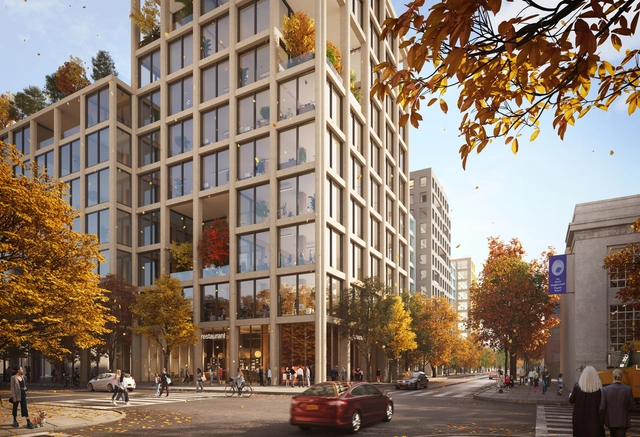
MVRDV has revealed the design of a new residential complex located in the Enterprise Research Campus in the Allston neighborhood of Boston, Massachusetts, a site adjacent to the Harvard Business School. The development, already under construction, features 343 apartments with a quarter of them dedicated to affordable units. It also includes amenities for the residents and retail spaces for small local businesses, aiming to create an inclusive and enjoyable space within the new urban district.
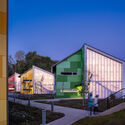
Despite the bad reputation of public housing in the United States, organizations, planners, and architects in Portland, Oregon are determined to create affordable housing that does not sacrifice quality or aesthetic appeal. While Portland has developed a bad reputation regarding its homelessness problem, in the past four years resources have flowed in the right direction, and designers have taken this in stride to design livable and striking buildings, within very restrictive budgets. Through innovative and creative approaches to construction and design, these organizations and designers have utilized federal, state, and city resources to make these types of projects a reality.
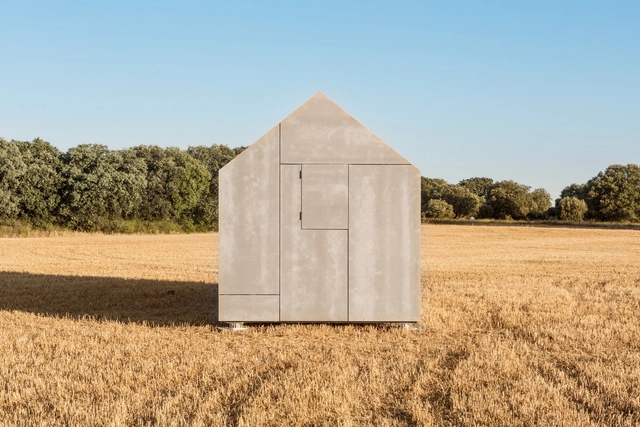
The dream of a home in the suburbs with a white picket fence is changing. Between housing crises and homelessness, mounting debt and downsizing, home ownership has become increasingly less attainable. The tiny house movement is a direct response to these forces, with cities and designers asking whether micro dwellings can address pressing issues or if they are glorifying unhealthy living conditions.
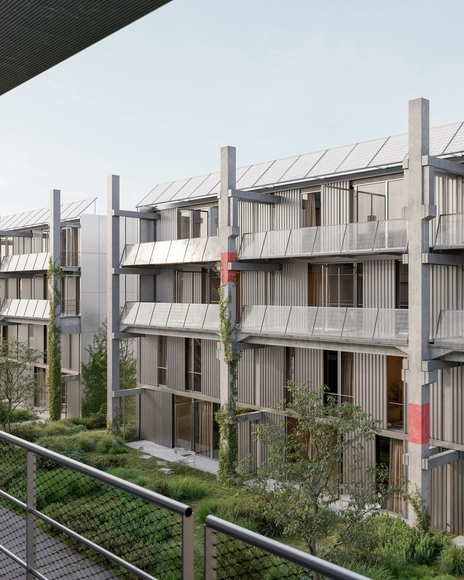
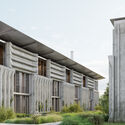
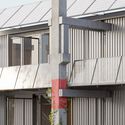
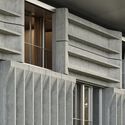
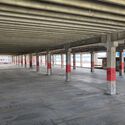
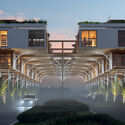
Architectural studio Parabase has been chosen for the development of several plots of Areal Walkeweg in Basel for the purpose of creating affordable apartments and an integrated migration center. The design solution, titled “Elementa,” reuses components from deconstructed cantonal properties, transforming the former columns and floor plates into walls and façade elements. The project was chosen following an open competition, where the international jury favored Parabase’s solution for its strong aesthetics combined with the creative reuse of prefabricated concrete elements.
The COVID-19 pandemic has seen inequalities laid bare, especially when it pertains to the unequal allotment of architectural resources to people. The start of the pandemic saw Europeans who could afford it, for example, leaving the urban metropolises they lived in and going away to their second homes in the countryside. We’ve also seen how poorer people in places like New York, for example, do not have adequate access to green spaces – a critical part of human well-being. Within this conversation is also the issue of social housing - known by multiple names around the world - and how the social housing that gets designed in the present and in the future should respond to ever-changing global needs.
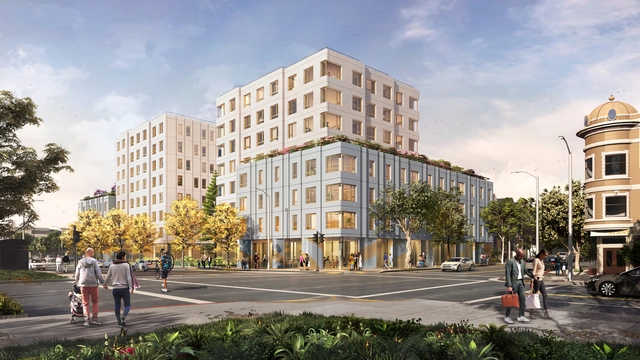
The result of a collaboration between OMA / Jason Long and Y.A. studio, the joint development of 730 Stanyan in the Haight Ashbury neighborhood of San Francisco broke ground. Upon completion, the 8-story building will accommodate 160 units of deeply affordable homes and amenities for low-income people, including formerly unhoused families, and homes and amenities for people with low incomes in San Francisco, including families, formerly unhoused families, and Transitional Age Youth (TAY). The project is scheduled to be completed in the Fall of 2025.
In April 2023, India achieved a significant milestone that will shape the trajectory of its urbanization going forward. According to data from the United Nations, the South Asian subcontinent is now home to over 1.4286 billion people, overtaking the former leader China’s count of 1.4257 billion. With a population boom that is estimated to grow at a 0.7% rate annually, India faces several challenges and opportunities in its path to becoming a global power.How will India’s rising demography influence its built environment?
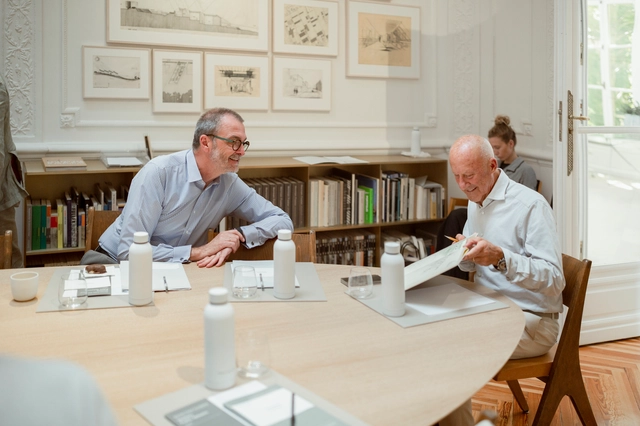
Christophe Levy, Scientific Director at Holcim and Lord Norman Foster. Image Courtesy of Holcim & Norman Foster Foundation
During the 2023 Architectural Biennale in Venice, Holcim and the Norman Foster Foundation will announce the start of their Essential Houses Research Project. Through this collaboration, the Norman Foster Foundation created necessary housing to give displaced communities safety, comfort, and welfare while allowing them to live in temporary settlements for over 20 years. To make sustainable buildings accessible to everyone, Holcim constructed these necessary homes using various green products, such as Elevate Insulation Boards and ECOPact low-carbon concrete.
Image by Martin Pretorius and Raphael Trischler. Buildner San Francisco Affordable Housing Challenge. Image Courtesy of Buildner
To live in a world surrounded by the constant rise of new challenges calls for adaptability, resilience and continuous learning. As a response, design competitions encourage architects to think outside the box to create innovative solutions. Both for theoretical and practical projects, these competitions provide a collaborative platform to promote innovation and creativity to solve contemporary challenges. Such is the case of Buildner, which develops a space for showcasing open architecture competitions to discover new architectural possibilities.
A tool for driving progress by fostering groundbreaking ideas that promote the discussion of critical topics such as affordable housing, sustainability and small-scale architecture, Buildner architecture competitions are key for addressing global challenges. These competitions aim to inspire the next generation of designers to challenge the status quo.
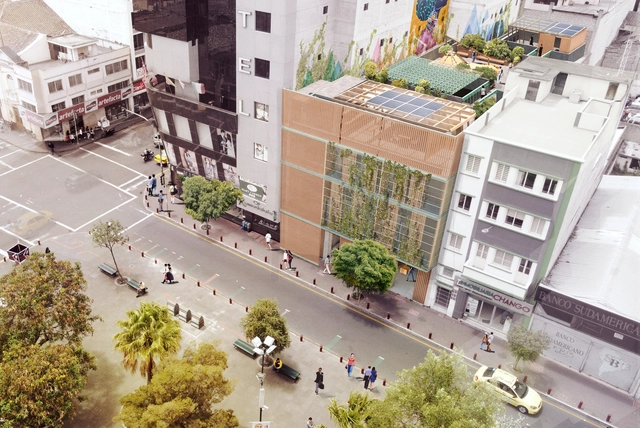
RAMA Estudio has won a competition organized by the Ecuadorian Ministry of Urban Development and Housing (Miduvi) to transform public buildings into social housing. "Casa Cevallos" seeks to give a new face to the Miduvi Tungurahua building, located in front of the Cevallos Park in Ambato, Ecuador, incorporating 16 apartments for 45 inhabitants through 7 adaptable typologies.
Dramatic societal transformations- such as pandemics and technological advancements - call for dramatic shifts in lifestyles. Architects keep up by exploring and proposing new models of housing, each iteration catering to society’s latest needs. The co-living model is one such example that has become a roaring success over the past few decades. Redefining the way people live, co-living seeks to provide a form of cost-effective social housing. Although widely targeted at younger generations, the co-living industryis evolving to cater to various niche groups.
With offices in Zürich, Barcelona and Majorca, the work of Gus Wüstemann Architects is a constant evolution between matter and context. From the strong heritage of timber and concrete construction in Switzerland, to the blurry boundaries of inside and outside found in Mediterranean architecture, Gus' work always put an emphasis on the core values of the local construction and craftsmanship, mixed with the cross learnings of working across different regions.
Currently working on projects such as A Barn, for Demna’s Atelier and Loïc’s Studio, and a mixed use hybrid concrete/timber in Feldmeilen, along with several residential projects in Italy and the Balearic Islands, Wüstemann's architecture can be seen as archetypical, essential or even raw. The interiors are a direct expression of these core concepts, with a brut aesthetic.
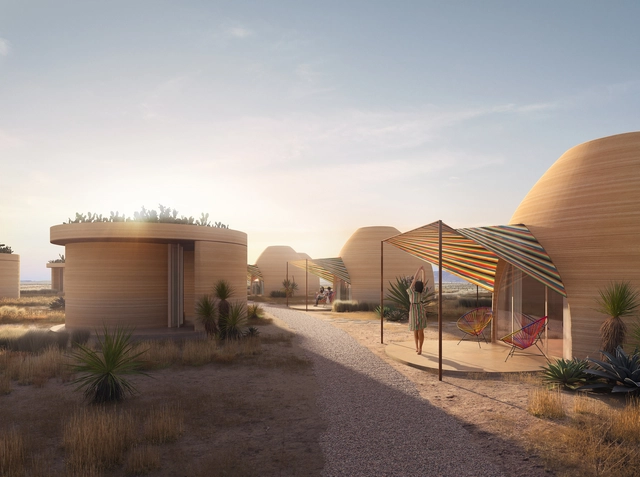
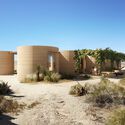
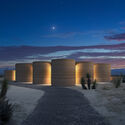
El Cosmico 3D-printed Hotel - exterior. Image Courtesy of ICON, BIG for El Cosmico
Hospitality expert Liz Lambert has announced a collaboration with ICON, the office that pioneered large-scale 3D printing, and BIG – Bjarke Ingels Group, to rebuild El Cosmico, a campground hotel in Marfa, Texas. The team plans to relocate the venue to a 62 acres plot, where new architectural approaches are made possible by including advanced technologies and 3D-printing elements such as domes, vaults, and parabolic forms. The innovative development will feature guest accommodation and new hospitality programming, including a pool, spa, and shared communal facilities. The project is expected to break ground in 2024.
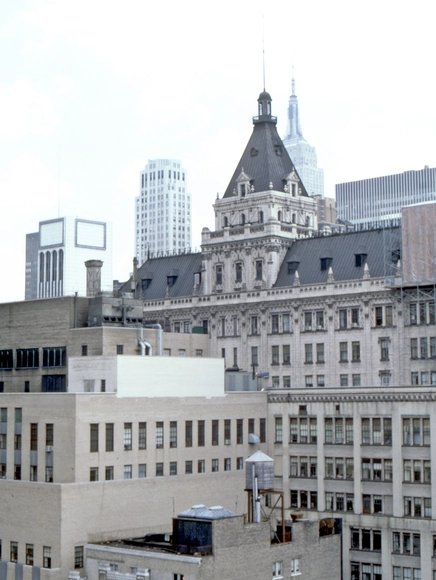
This file is licensed under the Creative Commons Attribution-Share Alike 3.0 Unported license.The New York Times Building, 1984. Image via Wikimedia
The hosts and producers of the Uncertain Things podcast, Adaam James Levin-Areddy, and Vanessa M. Quirk, conduct interviews with experts with a variety of experiences to answer the question, “Now what? How did we get here and what is next?”. In this episode with Michael Kimmelman, they touch upon many interesting subjects, namely, The New York Times institution and its evolution, Kimmelman’s new book the Intimate City, and our overall understanding of communities in cities.
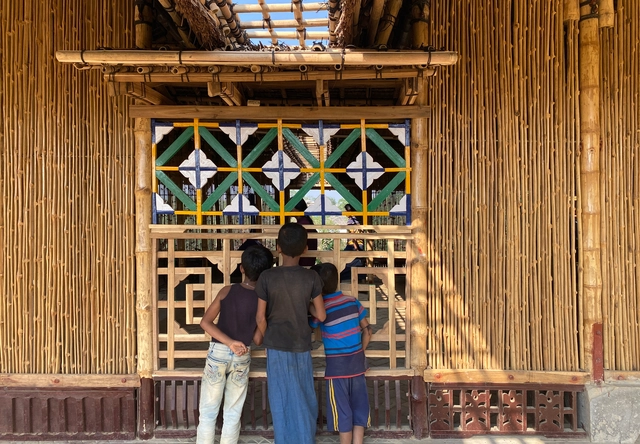
Architecture has been criticized for being a primary elitist indulgence. Most architectural projects are funded by the wealthy and seen as a means of bringing beauty into the surrounding environment. Architecture, however, is a double-sided coin with functionality balancing out aesthetics. With the ability to strategize radical solutions, architects equally find themselves at the forefront of solving complex issues. The context of Southeast Asia offers a demanding challenge with various social problems, giving architects a chance to save the world with humanitarian design.
New York City Council has approved Innovation QNS, a neighborhood-focused initiative in Western Queens, designed by ODA. The five-block master plan generates two acres of open space, community health & wellness facilities, hundreds of affordable apartments, and thousands of jobs. The project was initiated in 2020 as part of New York's effort to recover from the impact of the COvid-19 pandemic, and it aimed to revitalize a largely dormant block area in Astoria, Queens, and transform it into a vibrant, walkable, and diverse creative district.
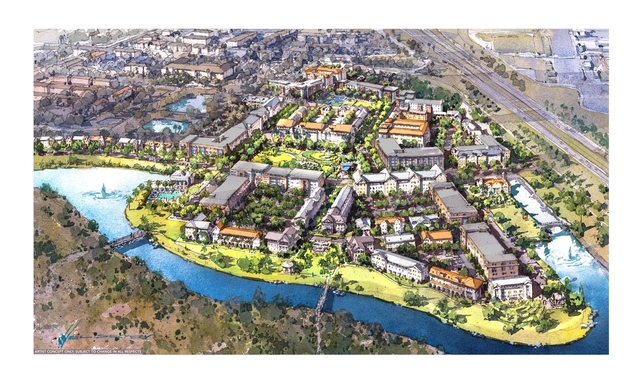
Community development proposals in Disney World come from back days. One of Walt Disney's last visionary projects was the Experimental Prototype Community of Tomorrow (EPCOT), a center for American enterprise and urban living. Disney advocated that the problems of cities were the most critical issues facing society and planned a city that could develop in a controlled manner, contrary to the urban expansion in the USA during the first half of the last century. After Disney died in 1966, the "EPCOT" concept was abandoned as the company was uncertain about the feasibility of operating a city. Fifty- five years later, after a thorough search, Walt Disney World chose The Michaels Organization for its experience in building and managing attainable housing communities.