According to the World Population Clock, the human population reached 8 billion on November 15th. According to the UN, this milestone represents a celebration of human longevity due to improvements in public health and medicine, but it also comes with warnings about inequality, limited access to food and resources, and environmental damage. Despite the impressive number, the annual World Population Prospect report shows that the global population is growing at the slowest rate since 1950, and it predicts a continued deceleration in the second half of this century.
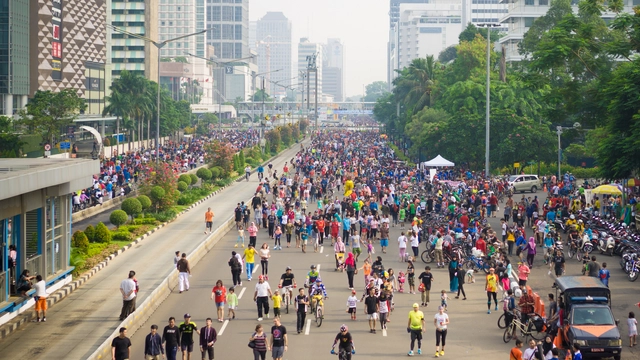
As more than half of the worldpopulation lives in cities, an estimated 55.7%, according to UN-Habitat’s latest reports, the urban challenges are growing exponentially. The UN expects this number to increase to 68% by 2050, with close to 90% of this increase taking place in Asia and Africa. Accelerated urbanization can pose significant risks, such as increasing inequality, poverty, sectorized development, social exclusion, and pollution. In this context, a well-balanced urban agenda becomes crucially important in achieving inclusive, safe, and sustainable cities.
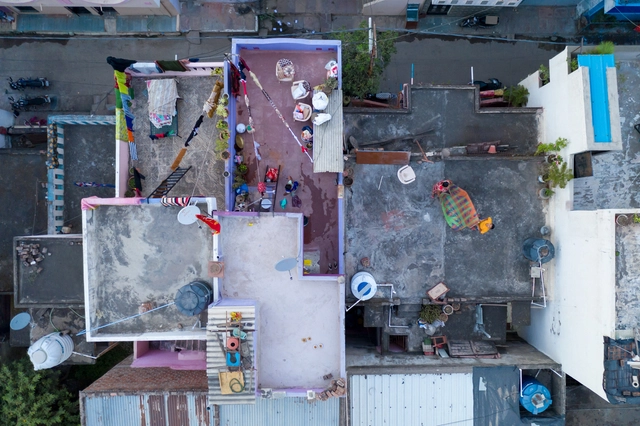
Aranya Community Housing / Vastu-Shilpa Consultants . Image Courtesy of Vitra Design Museum
In almost every Indian language, a colloquial term for “family” - ghar wale in Hindi, for example - literally translates to “the ones in (my) house”. Traditionally, Indian homes would shelter generations of a family together under one roof, forming close-knit neighborhoods of relatives and friends. The residential architecture was therefore influenced by the needs of the joint family system. Spaces for social interaction are pivotal in collective housing, apart from structures that adapt to the changing needs of each family. The nuanced relationship between culture, traditions, and architecture beautifully manifests in the spatial syntax of Indian housing.
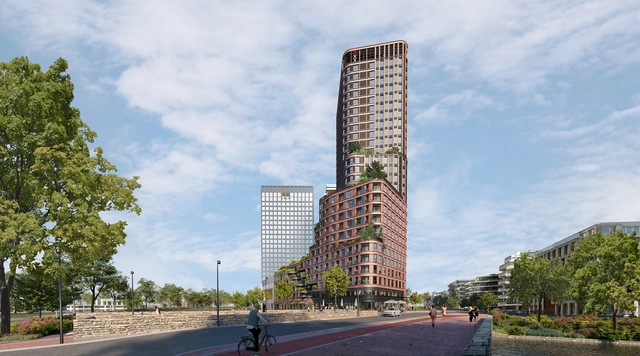
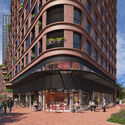
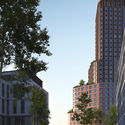
Brink Tower by Mecanoo was just granted planning permission and construction works are planned for mid-October 2022. Located in Amsterdam, the Netherlands, the 90-meter-high building, developed by Xior Student Housing and DubbeLL – winners of the competition for this tower together with Mecanoo Architecten in 2020- will offer a mixed program, including spaces to live, work, and relax in a healthy environment. The residential tower is set to create an" energy-positive, green, and inclusive neighborhood" and contribute to the development of Overhoeks in North Amsterdam.
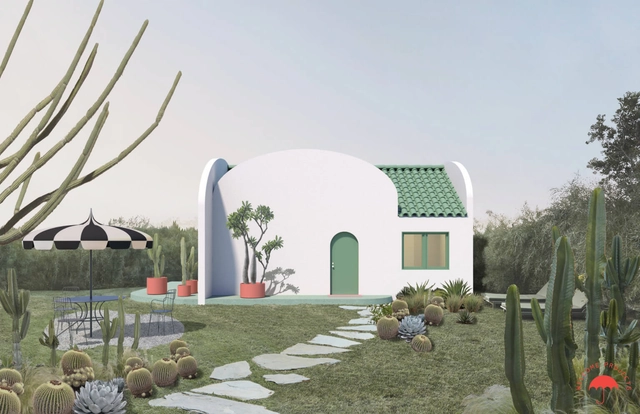
The Breadbox ADU . Image Courtesy of Los Angeles Department of Building and Safety and WELCOME PROJECTS
In a time where housing prices are unattainable and residents are looking to downsize their homes more than ever, enter the concept of Accessory Dwelling Units (ADUs). These small and highly customizable homes are taking backyards across the United States by storm, enabling homeowners to build homes on their land, and rent them out to tenants.
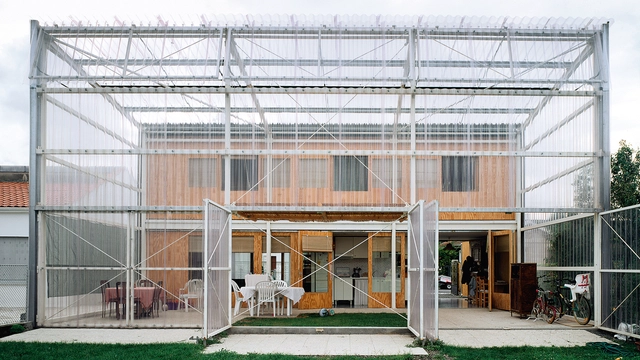
LaBoqueria is an architecture studio in Barcelona that has the experience of multiple local and international collaborations. This global, multidisciplinary and participative perspective allows them to have a renewed and different vision of architecture.
Focusing on social, economic and environmental aspects, they seek to approach their projects in a comprehensive way, bringing together the different people involved in the process. Among their works are the housing building La Balma carried out together with the architects' cooperative Lacol; the Reformation of premises together with Marta Peinado Alós; and the Ca's Bouer House together with Jordi Queralt.
ArchDaily, interested in collaborative and participatory processes through the theme Democratization of Design, conducted an interview with LaBoqueria to learn about their main inspirations, challenges and visions.
Fortunately, architecture has the power to solve numerous issues of the modern world and how we live in it, and there are infinite ways of doing so. However, not all architecture is effective in providing solutions while also being sensitive and thought-provoking. With a portfolio that is getting richer every year, SO–IL, an architecture practice based in New York City, has proven that buildings can actually do this and much more.
Access to adequate housing is a human right. But with prices rising dramatically, incomes not growing proportionally and ineffective public policies, the lack of secure, affordable homes is fueling an ongoing global housing crisis. In fact, 90% of 200 polled cities were found to be unaffordable to live in, with the impact of COVID-19 only worsening the situation and forcing much of the world’s population to settle for precarious living conditions. This is only expected to aggravate in the not-too-distant future; by 2025, the World Bank estimates that 1.6 billion people will be affected by the housing shortage.
Vantem is a startup construction company manufacturing high-efficiency, net-zero homes at competitive costs and low embodied carbon. The company recently raised a Series A round of investment from the Bill Gates-founded firm Breakthrough Energy Ventures. Net-zero homes, buildings that produce as much energy as they use, are typically cheaper to own than standard housing. Still, they often involve high construction costs since they require advanced building technologies and engineering. Vantem aims to change this dynamic by employing modular construction technology.
In the framework of the UIA 2022 International Forum "Affordable Housing Activation: Removing Barriers", the Consejo Superior de los Colegios de Arquitectos de España (CSCAE) has developed a useful tool: the first dynamic atlas on access to housing. This atlas brings together on a single platform more than 4,000 financial, urban context and development indicators from the main international organisations, from official and non-structured sources, making it easy to understand, read and interpret. These organisations include, for example, the World Bank, the Ibero-American Development Bank, the International Monetary Fund, and the World Health Organisation, among others.
Housing will always be a theme and challenge for architects. Thinking about it in a way that serves the entire population, including the most precarious contexts, is one of the most complex, and perhaps impossible, tasks to be fully consolidated. Each place and family will always place different priority points on a project, which is why resorting to a standard solution is not ideal. However, several proposals present intervention possibilities that create an intricate seam between the most different factors: basic infrastructure, program, self desires, aesthetics, budget. For this reason, we have gathered here some Brazilian examples of affordable housing, ranging from a single-family house to large residential blocks.
Mayor of New York, Eric Adams, expressed his support for a state bill that would make it easier for the city to convert underutilized or vacant hotels into affordable and supportive housing. The mayor urges New York state legislators to unlock a critical tool in combating the affordable housing crisis and tackling homelessness in the process. The conversion framework proposed by the bill would allow authorities to create affordable housing units at two-thirds of the cost and one-third of the time necessary for ground-up construction.
In the architectural conversations taking place today, sustainability is a key topic of interest. Architecture firms embrace the term as a key part of their design ethos, and architecture schools globally have integrated designing “green” architecture as a core component of their curriculums. This sustainability conversation has also filtered down into more individual actions one can take within their immediate context. Online, for instance, guides abound on how you can make your home more eco-friendly and energy-efficient.
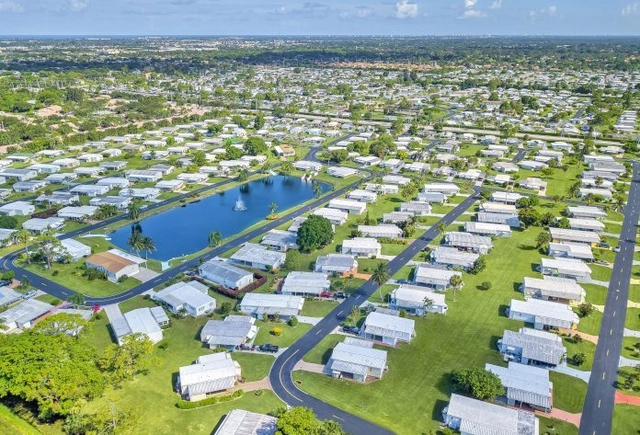
Royal Manor Mobile Home Park. Image Courtesy of MH Village
The future of manufactured homes may reinvent the form of something that already widely exists- trailer parks. All across the United States, these small homes are being reimagined by architects by utilizing more sustainable materials, inventive construction techniques, and value engineering to create affordable homes and reinvent the once negative connotation that surrounded this housing typology.
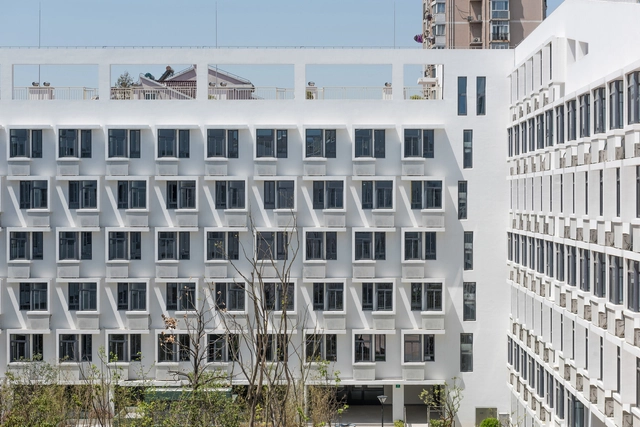
Longnan Garden Social Housing Estate / Atelier GOM. Image Courtesy of Atelier GOM
Saskia Sassen, the Robert S. Lynd Professor of Sociology at Columbia University, predicts in her co-authored book “The Quito Papers and the New Urban Agenda” that, in the future cities will become our crucial battlefield as we continue to fight against gentrification and growing degree of isolation in our communities. Sassen argues that, “Cities should be an inclusive space for both the affluent and the poor. Nevertheless, in reality our cities never achieved equality for all, because our cities were never designed that way. Still cities ought not to be a place that tolerates inequality or injustice”.
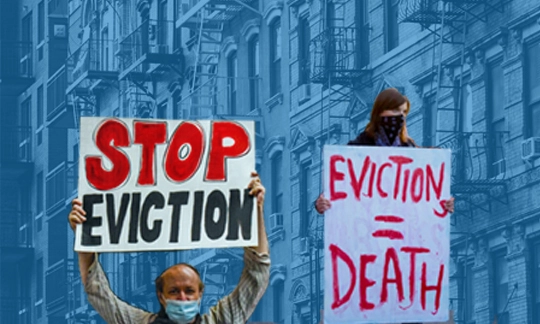
One of the big economic factors of the COVID-19 pandemic has been the issue of tenant evictions and rent moratoriums. As millions of people quickly lost their jobs, it meant that they began to struggle to pay their rents. Now, as the economy slowly begins to recover and some return to work, there’s been pushback on the moratoriums, with landlords and tenants being split on how to move forward with the future payments. Tenants still can’t pay their rent and landlords themselves are burdened by the lack of income. But what this tug of war really sheds light on is how out of reach the costs of living have become in some of the densest cities, and how housing in some ways has been seen as an amenity, not a necessity or a basic right- even in a global pandemic.
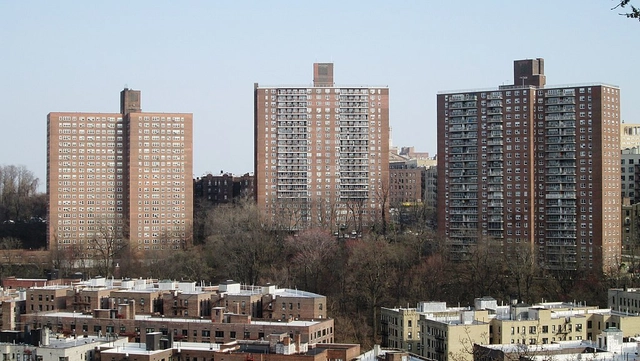
In the world of design and urban planning, aesthetics and functionality seem to take the spotlight, especially in how large-scale housing projects are developed. While this can be a good thing that continuously pushes the modern boundary of what we consider to be a dwelling, in some aspects, it has shined a negative light on how we perceive and stigmatize “bad design” in public and affordable housing, the socioeconomic factors that have created the need for it, and the types of residents who benefit most from these types of housing policies.
Rooftop water tanks are a familiar part of the New York City skyline, persisting through generations of the city's rapid growth. Yet despite their nostalgic affect and somehow endearing states of relative decay, their decrepit outward appearances may belie their water's quality. In 2014, it was found that many of these weathered containers had actually built up layers of grime and that some even contained E. coli. In 2019, the city finally passed legislation mandating annual inspection reports for all drinking water tanks, though these changes are still nascent.
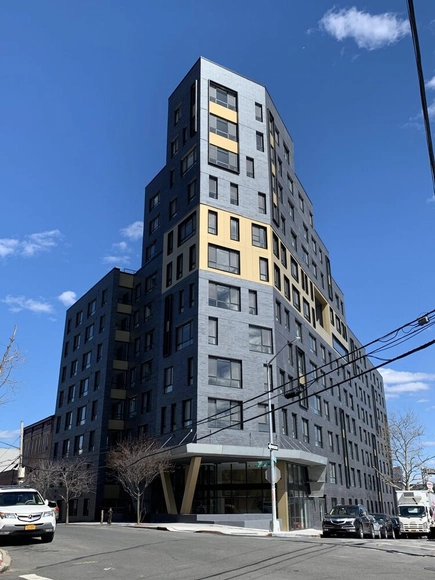
https://www.archdaily.com/964000/new-affordable-living-in-the-bronx-chooses-a-luxury-hot-water-systemLilly Cao
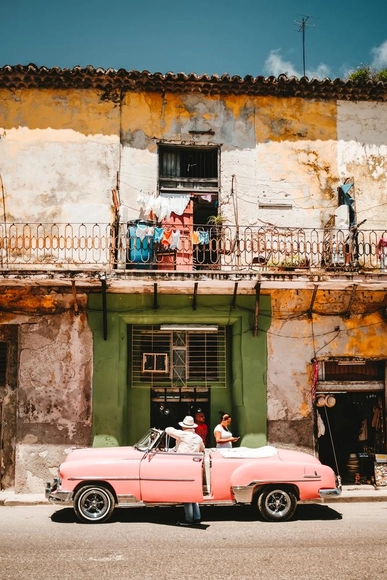
The average age of a home in Cuba is just over 75 years old, and three of them collapse every day.Cuba’s housing crisis is perhaps one of the most unique examples of urban inequity in the world. While the island nation’s extensive history of waves of foreign influence has largely shaped their government, and in turn their public policies and urban planning strategies, they yet have been able to stabilize their long-standing housing crisis- forcing thousands of Cubans to live in derelict homes or public shelters. Now, many questions are being raised about how they will build new housing, repair the existing structures, and revise laws that allow Cubans to have more autonomy in the homeownership process.