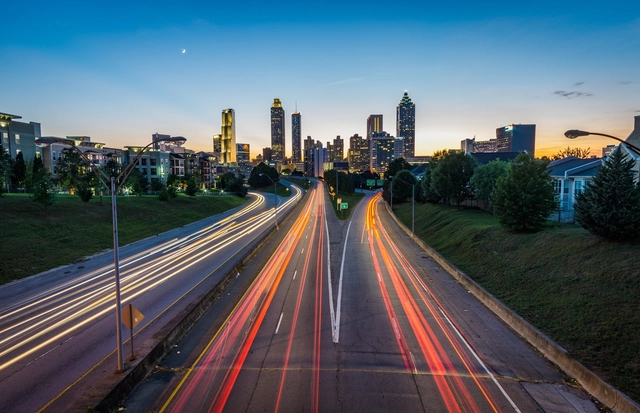
As Covid-19 spread across the globe last year, cities underwent a transformation unlike any we had seen in the last century. The sudden disappearance of both human and automotive traffic as people bunkered down under quarantine was visible in cities worldwide and, astonishingly, continued even after quarantine restrictions were lifted.
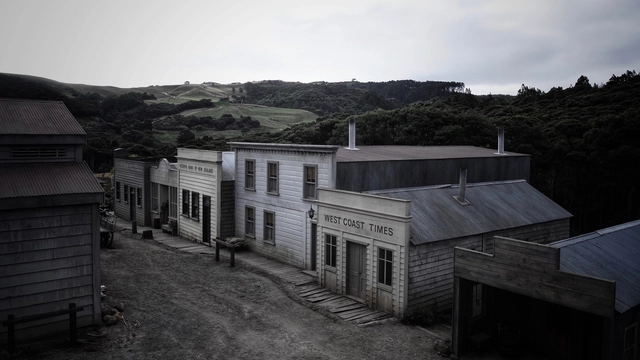
Production designer Felicity Abbott is behind the great staging of The Luminaries, a mini-series that takes place in New Zealand during the 1860s West Coast Gold Rush. In the below interview, she tells us her thoughts on the connection between films and architecture, addressing her work process and the main challenges on this set.
The Chicago Architecture Biennial (CAB) and the Danish Arts Foundation (DAF) have selected Soil Lab as the winning project of a DAF Open Call for a major new commission in the North Lawndale neighborhood of Chicago. Responding to the biennial’s 2021 edition theme The Available City, led by Artistic Director David Brown, the proposal, chosen to represent Denmark at the 2021 Chicago Architecture Biennial, was imagined by an international design team that includes Eibhlín Ní Chathasaigh (Dublin), James Albert Martin (Dublin), Anne Dorthe Vester (Copenhagen), Maria Bruun (Copenhagen) and Chicago residents.
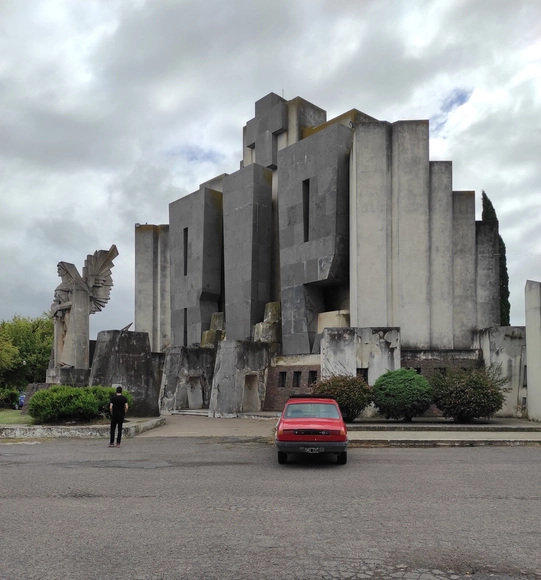
In only a few years, Italian-Argentine architect and engineer Francisco Salamone developed more than 60 buildings throughout the small towns of Buenos Aires Province as a part of the conservative government's push to develop the province's municipal buildings.
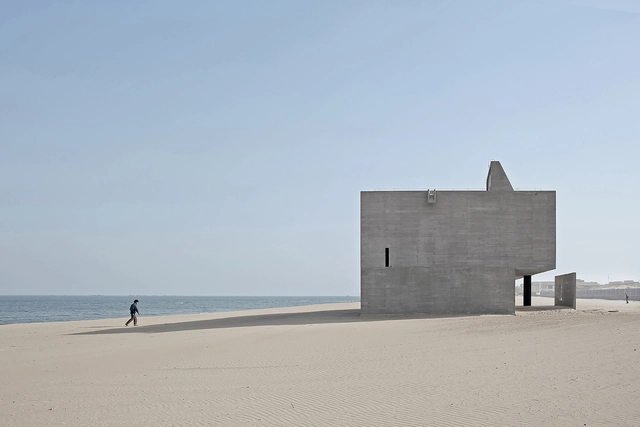
As architecture has evolved to include advanced building envelopes, innovative structural systems, and hybrid programs, new boundaries have been drawn. Sustainable practices and passive strategies have led architects to re-imagine building skins and the relationship between interior and exterior. While different typologies are designed with varied levels of permeability, libraries demand rigorous attention to performative facades and protected programs. This holds especially true when libraries are placed within radically changing landscapes.
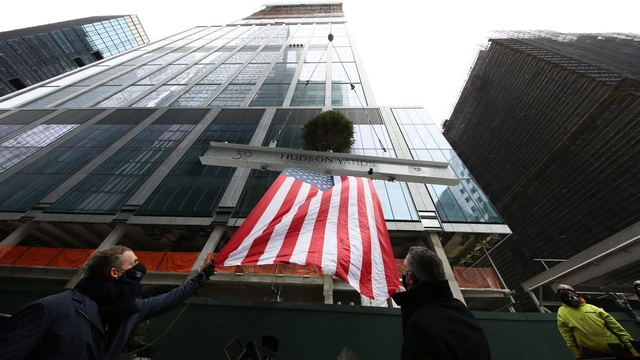
The 50 Hudson Yards skyscraper by Foster + Partners has topped out in New York. As one of the largest office buildings in the city, the project has become the fourth-biggest office tower by square footage. The 58-story office tower includes very large floor plates for up to 500 employees on each floor. The tower is the latest in a series of projects rounding out the Hudson Yards on the western edge of Manhattan.
At the 2016 Venice Architecture Biennale, curator Alejandro Aravena decided to reuse 100 tons of material discarded by the previous Art Biennale to create the new exhibition halls. Besides preserving 10,000 m² of plasterboard and 14 km of metallic structures, the initiative intended to give value, through design, to something that would otherwise be discarded as waste. The project also shed light on another observation: as architects, we generally restrict ourselves to thinking about buildings during the design process, construction phase, and at most through the use phase. We hardly think of what will become of them when they are demolished at the end of their useful life, an issue that should urgently become part of the conversation.
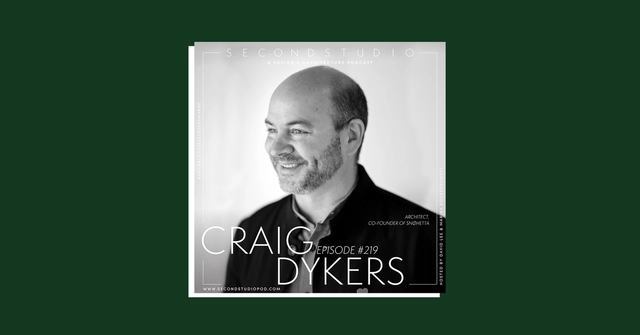
The Second Studio (formerly The Midnight Charette) is an explicit podcast about design, architecture, and the everyday. Hosted by Architects David Lee and Marina Bourderonnet, it features different creative professionals in unscripted conversations that allow for thoughtful takes and personal discussions.
A variety of subjects are covered with honesty and humor: some episodes are interviews, while others are tips for fellow designers, reviews of buildings and other projects, or casual explorations of everyday life and design. The Second Studio is also available on iTunes, Spotify, and YouTube.
This week David and Marina are joined by Craig Dykers, co-founder of Snøhetta, to discuss how architecture can cause both segregation and innovation in offices and in the U.S. Capitol; having meaningful dialogue with non-architects; the messiness of life; creating beautiful architecture that aids the larger society; the struggle for equality; a brief history of the contemporary profession of architecture and its current state; relying on theory in architecture; and more. Enjoy!
https://www.archdaily.com/957232/craig-dykers-many-people-dont-want-messiness-they-want-beauty-that-is-beyond-perfectionThe Second Studio Podcast
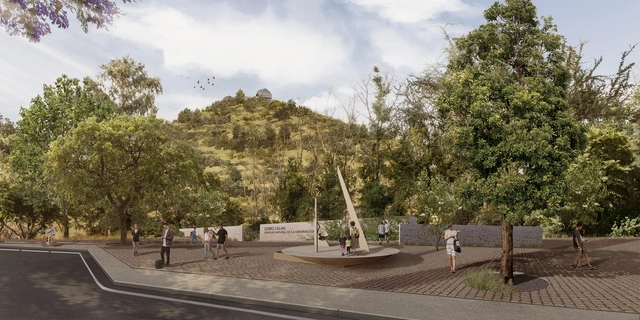
Acceso al parque . Image Cortesía de Parque Observatorio Cerro Calán
The panel of judges overseeing the design contest for Parque Observatorio Cerro Calán in Santiago (Chile) publicized their final decision on January 28, naming Chilean firm Jadue-Livingstone as the winner out of the five finalists.
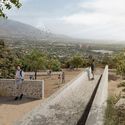
Organized by the Las Condes Municipality in collaboration with the University of Chile and the Cerros Isla Foundation, the contest aimed to find the best architectural and landscape design for an upcoming park in Santiago, Chile: the Parque Observatorio Cerro Calán, a 45 hectare space to be built around the already existing Observatorio Astronómico Nacional.
How many changes have you done to your interior space during this past year? Whether it was a change of furniture layout, repainting the walls, adding more light fixtures or perhaps even removing them, after spending so much time in one place, the space you were once used to didn’t make sense anymore. We could blame the overall situation for how we’ve been feeling lately, but as a matter of fact, the interior environment plays a huge role in how we feel or behave as well. However, if you were wondering why some neighbors seem much more undisturbed and serene even in the midst of a pandemic, it could be because the interior is greener on the other side.
Sustainable design in the United States is for many a sort of Rorschach test. The construction industry is either making steady progress toward the ultimate goal of a carbon-free building sector, or it’s moving entirely too slowly, missing key targets as the ecological clock keeps ticking. The perplexing truth to all of this is: both are ostensibly true. In recent decades the industry has become significantly more energy efficient. We’ve added building stock but flattened the energy curve. The cost of renewables continues to drop. But way more is required, much more quickly. At the same time, huge hurdles remain. Without a renewable grid and stringent energy codes, it’s hard to see how we can fully decarbonize the building sector in even 20 years, let alone at the timeline suggested by increasingly worried climate scientists. It’s the classic good news/bad news scenario (or vice-versa, depending on your mood).
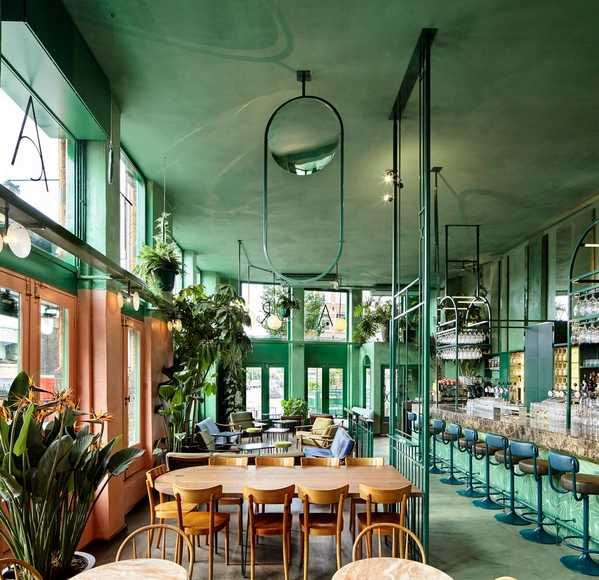
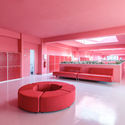
We know that colors can influence our sensations and cause different perceptions of a space, which confirms the benefits of designing a consistent color palette and its importance in architectural projects. The impact of color on a space and on the people who use it becomes even more perceptible when the whole environment is covered with just one color. In these cases, the selected shade can be applied to countless architectural elements. Floors, ceilings, walls, furniture, or even pipes and electrical conduits can have a specific hue to match the monochromatic environment.
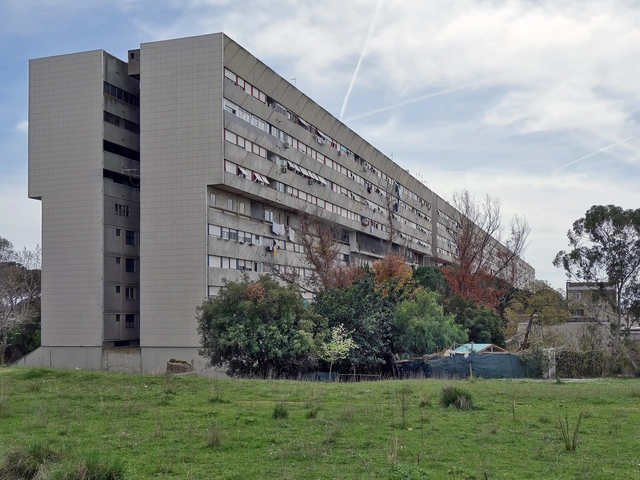
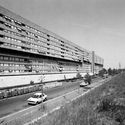
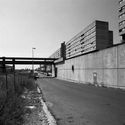
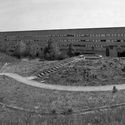
The Corviale housing complex, located in the south-western periphery of Rome, was designed in the 1970s as a solution to the growing number of dormitory districts in the Roman suburbs, caused by the significant population increase between the 1950s and 1970s - when the population grew from approximately 1.6 million to 2.7 million inhabitants - followed by suburban sprawl.
The project, also known as Serpentone because of its huge proportions, was developed by a team of architects under the leadership of Mario Fiorentino between 1972 and 1974. Construction took place between 1973 and 1982, but the original plan to use the fourth floor of the main building for commercial uses, services, and common areas, was dropped because the contractor went bankrupt. The floor was eventually taken over by informal settlements, and this event is considered to be the root of the problems with this emblematic project in the history of housing in Italy.
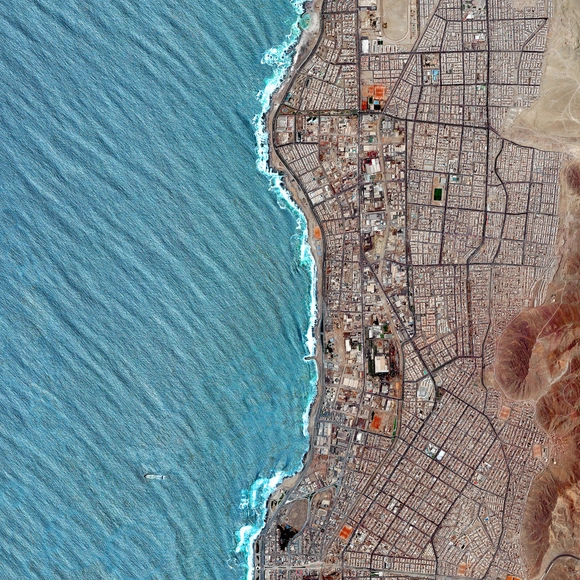
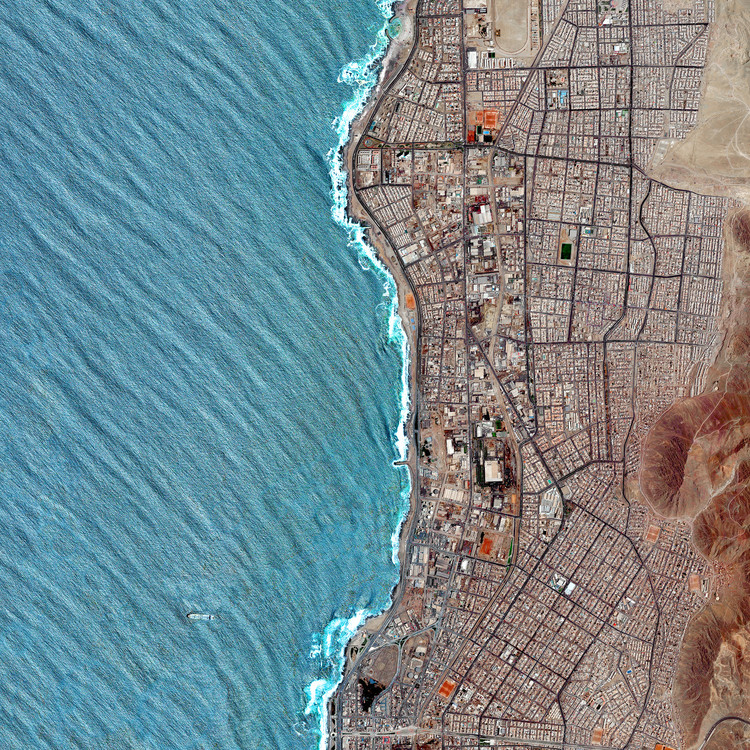
Antofagasta, Chile. Created by @overview. Source imagery: @maxartechnologies
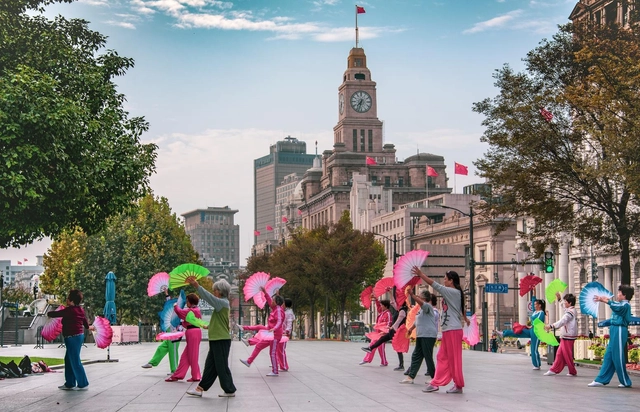
“There seems to be a public image of any given city which is the overlap of many individual images," American urban planner Kevin Lynch once said. "Or perhaps there is a series of public images, each held by some significant number of citizens,” he added.
Following this remark, in his book "The Image of the City" (1960), Lynch begins an analysis around the elements that constitute what he considers to be the image of the city. While introducing, describing, and illustrating these elements as physical, perceptible objects, Lynch considers that other non-physical factors such as history, function, or even the name of the city also play a significant role in the construction of this imageability.
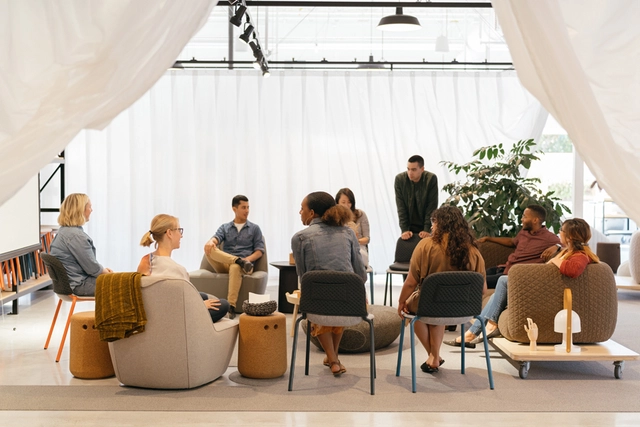
“Change drives innovation. We must continually evolve into what a successful workplace looks like,” said Nicole Senior, director of workplace experience, Tinder. Change, innovation and human connection were topics of prominence in a December 17 Think Tank, hosted by Rapt Studio, and titled “Looking Back, Looking Forward: Workforce Lessons for 2021.”
Do you feel vulnerable as you walk through public spaces? If you are a woman, the odds of answering yes to this question are certainly greater since men are less likely to choose a longer route only to avoid a dark section of the street, or to ponder on what clothes to wear so that they do not feel exposed in public. In this sense, it seems almost obvious that cities designed by men should be perceived as threatening environments, rather than a place where women feel welcome. So, to imagine egalitarian cities, should we persist in a reflection of a gender-oriented approach?
https://www.archdaily.com/956585/how-can-gender-impact-the-future-of-urban-lifeCamilla Ghisleni e Victor Delaqua
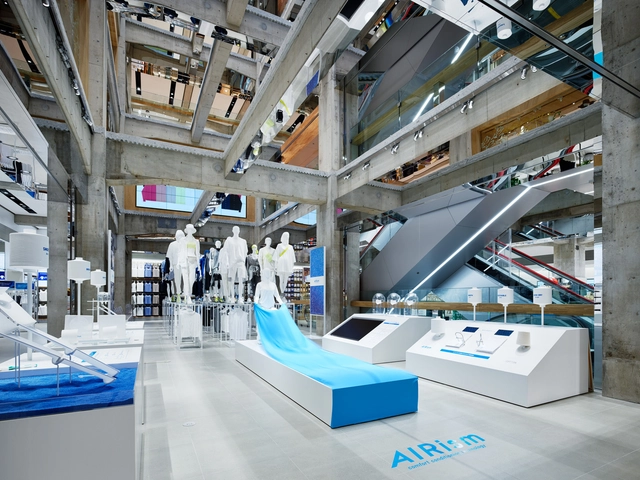
You might be surprised by this, but the days of shopping in stores are long from over-, in fact, they’re experiencing a renaissance, and are creating a whole new type of design and experience to bring consumers back through the doors. The rise of e-commerce and the pause caused by the COVID-19 pandemic have served as a perfect catalyst for creating a whole new type of experience through unique design features, technological advancements, and customization that will revitalize physical stores in the future.


.jpg?1613993872&format=webp&width=640&height=580)

















.jpg?1612184961&format=webp&width=640&height=580)

.jpg?1612184961)