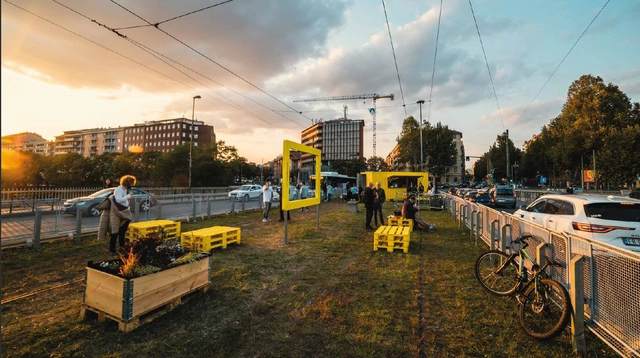
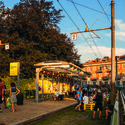
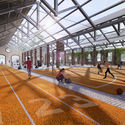
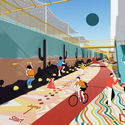
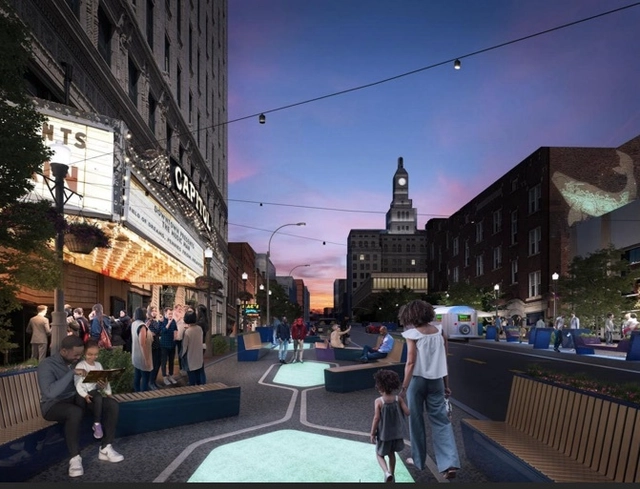
Ever since the tramline’s closure, the 800-meter-long strip in the center of Corso Gabetti and Ponte Regina Margherita in Turin, has been abandoned. To make use of the dead area and give residents an extra space outdoors following Italy's severe pandemic repercussions, non-profit cultural association Torino Stratosferica has transformed the tree-lined strip into Precollinear Park, a temporary public space fit for socially-distanced leisure.
Courtesy of OUTCOMIST, Diller Scofidio + Renfro, PLP Architecture, CRA - Carlo Ratti Associati and Arup
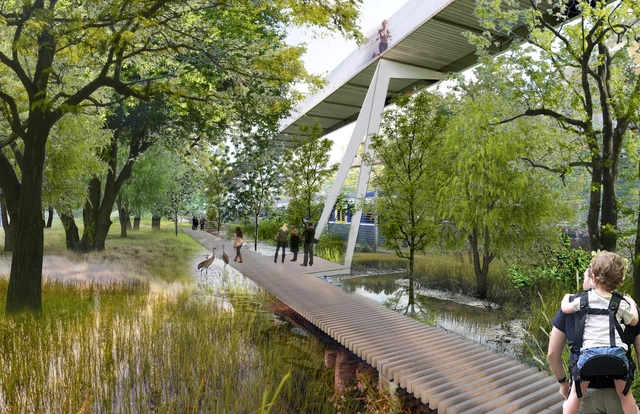
Led by OUTCOMIST, an international design team including Diller Scofidio + Renfro, PLP Architecture, CRA - Carlo Ratti Associati, and Arup won the competition to revitalize the Porta Romana Railway Area, transforming the industrial site into a diverse green neighborhood in Milan. Rehabilitating a disused railway yard into a connective tissue that links the southeast area of the city to the center, the development will generate a rich biodiverse public space, including a large urban park.
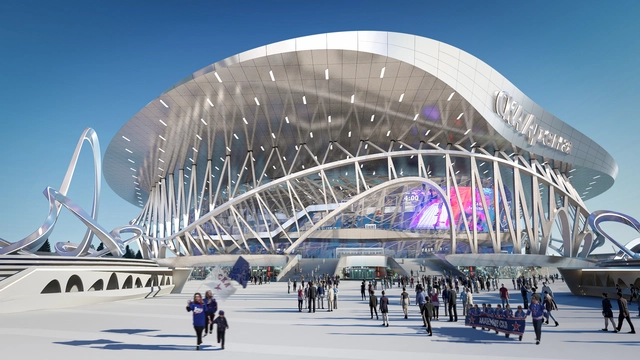
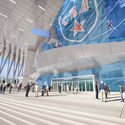
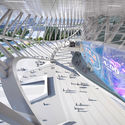
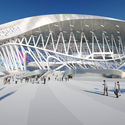
Vienna-based architecture firm Coop Himmelb(l)au has won an international competition to redesign the CKA Ice Hockey Arena and Park in St. Petersburg, Russia. The design of the complex is inspired by Russian Constructivist architecture, an era that redefined architecture with the works of Tatlin and El Lissitzky, and removed the limitations of construction and movement. The structure and general layout of the arena is based on Tatlin's “Monument to the Third International,” where it is translated as the flowing, dynamic movement of a person skating around the stadium.
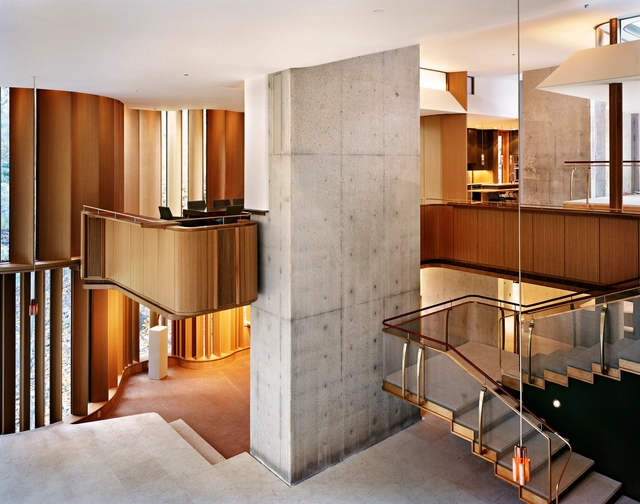
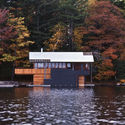
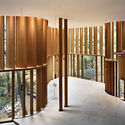
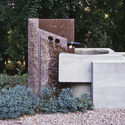
The Royal Architecture Institute of Canada awarded the 2021 Gold Medal to the architectural duo Brigitte Shim and A. Howard Sutcliffe. The distinction is a recognition of the architects' long-lasting and pivotal contribution to Canadian architecture.
Videos
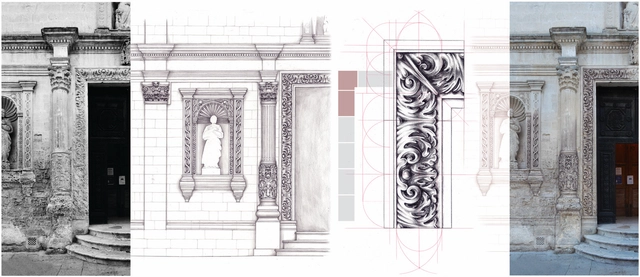
Mariapia di Lecce (commended, Hybrid category): Reconstruct with drawing. Hand drawing for graphic analysis.. Image Courtesy of Sir John Soane's Museum
If there is any word that describes what architectural renders look like nowadays, it would be: impressive. The immense world of rendering has allowed people to engage in virtually-built environments, exploring each space and experiencing what they might hear or feel as they walk by one room to another without being physically present in the project.
The main purpose of a render is to help viewers visualize what the final result of the project will look like. Whether it is for presentation or construction purposes, architects need to translate their visions in a way that helps people who were not involved in the ideation process understand the space and the experiences that come with it. However, not all architects have the proper skills or the time to create such hyper-realistic environments, but with the exceptional quality of visuals being produced nowadays and the rising demand, it has become somewhat mandatory for every project to be presented as a realistic 3D render. So if you are one of those architects who don't have the skills nor time, here are ways you can present your project as an immersive visual experience that translates its identity without resorting to 3D software.
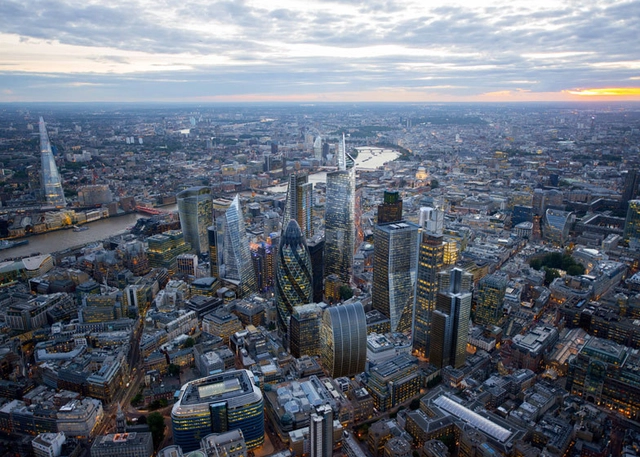
Central London. Image Courtesy of CPAT / Hayes Davidson / Jason Hawkes
The Architects Registration Board, which is responsible for the licensing and registration of architects in the United Kingdom, has announced that UK architects no longer have an automatic recognition of their qualifications in EU countries following the country’s exit from the Union. This decision signifies that architects who wish to pursue their career in the Union’s 27 countries, are obliged to present compliance certificates and specific documentation to relevant authorities in each country.
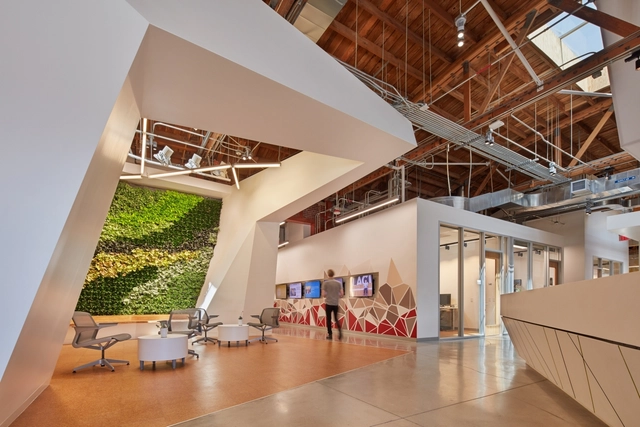
Japan plans on transforming the area around Shinagawa station into a global hub, further connecting Tokyo to the international scene of business and innovation. The Connecticut-based architecture firm Pickard Chilton recently completed the masterplan and concept design for the area's redevelopment into the Global Gateway Shinagawa, an innovative urban environment.
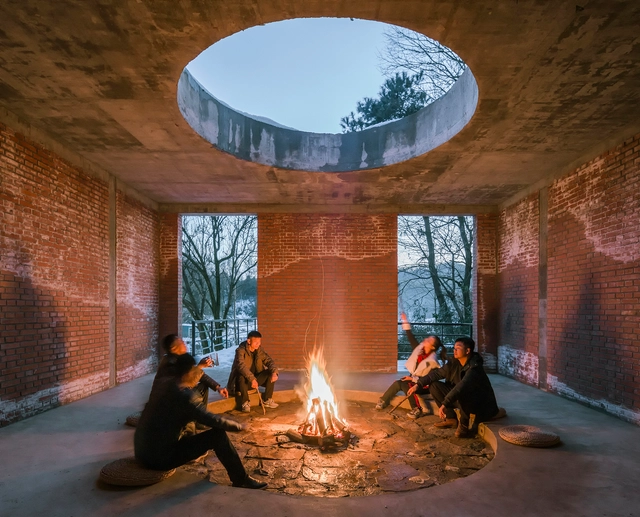
The slogan "Stay Home" has been guiding people throughout the past year, making us rediscover our home as a place of refuge, shelter, and protection. Within this new status quo, much has been discussed about the important role played by architecture and interior design in improving both the physical and mental wellbeing of its inhabitants.
From the most complex to the most simple, we have been revisiting various design strategies in search of a sense of comfort and seclusion in our homes. Although we are living in the most technological age of all, we find ourselves drawn to the most fundamental elements, as if returning to our origins.
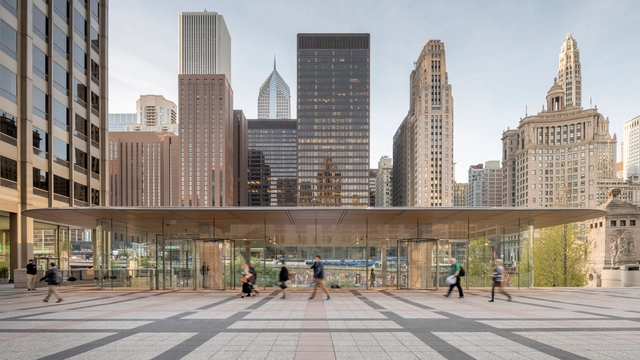
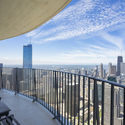
Chicago has long been a center of design. The third-most populous city in the United States with one of the world's largest and most diversified economies, the Windy City is a hub for commerce, transportation and culture. Chicago has continuously redefined hospitality architecture long before the pandemic, and the city will once again take stock as it looks to reimagine the future of travel and entertainment.
Davenport Master Plan . Image Courtesy of Downtown Davenport Partnership
WXY Studio has partnered with the Downtown Davenport Partnership (DDP) to develop Davenport 30: A Resilient City, a new master plan that aims to provide a sustainable and inclusive city that reconnects its citizens to the surrounding neighborhoods. The award-winning architecture and urban design studio’s proposal focuses on revitalizing the city’s urban fabric and turning it into an innovative hub for businesses, entertainment, and leisure, all while prioritizing the citizens’ health.
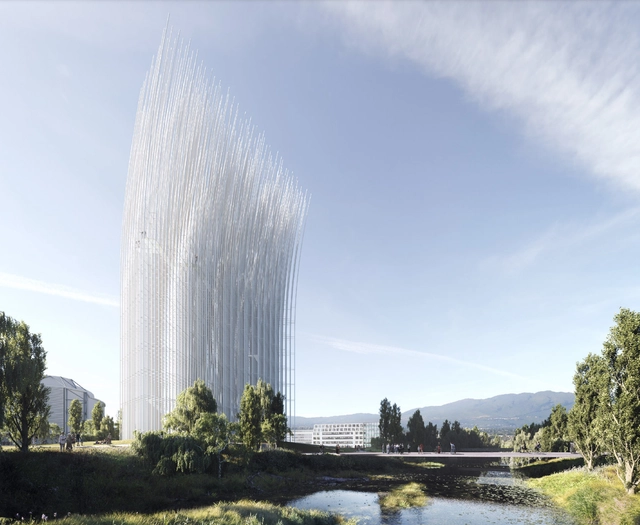
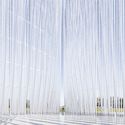
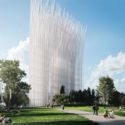
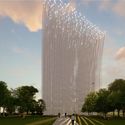
SMAR Architecture Studio has won the Urban Confluence competition to envision a new landmark for Silicon Valley. The Breeze of Innovation project is a forest of kinetic rods swaying in the wind creating a mesmerizing visual effect.
February 2021 has been a historical month for Mars exploration. While humans have been exploring the red planet for well over 50 years, first landing on its surface in 1971 and then launching the first successful rover in 1997, this year has seen several firsts, namely the first time that three countries (China, United States, and the UAE) have launched three simultaneous probes.
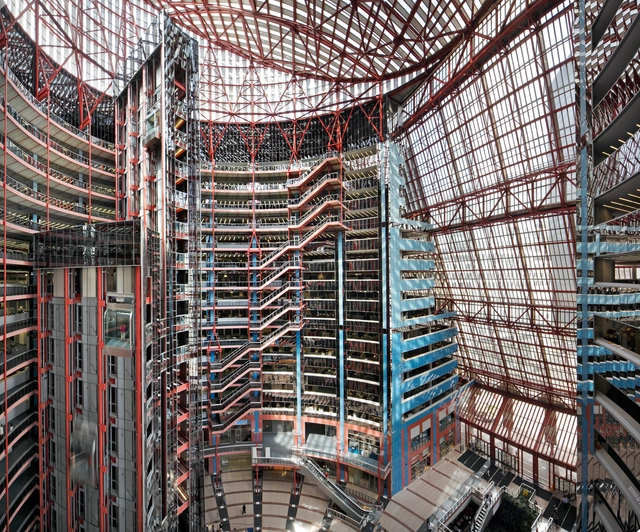
It would seem that the ongoing saga of the James R. Thompson Center, Chicago’s beloved but neglected governmental office building-slash-postmodernist mecca, might be reaching its final act.
Yesterday, Brendan Reilly, alderman of the city’s 42nd ward, announced a proposed rezoning ordinance that could kick the sale of the prized 3-acre site (12,140 m2) at 100 West Randolph Street into high-gear. The cash-strapped State of Illinois has been considering/trying to offload the property as early as 2003.
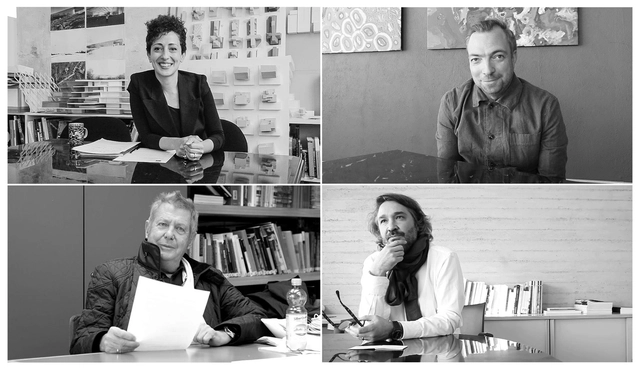
Simple in form but complex in substance, “What is Architecture?” remains an existential question for a lot of architecture students and young professionals. In an attempt to define this ever-changing interrogation and expose the different visions out there, the interview series: WIA – What is architecture? asks four, straightforward, questions to world-leading architectural designers and thinkers. Seeking to uncover their opinion on what architecture is and what it can do, these short videos reveal responses to “What is architecture? What can architecture do? What is your architectural position? and What is your design method?”.
The Second Studio (formerly The Midnight Charette) is an explicit podcast about design, architecture, and the everyday. Hosted by Architects David Lee and Marina Bourderonnet, it features different creative professionals in unscripted conversations that allow for thoughtful takes and personal discussions.
A variety of subjects are covered with honesty and humor: some episodes are interviews, while others are tips for fellow designers, reviews of buildings and other projects, or casual explorations of everyday life and design. The Second Studio is also available on iTunes, Spotify, and YouTube.
This week David and Marina give an introduction to what architecture is, covering how architecture is different from 'buildings'; the key aspects of a work of architecture (and what makes for good architecture); why architecture is necessary, but also unnecessary; the common belief that architecture only pertains to the exterior of buildings, the common focus on styles; whether or not architecture is subjective; and more.
https://www.archdaily.com/959496/the-second-studio-podcast-on-why-architecture-is-necessary-but-also-unnecessaryThe Second Studio Podcast
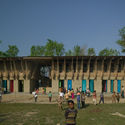
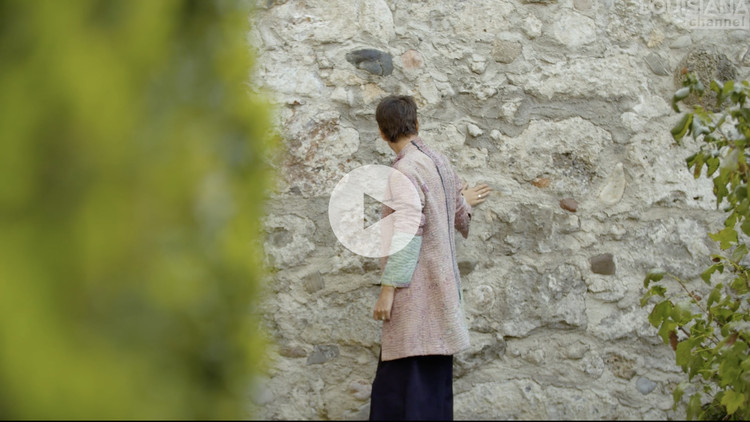
Talking to the Louisiana Channel, German architect Anna Heringer outlines the way she works and her multi-disciplinary approach to architectural practice. Growing up in a small town at the Austrian-Bavarian border close to Salzburg - Heringer spent a year living and working in Bangladesh at the age of 19, a place that is now home to a majority of her office's projects. Heringer describes herself as a mix of things in addition to being an architect, describing herself as an activist and a development worker - using her creativity to explore ideas in a variety of forms and media.















_Atchain.jpg?1617649894&format=webp&width=640&height=580)
_Lifang.jpg?1617649814 "© Lifang Courtesy of Pickard Chilton")
_Lifang.jpg?1617649761 "© Lifang Courtesy of Pickard Chilton")
_Lifang.jpg?1617649682 "© Lifang Courtesy of Pickard Chilton")
_Atchain.jpg?1617649557 "© Atchain Courtesy of Pickard Chilton")
_Atchain.jpg?1617649894)






.jpg?1613994000&format=webp&width=640&height=580)


.jpg?1613994000)