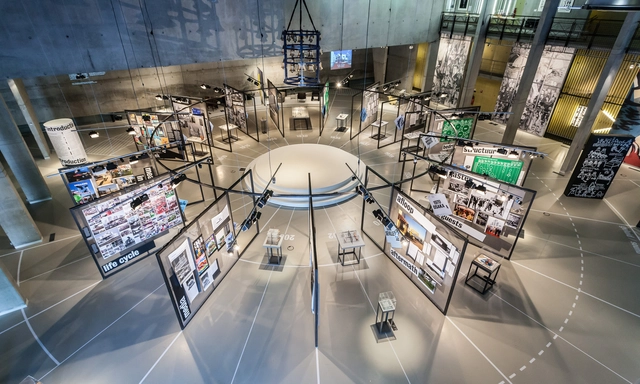
Among the most renowned and well-established offices in the world, OMA - Office for Metropolitan Architecture, founded in the 1970s by Rem Koolhaas, Elia Zenghelis, Madelon Vriesendorp, and Zoe Zenghelis, is definitely part of the pantheon of the most famous. Curiously, although it receives large commissions and has already built several emblematic works in different countries, the office is often associated with an approach that is less focused on architectural design, going beyond the strict limits of the disciplinary field and encompassing other areas of practice.
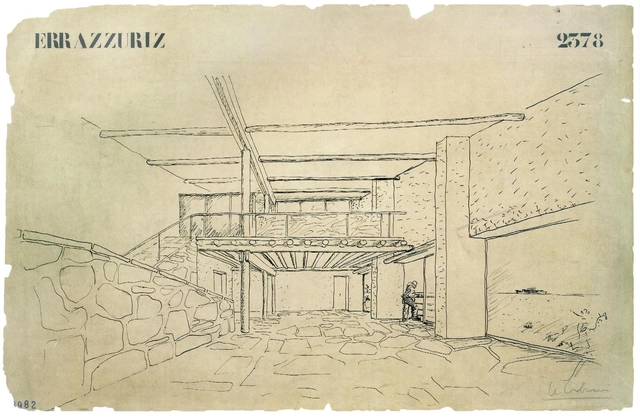
Sometimes architecture’s most influential designs remain unbuilt. Their mark on the world is larger than the physical footprint of the building despite it never breaking ground. This is the case for the Errazuriz House designed in 1930 by Le Corbusier for a Chilean diplomat to Argentina. The house was intended for the mountains of Zapallar Chile overlooking the Pacific Ocean. Its primary design feature, the uneven butterfly roof, was intended to reference the peaks and ridges of its surrounding terrain. This is the first instance of a butterfly roof, which would become a staple of post-war houses in California, built by the thousands. This video explores the Errazuriz house, its history, its design, and takes us on a virtual walkthrough of its digital reconstruction.
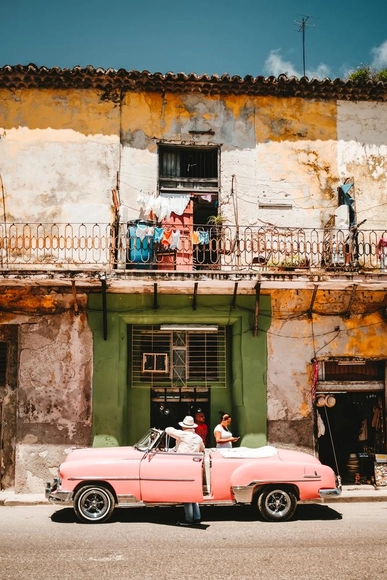
The average age of a home in Cuba is just over 75 years old, and three of them collapse every day.Cuba’s housing crisis is perhaps one of the most unique examples of urban inequity in the world. While the island nation’s extensive history of waves of foreign influence has largely shaped their government, and in turn their public policies and urban planning strategies, they yet have been able to stabilize their long-standing housing crisis- forcing thousands of Cubans to live in derelict homes or public shelters. Now, many questions are being raised about how they will build new housing, repair the existing structures, and revise laws that allow Cubans to have more autonomy in the homeownership process.
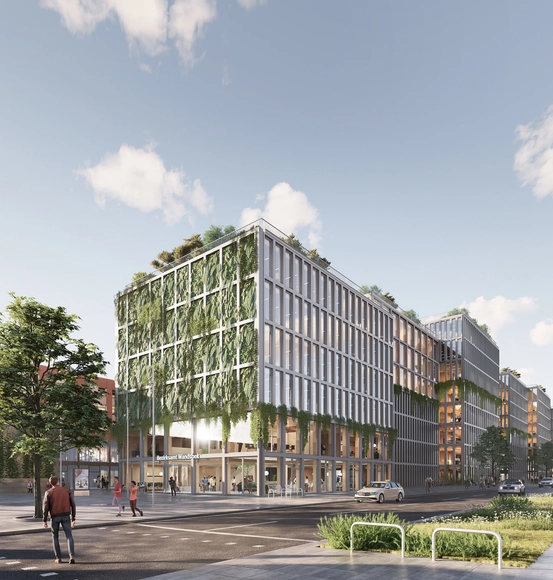
Danish design studio ADEPT has won a competition to design one of Germany’s largest fully-wooden construction buildings in the Wandsbek district of Hamburg, Germany. The building, which counts almost 34,000 sqm, is expected to open in 2026 and will house public administration facilities.
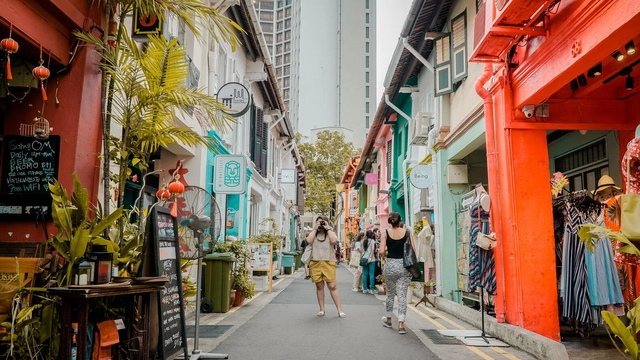
Haji Lane, Singapore. Photograph by Bna Ignacio, via Unsplash
Time Out, an online platform for urban culture that looks for the most vibrant locations around the globe, has recently ranked the 30 coolest streets in the world. The website, which usually focuses on cities as a whole, having already ranked the coolest neighborhoods, is now taking a more local approach due to the Covid-19 pandemic.
Jacinta Leong is a Production Designer who enjoys the creative and collaborative process of designing environments for narratives. Her work on several movies looks ahead into the future - especially in relation to technology in society. She was recently the Production Designer on the film 2067; Art Director on Alien: Covenant, Mad Max: Fury Road, andPacific Rim: Uprising; Assistant Art Director on Star Wars Episode II-III; and Set Designer inThe Matrix, among others.
We've talked with Leong to get to know her thoughts on the connection between films and architecture. The following interview explores her beginnings and inspirations, as well as her work process in the era of digital tools.
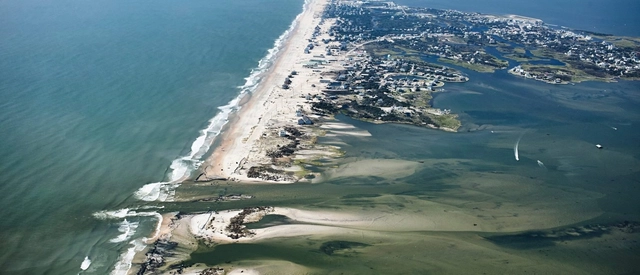
In this week's reprint, Martin C. Pedersen talks with John Englander, author of Moving to Higher Ground: Rising Sea Level and the Path Forward, about the “unstoppable” sea-level rise. The article explores the importance of planning for this challenge right away. In fact, "we have some time, but not all the time in the world" states John Englander.
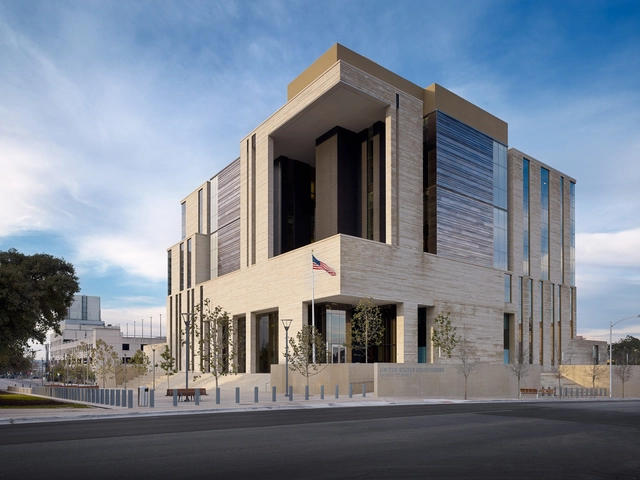
The Southwest United States is known for civic and monumental designs. These projects establish iconic, contemporary expressions that move beyond vernacular traditions. Located on sites throughout Texas, New Mexico, and Arizona, they are designed with modern aesthetics and new ideas. Novel spatial experiences and formal approaches are being explored by both local and international architects. Standing in contrast to the intimate, discreet spaces found within southwest residential architecture, these buildings are prominent landmarks and nodes within their respective cities.
Designed by Kohn Pedersen Fox Associates (KPF), the Ziraat Bank Headquarters towers in Istanbul have topped out. The project is expected to become the centerpiece of the new Istanbul International Financial Centre (IIFF), and will incorporate the bank’s headquarters, commercial office spaces, retail spaces on the ground floor, and underground parking.
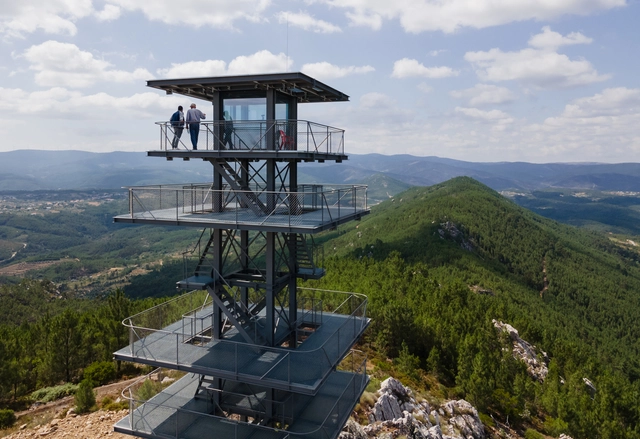
Álvaro Siza's latest project in Portugal is a 16-meter high watchtower built with a lightweight steel structure featuring photovoltaic panels on the roof. This project is very different from most of Siza's works, both in terms of scale and materials. The watchtower is located in Serra das Talhadas, in the municipality of Proença-a-Nova, and is part of a larger project comprising several structures dedicated to ecotourism in the area, including the still unbuilt Miradouro do Zebro.
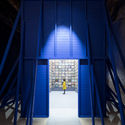
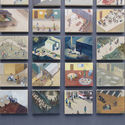
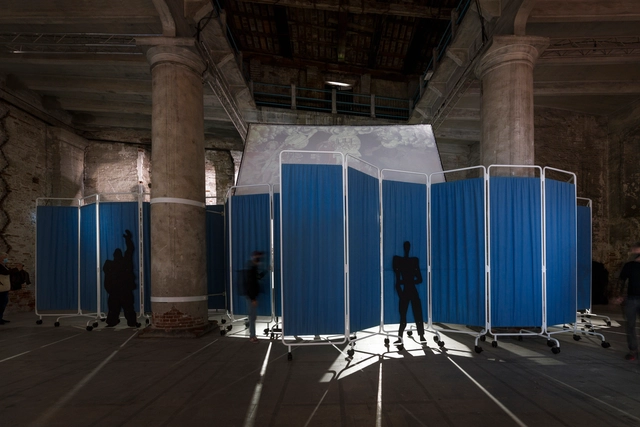
OMA / Reinier De Graaf have been invited to exhibit at the 17th International Architecture Exhibition - La Biennale di Venezia. Titled "Hospital of the Future", the installation explores how after years of medical preparations and technological advancements, one pandemic was able to hinder medical progress, and kill the hospital as we know it, envisioning a new form of medical architecture.
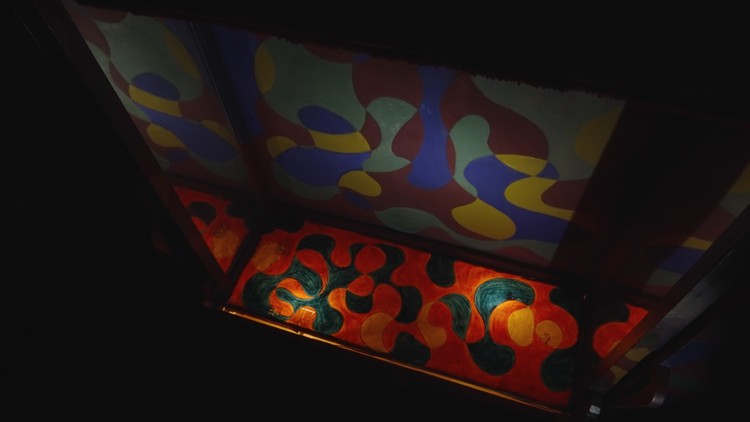
Commissioned for the exhibition “Casa Balla - From the house to the universe and back” at MAXXI museum in Rome, Italy, Bêka & Lemoine’s have released their latest film OSLAVIA. The cave of the past future, a tour inside the house-atelier where Giacomo Balla, prominent Futurist painter and major figure of the avant-garde of the early 20th century lived. The Futurist house where the artist lived and worked from 1929 until his death will be open to the public for the first time during the time of the exhibition.
It is safe to say that living in large urban areas, most of the sounds surrounding us are accidental, and most of them are not very pleasant. According to Julian Treasure, chairman of The Sound Agency, sounds can affect us in many ways: physiologically, psychologically, cognitively, and behaviorally, reducing productivity in workspaces and even affecting sales in retail stores. Therefore, paying attention to acoustic comfort in the built environment is imperative, not only for engineers and consultants but also for architects.
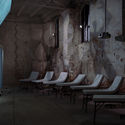
Several recurring qualities and topics were explored at the 17th Venice Architecture Biennale, answering curator Hashim Sarkis' question of "How Will We Live Together". Sarkis called upon architects “to imagine spaces in which we can generously live together”, spaces that are unbound by spatial or social contracts, and are flexible enough to welcome individuals and make them find a sense of belonging in an entirely different habitat. Unlike decades ago, migration today is no longer considered as relocating from rural areas to cities, where people needed to be in proximity to their workplaces. Technological advancements, new work modules, and most notably the pandemic altered the way people perceive spaces, making it possible to complete at least 85% of day-to-day responsibilities from practically anywhere in the world. What we have learned from previous cases, and what we are observing now, is that the built environment needs to be flexible.
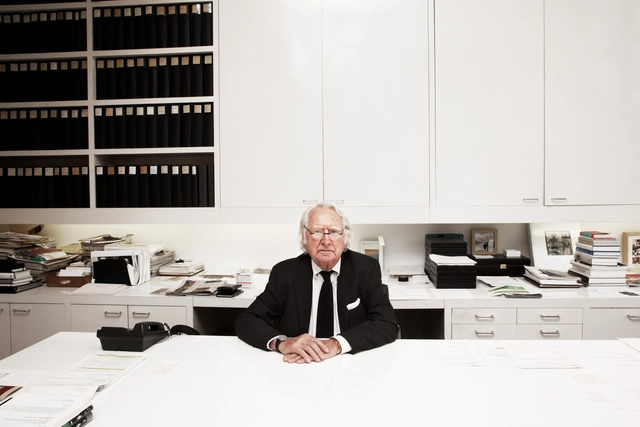
Richard Meier & Partners Architects announced the retirement of its founder, Pritzker-winning architect Richard Meier, who established the eponymous firm in 1963. The announcement also revealed a major internal reorganisation of the company, as well as its renaming to Meier Partners. The move comes three years after sexual harassment accusations have been made against the now 86-years old architect.
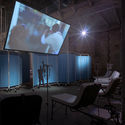
Among the many topics explored at the 17th Venice Architecture Biennale, the idea of community has been at the forefront, with several national pavilions exploring its many manifestations, evolution, and its relationship with the future of built environments. ArchDaily met with the curators of Testimonial Spaces, Emilio Marín and Rodrigo Sepúlveda, the Chilean Pavilion at the Biennale, and discussed how the project tackled the question of the future of living together and how they bridged the stories from Santiago to Venice. The interview was conducted in Spanish but is provided with English subtitles.
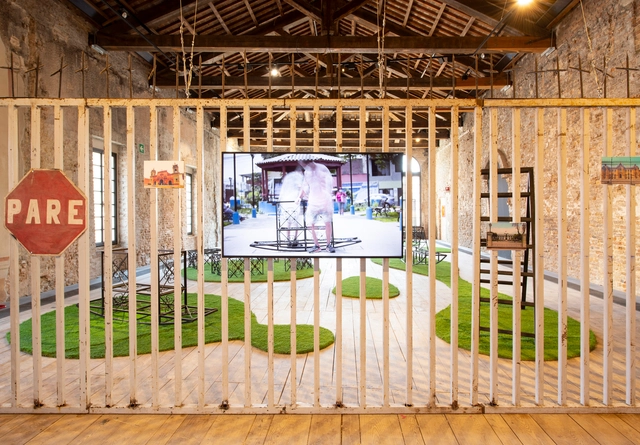
“Playground: Artifacts for Interaction”, by curator Felipe Ferrer, aims to transform the fences surrounding Peru's public spaces into tools for social integration. The project proposes removing the gates enclosing public spaces throughout Lima and Peru's other urban centers, inviting residents to freely enter and interact with the spaces. By removing these "security" mechanisms, which really serve as tools of segregation, and installing benches, playgrounds, and soccer fields, the project aims to divert all the energy, time, and resources put into installing fences and channel it into bringing new life to these public spaces.
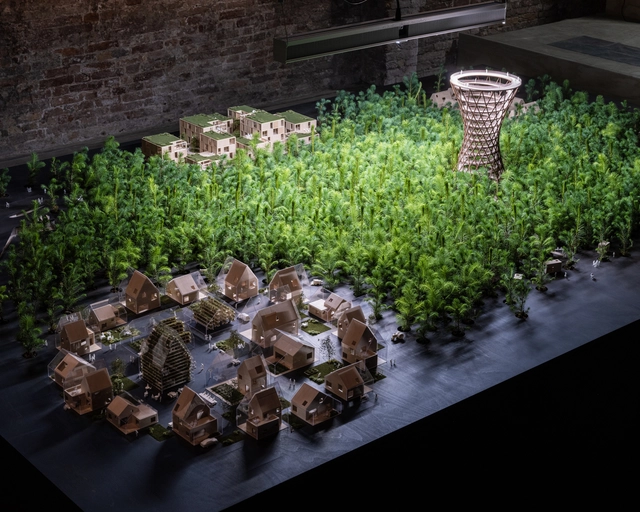
EFFEKT Architects have been invited to exhibit their work at the 17th International Architecture Exhibition - La Biennale di Venezia. Titled "Ego to Eco", the installation focuses on the future of communities and ecosystems, and presents a series of 7 miniature projects created by the architecture firm, nestled within a fictional landscape. Exhibited at the Corderie dell'Arsenale, the exhibition will be on display from May 22nd until November 21st, 2021.


_OMA.jpg?1558539068 "Knoll Celebrates Bauhaus. © OMA / Photography by Fred Ernst")














_Tom_Spall.jpg?1625127535&format=webp&width=640&height=580)
_Tom_Spall.jpg?1625127535 "© Tom Spall")
_Tom_Spall.jpg?1625127547 "© Tom Spall")
_Tom_Spall.jpg?1625127574 "© Tom Spall")
_Tom_Spall.jpg?1625127574 "© Tom Spall")
_Tom_Spall.jpg?1625127535)






.jpg?1624992493&format=webp&width=640&height=580)
.jpg?1624992580 "Romanian Pavilion. Image © Laurian Ghinitoiu")
.jpg?1624992414 "Polish Pavilion. Image © Laurian Ghinitoiu")
.jpg?1624992487 "French Pavilion. Image © Laurian Ghinitoiu")

.jpg?1624992493)