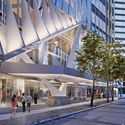
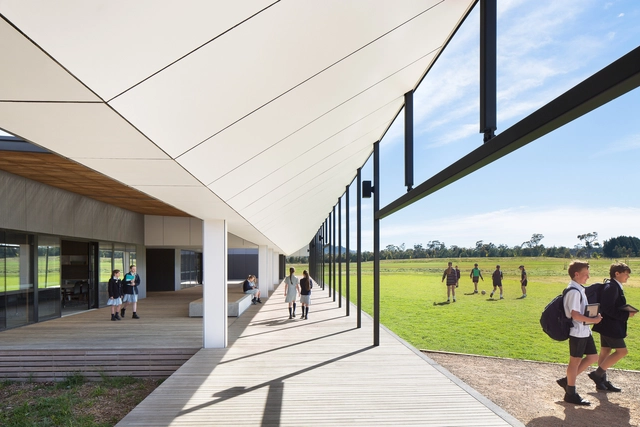
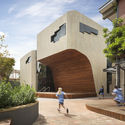
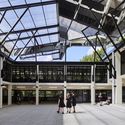
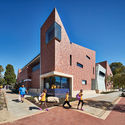
Australia's modern architecture has diverse roots. Grounded in designs like the famous Sydney Opera House, the country’s contemporary projects are radically embracing new aesthetic ideas. Moving beyond traditional pisé construction to create articulated forms, modern designs are emerging as multicultural hybrids both derivative and imported in nature. Exemplifying this dynamic, Australian education projects reinterpret vernacular architecture to embody contemporary culture. Representative of a design language that’s uniquely Australian, these projects build off the continent-nation’s history to create space for learning, recreation and reflection.
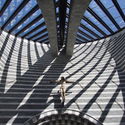
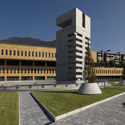
Swiss architect Mario Botta is known for his geometrically imposing, spatially captivating structures that are invariably dressed in zebra-like horizontal stripes in either black and white or red and white combinations. These both traditional and strikingly modern villas, chapels, wineries, schools, libraries, museums, company headquarters, banks, and residential blocks are scattered throughout towns and mountainous villages in the architect’s native Ticino region in southern Switzerland, extend all over Europe and can be encountered in places as far away as China, India, South Korea, Japan, and the USA.
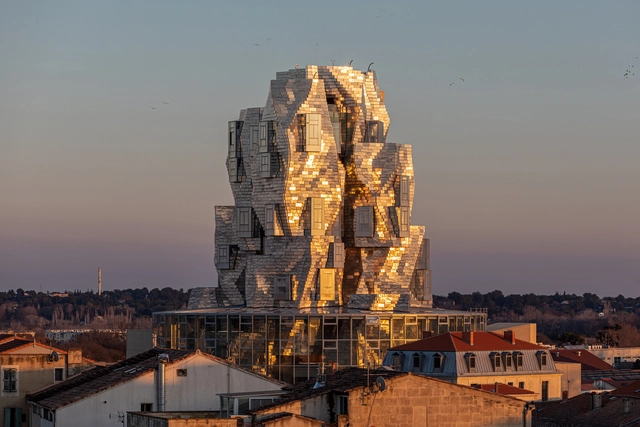
Frank Gehry's long awaited LUMA Arles has finally opened its doors to the public. The stainless-steel-clad tower with a twisting geometric structure sits in a 27-acre creative campus at the Parc des Ateliers in the French city of Arles, housing exhibition galleries, project spaces, and the LUMA’s research and archive facilities. Over 45 world renowned artists and designers, such as Etel Adnan, Olafur Eliasson, Koo Jeong A, Carsten Höller, and KerstinBrätsch will feature their creations across the tower's 12 levels, making it a focal point for global artists, curators, and art enthusiasts.
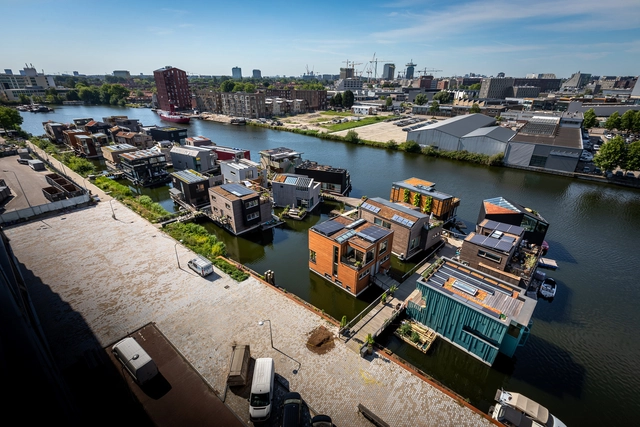
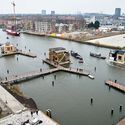
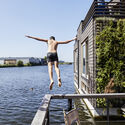
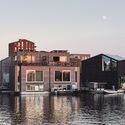
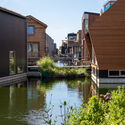
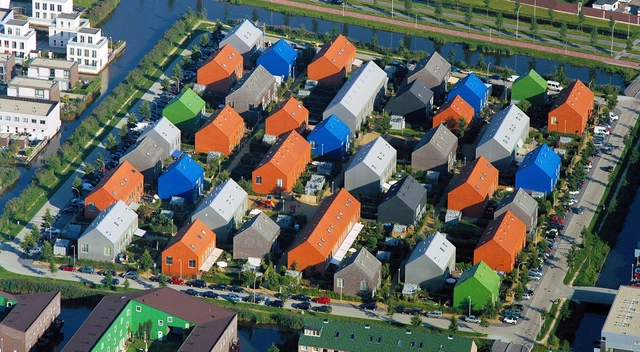
Schoonschip is Amsterdam’s innovative circular neighbourhood, a community-driven project set to become a prototype for floating urban developments. With a masterplan designed by Dutch architecture practice Space&Matter, the project comprises 46 dwellings across 30 water plots connected by a jetty and features decentralised and sustainable energy, water and waste systems. With the last of its buildings completed this year, the development showcases a valid adaptation strategy in the face of climate change and rising sea levels.
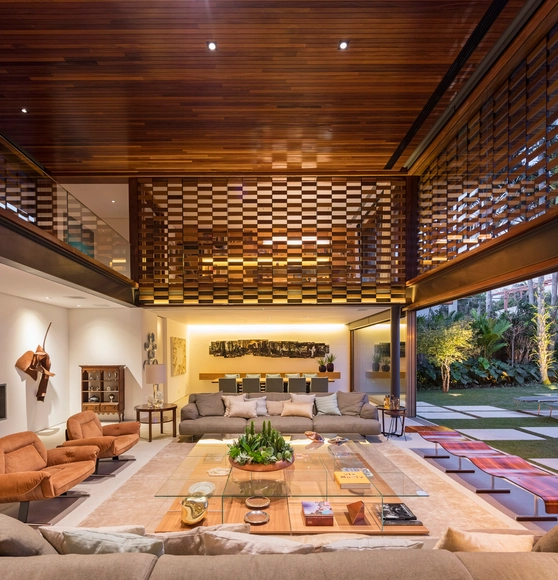
Residência GAF/Jacobsen Arquitetura. Image Cortesia de Jacobsen Arquitetura
When designing homes, architecture is constantly evolving and adapting to environmental conditions. Each climate has specific needs and requires different solutions in terms of comfort. Hot and humid environments require a very different design from cold and dry environments. Natural ventilation, for example, is very important in projects located in warm climates.
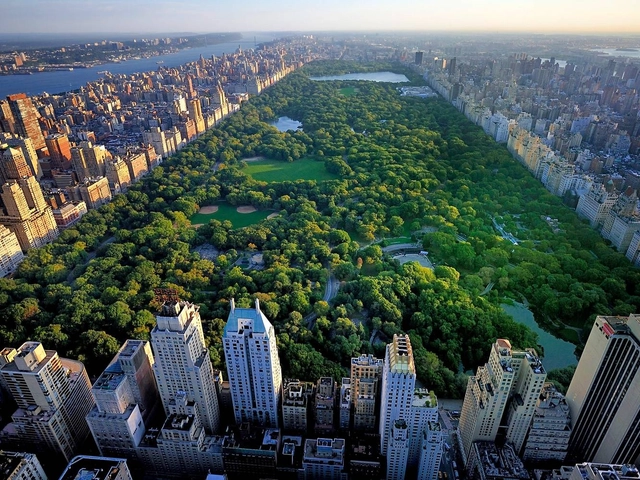
Our lives in urban centers have been completely upended over the last 16 months. As we look into the near future, some of us begin to experience the call back into our workplaces and experience the awakening of a long slumber of cities, it’s without a doubt that life as we knew it will never be the same. While some on the extreme end have been asking “will we even need cities?” (to which the answer is a very definite yes), how will cities change if we continue to move forward in this digital era of work and life that was accelerated by the pandemic?
The Second Studio (formerly The Midnight Charette) is an explicit podcast about design, architecture, and the everyday. Hosted by Architects David Lee and Marina Bourderonnet, it features different creative professionals in unscripted conversations that allow for thoughtful takes and personal discussions.
A variety of subjects are covered with honesty and humor: some episodes are interviews, while others are tips for fellow designers, reviews of buildings and other projects, or casual explorations of everyday life and design. The Second Studio is also available on iTunes, Spotify, and YouTube.
This week David and Marina discuss the typical architecture and building process, covering the phases and steps in most building/construction projects—what can be expected during each step, why the different phases exist, their typical processes, the documents completed at the end of each phase, and the outcome of each phase.
https://www.archdaily.com/963915/the-second-studio-podcast-on-the-architecture-and-building-processThe Second Studio Podcast
The world of travelling is a multifaceted one. There are the everyday trips one takes for work or school, commuting to a set location during the week, usually within the confines of a city. There are the longer trips too, the trips which usually involve getting into an aeroplane to visit someplace a bit farther from where the traveller usually resides. These trips are frequently done for business purposes, but for those who have the means to afford it, these trips are undertaken for learning and leisure – where the traveller can be defined as a “tourist”.
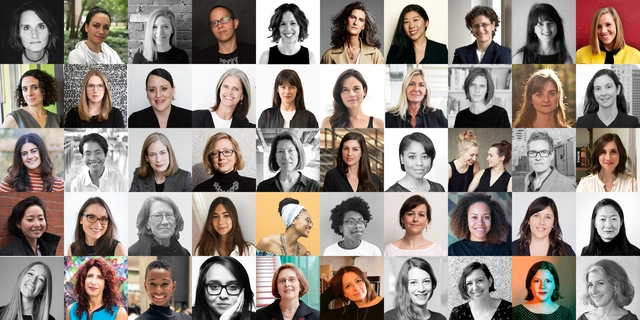
Madame Architect, the platform dedicated to the built environment and to the empowerment, advancement, and visibility of the women who work in it, has just reached a milestone, publishing over 250 interviews with the females who shape our world. “Designed to break the architect’s mold”, the website was founded 3 years ago by Julia Gamolina, an architect that shaped her own path in the field, becoming Director of Strategy at Trahan Architects, focusing on the business, its development, growth, and evolution.
Archdaily's Christele Harrouk had the chance to speak to Julia Gamolina, Founder, Editor-in-Chief of Madame Architect, and one of Professional Women in Construction's "20 Under 40", to discuss her career choices, the online magazine, the business of architecture and communication.
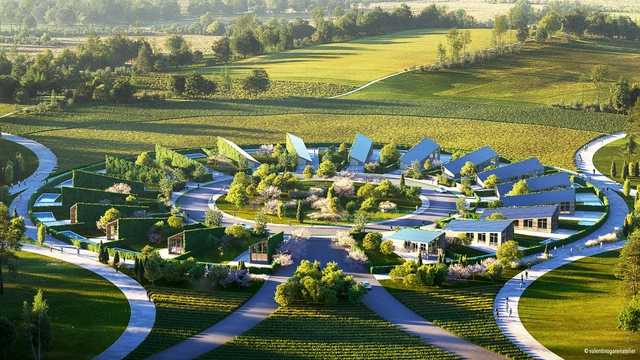
Valentino Gareri Atelier have joined forces with technology and wellness consultant Steve Lastro of 6Sides and global wellness real estate innovators Delos to create Sunflower Village, a humanistic and sociological approach to residential technology & community living. The proposed residential village includes 19 homes arranged in a sunflower composition that 'follows the sun'.
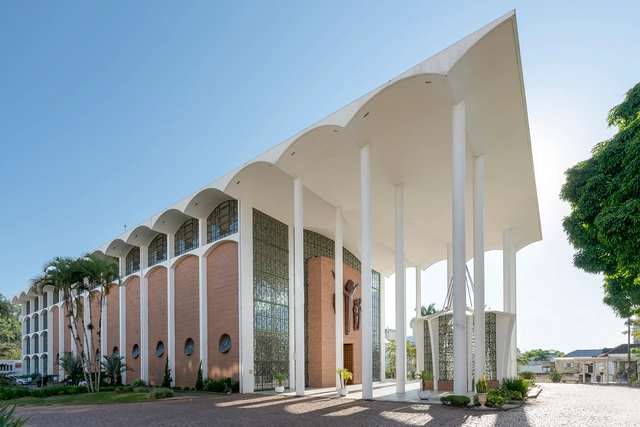
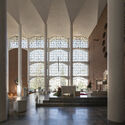
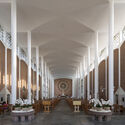
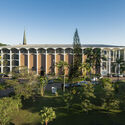
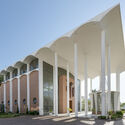
In the hilly landscape of Blumenau, a city located in the state of Santa Catarina, in southern Brazil, stands a gem of modern religious architecture by Gottfried Böhm, who recently passed away at the age of 101: the Mother Church of São Paulo Apóstolo, built from 1953 to 1963.
The São Paulo Apóstolo Church was built before the São Luiz Gonzaga Church in Brusque - two religious temples designed by Böhm with the office he inherited from his father, the architect Dominikus Böhm (1880-1955).
In this week's reprint, author Walter Jaegerhaus explores the U.S. housing challenge, drawing a timeline of the evolution of different architectural solutions, from around the world. Seeking to "inspire designers today to create new housing options", and hoping "that the U.S can again embrace its experimental origins and try out new ideas and methods", the article highlights examples from Europe and the Americas.
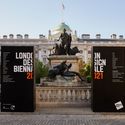
Responding to artistic director and curator Es Devlin's theme ‘Resonance’, designers from different countries, territories, and cities showcased how they envision new perspectives and solutions to global issues, exploring topics such as sustainability and the environment, globalization, migration, and the future of humanity. The diversity of the contributing curators was not only present in the solutions they presented, but in how they displayed them as well. While some opted for the tactile experience of exploring natural elements, others relied on one of the most prominent themes of the 21st century: digitalization and the virtual world.
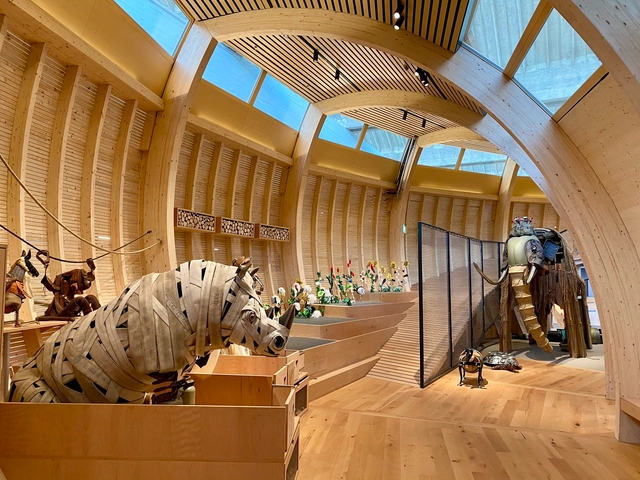
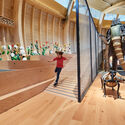
Completed in 2020, amidst the pandemic, ANOHA- The Children’s World designed by Olson Kundig for the Jewish Museum in Berlin is finally opening its doors to the young public. The design reinterprets the myth of Noah’s Ark and furthers the concept and ideas of a similar installation at Skirball Cultural Center in Los Angeles, created by the firm then named Olson Sundberg Kundig Allen. More than a museum experience, the project is a space for community building, a place for imagination and play that enacts a universal story, creating an inclusive environment for children and families of all cultures and backgrounds.
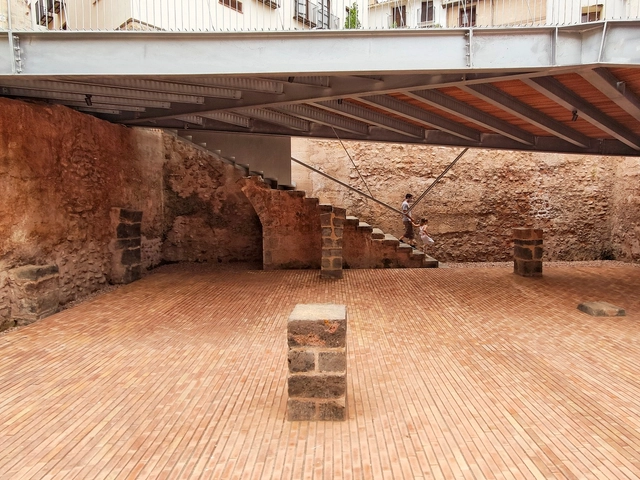
The European Award for Architectural Heritage Intervention, a biennial award organized by the COAC (Association of Architects of Catalonia) and the AADIPA (Association of Architects for the Defence and Intervention in Architectural Heritage), has announced the winners of its fifth edition.
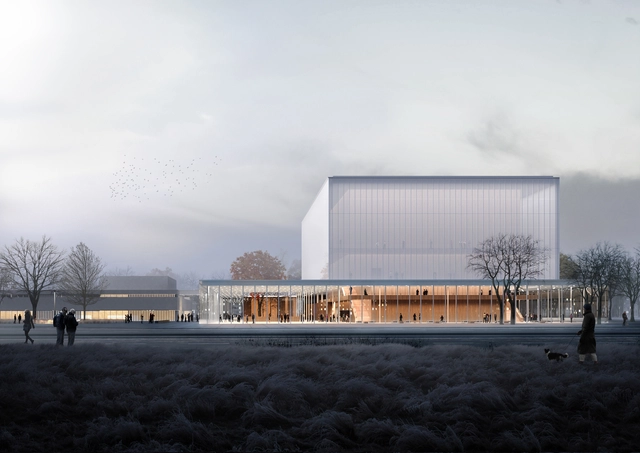
Architecture firms Topotek 1, Johannes Kappler Architektur und Städtebau, and Super Future Collective have released new images for the Nuremberg Concert Hall. While the project is on hold due to the pandemic, the competition-winning design was made as an addition to the ensemble of the Meistersingerhalle. The project is driven by the 1960s architecture of the existing building, and will address acoustic issues to provide a world-class space for performance.
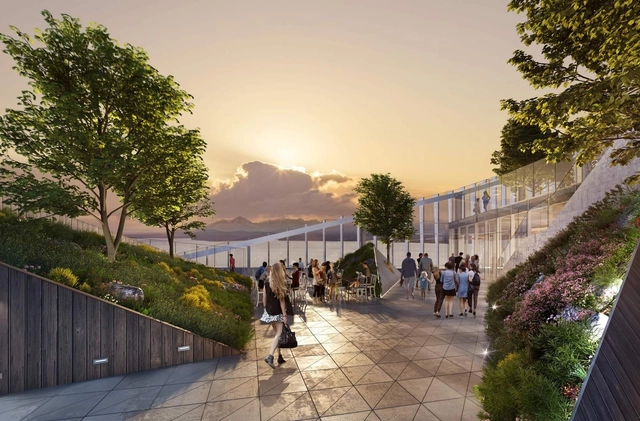
Architecture firm NBBJ have unveiled the design of The Net, a next generation office tower in Seattle that fosters wellness and community. The firm's proposal comes as an answer to the problematics that high-rise buildings impose on individuals and urban spaces, such as lack of communal integration and the difficulties of accessing fresh air from the outdoors due to mechanical ventilation systems imposed on the facades.







_ADRIAN_DEWEERDT_(4).jpg?1624868699 "© Adrian Deweerdt")
_ADRIAN_DEWEERDT_(1).jpg?1624868918 "© Adrian Deweerdt")