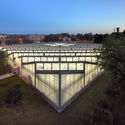
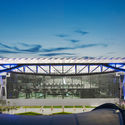
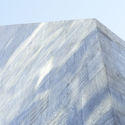
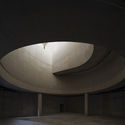
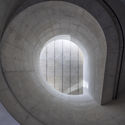
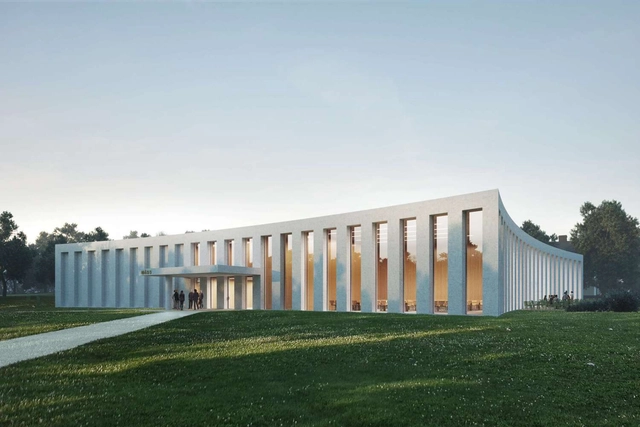
Swedish practice Tham & Videgård Arkitekter has won a competition to design a new cadet mess building for the Karlberg Military Academy in Stockholm. Establishing a dialogue with the historical context and the 17th-century park, the project is conceived as a clean square volume with concave facades that embrace the surroundings. Through its rhythm and proportion, the design echoes the classical architecture of the nearby palace, showcasing a rigorous aesthetic that establishes a timeless image.
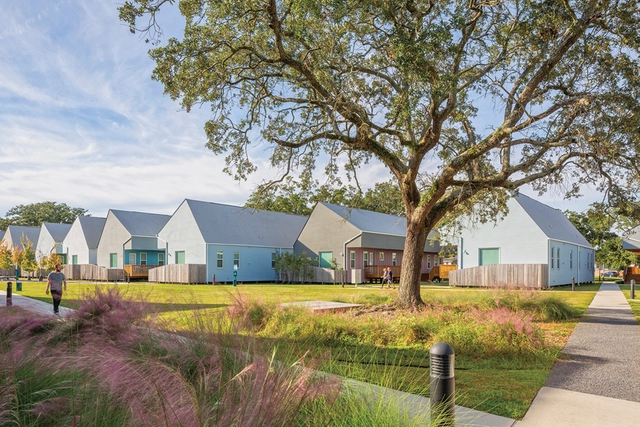
How does systemic thinking and generative design contribute to new forms of convivence? Can they become tools to connect tradition and identity in a modern way? Can they help to design customizable architectural strategies that offer locally accessible solutions? Can they contribute to the creation of dignified spatial experiences that can be replicated on a mass scale?
In this week's reprint from Metropolis, author AvinashRajagopal "takes a broad look at American Design, digging into the practice of architecture, the resurgence of craft, quintessential building forms, and decaying infrastructure". Asking questions such as "what values do we hold dear? What harm have we caused, and who benefits from the work we do?" architects and designers across the United States explore the contextual consequences of the global challenges.
Other than the contribution of national participations, the 2021 Venice Architecture Biennale invites architects and researchers to exhibit their work between the Central Pavilion at the Giardini, the Arsenale, and Forte Marghera, seeking to answer the general theme of “How will we live together?”, set by curator Hashim Sarkis. With 113 Participants from 46 countries, and an increased representation from Africa, Latin America, and Asia, these architectural contributions underline worldwide and contextual challenges as well as present multidisciplinary and inventive solutions.
The 17th International ArchitectureExhibition, running from 22 May to 21 November 2021, divides these projects amongst the following titles: Co-Habitats, Stations, Among Diverse Beings, As New Households, As Emerging Communities, Across Borders, and As One Planet, How Will We Play Together? After having explored the recurring qualities observed in the national pavilions, this feature highlights the rest of the interventions through the lens of Laurian Ghinitoiu.
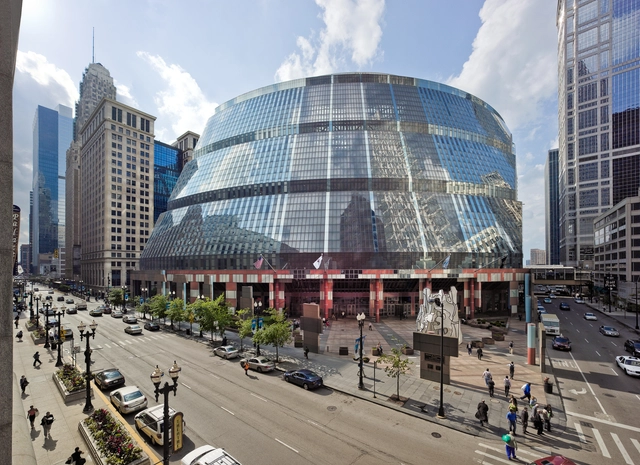
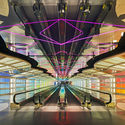
The Chicago Architecture Center (CAC) has announced it will be holding an exhibition of one of Chicago's renowned architects Helmut Jahn, an architect who "melted and fragmented the mid-century modern grid into post-modern designs" in projects like the United Terminal at O'Hare, the James R. Thompson Center in Chicago, and many others around the world. The event will take place on July 23rd until October, and will be the first major limited-run exhibition in the new CAC Galleries since their inauguration in August 2018.
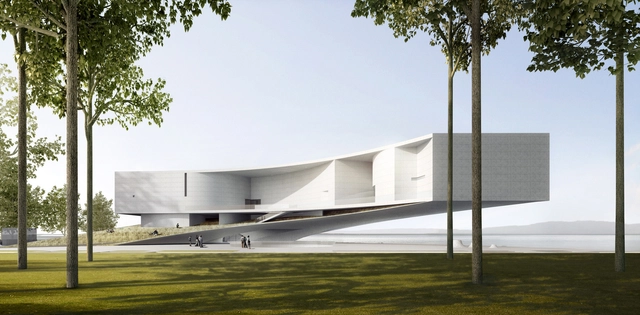
Conceptual Plan of Wuhan Nanhu Art Center. Image Courtesy of Jing Studio
This week’s curated selection of Best Unbuilt Architecture highlights commercial projects submitted by established firms. From art museums to offices, this article explores cultural functions and commercial spaces, and presents projects submitted to us from all over the world.
Featuring a reception center that merges the cultures of China and Italy by aoe architects, and a post-pandemic office building by NBBJ, this roundup explores how established architecture firms have designed buildings that optimize the functions of projects and ensure the comfort of their users. This round up also includes a collection of proposals from KPF Architects, Nordic Office of Architecture, AFF Architekten, along with many other firms, each responding to different spatial needs, facilities, and environments.
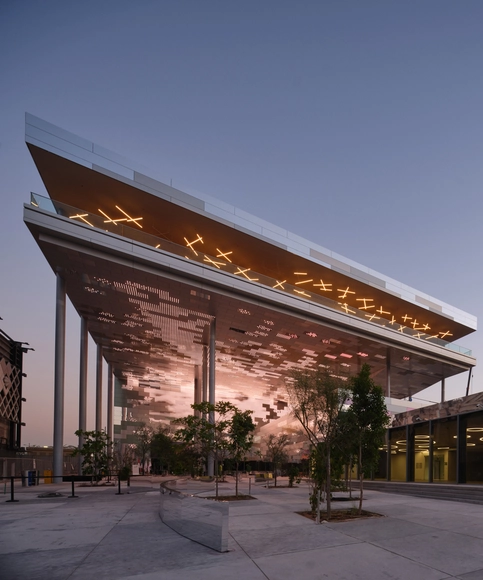
France Pavilion. Image Courtesy of Expo Dubai 2020
With 3 months to go until the opening of Expo 2020 Dubai, on October 1st, the organizing committee has released updated images highlighting ready and completed pavilions. With officially 191 participating nations, the expo is seeking to “explore the power of connections in shaping our world”. Showcasing architecture, culture, and inspiring innovations, the world expo has been, for the past 170 years, the leading platform to introduce great inventions and architectural revolutions, most of which shaped the world we live in today.
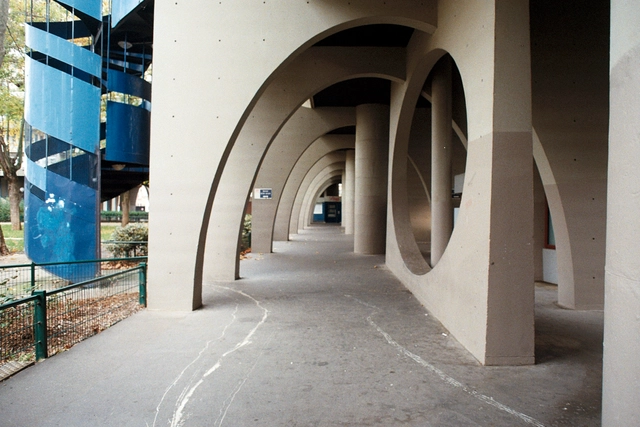
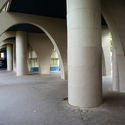
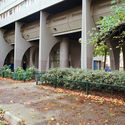
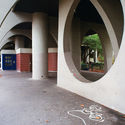
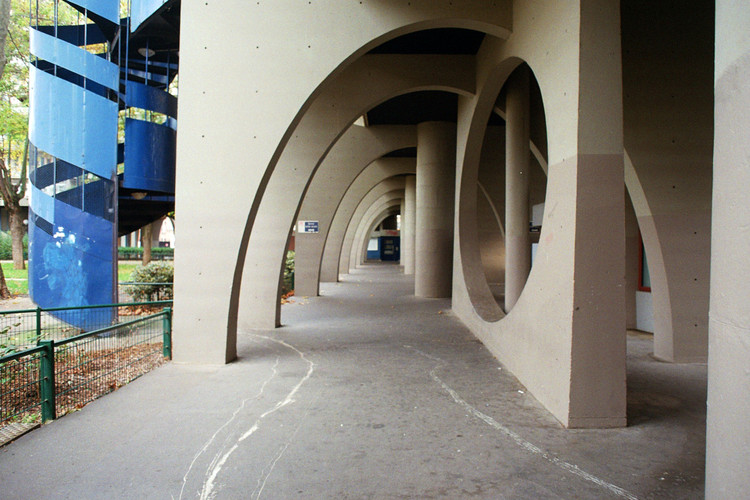
Designed by architect Renée Gailhoustet in 1972, the Cité Spinoza residential complex is part of the master plan created for downtown Ivry-sur-Seine, France. The project is a rendition of the Unité d'Habitation de Marseille by Le Corbusier, a major architectural reference for architects at that time. Architectural photographer Anthony Saroufim took the streets of the Parisian Banlieue and captured the modernist architecture's distinct concrete geometry.
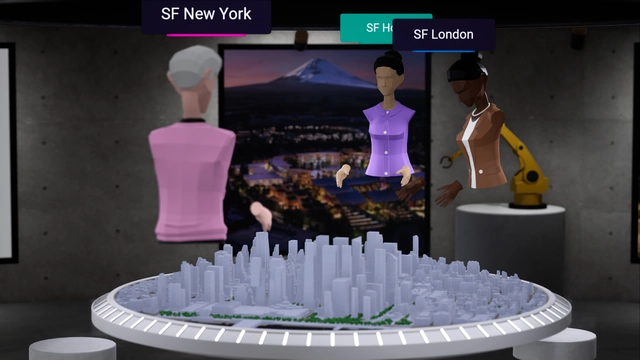
UNStudio and Bjarke Ingels Group have partnered up with Squint/Opera to develop SpaceForm, a virtual, cloud-based platform that facilitates design, review and collaboration processes for architects and developers. The new virtual workspace explicitly developed for the architecture and construction industry aims to fill a gap by creating a viable and sustainable way of collaborating and designing remotely across global teams, thus reducing the need for travel.
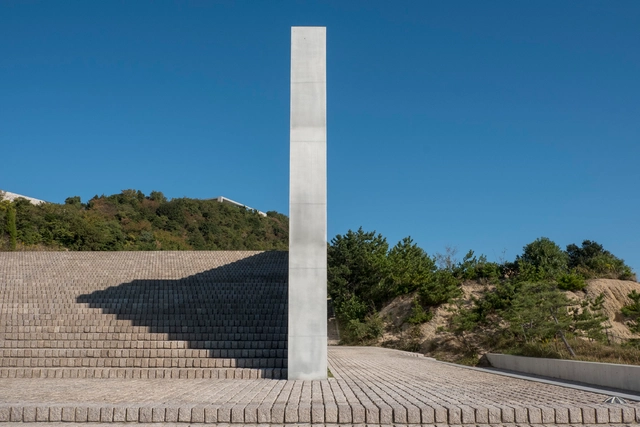
Few places in the world have so many cultural and artistic facilities as the islands of Naoshima, Teshima, and Inujima, in Japan's Seto Inland Sea. Eighteen museums, galleries, and installations make up the Benesse Art Site Naoshima, a project idealized by billionaire businessman Soichiro Fukutake in the 1980s.
At the time, Fukutake invited none other than architect Tadao Ando to design the Benesse House Museum on the island of Naoshima, which went beyond an economic reboot to create a simpler, slower way of life - evidently for those who can afford it - far removed from the Japanese megacities.
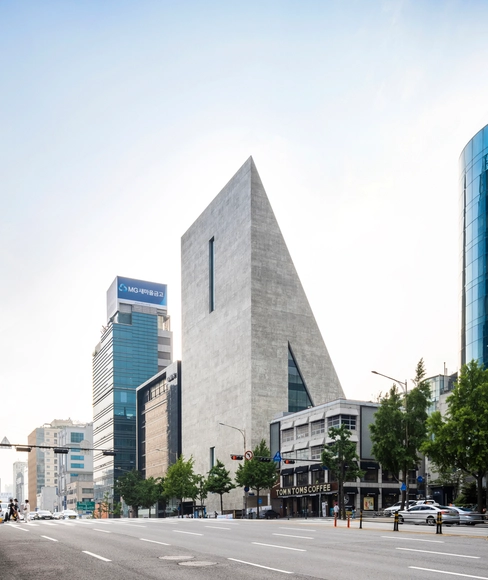
Herzog & de Meuron’s first realized project in Korea is completed and is set to open to the public in September 2021. Situated in the heart of Cheongdam Dong, one of the most commercial areas of Seoul, the ST International HQ and SongEun Art Space will offer non-commercial art spaces, a variety of new exhibition spaces, and offices for ST International both above and below ground, creating an inviting space for the public to engage with contemporary art. The first inaugural exhibition is expected to be on the 28th of September, and will be curated by the Swiss architecture firm in collaboration with SongEun Art and Cultural Foundation.
Urban planning is often based on the assumption of ongoing demographic and economic growth, but as some environments face urban shrinkage, a new array of strategies comes into play.The shrinking city phenomenon is a process of urban decline with complex causes ranging from deindustrialization, internal migration, population decline, or depletion of natural resources. Referencing the existing research on the topic, the following showcases approaches to this phenomenon in different urban environments, highlighting the need to develop new urban design frameworks to address the growing challenge.
The Second Studio (formerly The Midnight Charette) is an explicit podcast about design, architecture, and the everyday. Hosted by Architects David Lee and Marina Bourderonnet, it features different creative professionals in unscripted conversations that allow for thoughtful takes and personal discussions.
A variety of subjects are covered with honesty and humor: some episodes are interviews, while others are tips for fellow designers, reviews of buildings and other projects, or casual explorations of everyday life and design. The Second Studio is also available on iTunes, Spotify, and YouTube.
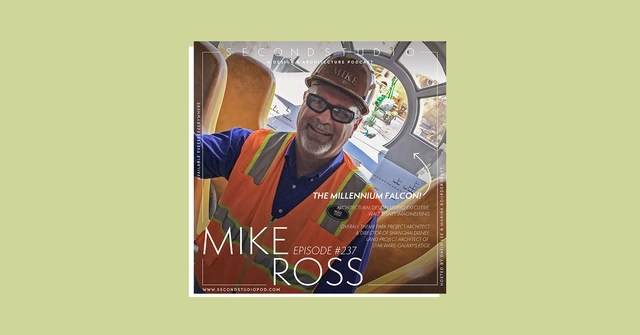
This week David and Marina are joined by Mike Ross, the Architectural Design Studio Executive at Walt Disney Imagineering, to discuss the design and construction of theme parks and theme park buildings, the Disney design process, technology's impact on how they build, creating theme parks in other countries, and much more.
https://www.archdaily.com/964830/the-second-studio-podcast-interview-with-mike-ross-architectural-design-studio-executive-at-walt-disney-imagineeringThe Second Studio Podcast
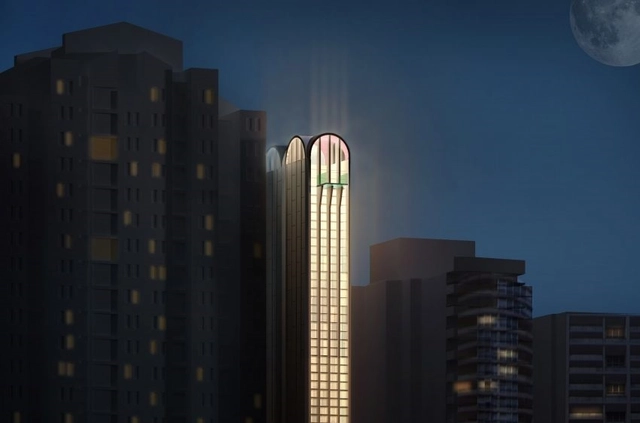
Australian architecture firm Durbach Block Jaggers has unveiled a design for the Pencil Tower Hotel in Sydney. Designed to be the country's thinnest skyscraper, the project would rise at 410 Pitt Street with a height-to-width ratio of 16:1. With 173 hotel rooms with six suites on each floor, the 100-metre-high tower would be built in the downtown area with street frontage only 6.4 meters wide.
Shopping malls and retail centers are dead- or so they say. Although much of how we shop was put on pause by the COVID-19 pandemic, and we experienced the surge in e-commerce focused purchases, some of your favorite stores are faced with reimagining themselves in a new way. As the pressure for high-density housing continues to rise, and big-box centers and shopping malls are left empty, is there a way that the place where you once purchased a new outfit could be transformed into your next apartment?
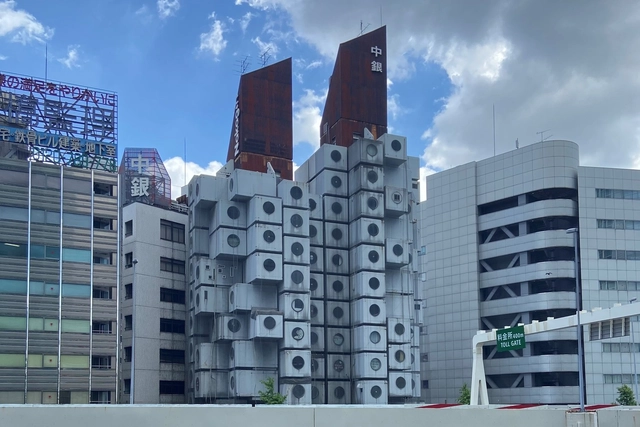
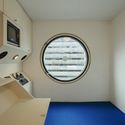
After ongoing uncertainties about the future state of the The Nakagin Capsule Tower Building, Kisho Kurokawa Architects and Urban Design Office Chiyoda-ku, have decided to dismantle the iconic architecture and regenerate its capsules as accommodation units and museum installations across the world. The regeneration plan follows the initial concept of "Metabolism", re-configurating the elements instead of complete demolition.
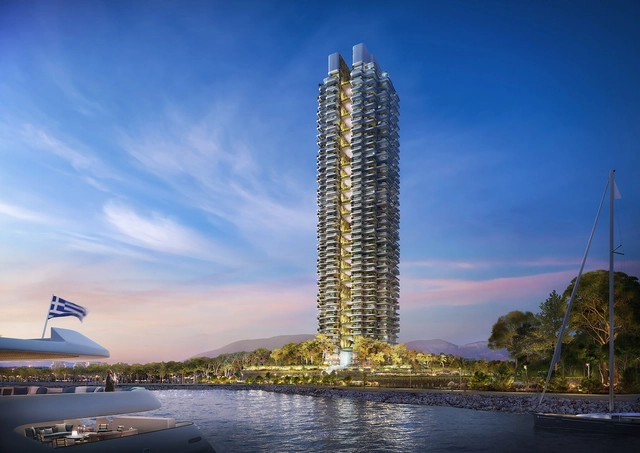
Foster+Partners has unveiled its design for Marina Tower, a residential project set to become the tallest building in Greece. Located in Ellinikon, on the outskirts of Athens, the project is part of a larger development plan meant to transform the site of the former airport into several new neighbourhoods centred around a large coastal park. The 200-metre tall tower at the heart of the masterplan showcases a permeable relationship between interior and exterior spaces in tune with the Mediterranean climate while also featuring various water elements and extensive greenery.
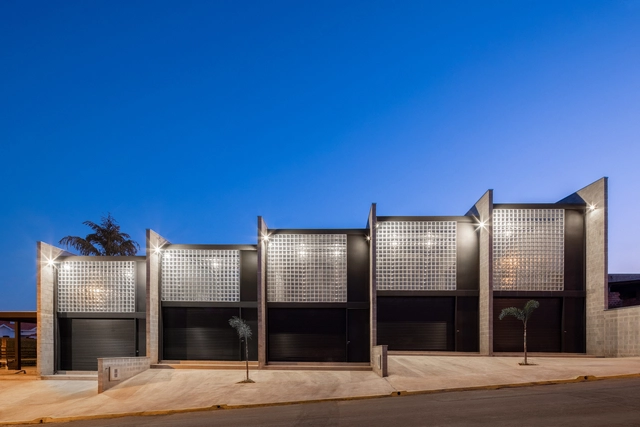
Briefly, structural masonry is a construction system in which the walls of the building perform a structural function, using masonry units arranged in a way that is self-supporting and load-bearing. The walls will evenly distribute the load to the foundation and later into the ground.
Stacked in layers, the bricks, blocks, or stones may or may not be connected by a binder (mortar) and steel reinforcements that heavily influence the mechanical properties of the wall, dimensioned to resist active forces.




.jpg?1624390734&format=webp&width=640&height=580)

.jpg?1624875360&format=webp&width=640&height=580)
.jpg?1624875658 "Le Consortium – Land \"Grancey-le-Château, A World at the Edge\" . Image © Laurian Ghinitoiu")
.jpg?1624875488 "ICD Institute for Computational Design and Construction and ITKE Institute of Building Structures and Structural Design \"Material Culture: Rethinking The Physical Substrate For Living Together\". Image © Laurian Ghinitoiu")
.jpg?1624875439 "Philip Beesley and the Living Architecture Systems Group / University of Waterloo School of Architecture \"Grove\". Image © Laurian Ghinitoiu")
.jpg?1624875630 "TVK \"The Earth is an Architecture\". Image © Laurian Ghinitoiu")
.jpg?1624875360)